

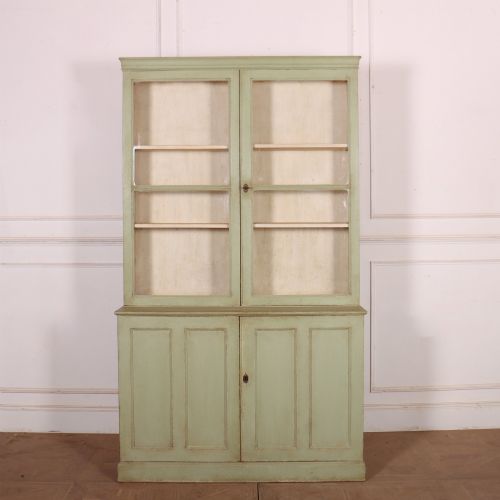
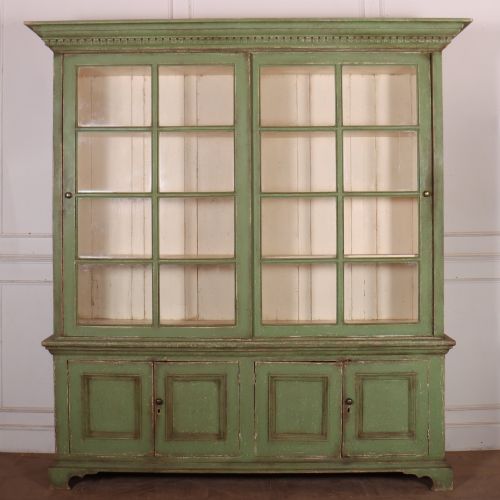
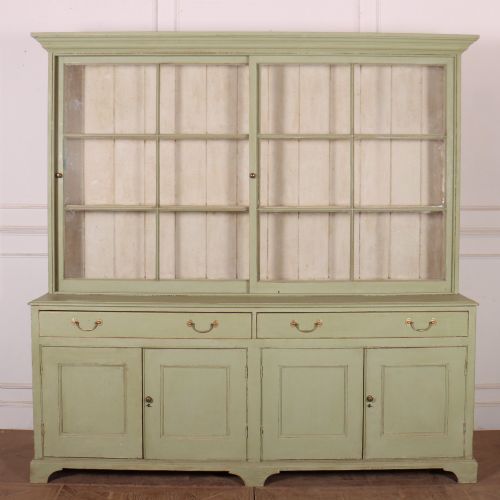
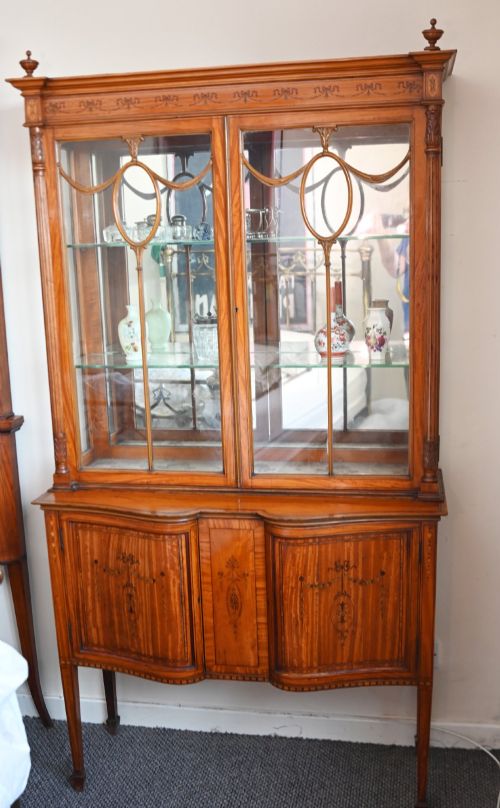



Two Tier Painted Cabinet
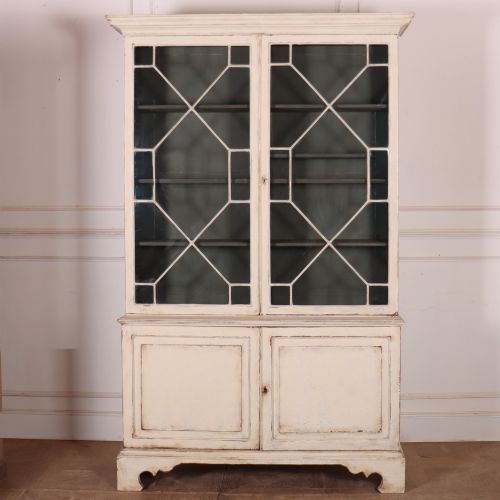
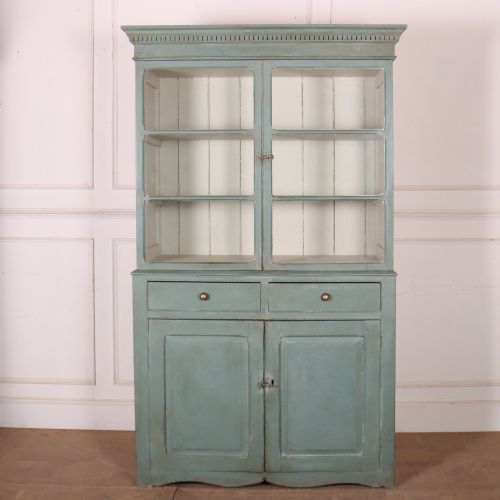
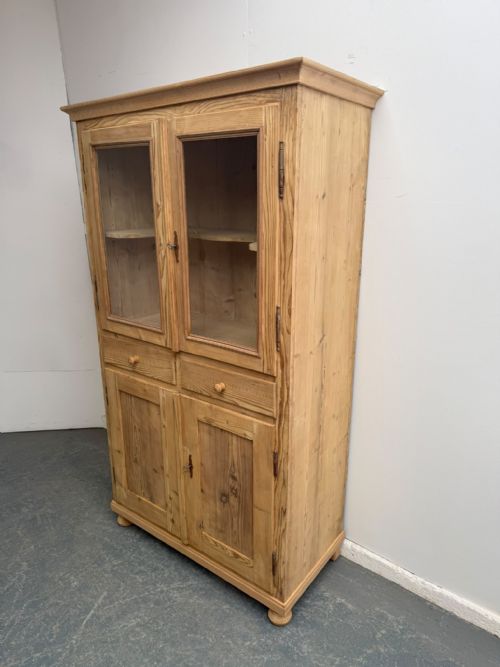
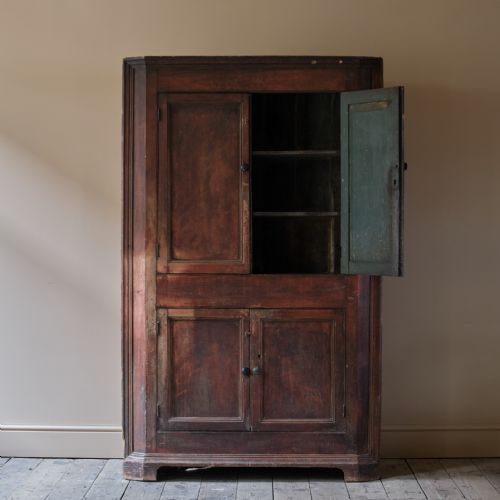
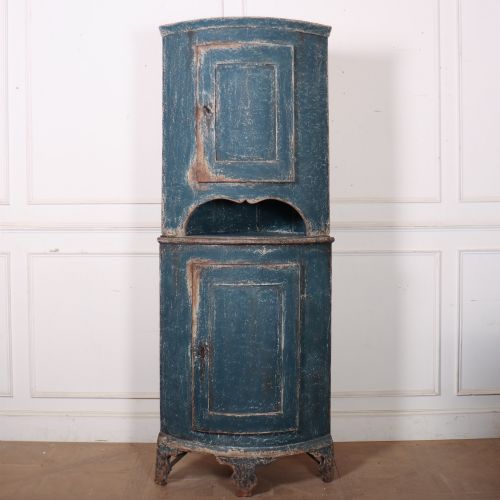
A two tier painted cabinet brings country character and surface texture to a room, constructed in pine or wood with traditional paint finishes.
Two Tier Painted Cabinet
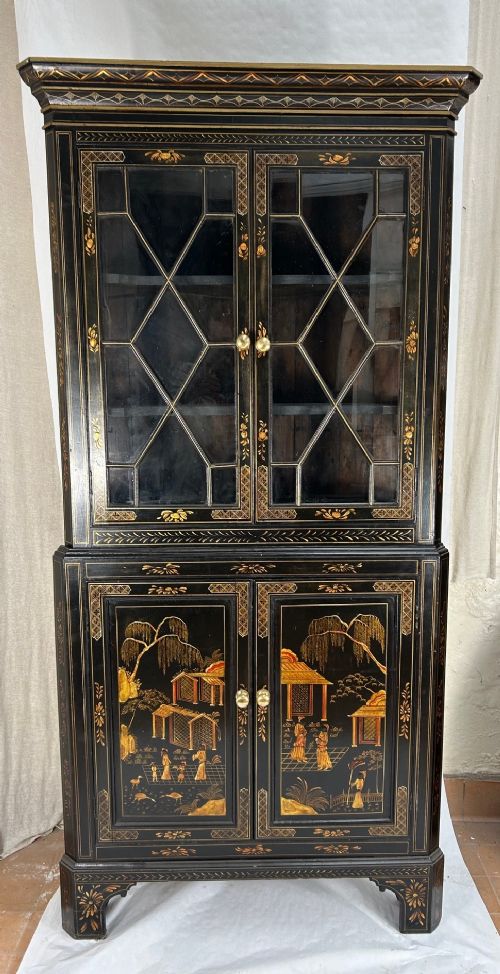
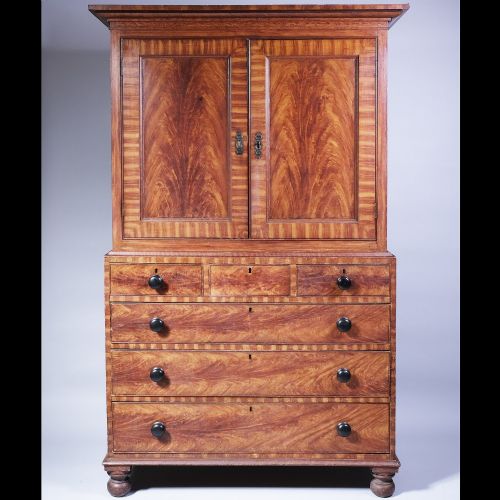
A two tier painted cabinet encompasses regional forms such as corner cupboards, bookcases, dressers, and housekeeper's cupboards originating from English, Swedish, French, and Dutch workshops. These pieces date from the eighteenth century through the Edwardian period and nineteen-twenty, reflecting domestic storage needs across rural and urban interiors.
The most common examples on this page are nineteenth-century pieces finished in paint, often utilising pine as the primary timber. Regional variations include Swedish Gustavian styles, English country dressers, and scumble-painted surfaces.
Buyers encounter standing corner cupboards, glazed kitchen cabinets, and bureau cabinets that combine display space on upper tiers with enclosed storage below. Each piece demonstrates the utilitarian origins of regional furniture adapted for domestic display.
Materials and Construction
Makers built these cabinets primarily using pine and other softwoods or hardwoods, frequently applying layers of paint, scumble, or lacquer over the wood. Glass panels feature in glazed display doors, while brass and iron provide hinges, escutcheons, and pulls.
Carpentry techniques rely on pegged joints, dovetails, and panelled construction suited to vernacular furniture making. Painted finishes range from original scraped surfaces to later decorative layers, often applied over pine substrates.
Two Tier Painted Cabinet Retail Price Guide 2026
Typical asking prices for two tier painted cabinet among the pieces listed under this phrase on Sellingantiques today, from the lower quarter to the upper quarter. They describe what is for sale here now, not the wider market.
Listings feature pine, oak, satinwood, and painted wood across eighteenth-century, Victorian, and Edwardian periods.
Quality and Surface
Quality rests in the integrity of the timber construction, the originality of the painted surface, and the proportion of the two tiers. Pieces retaining their early or original paint layer show greater character than those with later repainting.
Joinery execution in the doors, cornices, and internal shelving distinguishes standard utility cupboards from finer regional cabinetwork. Original brass or iron hardware further elevates a piece.
The Two Tier Painted Cabinet Glossary
- Scumble paint
- A decorative technique involving translucent paint manipulated over a base coat to imitate wood grain or create mottled texture. It appears frequently on nineteenth-century vernacular pieces.
- Gustavian style
- The Swedish interpretation of French neoclassical design, characterised by pale painted finishes and restrained classical detailing. This style dates from the late eighteenth century onward.
- Corner cupboard
- A cabinet designed specifically to fit into the angle of a room, saving floor space while providing upper and lower storage tiers. These occur in both hanging and standing formats.
- ,Buffet de corps
- A substantial French dining room piece featuring a lower cupboard section surmounted by an upper cabinet or display tier. They are typically constructed from oak or local hardwoods.
- Sheraton revival
- A late nineteenth and early Edwardian design movement inspired by the neoclassical furniture of Thomas Sheraton. Pieces often feature satinwood and painted decorations.
Two Tier Painted Cabinet: Frequently Asked Questions
How do I date a painted cabinet?
Dating relies on construction methods, timber choice, and the characteristics of the paint surface. Examining drawer dovetails and backboards helps determine the period.
Earlier eighteenth-century pieces often display hand-sawn timbers and pegged frames, whereas later nineteenth-century examples incorporate machine-sawn components and different nail types.
Where should I place a corner cupboard?
Corner cupboards suit awkward angles in dining rooms, hallways, or living spaces where standard rectangular furniture will not fit. They utilise vertical wall space effectively.
Ensure the wall angle matches the cabinet's ninety-degree or acute geometry for a secure fit against the skirting boards.
How do I care for original paint?
Original painted surfaces require gentle dusting with a dry microfibre cloth and protection from direct sunlight and moisture. Avoid modern solvent-based cleaners that can strip historical finishes.
Wax polish should only be applied if the paint surface is stable and sealed, as porous milk paint or distemper reacts poorly to heavy waxes.
What is a housekeeper's cupboard?
A housekeeper's cupboard is a large storage piece historically used in country houses for linen, provisions, and household utensils. They typically feature multiple doors and internal shelving.
These functional pieces now serve well in modern kitchens or hallways for substantial everyday storage.