
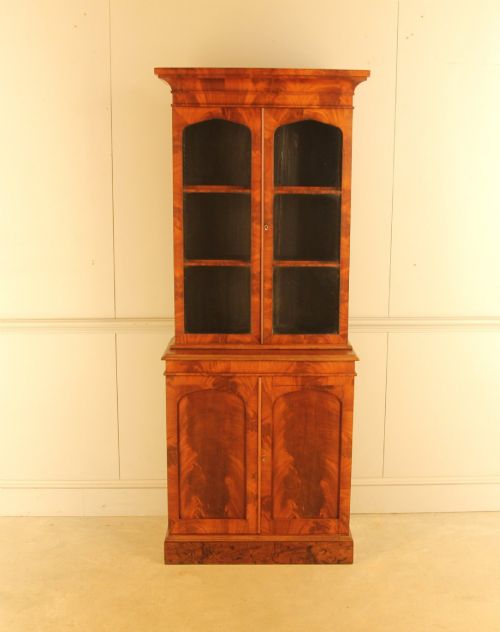
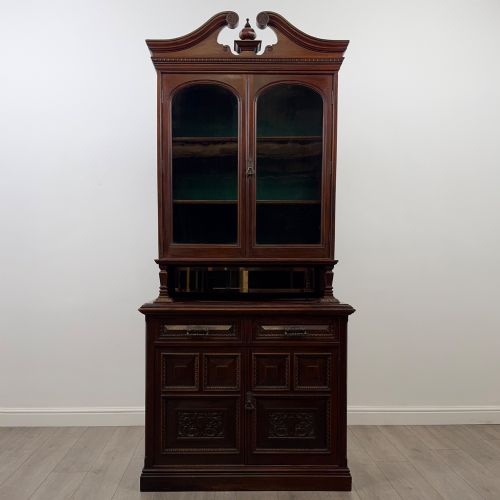
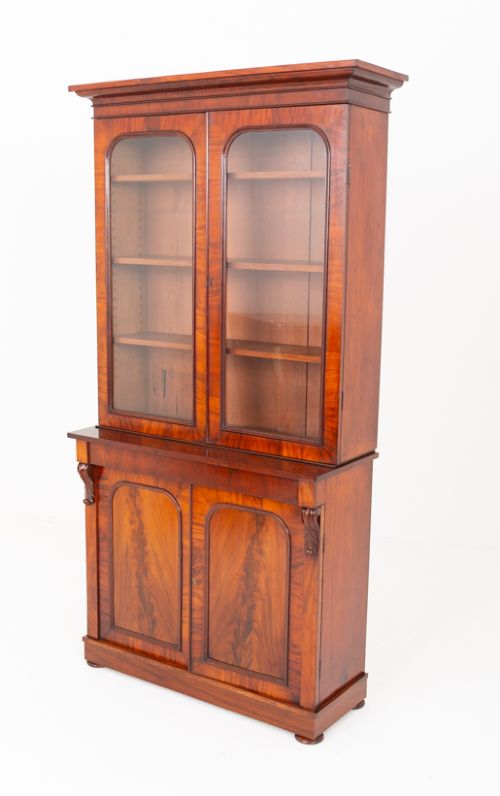
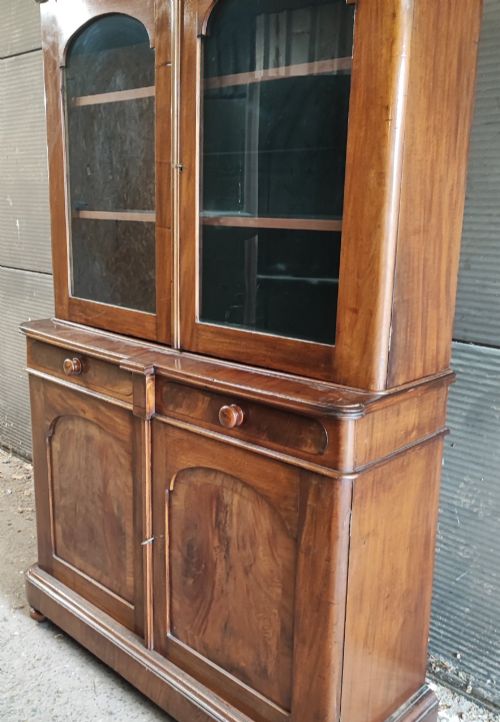
Two Door Library Cabinet
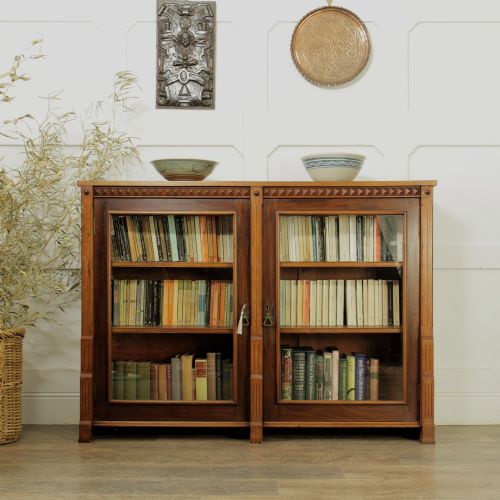
A two door library cabinet organises volumes behind glass or timber panels, offering substantial storage for serious collections.

Two Door Library Cabinet
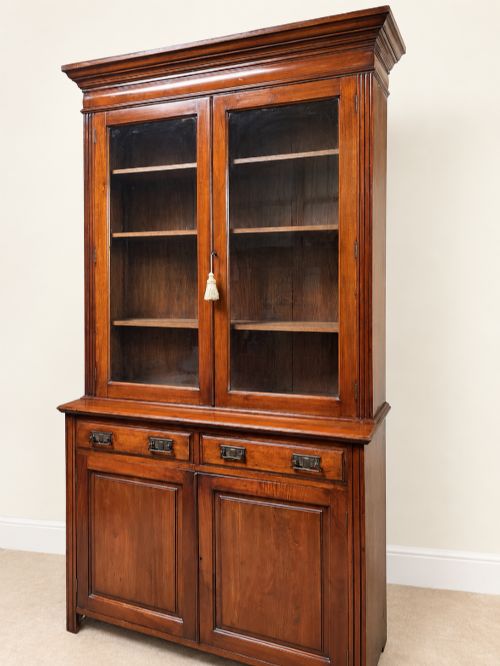
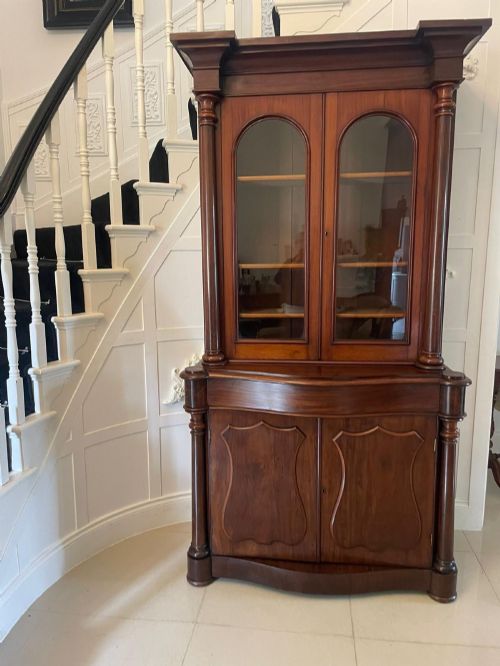
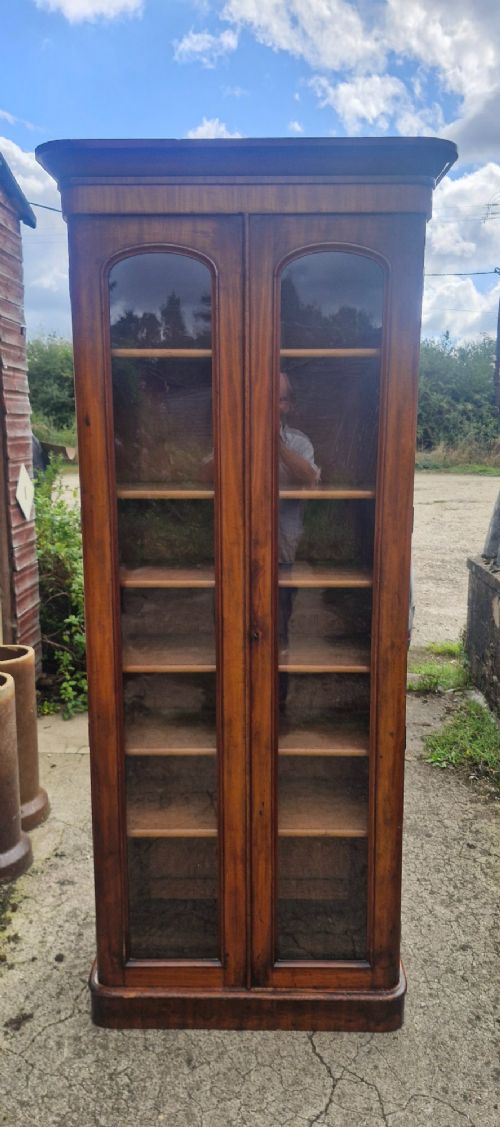
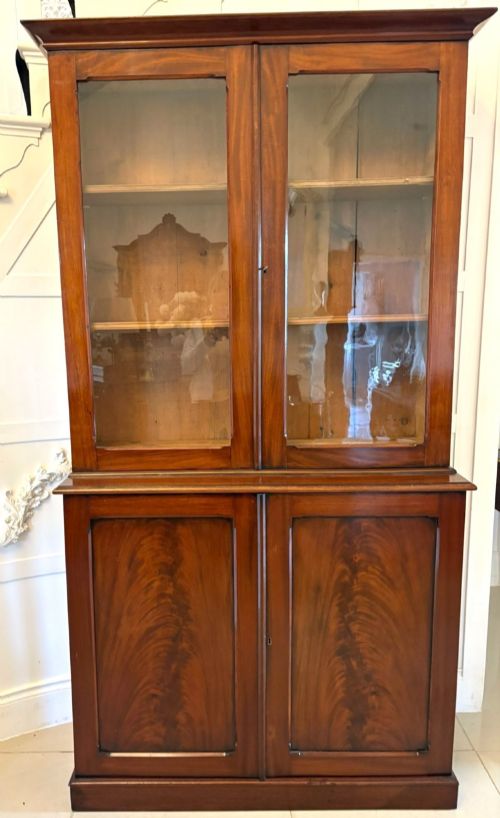
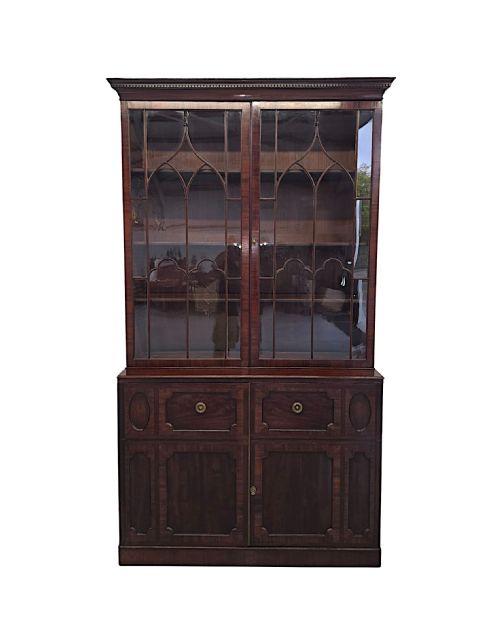
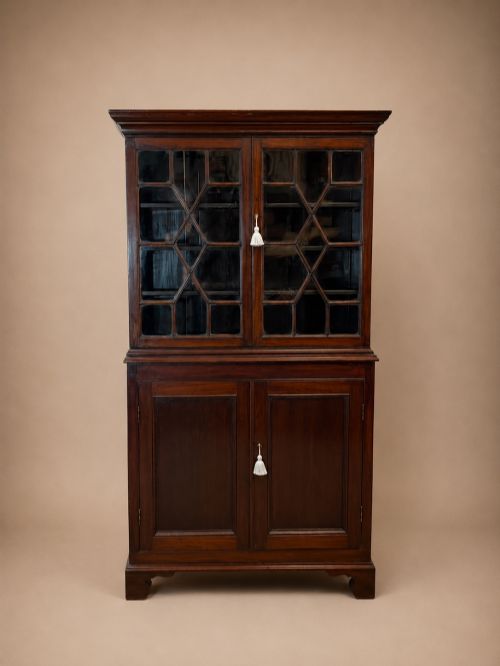
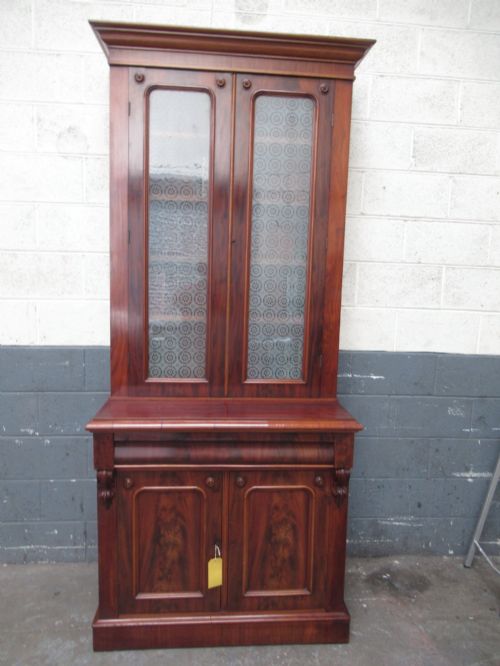
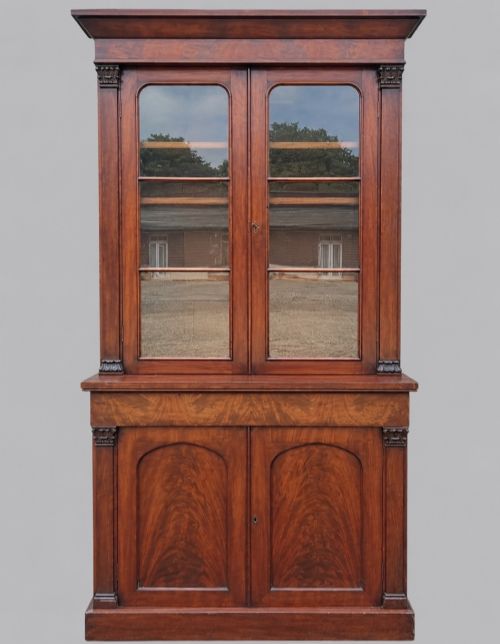
A two door library cabinet serves to house books and display bound volumes within a study or sitting room. The pieces seen here span from the Georgian and Regency periods through the Victorian and Edwardian eras up to the 1930s. The most common iteration met on this page is the Victorian mahogany bookcase, often fitted with glazed upper doors and adjustable shelves.
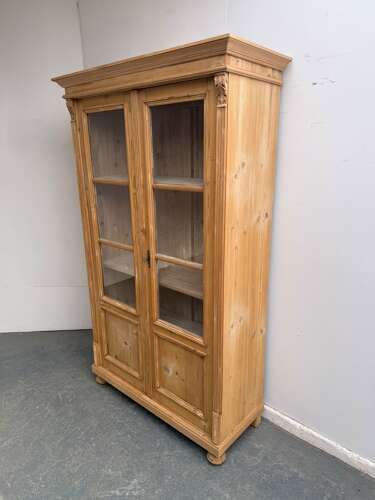
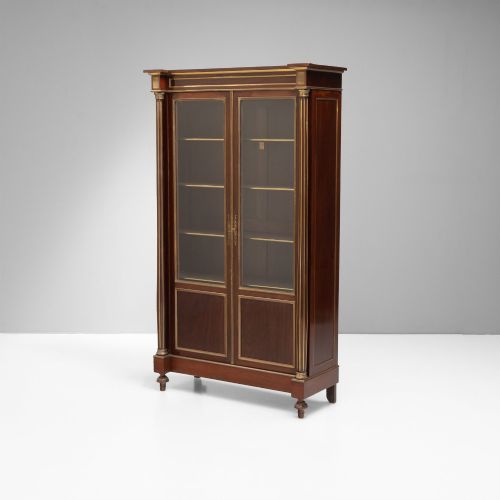
Makers and workshops of the nineteenth and early twentieth centuries built these cabinets primarily as upright storage units, sometimes combining a glazed top with a lower chest or cupboard section. Regional variations include English country pine pieces alongside formal town furniture in rosewood, oak and walnut. The object types range from tall bookcases to side cabinets and glazed display units.
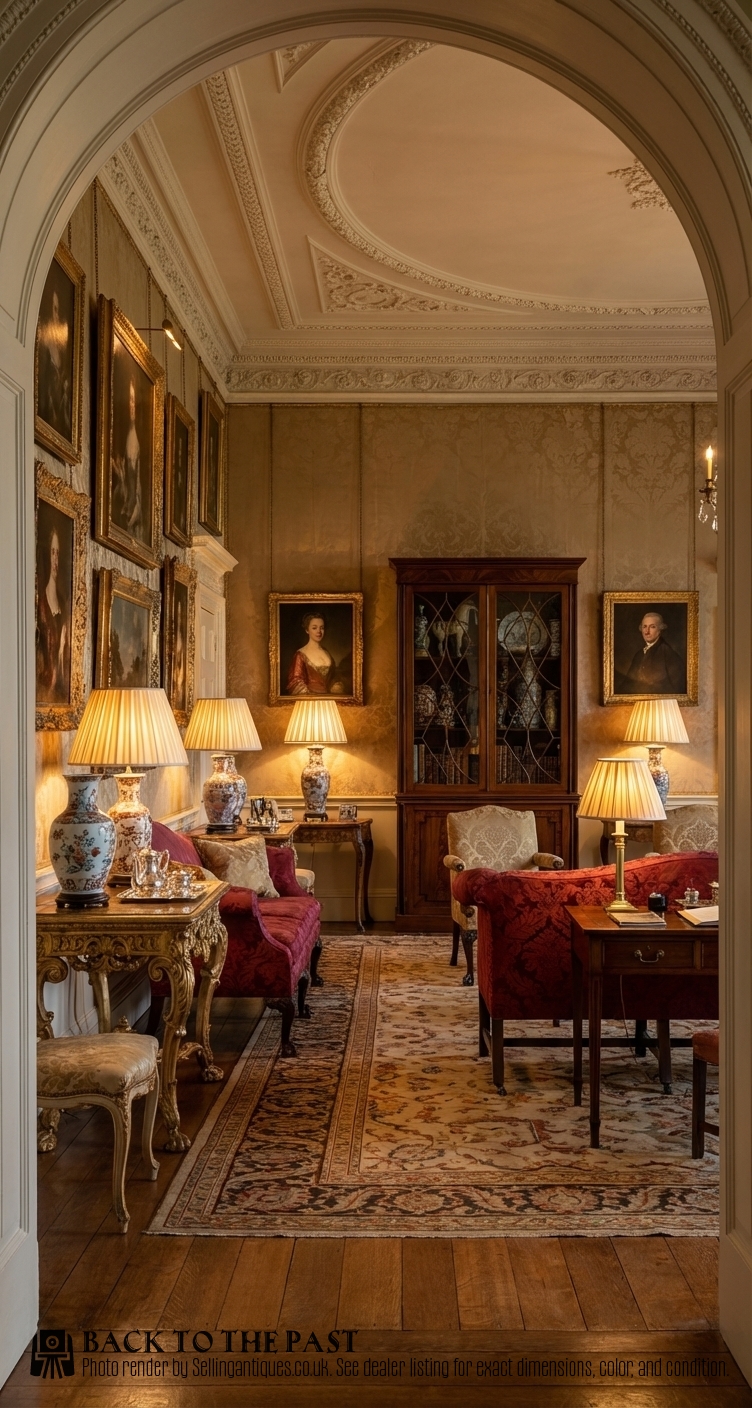
Materials and Technique
Cabinet makers relied heavily on mahogany as the primary timber, frequently employing flame mahogany veneer or figured timber for the door panels to create visual depth. Secondary materials include oak, rosewood and walnut, supplemented by brass hardware and glass panes for the doors. Pine appears in painted or waxed vernacular pieces.
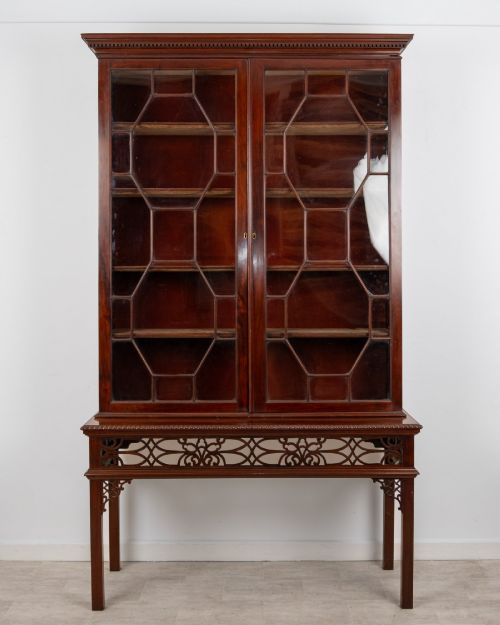
Construction techniques involve glazed framing, often with astragal bars dividing the glass, alongside adjustable internal shelving supported by wooden racks or brass studs. Many examples incorporate carved decorative elements, stands, or plinth bases, while some late nineteenth-century pieces utilise specialised mechanics such as the stacking design seen in Globe Wernicke bookcases.
Some Victorian captains enjoyed their volumes locked securely away while navigating domestic waters in sturdy standing bookcases.
Evaluating the Build
Quality rests upon the selection of timber, particularly the choice of figured or flame mahogany veneer on the doors and the weight of the solid mahogany framing. Superior examples display refined proportions, clean joinery in the door frames, and well-turned feet or crisp carving.
The integration of original glass, functional adjustable shelving mechanisms, and solid brass fittings elevates a piece above standard utility furniture. Maker attribution, such as work by Howard & Sons or Maple & Co., similarly distinguishes exceptional library cabinets from ordinary workshop production.
Howard & Sons·Maple & Co.
The Two Door Library Cabinet Glossary
- Astragal glazed
- A method of framing glass in cabinet doors using narrow wooden mouldings that divide the pane into smaller geometric sections.
- Flame mahogany veneer
- A sliced layer of timber taken from the branch junction of a mahogany tree, prized for its vivid, flickering flame pattern on cabinet doors.
- Adjustable shelves
- Internal boards that can be moved to different heights using vertical racks or peg supports, common in library bookcases.
- Three-quarter gallery
- A low raised border running around three sides of a cabinet top to prevent items from sliding off.
- Glazed top
- An upper section enclosed by glass doors designed for displaying books while protecting them from dust.
Two Door Library Cabinet: Frequently Asked Questions
What is a two door library cabinet?
A two door library cabinet is a tall or mid-height piece of furniture designed to store and display books and papers. These units typically feature glazed or panelled doors enclosing adjustable shelves for organising volumes.
Historically placed in home studies or libraries, they protected valuable bindings from dust while keeping reference materials accessible. The form ranges from formal nineteenth-century mahogany designs to simpler oak or pine versions.
How do I date a Victorian bookcase?
Dating a Victorian bookcase involves looking at timber choices, hardware, and construction methods used across the era. Earlier pieces from the mid-nineteenth century often utilise dense, dark mahogany with hand-cut dovetails and heavy plinth bases.
Later examples from the end of the century may incorporate lighter oak, machine-cut elements, or revival styles such as Jacobean or Chippendale details. Examining the backboards and interior shelving systems also helps establish the approximate decade of manufacture.
Are the shelves adjustable?
Many library cabinets on this page feature adjustable internal shelving to accommodate books of varying heights. Makers used wooden ratchets, notched vertical strips, or metal peg holes inside the cabinet carcase.
This adaptability allowed owners to reconfigure the interior space as their collections grew or changed. Original shelving hardware remains an indicator of the piece's period and craftsmanship.
How do I care for mahogany furniture?
Mahogany furniture requires stable indoor humidity levels and protection from direct sunlight to prevent the timber from fading or splitting. Regular dusting with a soft, dry cloth maintains the polished surface without the need for heavy silicones.
Occasional applications of traditional beeswax nourish the grain and preserve the deep reddish-brown tone characteristic of nineteenth-century cabinet work. Keeping the wood away from direct heat sources ensures the veneers remain secure.