
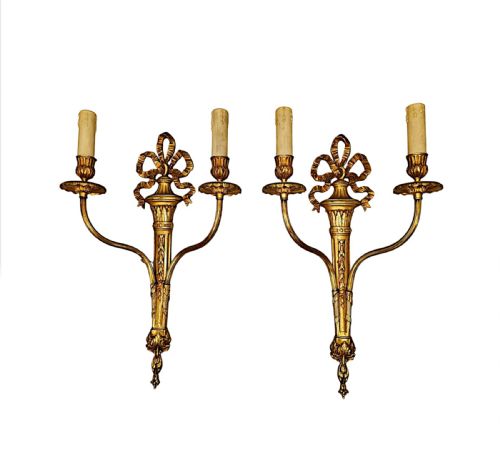
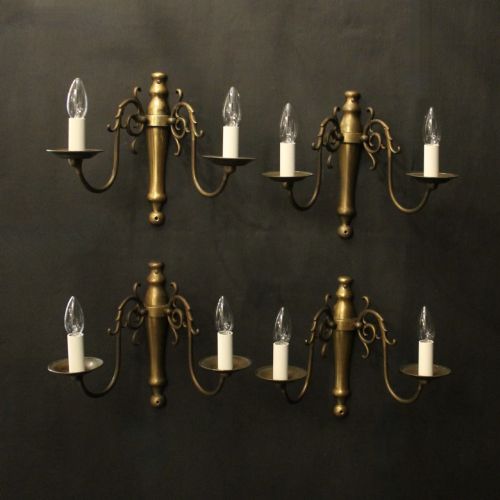
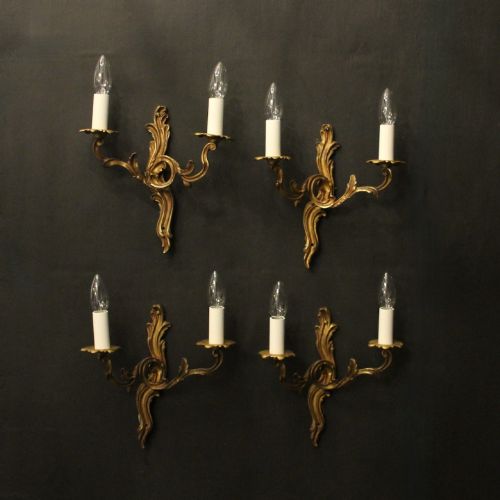
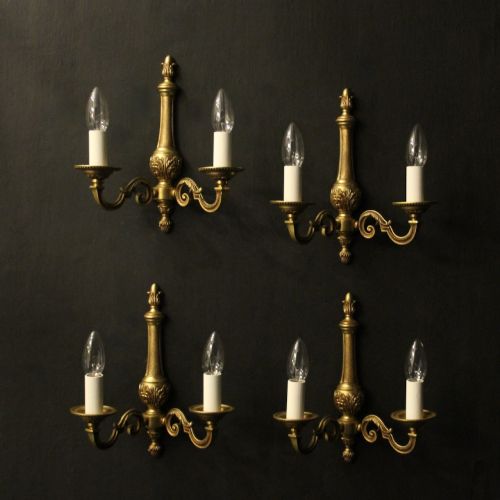
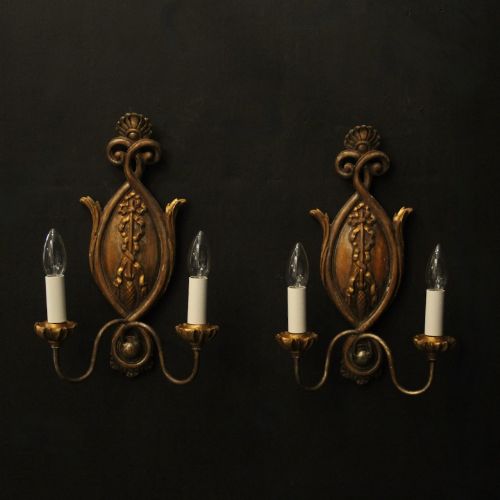
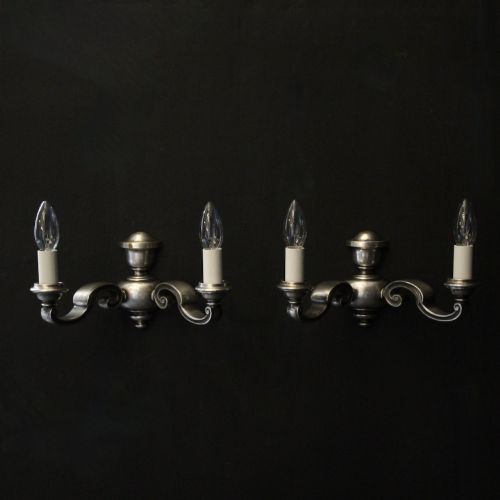
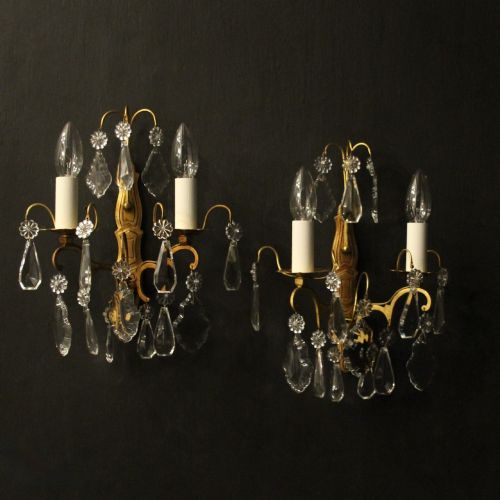
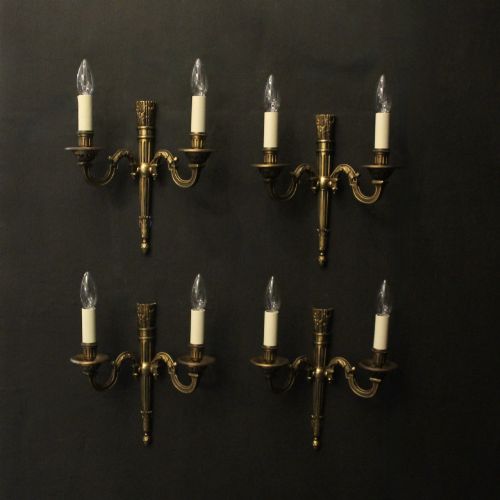
Twin Arm Wall Sconces
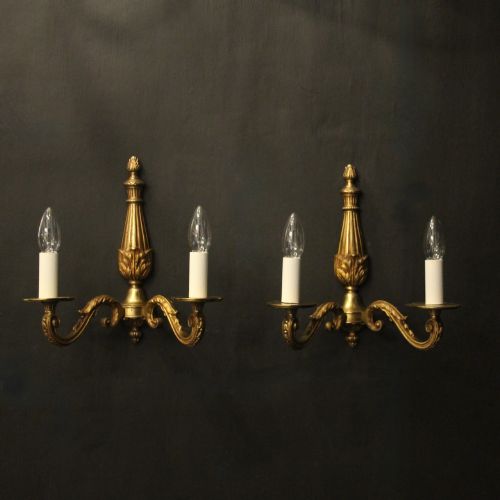
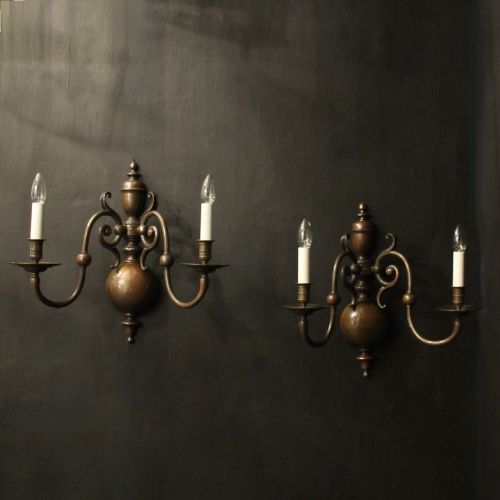
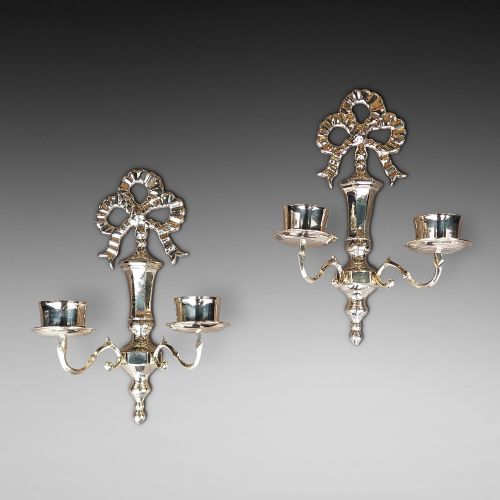
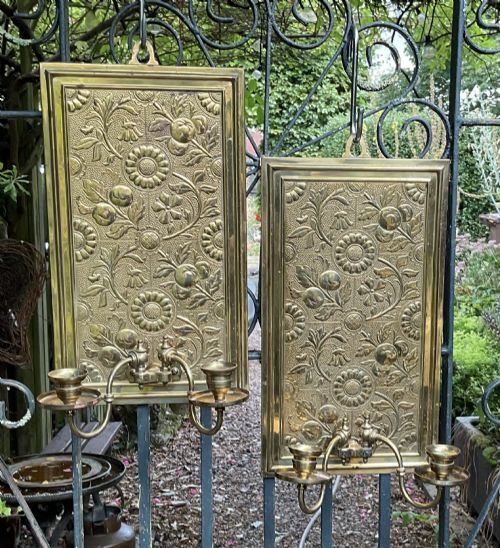
Twin arm wall sconces project balanced illumination from vertical surfaces using dual branches forged from brass, bronze, and giltwood.
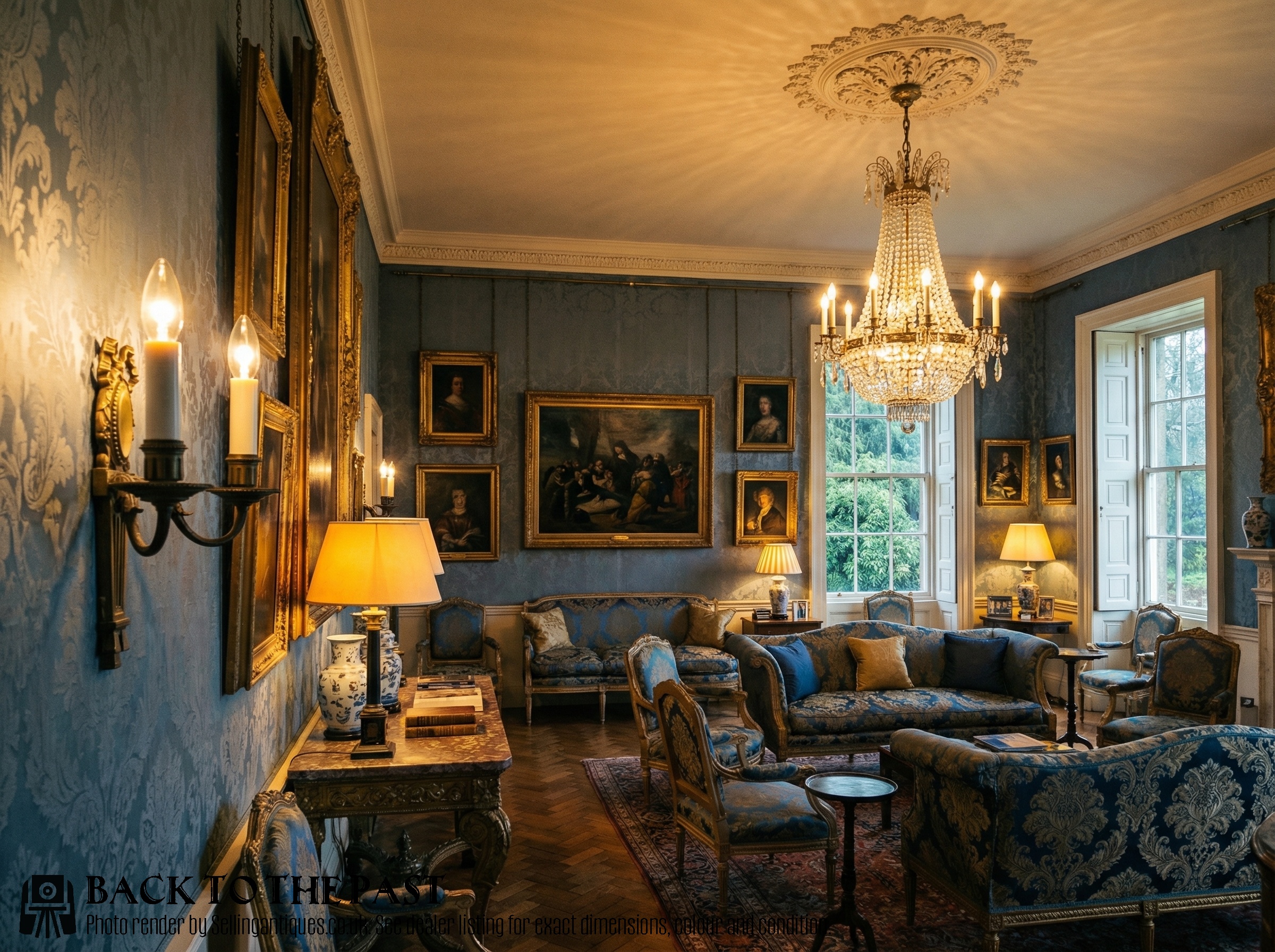
Twin Arm Wall Sconces
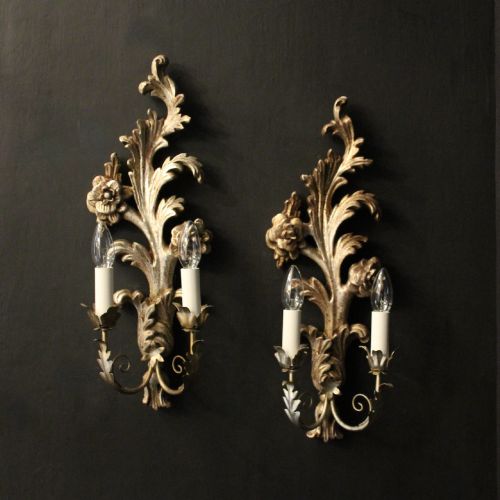
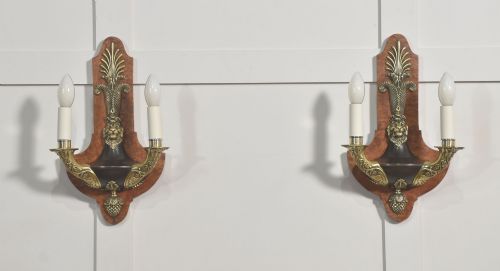
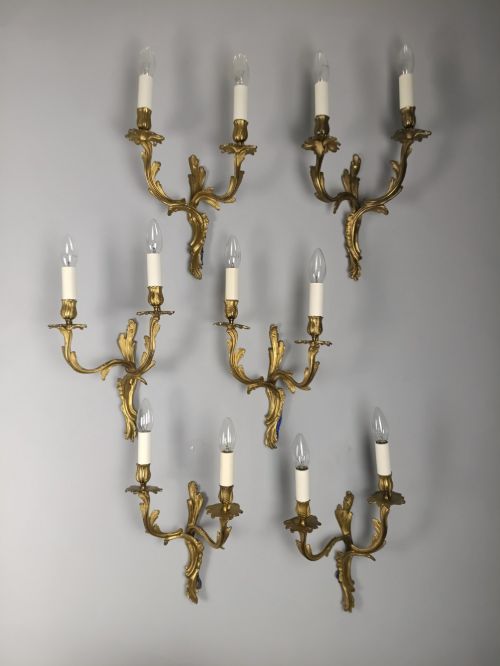
The selections span the Victorian era, the Edwardian period, and the early decades of the twentieth century up to 1930. French workshops dominate the forms with elaborate Rococo and Neoclassical motifs alongside English brass and Florentine giltwood creations.
Most items appear as matched pairs, though sets of three, four, or six pieces frequently emerge alongside single survivors. Girandoles and wall lights with candle or electric fittings represent the primary functional formats.
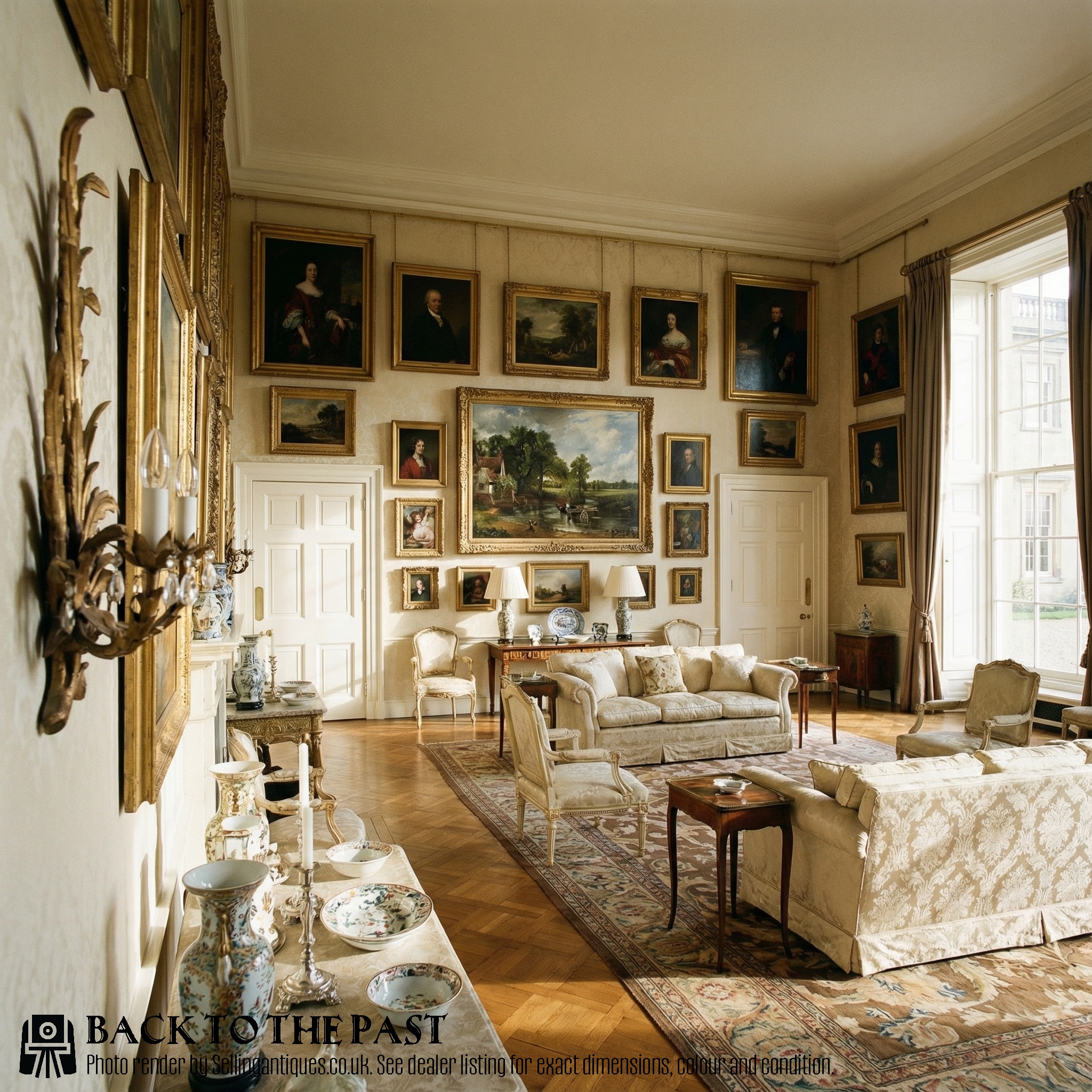
How they were made
Foundry workers cast metal components using brass, bronze, and ormolu, applying manual chasing to sharpen surface details and cast profiles. Gilded finishes rely on gold leaf applied over gesso on carved wooden bodies or directly onto treated metal surfaces.
Joinery methods combine threaded metal rods, pins, and structural screws to secure the dual branches to the backplate. Wood carvers shaped Florentine and Edwardian examples from timber bases before applying silver or gold gilt layers.
Twin Arm Wall Sconces Retail Price Guide 2026
Typical asking prices for twin arm wall sconces among the pieces listed under this phrase on Sellingantiques today, from the lower quarter to the upper quarter. They describe what is for sale here now, not the wider market.
Listings feature items spanning the Victorian era, Edwardian period, and the 1920s to 1930.
What varies in quality
Depth of cast definition distinguishes superior metalwork from flat commercial castings, particularly on Rococo scrollwork and Neoclassical ribbons. Heavy bronze and cast brass plates maintain structural rigidity along the mounting surface compared to lighter stamped alternatives.
Integrity of the surface gilding separates well-preserved examples from worn or heavily restored pieces. Original patination on unlacquered brass and bronze indicates age and minimal chemical intervention.
Bruce Talbert·Casier
The Twin Arm Wall Sconces Glossary
- Ormolu
- Gilded bronze produced through mercury amalgamation or modern electroplating techniques. This finish provides a bright golden surface popular on French decorative hardware.
- Girandole
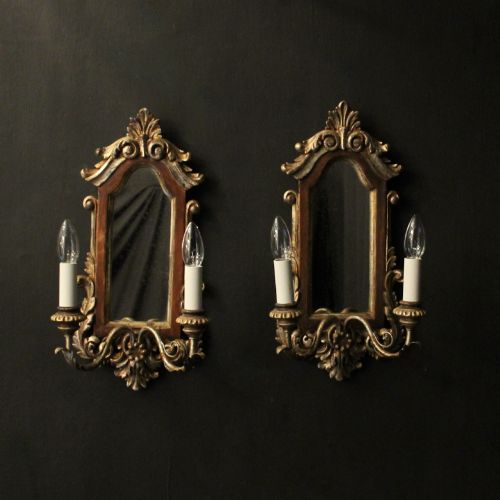
- A branched wall sconce featuring reflective glass or mirror elements behind the arms. These fixtures amplify candle or electric illumination within a room.
- Giltwood
- Timber carved and coated with thin gold leaf sheets over a prepared gesso ground. It appears frequently on Florentine and continental wall lights.
- Backplate
- The flat or shaped structural metal or wooden plate that fastens the sconce assembly to the wall. It distributes the weight of the dual branches.
- Chasing
- Hand-tooling applied to metal castings after removal from the mould to refine textures and edges. This process separates masterwork bronzes from standard production pieces.
Twin Arm Wall Sconces: Frequently Asked Questions
What distinguishes Rococo twin arm wall sconces?
Rococo examples display asymmetrical scrollwork, C-scrolls, acanthus foliage, and organic shell motifs cast in bronze or brass. French ateliers popularised this ornate style during the nineteenth and early twentieth centuries.
Neoclassical alternatives contrast with symmetrical urns, ribbons, and geometric swags. Both styles maintain dual branches extending from a central backplate.
Are these wall lights wired for electricity?
Many surviving pieces arrive rewired for modern electrical standards while retaining their original candle drip pans and sconce structure. Some examples preserve purely decorative candle sockets or require professional electrical adaptation.
Wiring paths typically run through the hollow arms or behind the backplate. Buyers should inspect internal components for rewiring status prior to installation.
How do you date a brass wall sconce?
Dating relies on material composition, casting weight, fastener types, and stylistic indicators such as Edwardian proportions or Victorian Gothic revival motifs. Nineteenth-century pieces utilise heavier cast bronze and hand-threaded components.
Twentieth-century production from 1920 and 1930 shows standardised fittings and distinct French regional styling. Reference to period design revivals helps narrow the manufacture window.