

Twentieth Century Landscape
Twentieth century landscape works capture rural and urban vistas through the lens of changing modern movements and traditional observation.
Twentieth Century Landscape
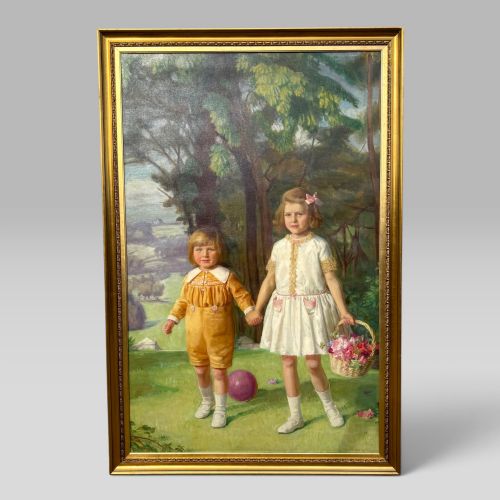
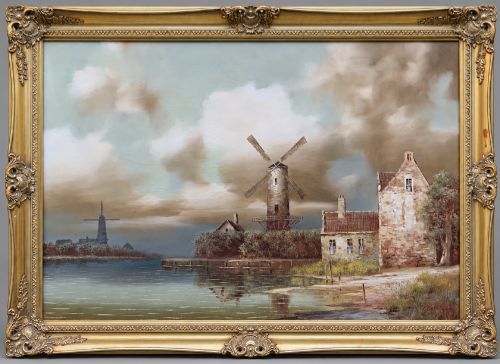
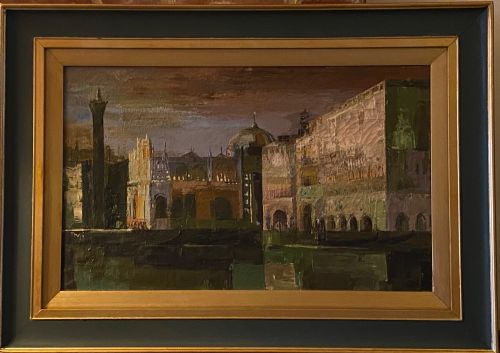
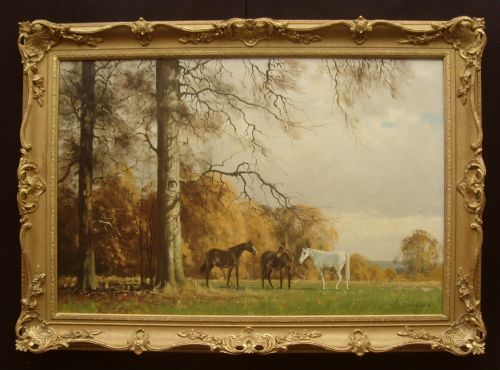
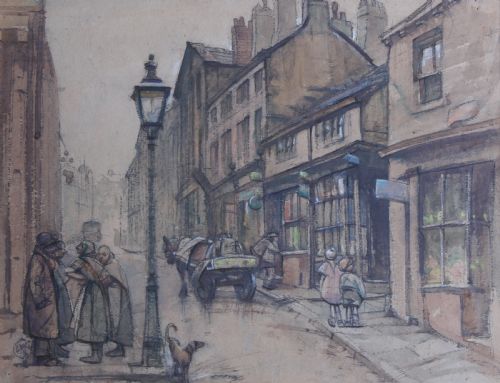
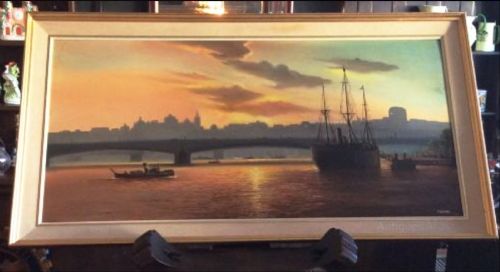
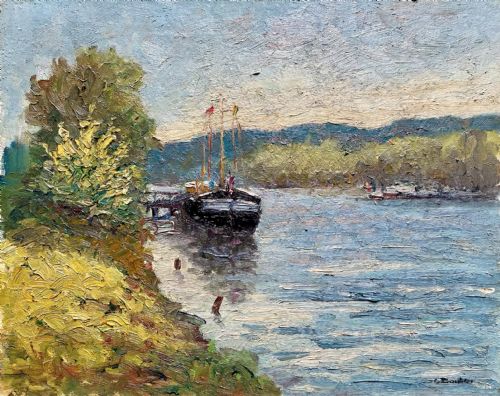
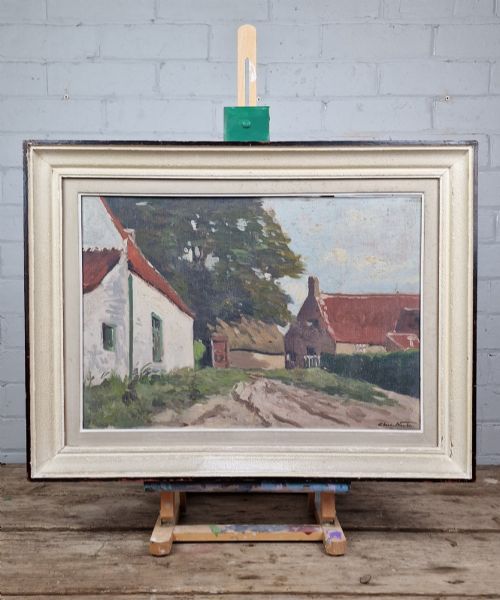
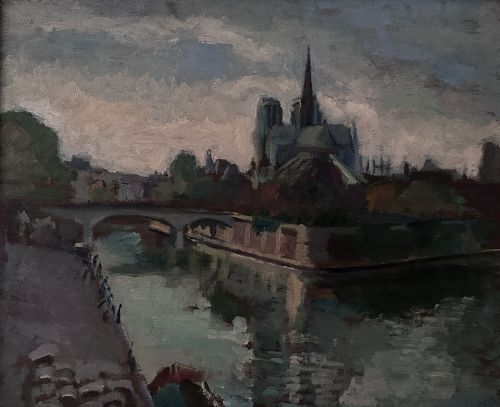
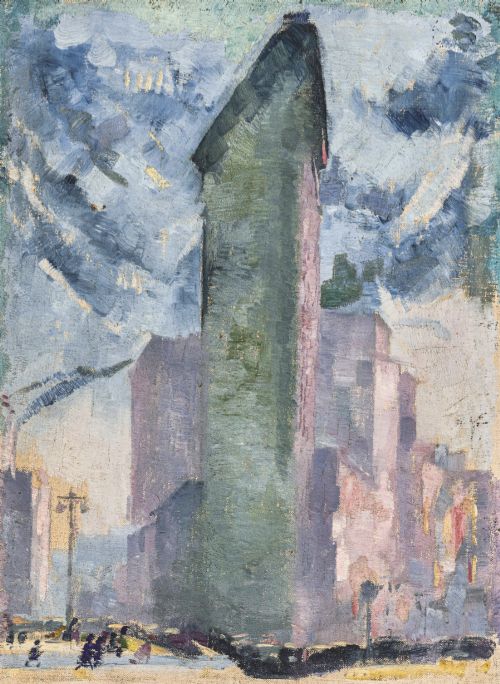
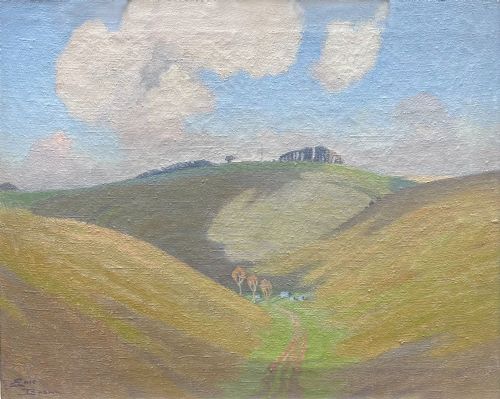
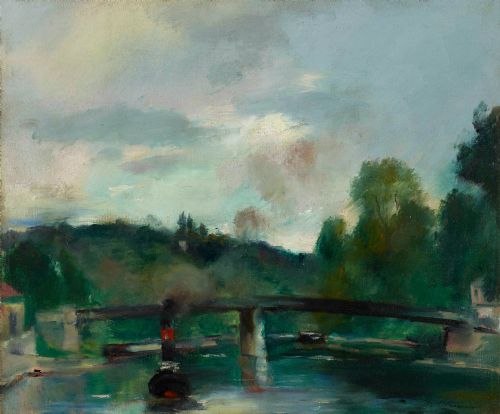
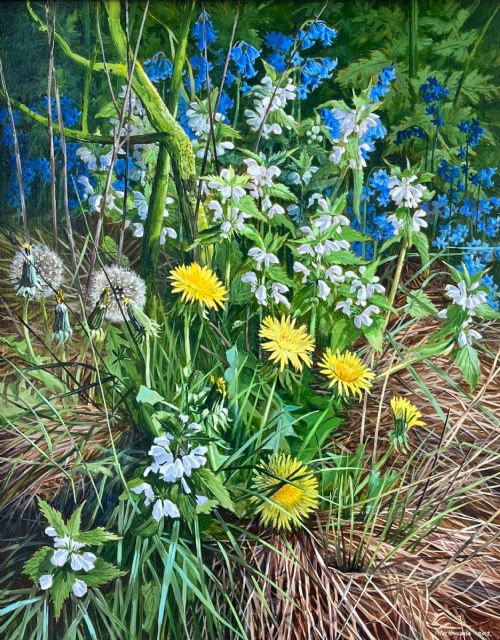
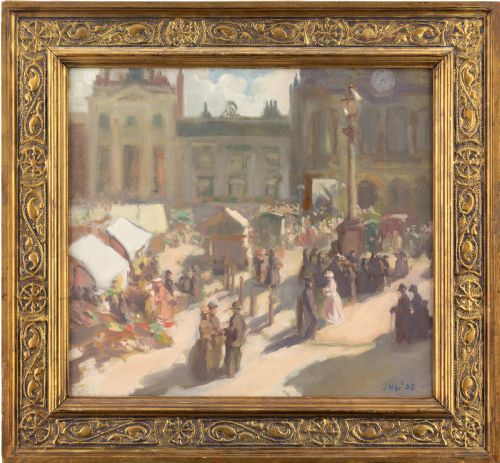
A twentieth century landscape encompasses painted and drawn views of natural and built environments originating from the decades spanning the nineteen-hundreds through to the nineteen-sixties. Buyers encounter coastal scenes, urban rivers, quiet farmyards, and market squares executed by British and European painters.
Oil paint on canvas, board, or wood panel dominates the selections alongside delicate watercolours on paper and occasional posters. These works range from Edwardian watercolours and Impressionist harbour views to Post-Impressionist rural scenes and mid-century topographical paintings.
How they were made
Artists applied oil paint or watercolour onto prepared canvases, wooden panels, or heavy paper sheets using traditional brushes and sketching implements. Many works show direct application en plein air to capture immediate light and weather effects.
Framing often involves period wood mouldings, including burr frames, which enclose the canvas or paper support alongside protective glass for works on paper.
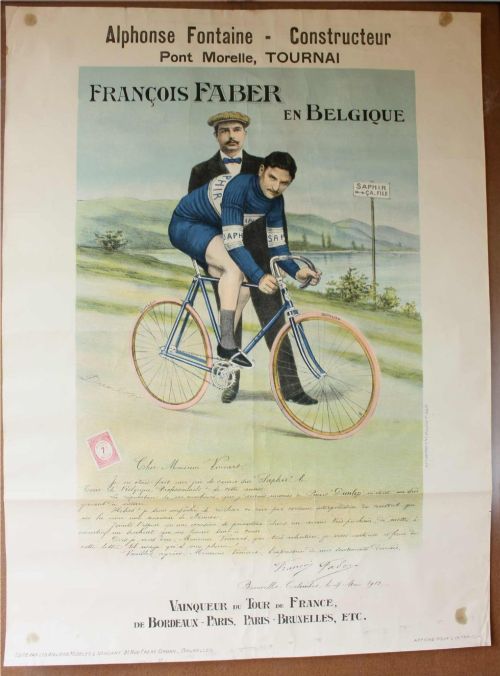
Cattle grazing peacefully in burr-framed watercolours share gallery space with bustling industrial bridges and bicycle tire posters.
What varies in quality
The strength of the composition and the confidence of the brushwork set individual pieces apart, distinguishing hasty sketches from resolved, deeply observed works. Tonal harmony and the artist's ability to convey atmospheric light dictate the visual impact of a painted scene.
The provenance and documented association with recognised regional groups, such as the Newlyn school or St Ives artists, add historical weight and contextual clarity to the physical object.
Clifford Hanney·Charles Houben·Alfred Wolmark·Henri Ottmann·Herbert Royle·Paul-Élie Gernez·Gabriel Dauchot·Fred Lawson·Robert Leslie Howey·Merio Ameglio·Donald McIntyre·William Grant Murray·Cecil R. Doyly-John·Helmut Reuter·Ernest F. Hill·Berthe des Clayes·Frank Wood·Owen Bowen
The Twentieth Century Landscape Glossary
- Canvas
- A heavy woven fabric stretched across a wooden frame to serve as a support for oil painting. It provides a textured surface that interacts with the applied pigment.
- Watercolour
- A paint consisting of pigment suspended in a water-based solution, applied to paper to achieve translucent washes of colour.
- Post-Impressionism
- An artistic movement following Impressionism that rejected its naturalism in favour of more expressive use of form and colour.
- Board
- A rigid flat sheet of wood or composite material used as an alternative to canvas for oil painting.
- Marine art
- Depictions of the sea, ships, coastal views, and maritime activities executed in various painting media.
Twentieth Century Landscape: Frequently Asked Questions
What styles define twentieth century landscape paintings?
These works incorporate British Impressionism, Post-Impressionism, Edwardian approaches, and Modern British movements. Artists utilised these diverse visual languages to interpret rural countryside, industrial rivers, and coastal harbours.
Techniques range from loose, expressive brushstrokes seen in Post-Impressionist canvases to the precise observation found in Edwardian watercolours.
Where were these landscape artists active?
Makers worked across Britain and continental Europe, recording specific locations from Yorkshire and Cornwall to the banks of the Seine and Venice. Regional groups like the Newlyn school centered their practice on distinct coastal environments.
Such topographical specificity grounds each artwork in a distinct geographical and cultural setting.
How should I display oil paintings on wood panel?
Oil paintings on wood panels benefit from stable indoor environments away from direct heat sources and dramatic humidity fluctuations. The rigid wooden support requires careful handling to prevent warping over time.
Appropriate framing protects the edges of the panel and secures the work safely within its display setting.
How do I distinguish watercolours from oil paintings?
Watercolours utilise translucent washes on paper substrates and generally require protective glass framing. Oil paintings feature heavier pigment layers on canvas, board, or wood panels and remain unglazed.
Examining the surface texture under adequate light reveals the distinct properties of paint and paper or canvas support.