

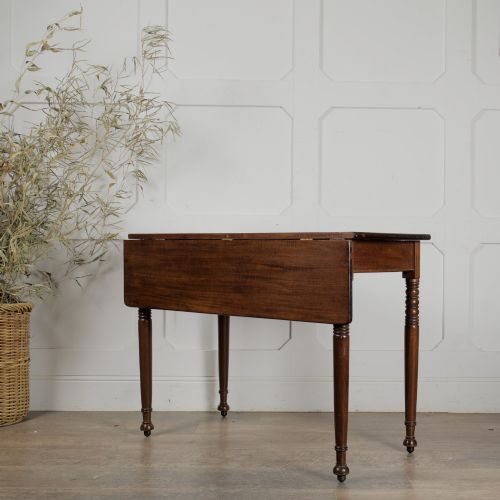
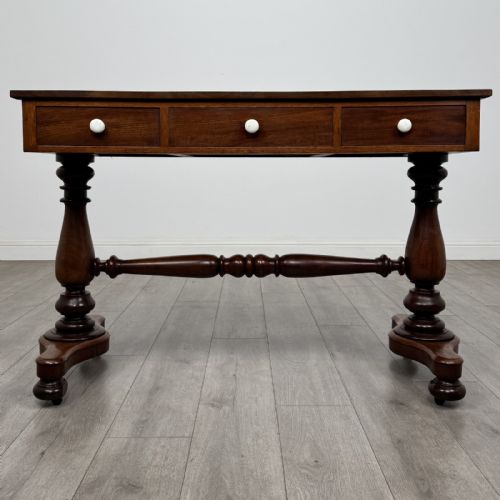
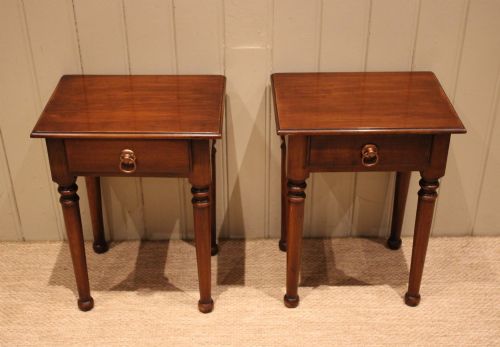
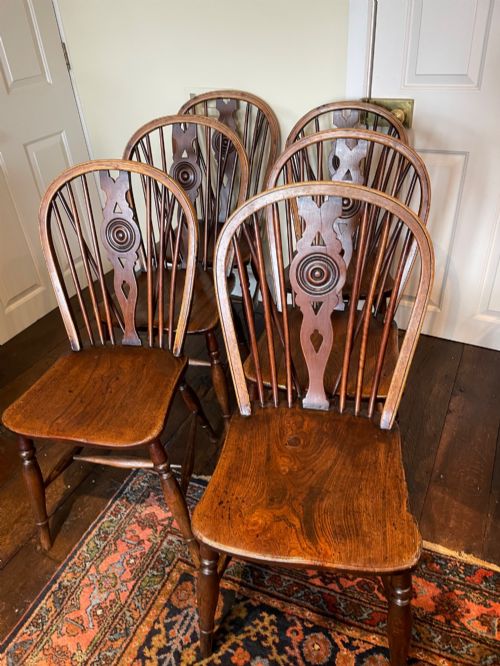
Turned Wood Legs
Turned wood legs provide structural support and distinct profile character to tables, chairs, and desks across multiple historical periods.
Turned Wood Legs
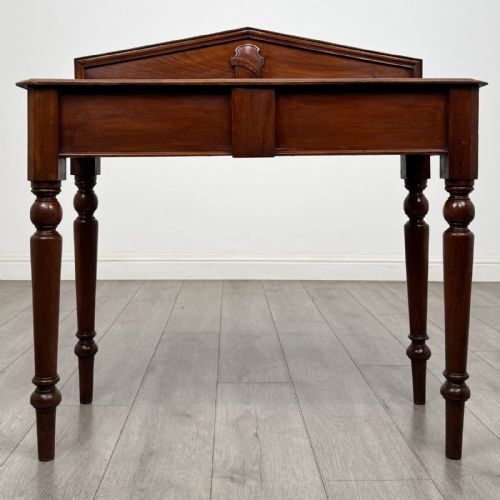
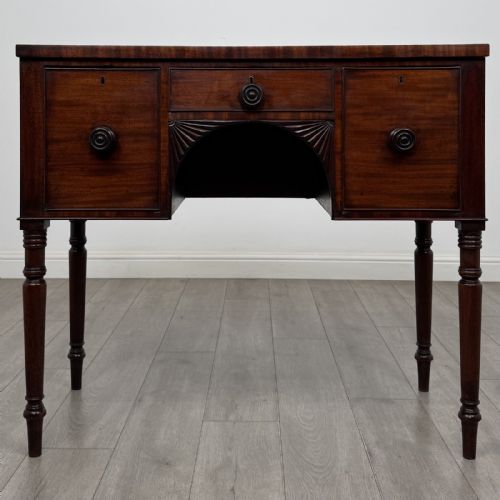
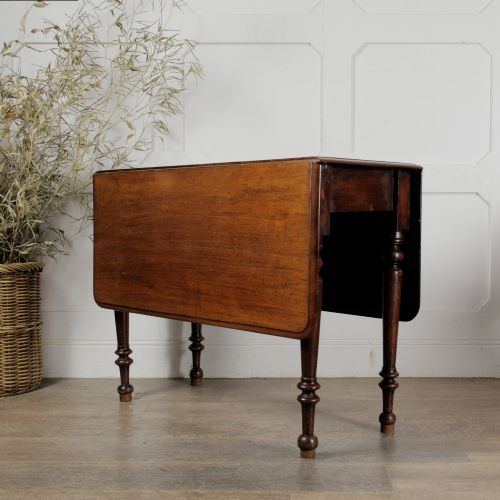
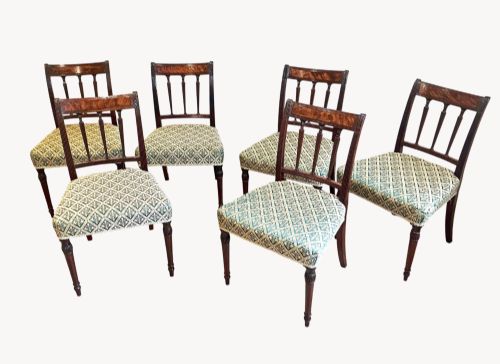
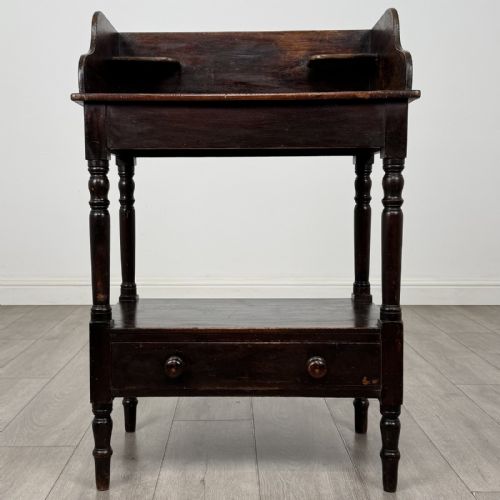
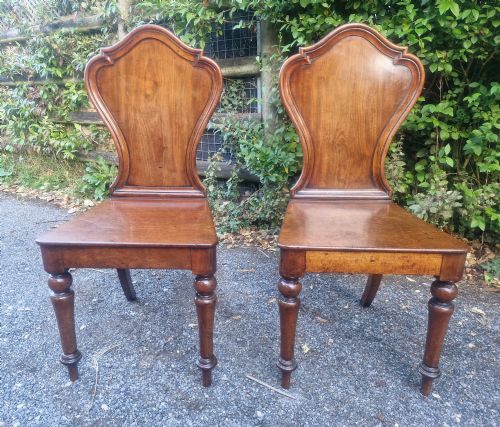
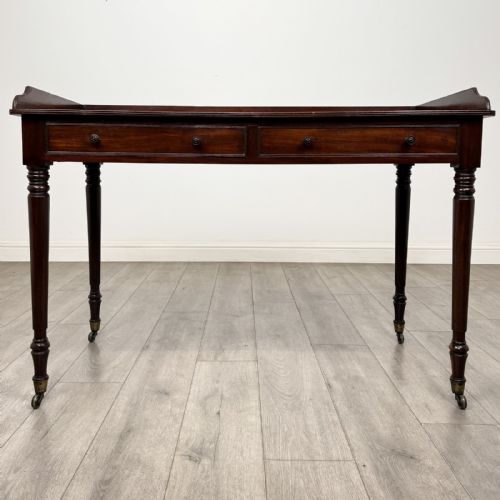
Turned wood legs support a wide variety of furniture including side tables, dining chairs, desks, and armchairs found across this selection. The most common forms on this page include mahogany dining tables, oak side tables, and occasional tripod tables fitted with shaped supports.
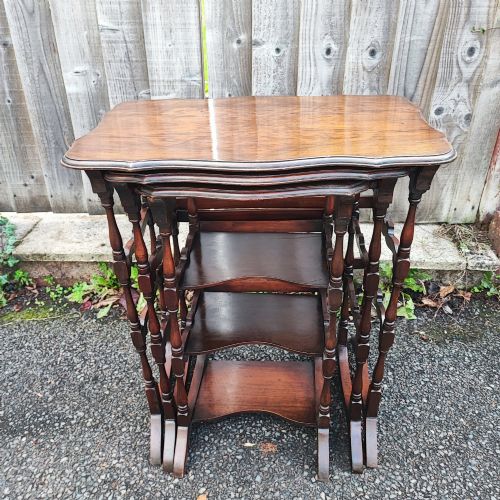
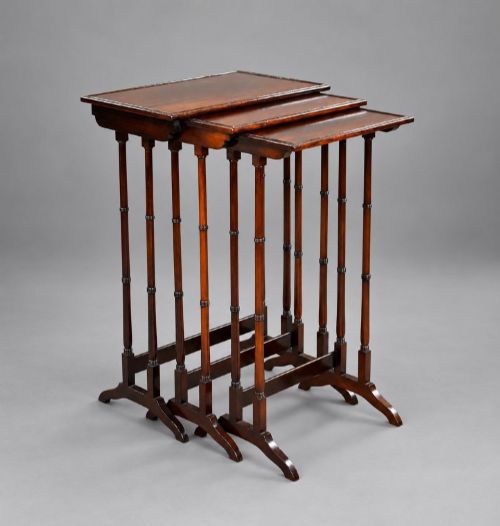
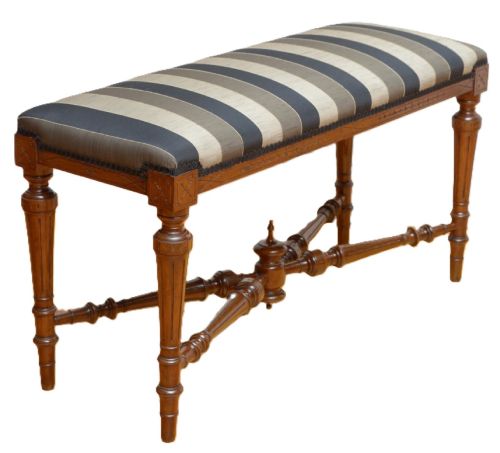
Examples span several centuries, with pieces originating from the 18th century, Georgian, Regency, and Victorian periods, alongside Edwardian and later 1920 items. Makers utilised these shaped supports on practical household furnishings like writing tables, benches, and nests of tables.
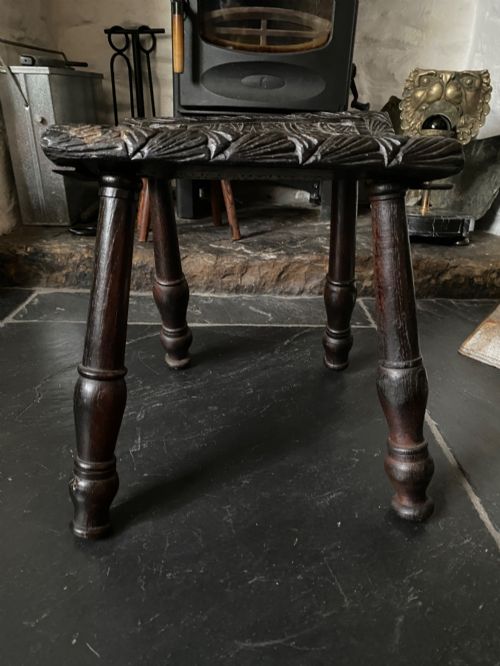
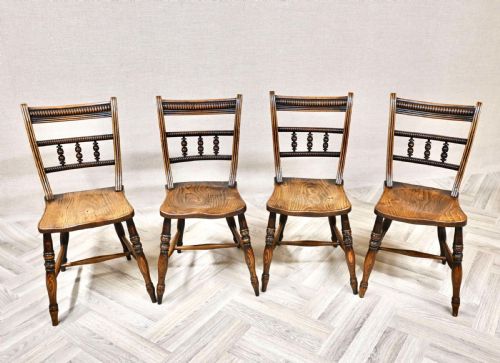
The design of these legs ranges from simple cylindrical and baluster shapes to more intricate bobbin turnings and tripod configurations. These structural elements define the silhouette of English country furniture, French provincial seating, and formal mahogany pieces alike.
Materials and Construction
Cabinet makers and joiners turned timber on a lathe to create symmetrical legs from dense hardwoods such as mahogany, oak, beech, elm, and fruitwood. These timbers provided the necessary strength for supporting heavy pieces like refectory dining tables, chests of drawers, and extending tables.
Secondary materials such as brass often appear as castors fitted to the base of table legs, while fabric upholstery is utilised on armchairs, slipper chairs, and sofas. Construction techniques combined turned components with traditional joinery to ensure stability across side cabinets, work tables, and desks.
Turned Wood Legs Retail Price Guide 2026
Typical asking prices for turned wood legs among the pieces listed under this phrase on Sellingantiques today, from the lower quarter to the upper quarter. They describe what is for sale here now, not the wider market.
Listings feature mahogany, oak, beech, elm, brass, and fabric across Victorian, Edwardian, Georgian, and 1920 periods.
Assessing Quality and Execution
The quality of turned wood legs rests upon the precision of the lathe work and the selection of figured timber, such as Cuban mahogany or well-grained oak. Superior pieces display crisp definition in the mouldings and baluster profiles without splitting or excessive wear to the wood.
Proportion and balance dictate the overall success of the piece, where the weight of the table top or chair frame corresponds harmoniously with the thickness of the legs. Higher grade examples maintain structural integrity through careful timber seasoning and robust joinery connecting the legs to the apron or stretcher.
Miles & Edwards
The Turned Wood Legs Glossary
- Baluster turned
- A leg shape that swells gently in the lower portion, resembling a small architectural column. This form appears frequently on 19th-century side cabinets and tables.
- Tripod table
- A small occasional or tea table supported by a central turned pillar resting on three legs. These versatile pieces date from the 18th century onwards.
- Refectory table
- A large dining table characterised by long rectangular boards supported by heavy legs and stretcher rails. Examples in oak are seen from the early 20th century.
- Stretcher
- A horizontal wooden bar connecting the legs of a table or chair for added stability. These components frequently feature simple turning to match the primary leg supports.
Turned Wood Legs: Frequently Asked Questions
What periods do these pieces date from?
The selection includes items spanning from the 18th century and Georgian eras through to the Victorian, Edwardian, and 1920 periods. Cabinet makers across these centuries utilised turned wooden supports on everything from formal writing desks to country stools.
Each era brought distinct turning styles, ranging from the restrained lines of Regency pieces to the decorative bobbin and baluster shapes popular during the Victorian and Edwardian decades.
Which woods were used for these legs?
Makers selected timbers based on availability and the desired finish, frequently employing mahogany, oak, beech, elm, fruitwood, and yew. Hardwoods like mahogany and oak predominate in formal dining tables and desks.
Softer or more accessible woods such as beech and elm appear often in regional country seating, work tables, and provincial chairs alongside occasional fruitwood examples.
How do I care for antique turned wood?
Maintain the timber by keeping pieces away from direct heat sources and sudden humidity changes that can cause the wood to split. Regular dusting with a soft, dry cloth preserves the finish of the turned surfaces.
Apply a traditional beeswax polish sparingly when the wood appears dry, buffing gently to maintain the natural lustre of the mahogany, oak, or fruitwood.
What furniture types feature these legs?
Turned supports appear on a diverse array of domestic items including dining tables, side tables, writing desks, and nests of tables. They also provide the structural foundation for armchairs, dining chairs, benches, and work tables.
From grand refectory tables to small pot cupboards and chests of drawers, the turned leg serves both a functional and decorative purpose across all forms.