
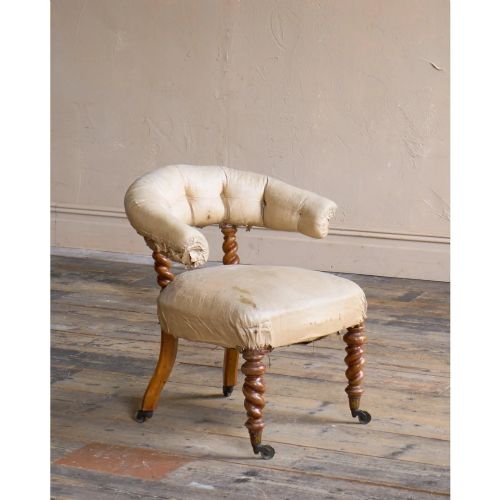
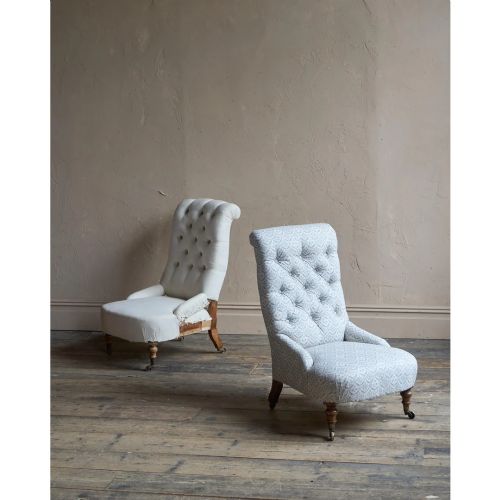
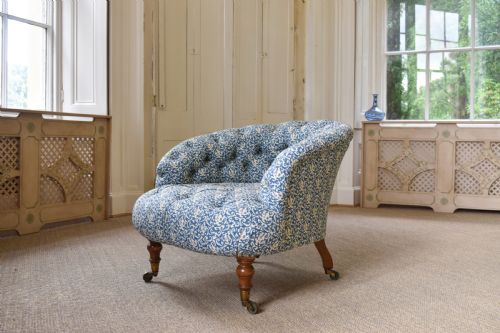
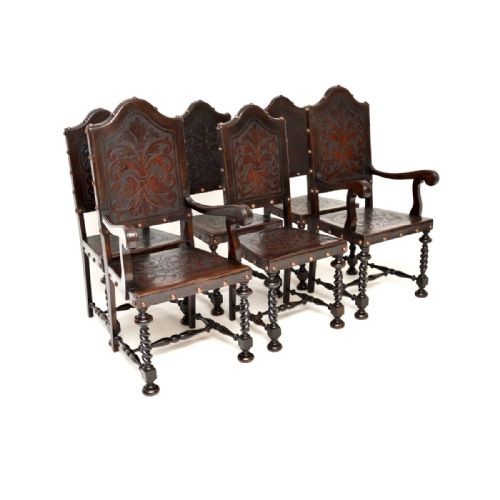
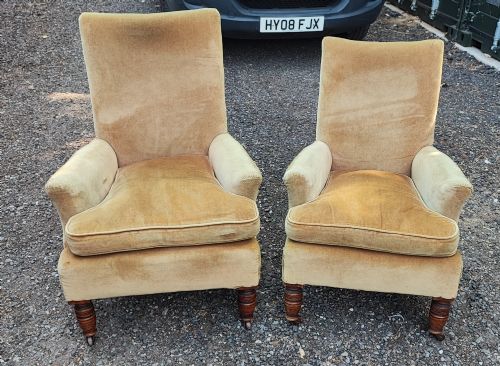
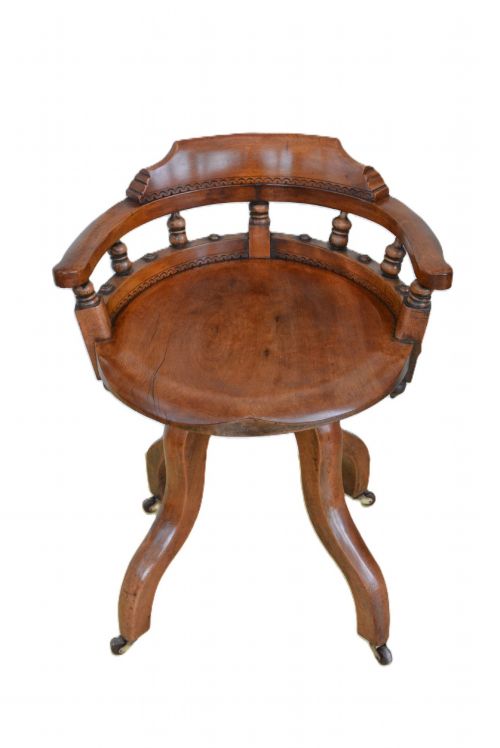


Turned Walnut Armchair
A turned walnut armchair brings tactile warmth and historic timber grain to a room, offering deep-seated comfort built on centuries of joinery traditions.
Turned Walnut Armchair
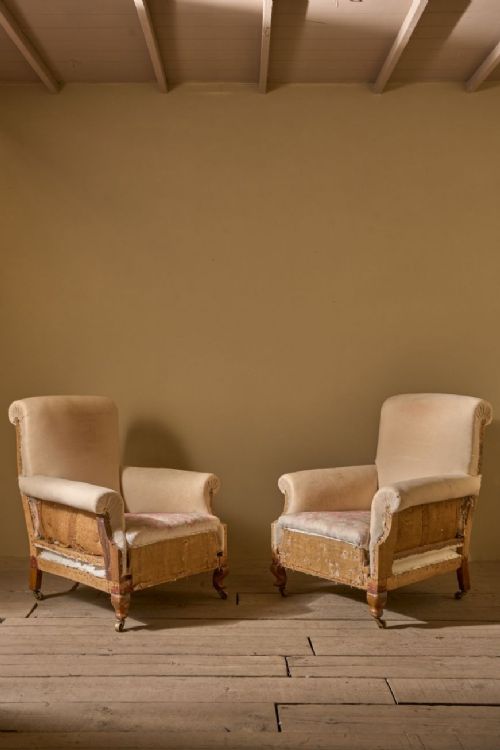
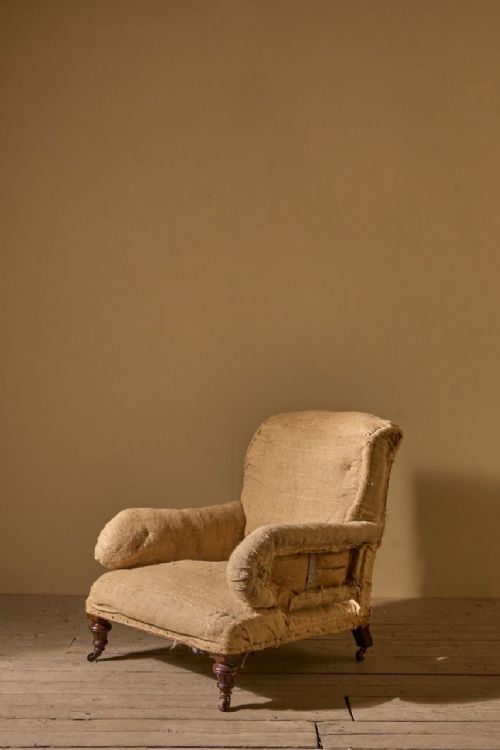
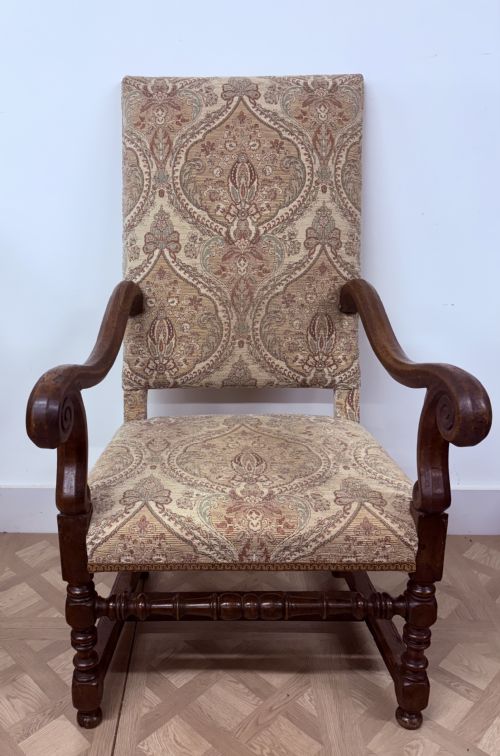
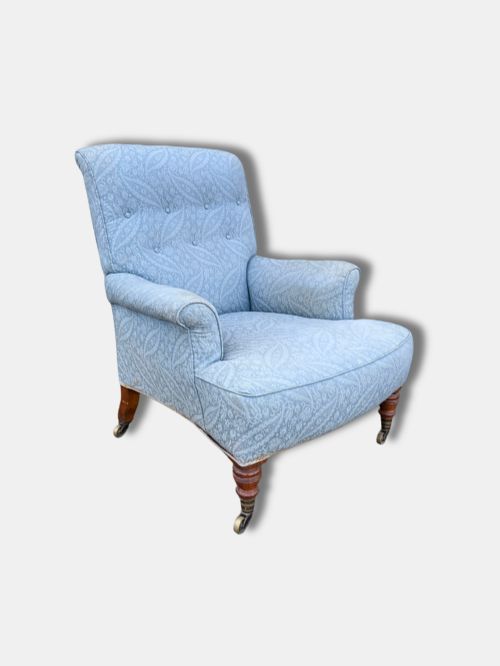
A turned walnut armchair is a seating form defined by its visible lathe-turned wooden framing and dense walnut construction, spanning centuries of craftsmanship from the seventeenth century through the Edwardian era. You will encounter various stylistic interpretations on this page, ranging from early French and Portuguese baroque models to nineteenth-century library chairs and later nineteenth-century pieces produced in the manner of Howard and Sons.
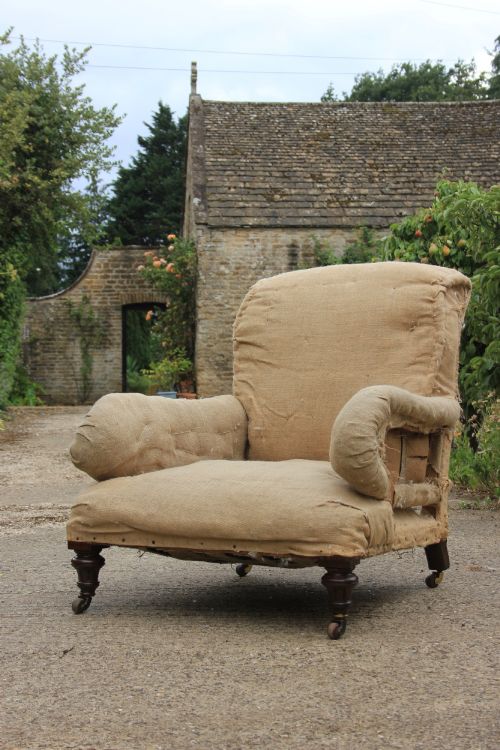
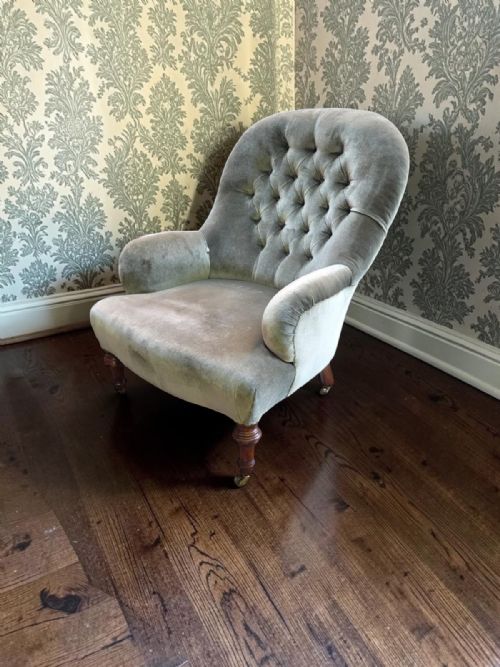
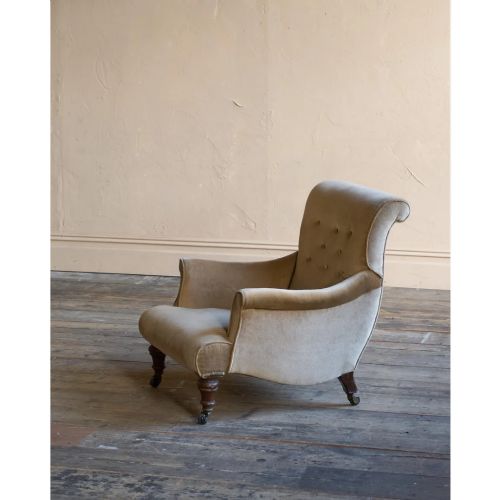
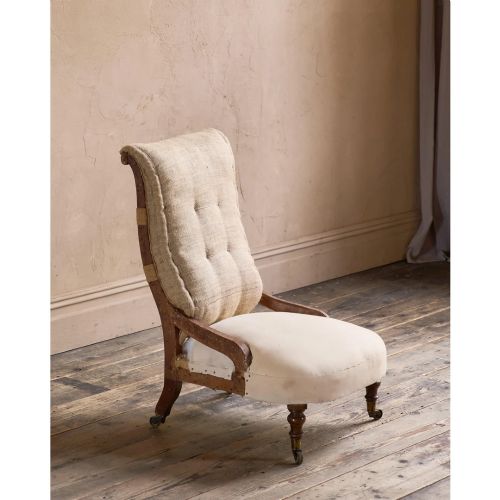
The selection here encompasses specific regional outputs and distinct forms, including low salon chairs, deep club armchairs, office swivellers, and dining variants. Many examples utilise traditional upholstery in velvet, hessian, calico, or leather, while others display exposed timber frames with carved or bobbin-turned details.
How they were made
Makers utilised solid walnut for its strength, rich grain, and suitability for precision lathe turning, shaping spindles, legs, and stretchers into bobbin, fluted, or spool profiles. Frames were assembled using traditional joinery methods before being integrated with supportive stuffing materials.
Upholstered versions relied on traditional stuffing techniques using materials like calico, hessian, and velvet, often finished with button backs or exposed nail-heads. Frames frequently incorporated secondary woods alongside primary walnut structures, complemented by brass castors or leather seating panels.
Several armchairs arrive equipped with swivelling mechanisms, proving that nineteenth-century office workers took their seating comfort just as seriously as readers did.
What varies in quality
Quality separates examples by the crispness of the lathe turning and the integrity of the walnut timber framing. Superior pieces demonstrate precise joinery and well-balanced proportions that maintain structural rigidity across centuries of use.
The refinement of the upholstery work and the authenticity of period coverings also dictate the standing of a piece. Finer examples retain their original structural stuffing and hardware, showing minimal intervention to the primary walnut framework.
Howard and Sons·SF Cullen·C Hindley and Sons·Gillows
The Turned Walnut Armchair Glossary
- Bobbin turning
- A form of lathe work characterised by a series of rounded, spool-like shapes resembling bobbins strung together along a wooden shaft. This technique is frequently seen on seventeenth-century and nineteenth-century revival frames.
- Fauteuil
- An open-armed upholstered armchair with exposed wooden armrests and framing, originating in French furniture design. These chairs typically feature padded arm rests and a distinct stylistic lineage.
- Carolean taste
- A design style referencing the reign of Charles II, known for rich carved ornament, turned woodwork, and high-backed proportions. Pieces in this taste often emulate late seventeenth-century aesthetics.
- Button back
- An upholstery method where deep indentations are secured with fabric-covered buttons arranged in a geometric pattern. This technique provides both structural tension and decorative relief on nineteenth-century chair backs.
Turned Walnut Armchair: Frequently Asked Questions
How do I identify a 17th-century turned walnut armchair?
Seventeenth-century models display heavier timber scantlings, low-relief joints, and authentic patination accrued over centuries. The turning is typically hand-chiseled rather than mechanically produced.
Examine the underside of the frame and the construction methods to verify period joinery techniques and walnut density.
Are Howard and Sons armchairs comfortable?
These chairs were engineered for domestic relaxation, featuring deep seats and resilient sprung upholstery systems. They combine sturdy internal framing with generous padding.
Many examples utilise horsehair and traditional stuffing layers that conform to the user while maintaining support.
How do I care for antique walnut furniture?
Keep walnut furniture away from direct heat sources and strong sunlight to prevent the timber from drying out or fading. Regular dusting with a soft, dry cloth preserves the natural sheen of the wood.
Aplying microcrystalline wax periodically protects the finish without building up heavy residues on carved or turned surfaces.