


Patterned Cotton Armchair
Patterned cotton armchairs combine deep-sprung comfort with durable textile upholstery, offering enduring seating for a traditional interior.
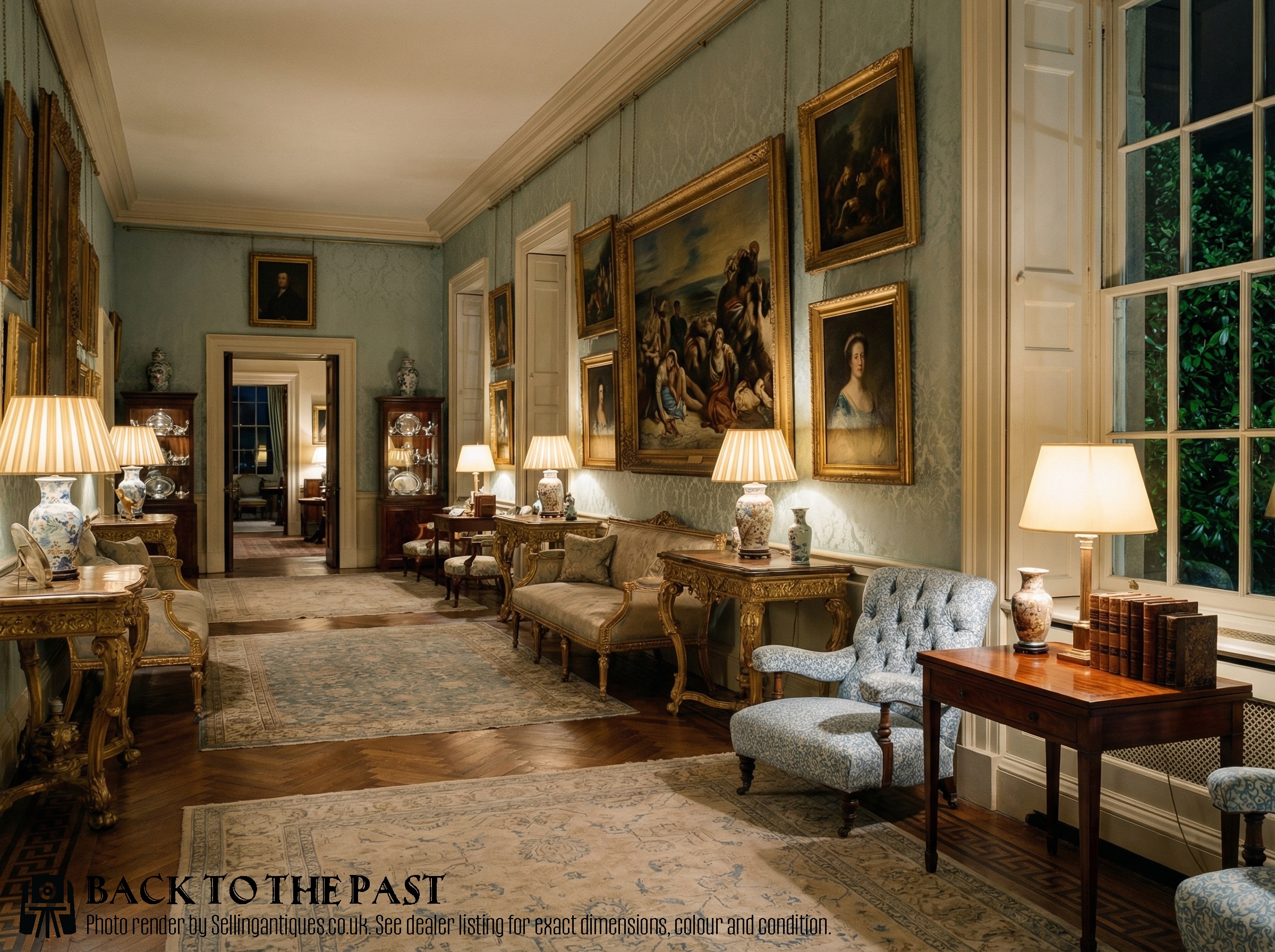
Patterned Cotton Armchair
A patterned cotton armchair is an upholstered seat designed for comfort, frequently found in English Country House interiors. When searching for a patterned cotton armchair, buyers encounter pieces from the Georgian, Victorian, and 1900 periods. Forms range from club armchairs and slipper chairs to barrel back and open armchairs.
The materials recorded in these listings combine structural timber frames in walnut, mahogany, and hardwood with brass details and cotton fabric upholstery. Many examples feature specialised covers such as vintage French cotton, ticking, recycled cotton, and designer prints like William Morris Strawberry Thief.
How they were made
Makers constructed the supportive frames using traditional hardwoods including mahogany, walnut, and general hardwood timber. These sturdy skeletons provided the necessary foundation for deep-sprung seating.
Upholstery techniques involved durable cotton fabrics, ticking, and recycled cotton, secured over sprung interiors and occasionally finished with brass hardware.
Patterned Cotton Armchair Retail Price Guide 2026
Typical asking prices for patterned cotton armchair among the pieces listed under this phrase on Sellingantiques today, from the lower quarter to the upper quarter. They describe what is for sale here now, not the wider market.
Some armchairs wear their original ticking proudly, looking like they just stepped out of a Victorian laundry room.
What varies in quality
Quality separates ordinary seating from exceptional craftsmanship through the origin of the maker and the integrity of the upholstered finish. Pieces originating from notable workshops command greater attention from collectors seeking authentic period seating.
The choice and execution of the textile cover also dictate the standing of an armchair. Premium examples feature high-grade patterned cotton, historic ticking, or iconic prints that survive in good condition.
Howard and Sons·James Shoolbred·William Morris
The Patterned Cotton Armchair Glossary
- Club Armchair
- A deep, low-slung upholstered seat designed for maximum comfort. These chairs typically feature substantial padding and sturdy wooden frames.
- Slipper Chair
- A low-seated upholstered chair originally designed for bedrooms to assist with putting on footwear. They lack arms and remain compact in profile.
- Ticking
- A tightly woven, durable cotton fabric traditionally used to contain feather or down fillings. It appears frequently as an authentic historic covering.
- Barrel Back Armchair
- A seating form characterised by a semicircular upholstered backrest that curves continuously into the arms. This style provides enclosed support.
Patterned Cotton Armchair: Frequently Asked Questions
What periods do these armchairs span?
The listings span the Georgian and Victorian eras, alongside pieces from 1870 and around 1900. These periods encompass distinct styles ranging from formal Georgian seating to relaxed English Country House designs.
Buyers will find that each period brings specific construction traits and upholstery choices, reflecting the interior fashions of the time.
Which textile types appear most often?
Cotton is the primary upholstery material, seen in various forms such as vintage French cotton, ticking, recycled cotton, and patterned prints. These textiles provide both durability and visual texture.
Some examples also incorporate specific designer cotton patterns like William Morris prints, adding historic artistic significance to the seating.
How do club chairs differ from tub chairs?
Club armchairs offer deep, low-slung proportions built for heavy lounging and relaxation. They usually feature generous padding and robust underlying frames.
Tub chairs, by contrast, utilise a buttoned back and a continuous curved shell that encloses the sitter in a more upright position.
What wood types form the frames?
Internal and exposed wooden frames rely on traditional hardwoods including mahogany, walnut, and general structural timber. These materials ensured long-term durability for heavily upholstered seating.
Brass components additionally appear on certain pieces to accent the woodwork and castors.