



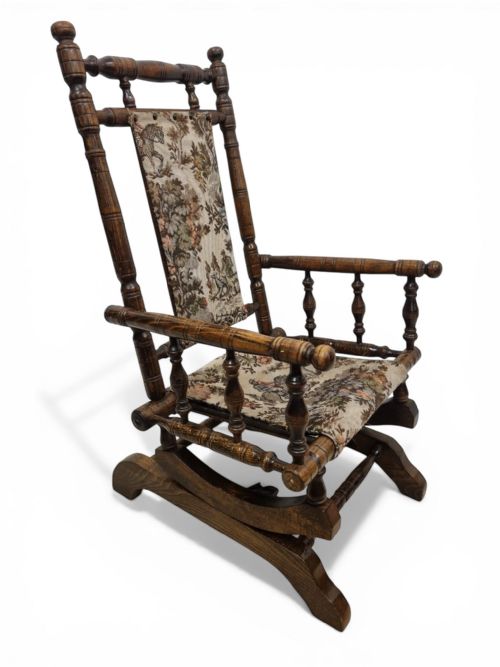


Turned Spindle Rocker
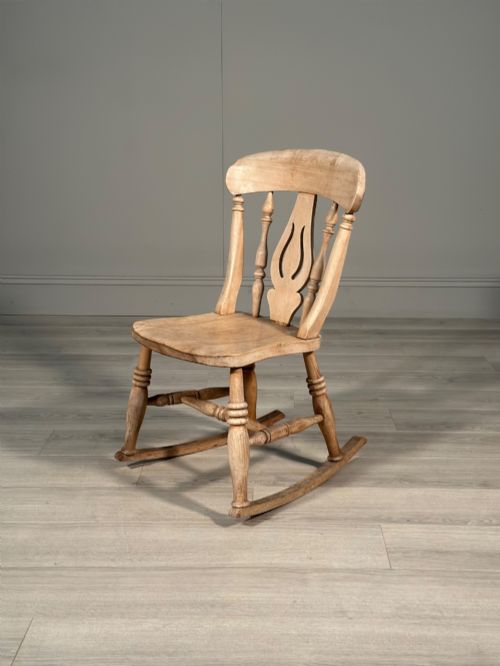
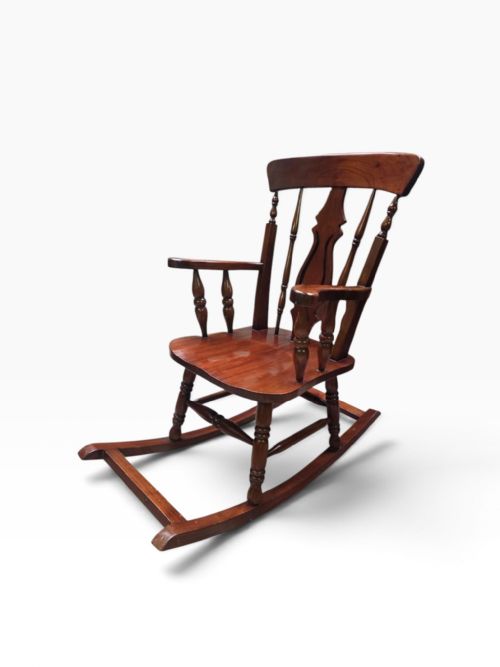
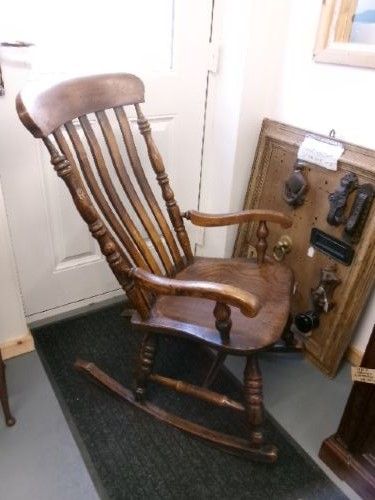
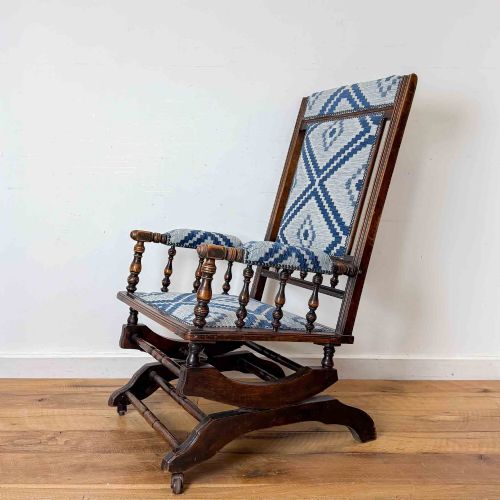
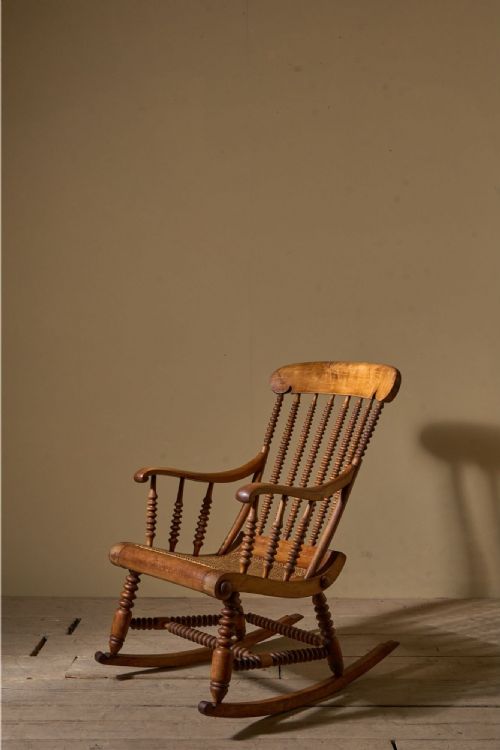
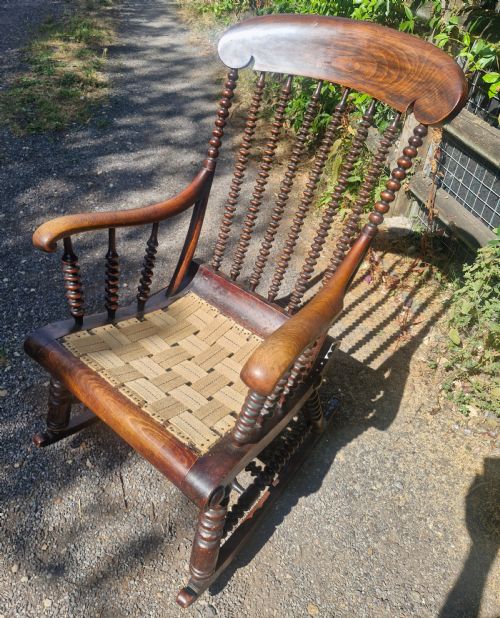
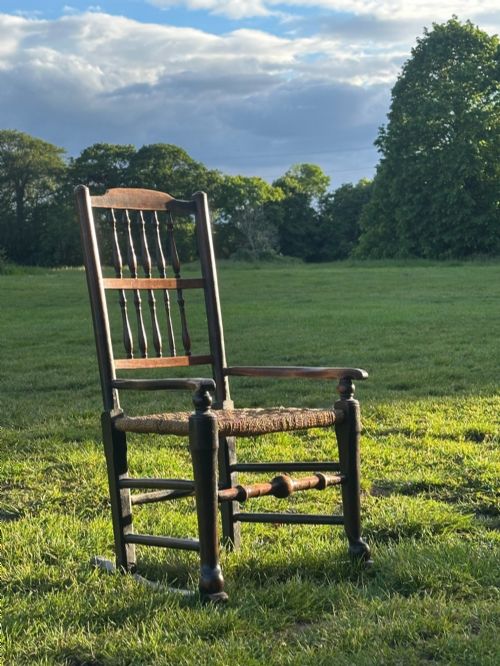
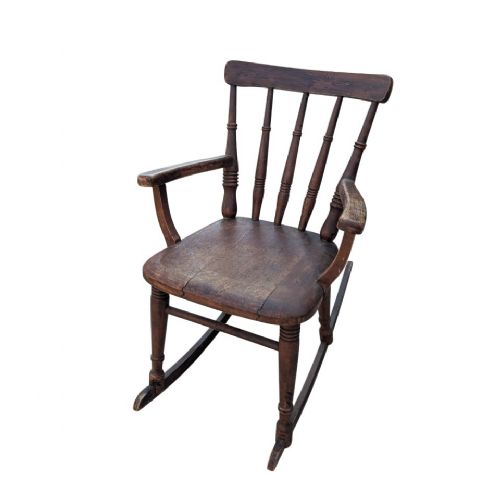
These turned spindle rocker examples bring tactile timber framing and rhythmic uprights to sitting rooms.
Turned Spindle Rocker
A turned spindle rocker is a timber seating form defined by rhythmic upright supports framing the backrest or undercarriage, designed for gentle movement. The turned spindle rocker pieces encountered here span regional vernacular origins, including English country styles, Scandinavian country examples, and American traditions.
Makers built these chairs across the eighteenth, nineteenth, and early twentieth centuries, utilising sturdy native timbers like elm, ash, beech, and oak. Surviving examples range from full-sized fireside armchairs to smaller child versions and low nursing chairs designed for specific domestic rooms.
Construction and timber selection
Craftsmen shaped structural components using lathe-turning techniques to produce bobbin and spindle uprights, jointed securely into solid wood seats. Timber selection relied on durable local hardwoods such as beech and elm, frequently paired with flexible ash for spindles and bent parts.
Seating surfaces vary from moulded solid timber panels to woven rush, cane, sea grass, leather, and tapestry upholstery. Certain regional pieces retain their original paint finishes, recording the decorative treatments applied during the nineteenth century.
Turned Spindle Rocker Retail Price Guide 2026
Typical asking prices for turned spindle rocker among the pieces listed under this phrase on Sellingantiques today, from the lower quarter to the upper quarter. They describe what is for sale here now, not the wider market.
Several pint-sized child rockers wait here, proving that historical toddlers also demanded proper rocking privileges by the hearth.
Evaluating craftsmanship and survival
Quality rests in the crispness of the lathe turning, the snugness of the traditional joinery, and the structural integrity of the curved rocking rails. Superior examples display balanced proportions and well-chosen timber grains that age with character.
The degree of original surface preservation, whether bare polished hardwood or early painted finish, distinguishes exceptional survivals from pieces stripped or altered over time.
The Turned Spindle Rocker Glossary
- Bobbin turning
- A form of lathe turning that produces a series of rounded spheres or discs resembling beads on a string along the length of a wooden spindle. This decorative technique appears frequently on nineteenth-century vernacular frames.
- Spindle back
- A chair back constructed from a series of vertical turned wooden rods supporting the top rail. These members distribute weight evenly while offering a light visual profile.
- Windsor
- A chair type featuring a solid wooden seat into which the legs, back spindles, and arms are separately jointed. English and regional farmhouse versions demonstrate robust vernacular construction.
- Vernacular
- Objects built by local tradesmen to utilitarian designs using regional materials rather than following high-style academic patterns. These pieces reflect domestic traditions specific to their geographic origin.
- Rush seating
- A traditional method of weaving dried marsh grasses tightly around a wooden frame to create a resilient, textured seat. This technique appears widely on country chairs.
Turned Spindle Rocker: Frequently Asked Questions
What is a turned spindle rocker?
A turned spindle rocker is a wooden armchair featuring curved rocking rails at the base and multiple lathe-turned upright spindles forming the backrest or frame. These chairs were produced across various regional traditions for domestic comfort.
They combine structural timber framing with gentle movement, serving traditionally as fireside or nursery seating in country houses and farmhouses.
How do I date a spindle rocker?
Dating relies on examining the timber species, tool marks, construction joints, and turning profiles visible on the frame. Nineteenth-century examples often display bobbin turnings or specific regional Windsor characteristics.
Comparing the seat material and finish to documented period pieces helps narrow down the decade of manufacture.
What woods were used for these chairs?
Makers utilised accessible native hardwoods such as elm, ash, beech, oak, and fruitwood to ensure structural strength and flexibility. Elm provided durable, splitting-resistant solid timber for seats.
Ash and beech offered the necessary tensile strength for steam-bent components and slender turned spindles.
How should I care for an old wooden rocker?
Maintain stable indoor humidity levels away from direct heat sources to prevent the historic timber from drying out or splitting. Dust gently with a dry cloth and apply occasional appropriate wax feeds if the surface is unpainted.
Protect woven rush or cane seats by avoiding excessive point pressure and supporting them properly.
Were these chairs made in America or Britain?
Both regions produced distinct vernacular variants, including English country models, Scottish pieces, and traditional American styles such as Shaker rockers. Each area adapted local turning patterns and wood choices to suit domestic preferences.
Origin is often indicated by construction methods and the specific mix of timbers employed by regional joiners.