




Turned Oak Open Armchairs
Turned oak open armchairs are solid wood seating built with visible lathe work, offering enduring utility and historic character for any room.
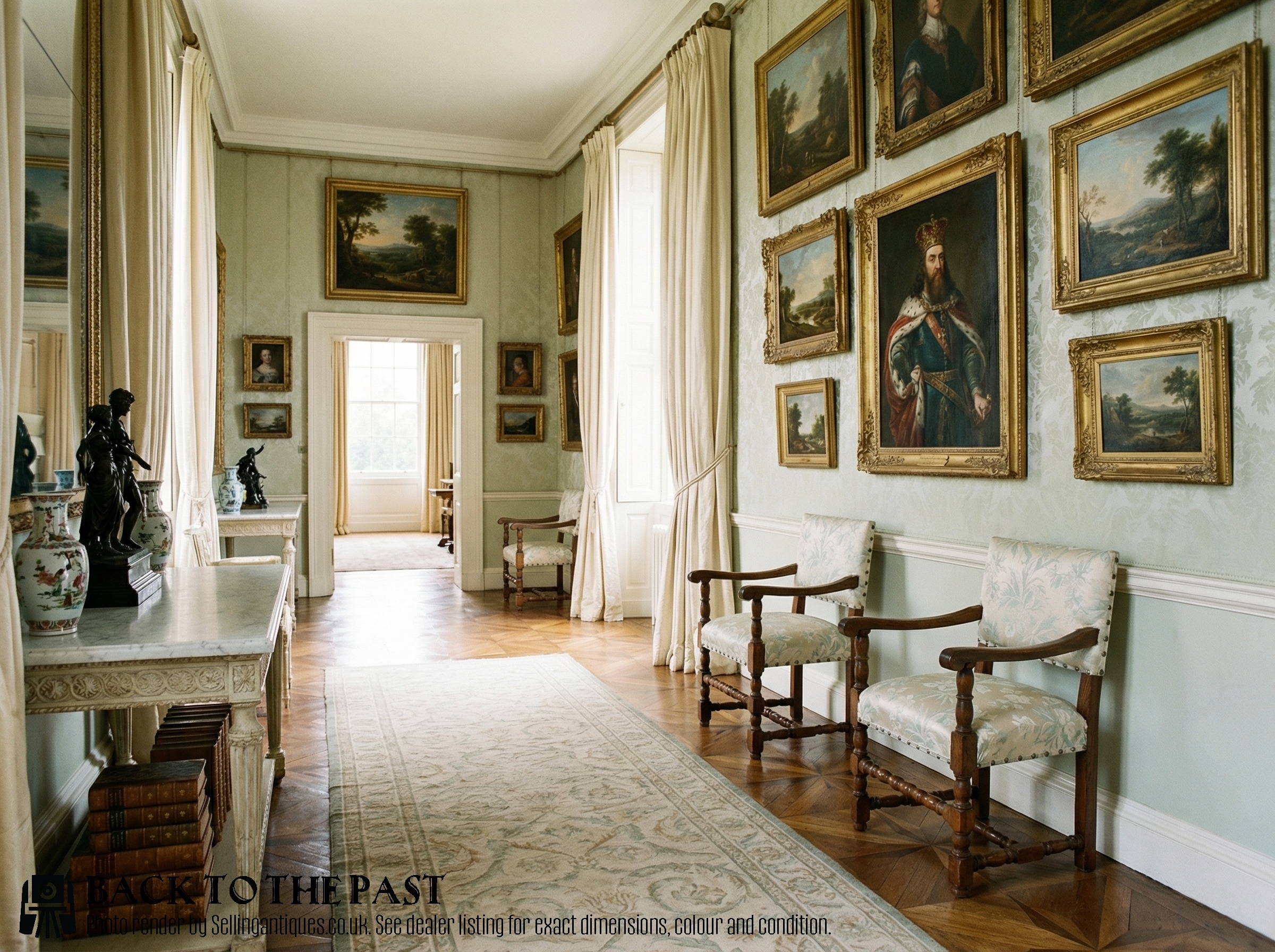
Turned Oak Open Armchairs
Turned oak open armchairs span multiple centuries of craftsmanship, ranging from the seventeenth century through the Victorian era up to the early twentieth century. These pieces emerge in styles including Jacobean Revival, Carolean Revival, William and Mary, and English country vernacular.
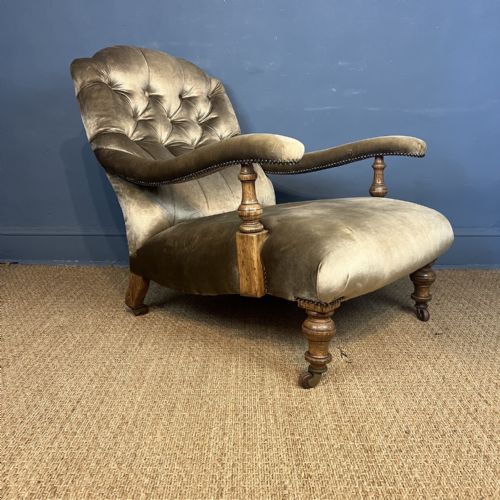
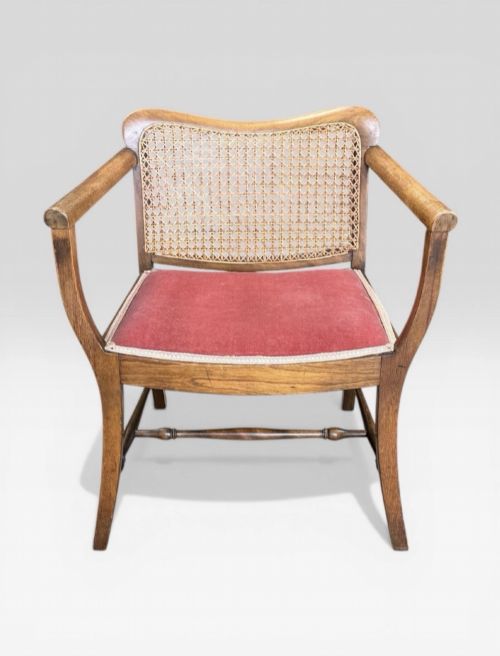
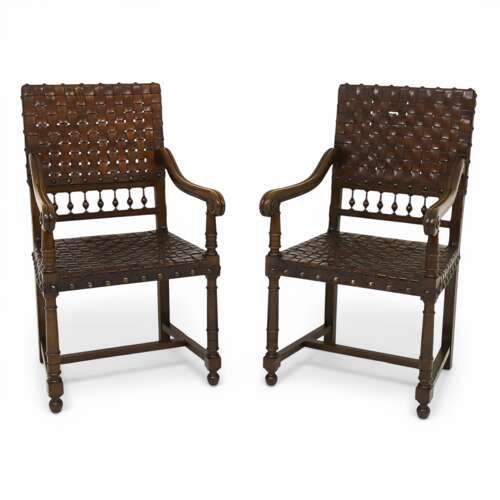
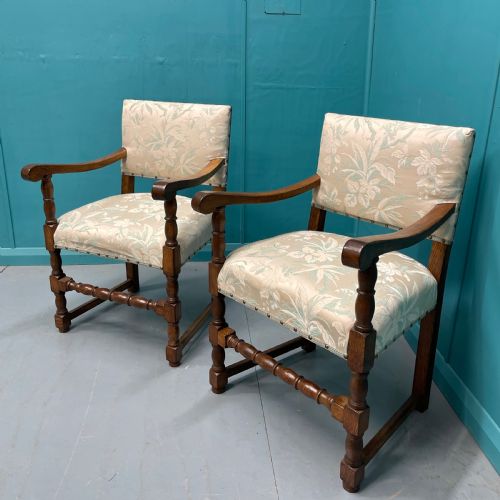
You are most likely to meet nineteenth-century examples on this page, often featuring bobbin or spindle turned members alongside cane seats, leather, velvet, or tapestry fabric pads. Forms include large armchairs, wainscot chairs, and ladder backs, frequently found as pairs or occasionally in larger sets.
How they were made
Makers utilised solid oak to construct the main frames, shaping supports and stretchers on a lathe to create bobbin and spindle details. Joinery relied on traditional pegging and mortise methods to secure the uprights and arms.
Seats and backs incorporate applied materials such as woven leather, cane, velvet, tapestry fabric, and loose cushions secured with brass accents. Ash components occasionally appear alongside the primary oak framework.
Bobbin turned stretchers were nicknamed spool furniture because they resembled rows of thread ready for tailoring.
What varies in quality
Quality rests in the crispness of the lathe turning and the structural integrity of the timber joints. Pieces that retain their original oak frames and period upholstery materials demonstrate superior craftsmanship.
The sophistication of the revival style, from simple country vernacular ladder backs to elaborate Carolean carvings, defines the visual hierarchy across the range.
James Shoolbred
The Turned Oak Open Armchairs Glossary
- Bobbin turning
- A form of lathe work producing a series of rounded, spool-like shapes along the length of a chair leg or stretcher. This technique creates a rhythmic, decorative profile found on seventeenth-century and revival pieces.
- Wainscot chair
- A heavy wooden armchair featuring a solid panelled back and panelled seat base. These early forms are constructed entirely from solid oak.
- Bergere
- An enclosed or open armchair with a cane-work back and sides. Antique examples often include drop-in cushions.
- Carolean style
- A decorative manner originating from the reign of Charles II, characterised by rich carving and scrolled elements. Revival versions appeared frequently during the nineteenth century.
- Spindleback
- A chair design utilising thin, turned wooden rods arranged vertically in the backrest. This construction lightened the visual weight of the oak frame.
Turned Oak Open Armchairs: Frequently Asked Questions
How do I date a turned oak armchair?
Dating relies on examining the turning style, the method of joint construction, and the type of wood finish present. Seventeenth-century originals display distinct hand-carved joinery compared to later nineteenth-century revival pieces.
Hardware elements, such as early brass tacks or the weave pattern of cane seats, also provide useful chronological markers for these items.
Where should I place these chairs at home?
These solid oak seats work well in studies, hallways, or living rooms as accent pieces alongside softer modern furnishings. Their open arms and substantial wooden frames anchor a room without blocking light.
Pairing matching armchairs opposite a fireplace or placing a single wainscot chair in a corner highlights their historic profiles.
Can I use a cane seat daily?
Cane seating on antique chairs can withstand normal daily use provided the mesh remains taut and well-conditioned. Adding a loose cushion helps distribute weight evenly across the woven surface.
Avoiding placement near direct heat sources prevents the natural cane from drying out and losing its flexibility.
What is the difference between revival and period pieces?
Period pieces date directly from the seventeenth or eighteenth centuries when the stylistic forms were originally developed. Revival items were manufactured during the Victorian and Edwardian eras using historic design vocabulary.
Both categories utilise solid oak and traditional turning methods, though period examples carry greater age.