



Turned Leg Window Bench
A turned leg window bench offers a graceful perch for a bay or hallway, combining sturdy timber frames with neat upholstered or cane seats.
Turned Leg Window Bench
When searching for a turned leg window bench, a buyer encounters a diverse group of long seats and stools originating mostly from the eighteenth and nineteenth centuries. These pieces encompass Victorian, Regency, and Edwardian aesthetic periods, often crossing over with hall benches and long footstools.
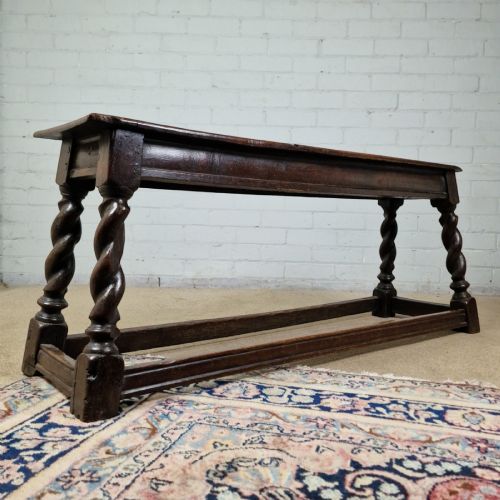
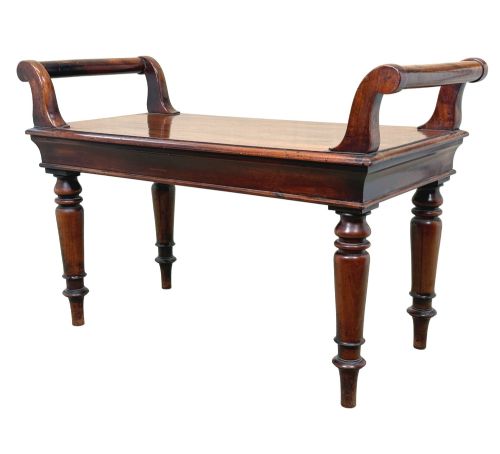
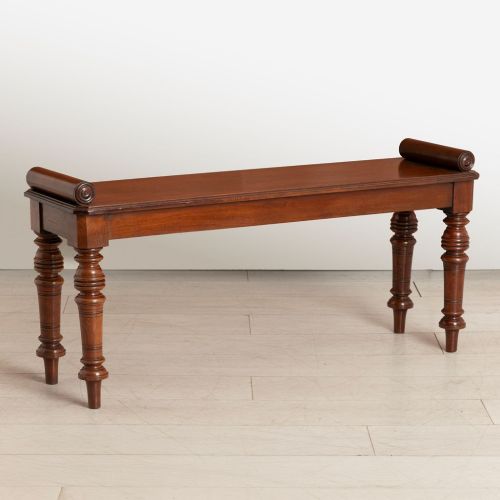
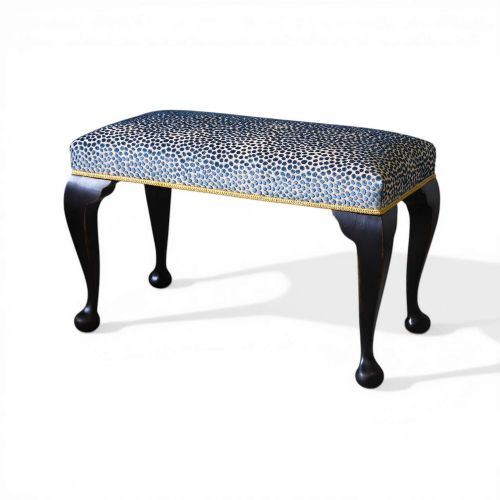
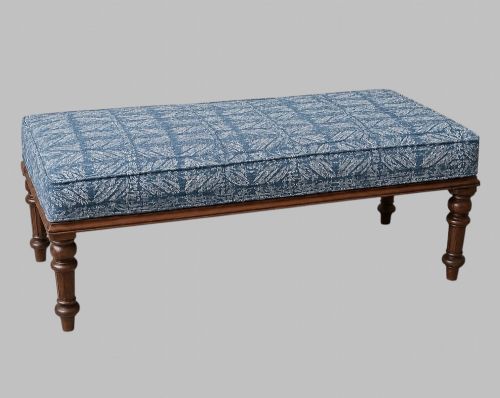
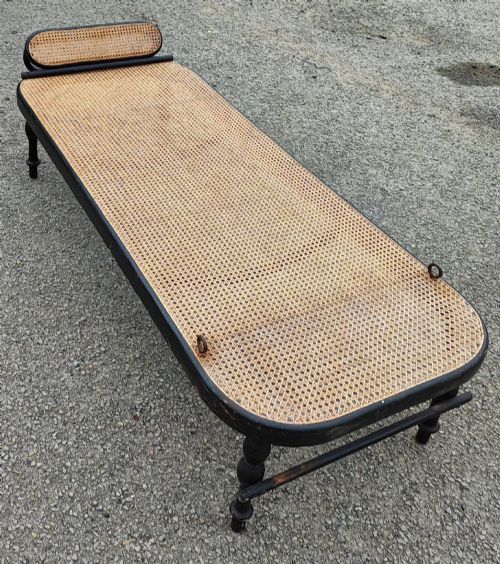
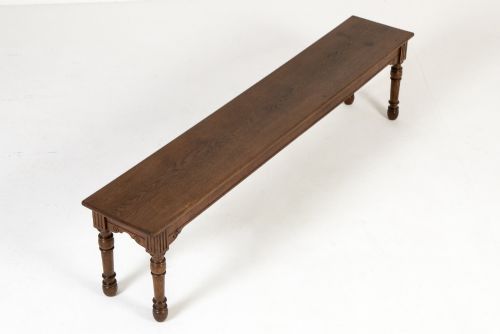
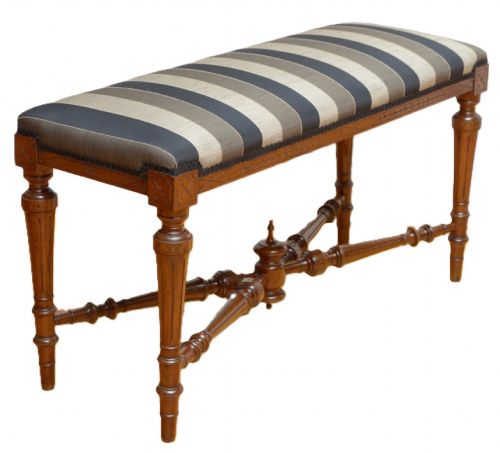
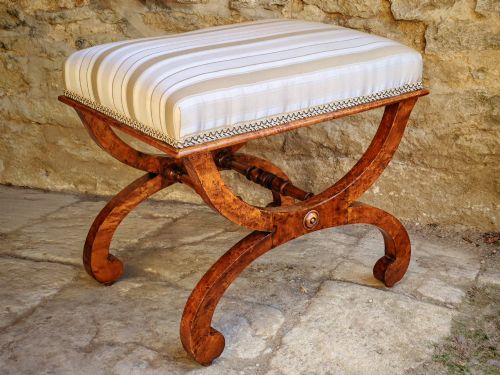
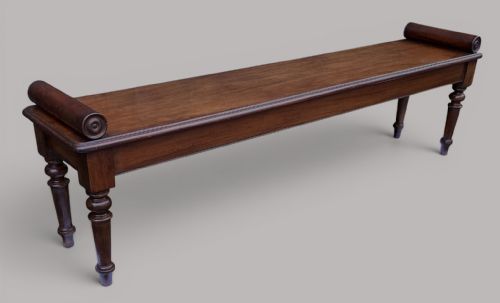
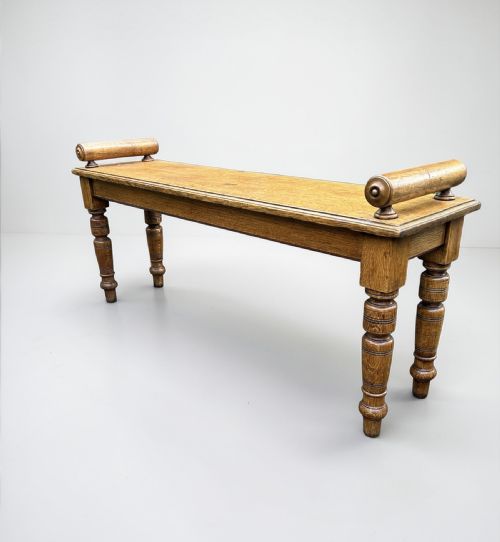
The version most commonly met on this page is a mahogany or oak frame raised on turned supports, featuring either a fabric upholstered pad or a woven cane panel. These items bridge the gap between low seating and narrow hallway furniture, designed to fit neatly beneath windows or along corridors.
Originating largely from English workshops, these benches reflect the domestic requirements of their respective eras, from grand Regency proportions to more modest late Victorian iterations.
How they were made
Makers utilised dense hardwoods such as mahogany, oak, and walnut to construct the primary frames, ensuring the structural integrity necessary for long seating forms. Ebonised wood and burr maple also appear, providing darker or more decorative surfaces.
Turning lathes shaped the wooden legs into cylindrical, fluted, or spool profiles, which were then joined securely to the seat rails using traditional cabinet-making joints. Upholstery materials like fabric, textile, and linen were tacked over webbing and stuffing, while alternative designs incorporated woven cane panels.
Listings span from the 18th century through to the Edwardian period, incorporating oak, mahogany, walnut, and ebonised wood alongside cane and fabric.
What varies in quality
The distinction between standard examples and the finest pieces often rests upon the crispness of the timber turning and the elegance of the frame proportions. Well-drawn legs with precise detail elevate a piece above simpler, utilitarian variants.
The selection of primary timber and secondary framing woods also dictates the grade of the piece, with choice grains of mahogany, burr maple, or figured walnut indicating superior workshop output.
The Turned Leg Window Bench Glossary
- Window seat
- A long, narrow bench specifically designed to sit within the recess of a bay window. These forms often feature scrolled ends or arms to contain the sitter.
- Ebonised wood
- Timber treated with a chemical stain or black finish to imitate expensive ebony. This technique gained particular popularity during the Victorian era for decorative contrast.
- Cane
- Woven rattan material used to create resilient, breathable seat panels. It requires careful handling to maintain tension across the frame.
- Kilim
- A flat-woven textile often utilised for durable upholstery. Its traditional geometric patterns frequently appear on nineteenth-century footstools and benches.
Turned Leg Window Bench: Frequently Asked Questions
Where do you put a window bench?
These benches sit naturally beneath low window frames, inside bay recesses, or along narrow hallways where depth is limited. Their narrow profile allows them to provide extra seating without blocking walkways or natural light.
They also serve effectively at the foot of a bed or as a transitional piece in a large landing space, supporting everyday use while maintaining a clear floor plan.
How do I date a turned leg bench?
Dating relies primarily on the timber species, the turning style of the legs, and the construction methods visible beneath the frame. Earlier pieces from the Georgian and Regency periods generally exhibit finer joinery and specific mahogany grain patterns.
Victorian and Edwardian examples often introduce ebonised finishes, walnut frames, or alternative upholstery treatments like cane panels, aligning with the shifting tastes of the nineteenth century.
Are these benches comfortable for sitting?
Most examples feature padded upholstered surfaces covered in fabric, linen, or textile, providing a firm seat suitable for short periods. Pieces with cane panels offer a resilient, sprung surface rather than deep cushioning.
Because many were originally built as dressing stools, hall benches, or long footstools, their primary function combined decorative utility with practical perch seating rather than deep lounging comfort.
What is the difference between a hall bench and a window seat?
Hall benches generally provide a rigid wooden surface or a simple pad designed for brief use in an entryway. Window seats frequently incorporate upholstered cushions and sometimes low arms or scrolled ends suited for prolonged sitting.
Despite these traditional distinctions, many nineteenth-century examples bridge both categories, sharing turned leg supports and similar long proportions across the listings.