






Long Wooden Window Seat
A long wooden window seat brings character and generous proportions to an interior, offering a practical place to sit alongside architectural views.
Long Wooden Window Seat
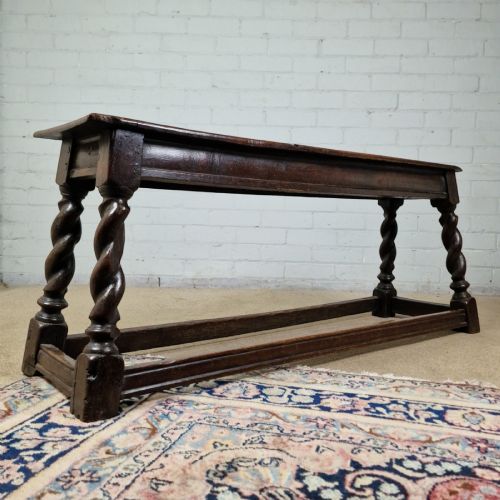
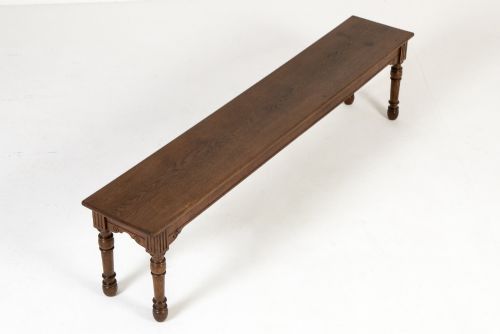
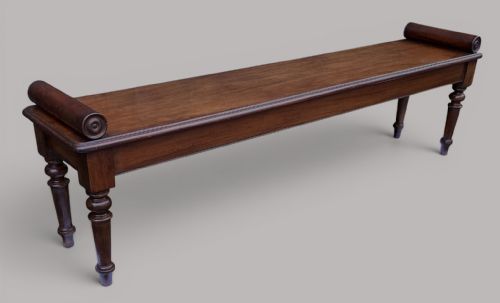
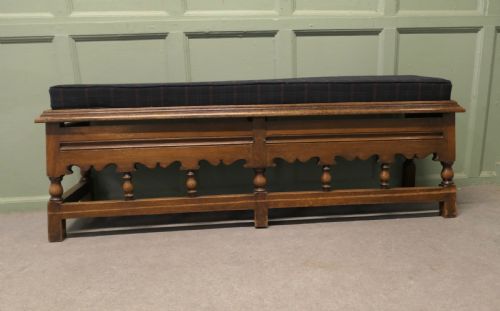
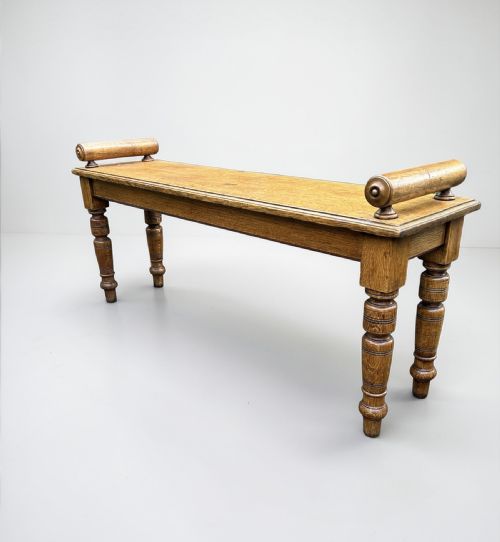
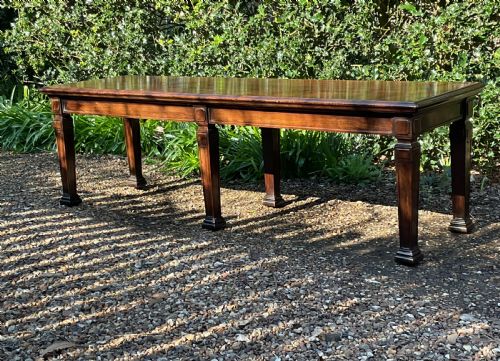
When searching for a long wooden window seat, you find long benches, hall benches, and extended stools designed for placement beneath wide windows or along hallways. The pieces seen here span centuries of craftsmanship, ranging from eighteenth-century oak forms to nineteenth-century mahogany and walnut iterations.
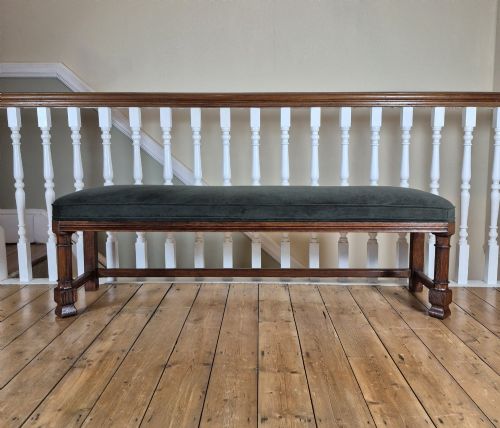
You are most likely to meet nineteenth-century examples in oak or mahogany, often featuring upholstered pads, fabric covers, or cane seating. These versatile long seats bridge the gap between functional hallway furniture and decorative seating for reception rooms.
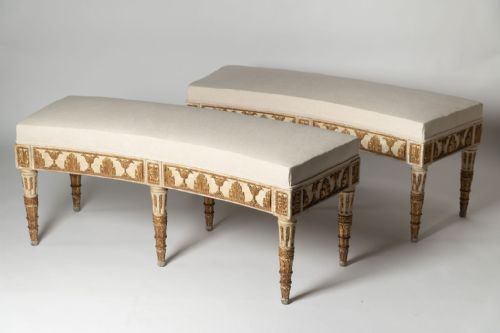
Design influences vary widely across the selection, encompassing Gothic Revival, Regency, and French styles alongside English country vernacular. Such variety ensures that whether your interior calls for severe architectural lines or fluid carved woodwork, a suitable long form exists.
How they were made
Cabinetmakers utilised robust timber such as oak, mahogany, walnut, and rosewood to construct the primary frames of these long seats. Joinery techniques relied on sturdy dowels, mortise and tenon joints, and precise hand-carving to ensure stability over extended lengths.
Surface treatments range from polished timber finishes that highlight natural wood grain to painted wood surfaces and ebonised details. Upholstery methods incorporated traditional stuffing covered in fabrics like linen or patterned textiles, secured with brass tacks.
Listings feature oak, mahogany, walnut, and rosewood timbers spanning the eighteenth, nineteenth, and early twentieth centuries.
What varies in quality
The distinction between standard execution and finer work lies in the selection of timber and the depth of the carving. Superior pieces display dense, well-figured wood with crisp, hand-chiselled ornamentation rather than shallow mechanical moulding.
Structural integrity also separates the grades, as exceptional long benches maintain rigidity across their full span without sagging. Original upholstery foundations and untouched timber surfaces elevate the standing of a piece compared to heavily altered examples.
Gillows
The Long Wooden Window Seat Glossary
- Gothic Revival
- An architectural and decorative style drawing inspiration from medieval forms, featuring pointed arches and heavy tracery. This aesthetic appears frequently on nineteenth-century oak benches.
- Regency
- A British design period spanning the early nineteenth century defined by classical restraint and influences from ancient Greece and Rome. Mahogany window seats from this era often display clean lines and subtle reeding.
- Ebonised
- Wood treated with a chemical stain or dark finish to imitate ebony. Victorian makers utilised this technique on fruitwood or walnut to achieve a stark, formal appearance.
- Cane
- Woven rattan or split plant material used to form flexible, breathable seat panels. Cane seated long stools offer a lighter visual weight compared to solid wood or upholstered tops.
- Kilim
- A flat-woven textile originating from the Middle East and southeastern Europe. These hard-wearing patterned carpets occasionally serve as upholstery for nineteenth-century footstools and benches.
Long Wooden Window Seat: Frequently Asked Questions
Where should I place a long wooden window seat?
These long seats sit naturally beneath wide window recesses, providing a comfortable spot to read or enjoy natural light. They also function effectively along long corridors as hall benches or at the foot of a large bed.
Because many examples measure six feet or more in width, measure your available floor space carefully before placement. Ensure adequate clearance for surrounding doors and foot traffic.
How do I care for antique wooden frames and upholstery?
Maintain the timber surfaces by applying a quality beeswax sparingly and buffing with a soft cloth to preserve the natural sheen. Keep wooden seats away from direct heat sources and strong sunlight to prevent timber splitting.
Vacuum upholstered fabric regularly using a low-suction attachment to remove dust. Professional cleaning is recommended for antique textiles and delicate linen covers to avoid water spotting.
Are these seats comfortable for everyday sitting?
Upholstered and cane-seated variants provide comfortable support for extended sitting periods. Wooden-topped benches offer a firmer experience and benefit from the addition of loose cushions.
Consider the height of the seat in relation to your intended use, as nineteenth-century dimensions can vary. Adding a bespoke cushion easily adjusts the seating height and comfort level.
How can I tell a nineteenth-century seat from a modern reproduction?
Examine the underside and joints for signs of age, including hand-cut joinery, timber shrinkage, and tool marks left by period makers. Older pieces possess a distinct patina and wear patterns accumulated over generations of use.
Check the fasteners and screws used in construction, as machine-milled modern screws differ from older slotted equivalents. Consistent wear around the foot terminals and edges also indicates genuine antique age.