

Turned Leg Server
A turned leg server provides a sturdy surface for dining rooms and hallways, combining practical storage with classic craftsmanship.
Turned Leg Server
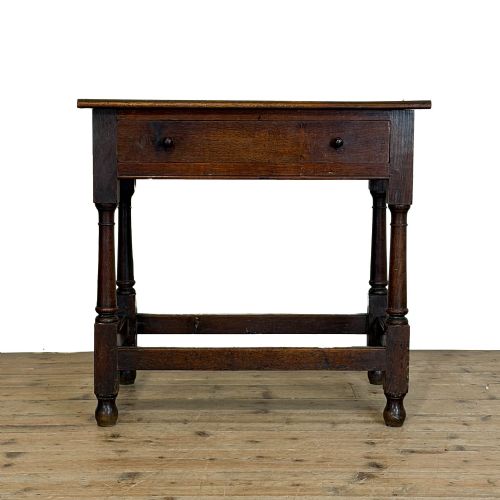
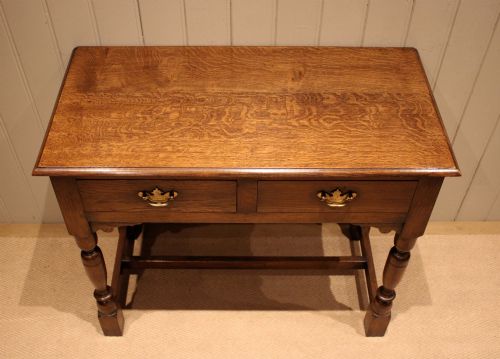
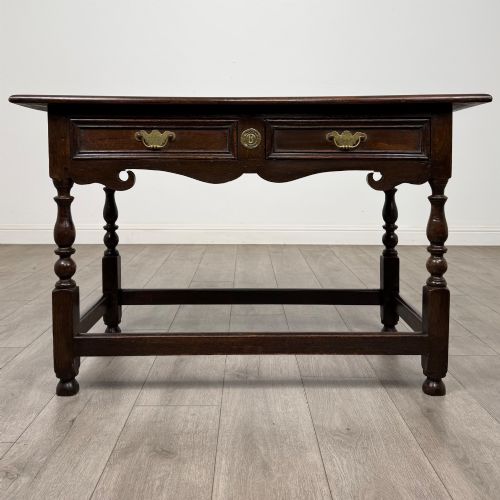
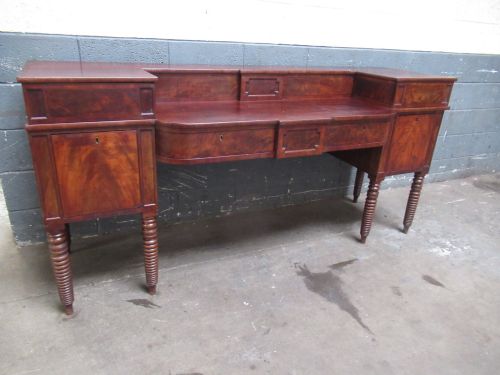
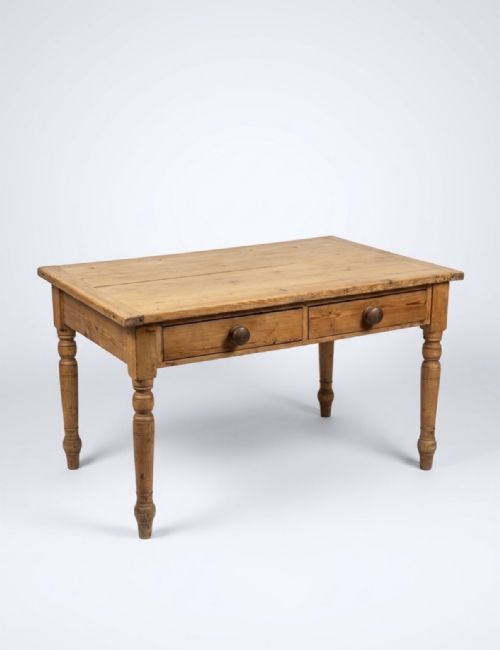
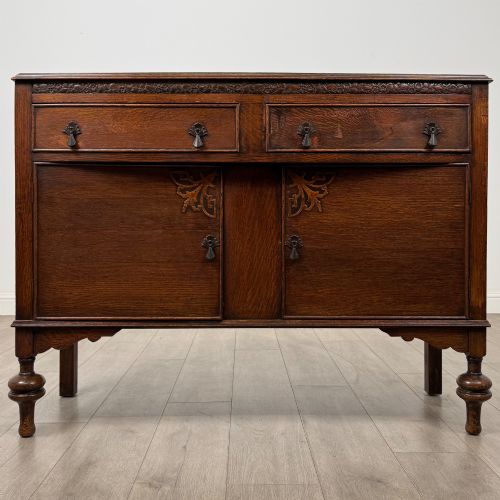
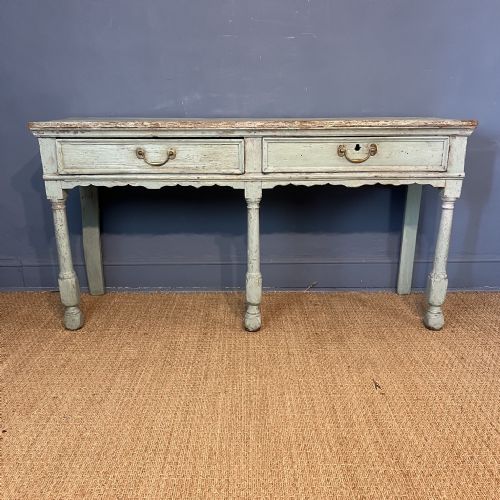
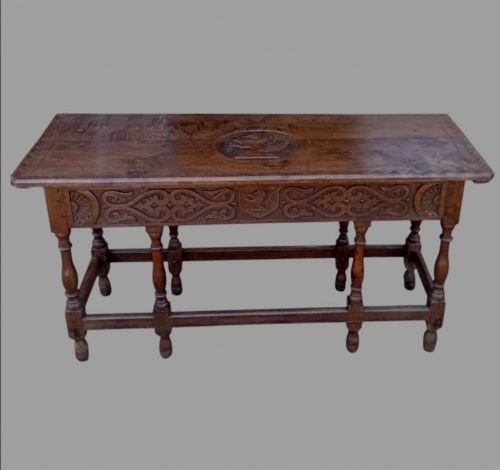
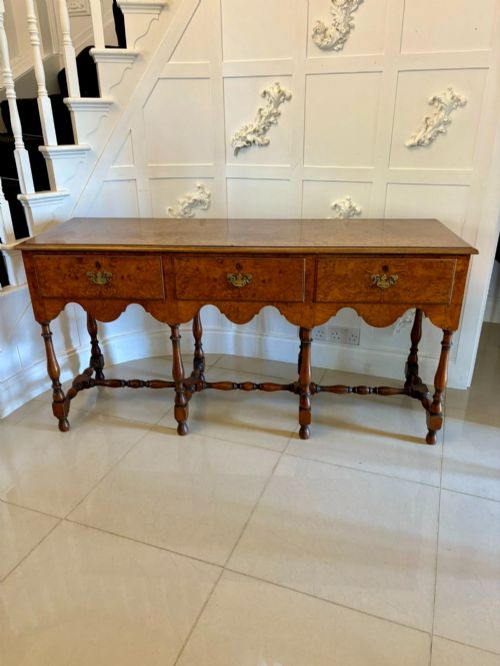
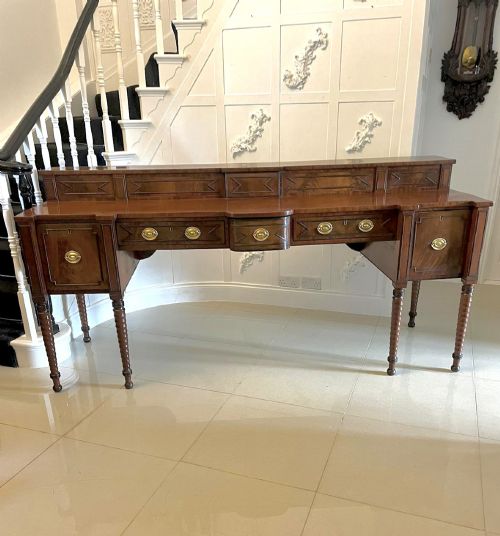
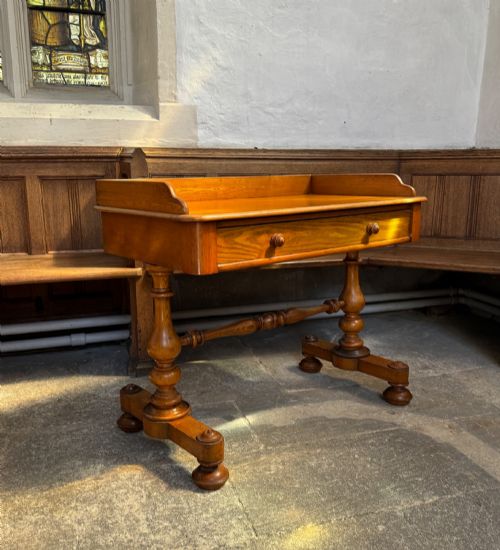
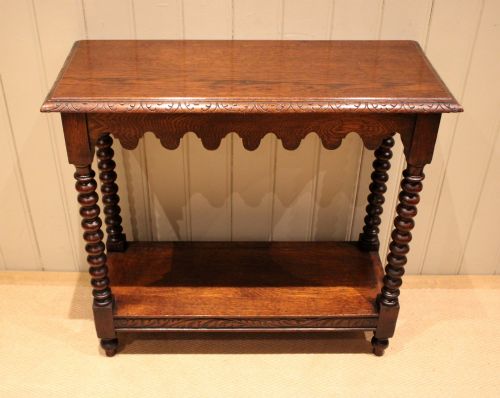
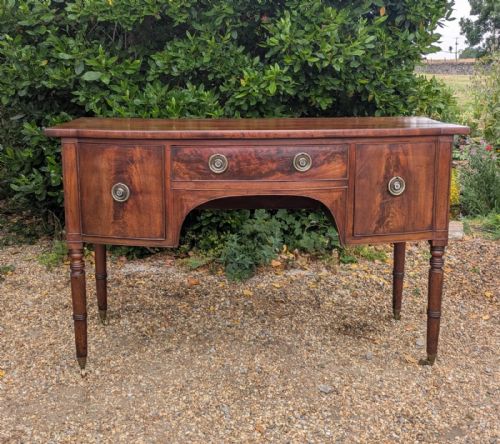
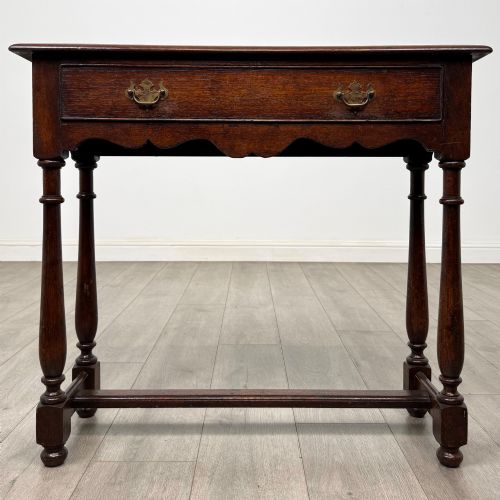
A turned leg server encompasses various forms designed for serving and storage, including sideboards, dresser bases, console tables, and side tables. When searching for a turned leg server, buyers encounter pieces spanning from the 17th century through the Victorian era and into the early 20th century.
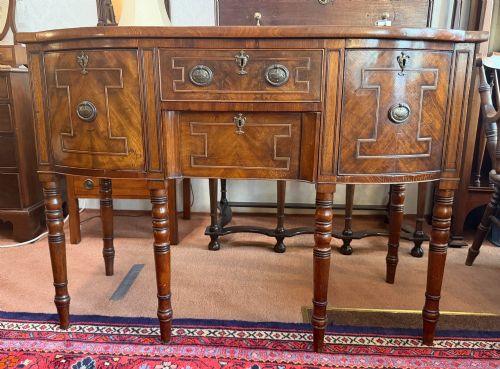
The selection ranges from robust oak dresser bases and potboards to elegant mahogany and walnut sideboards or serving tables. These items function equally well in modern dining spaces and hallways as practical surfaces.
Origins vary across English, Scottish, and French traditions, reflecting regional furniture-making practices. Pieces often feature distinct local timbers and construction methods native to their period of production.
Materials and construction techniques
Cabinet makers utilised a variety of solid timbers including oak, mahogany, walnut, pine, cherrywood, and pitch pine. Finer pieces frequently incorporate flame mahogany veneer or burr walnut to create striking visual patterns on drawer fronts and surfaces.
Structural elements often involve traditional joinery paired with turned wooden supports, geometric mouldings, and occasional brass inlays. Many examples retain their original painted finishes, stripped pine patinas, or carved details applied by hand.
Listings feature timbers including oak, mahogany, pine, walnut, cherrywood, and flame mahogany veneer across multiple centuries.
Assessing quality and character
The standard of a piece depends heavily on the selection of timber, such as highly figured mahogany or well-grained oak, and the crispness of any turned legs or carved details. Finer examples display balanced proportions, original hardware, and careful attention to secondary timbers used in drawer linings.
Condition and originality dictate much of the standing among these items, particularly whether surfaces retain their early finishes, patinas, or original panel work. Alterations or replacement elements can shift a piece from an authentic period example to a later revival interpretation.
Liberty
The Turned Leg Server Glossary
- Dresser base
- A low wooden sideboard or cabinet featuring drawers and sometimes a lower shelf, traditionally used for food preparation and storage.
- Potboard
- An open slatted lower shelf incorporated into the base of a dresser, originally designed for storing pots and heavy kitchenware.
- Flame mahogany veneer
- A thin decorative slice of mahogany timber exhibiting a fiery, undulating grain pattern applied to a stable underlying wood base.
- Lowboy
- A small oak or walnut table with drawers, standing on relatively tall legs, typically produced during the 17th and 18th centuries.
- Console table
- A table designed to be fixed against a wall, frequently supported by brackets or legs at the front.
Turned Leg Server: Frequently Asked Questions
What is a turned leg server used for?
These pieces serve primarily as functional furniture for dining rooms, kitchens, and hallways, offering surface space for serving food or displaying decorative items.
Many designs incorporate drawers and lower shelves, providing concealed and open storage for tableware, linens, or household goods.
How do I identify the period of a server?
Dating relies on examining the timber species, construction methods, hardware, and stylistic details such as geometric mouldings or carved ornamentation.
Earlier pieces from the 17th and 18th centuries often feature heavy oak construction and hand-cut joinery, whereas 19th-century and Edwardian examples introduce softer pines, mahogany veneers, and revival styles.
Where should I place a server at home?
A server fits naturally against dining room walls for holding serving dishes during meals or acting as a permanent sideboard.
They also function effectively in narrow hallways or entryways as console tables for dropping keys and post.
Are these servers made of solid wood?
Many examples are constructed entirely from solid timbers such as oak, pine, cherrywood, and mahogany.
Finer decorative surfaces frequently utilise wood veneers, including flame mahogany or burr walnut applied over secondary wood cores.