


Turned Leg Oak Armchair
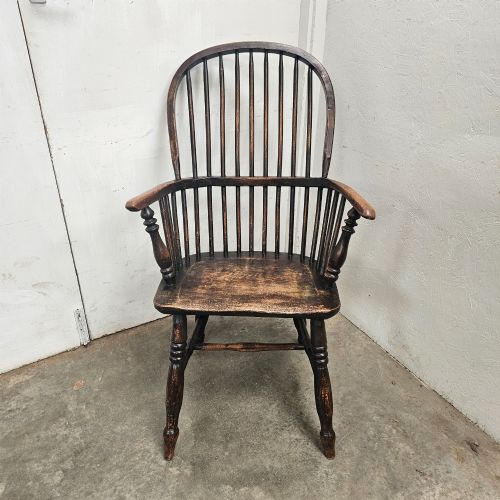
A turned leg oak armchair offers sturdy vernacular character and practical seating, combining robust timber frames with distinctive spindle or bobbin turnings.
Turned Leg Oak Armchair
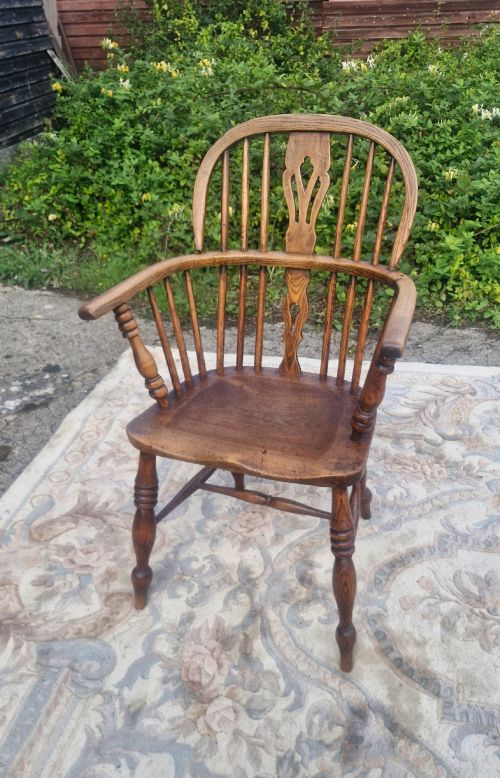
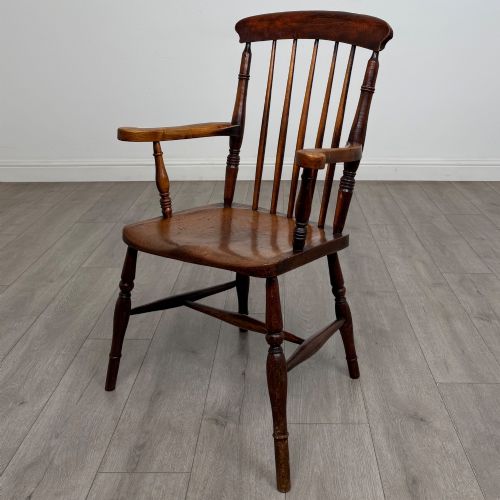
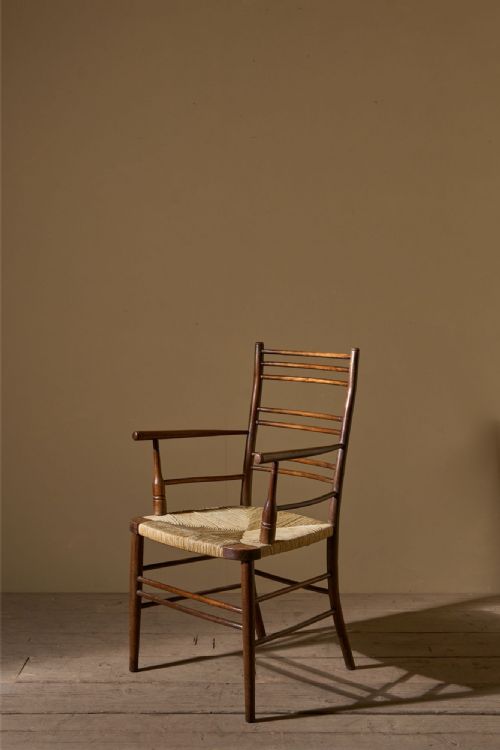
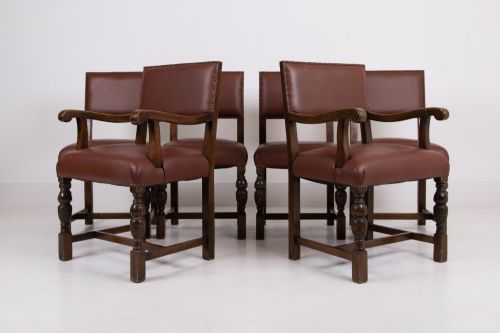
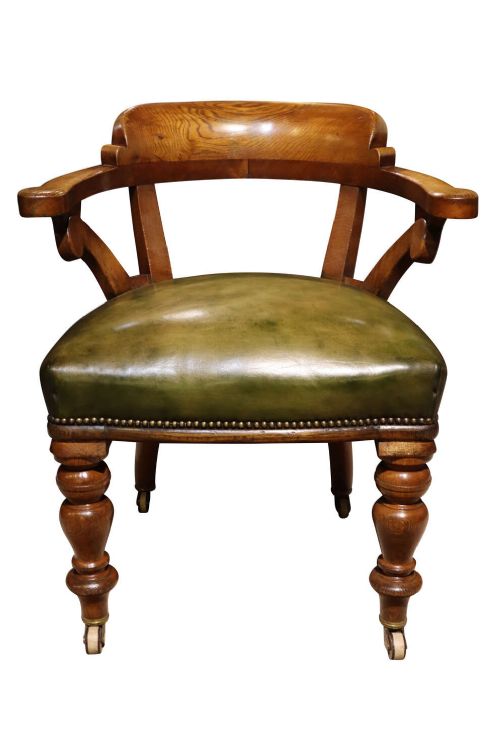
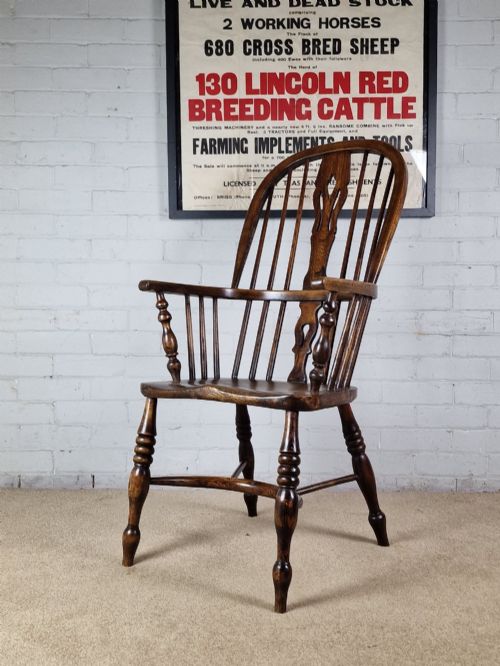
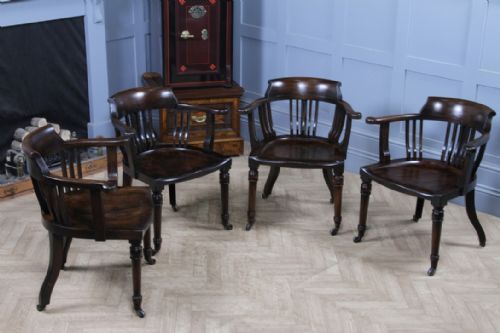
A turned leg oak armchair is a substantial seating piece rooted in vernacular tradition, frequently emerging from nineteenth-century English country workshops. Buyers searching for a turned leg oak armchair often encounter robust Windsor forms, library chairs, and heavy turners' chairs featuring prominent spindle or bobbin turning.
The selection ranges from sturdy nineteenth-century stick backs and smoker's bows to earlier seventeenth-century revival models and eighteenth-century wainscot forms. Most examples on this page utilise solid timber frames, combining oak with secondary woods such as elm, ash, and beech to create durable seating.
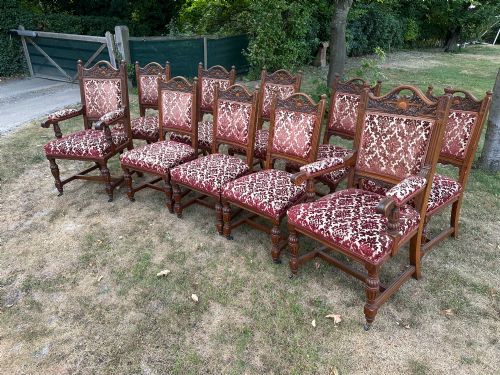
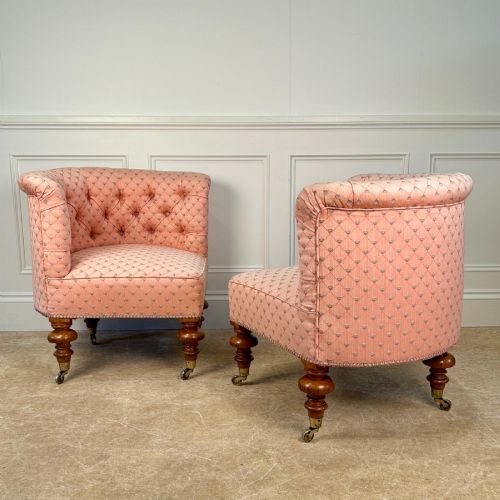
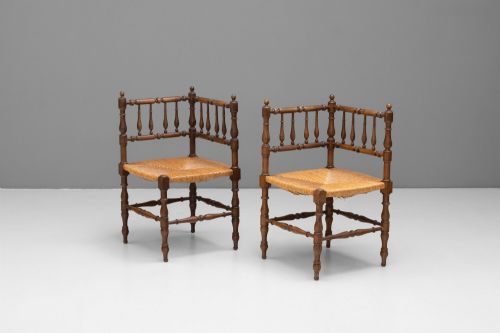
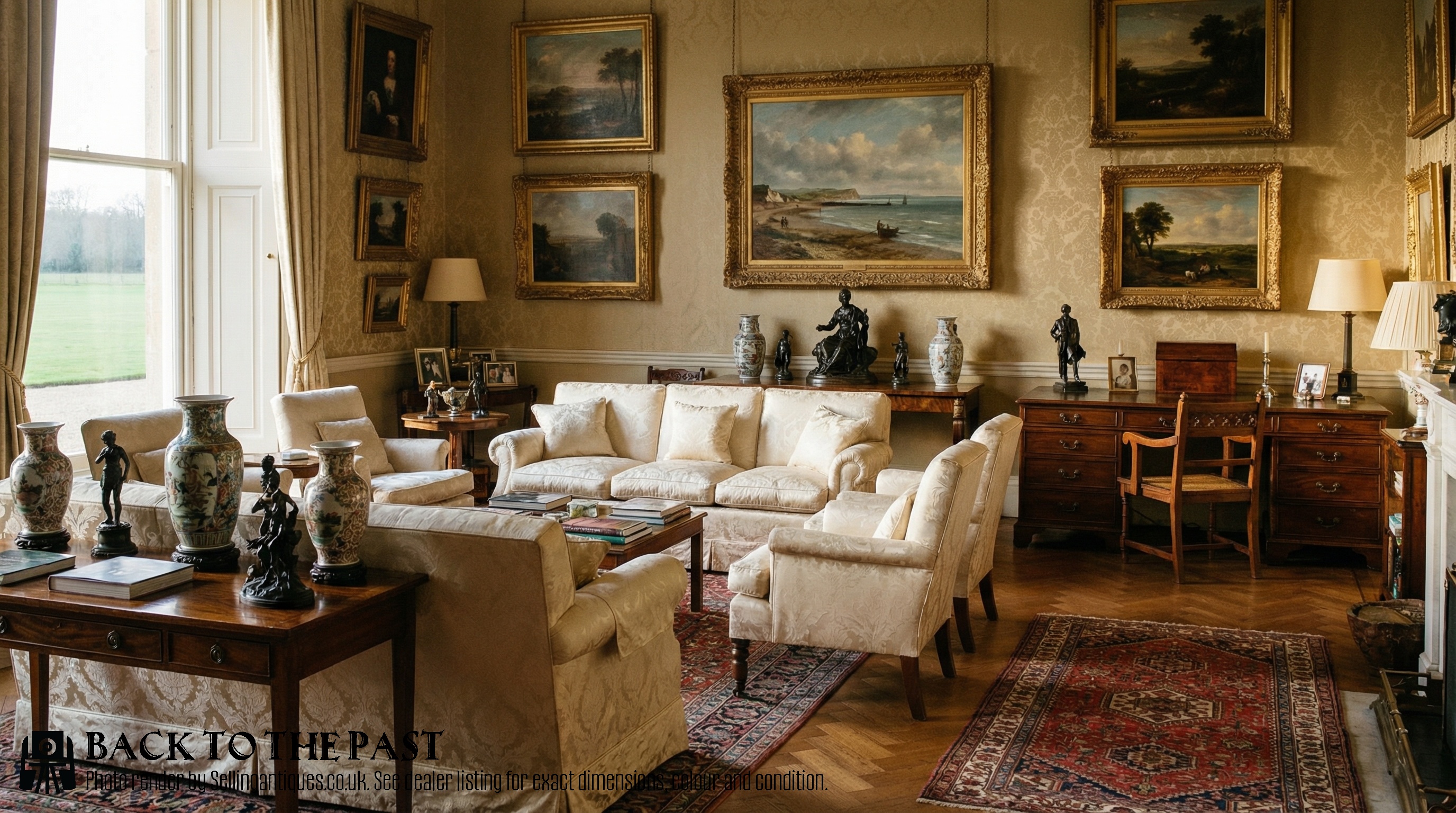
Regional variations span from Lincolnshire Windsors to Arts and Crafts interpretations, alongside occasional corner chairs and rocking chairs. These pieces suit domestic studies, firesides, and dining spaces where a heavy timber vernacular presence is desired.
How they were made
Cabinetmakers and rural joiners constructed these armchairs using solid oak for the primary frame, complemented by woods like elm, ash, and beech for seats, spindles, and legs. Turning lathes shaped the characteristic legs, stretchers, and arm supports, creating bobbin and spindle details through manual rotation.
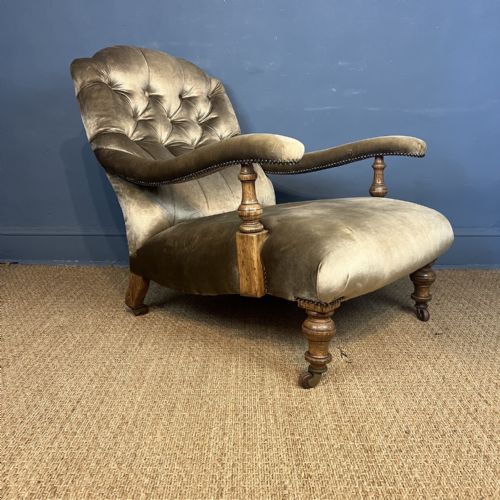
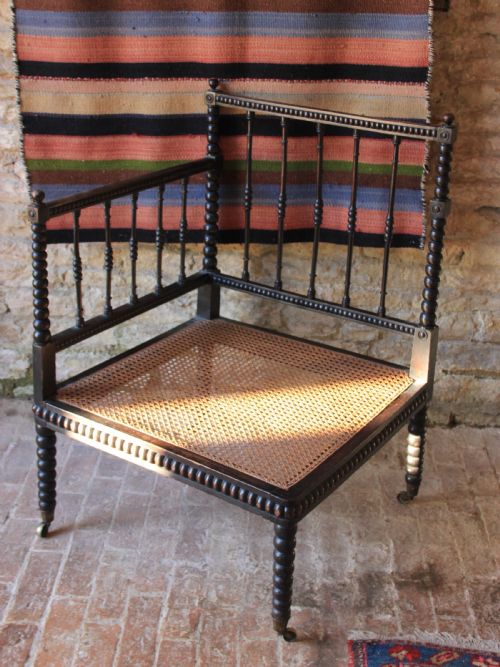
Joinery relied on traditional mortise and tenon joints secured with wooden pegs, while Windsor designs utilised through-wedged spindles driven directly into thick saddle-sculpted wooden seats. Seats and backs occasionally incorporated applied materials such as leather, rush, cane, or velvet, fixed with iron studs or webbing.
Cockfighting chairs feature low backs designed so gentlemen could straddle the seat backwards while watching bouts.
What varies in quality
Quality rests primarily in the integrity of the timber selection, the crispness of the hand-turned details, and the structural tightness of the joints. Denser, straight-grained oak frames with minimal replacement parts represent the higher end of the scale.
The degree of original surface finish and patination shapes desirability, with untouched timber surfaces commanding more attention than over-restored examples. Comfortable proportions and harmonious integration of secondary woods like elm seats within oak frameworks further distinguish superior workshop execution.
W.Williamson & Sons
The Turned Leg Oak Armchair Glossary
- Windsor chair
- A chair built with a solid wooden saddle seat into which the back and legs are separately inserted. This construction method provides notable structural rigidity.
- Bobbin turning
- A form of woodturning characterised by a succession of rounded spherical or cylindrical shapes resembling bobbins on a thread. It was popular in seventeenth-century joinery and nineteenth-century revivals.
- Rush seat
- A woven seating surface made from dried marsh rushes twisted into cords. It offers a resilient and traditional foundation for vernacular chairs.
- Wainscot chair
- An early heavy wooden armchair constructed from panelled oak. These chairs derive their name from wainscot timber imported for fine interior panelling.
Turned Leg Oak Armchair: Frequently Asked Questions
What is a turners chair?
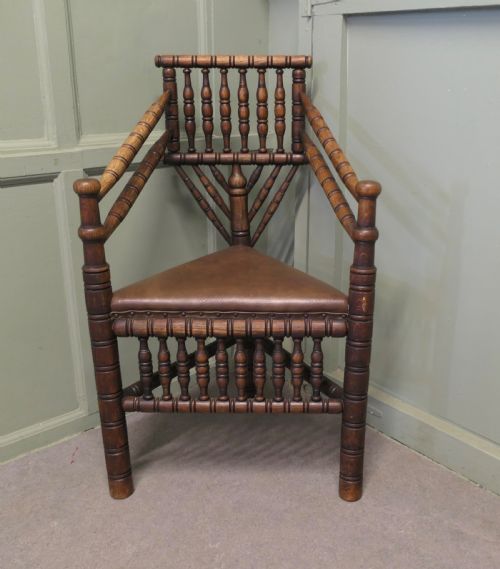
A turner's chair is a heavy, upright seating form constructed entirely from turned wooden posts and spindles. These pieces typically feature triangular or square seats and geometric spindle arrangements.
Rooted in early vernacular traditions, they frequently resurfaced in nineteenth-century revival outputs to satisfy interest in antique domestic history.
How do I care for leather seats?
Leather upholstery requires regular dusting with a dry cloth and occasional application of appropriate conservation leather cream to prevent cracking. Keeping the material away from direct heat sources maintains its suppleness.
Avoid using modern chemical detergents that strip natural oils from nineteenth-century hides.
Where were Windsor armchairs made?
Windsor armchairs were produced primarily by regional joiners and specialist chair bodgers across rural English districts such as Lincolnshire and the Thames Valley. Local workshops utilised regional timber supplies like native elm for seats and ash for bentwood bows.
Production eventually scaled into larger nineteenth-century manufacturing centres while retaining traditional framing techniques.
Can I use these chairs daily?
Most sturdy oak armchairs are structurally robust enough for regular daily seating when joints remain tight and stable. Period rush or cane seats require more careful usage to prevent punctures or snapping.
Placing felt pads beneath legs helps protect modern domestic flooring from heavy timber feet.