

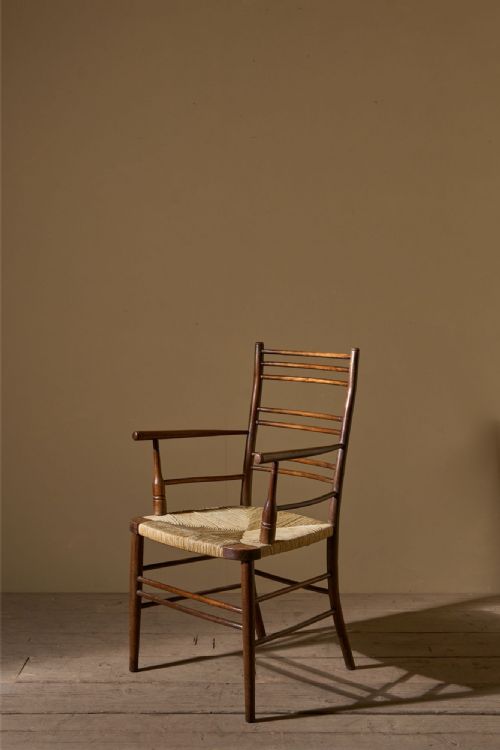
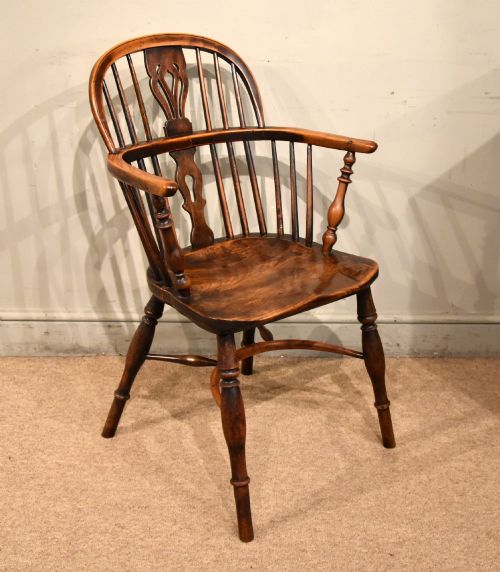
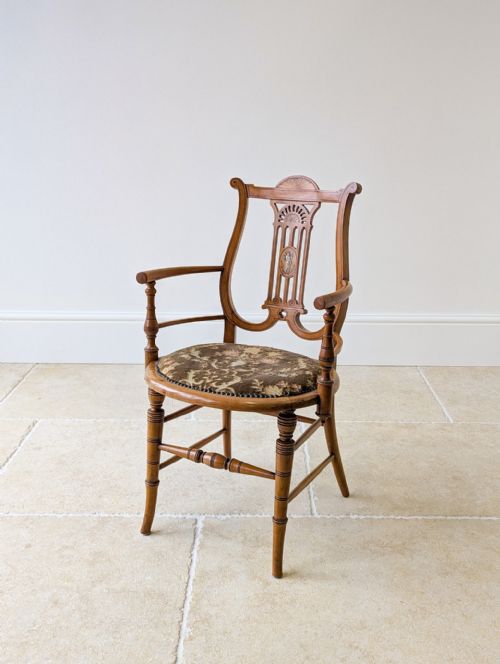
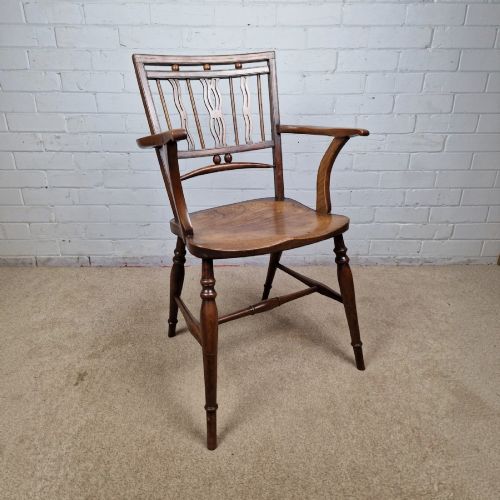


Turned Leg Elbow Chair
A turned leg elbow chair brings solid timber and sturdy joinery into a room, offering a comfortable seat with supportive arms for daily use.
Turned Leg Elbow Chair
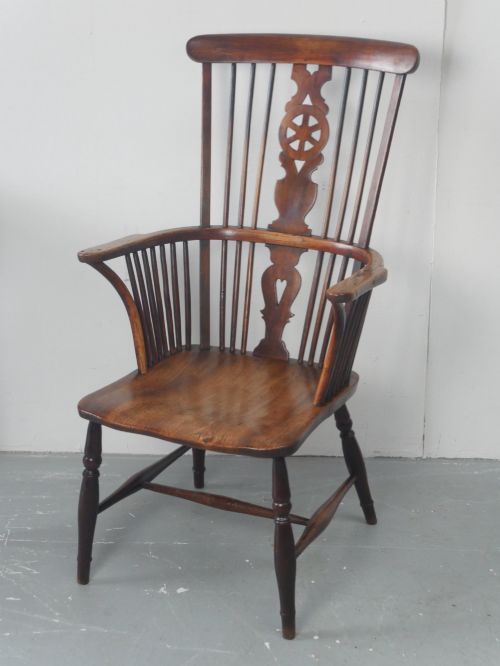
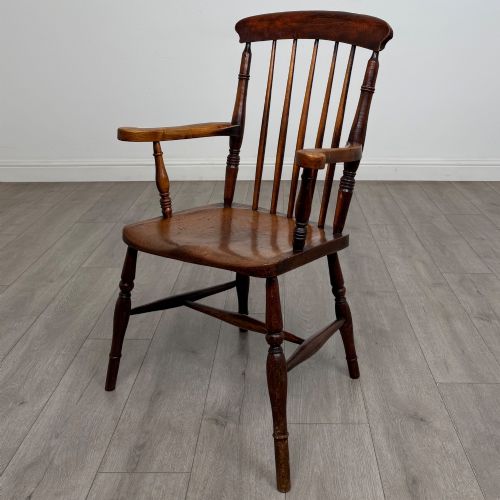
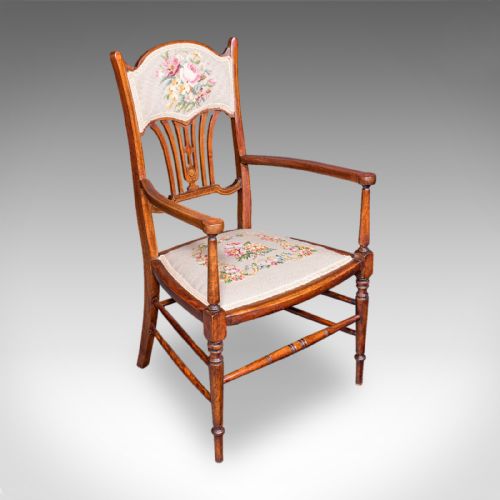
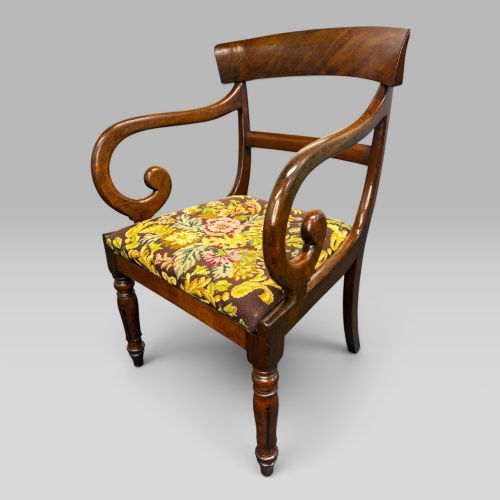
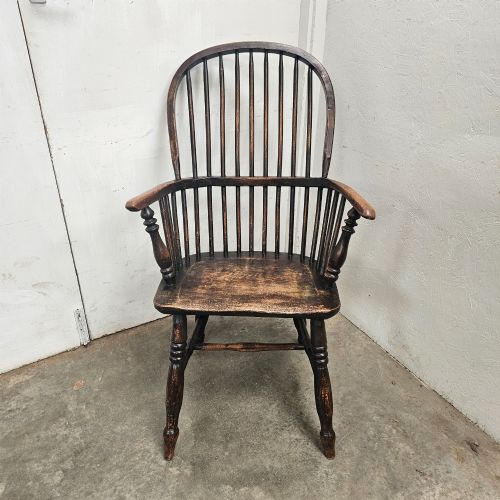
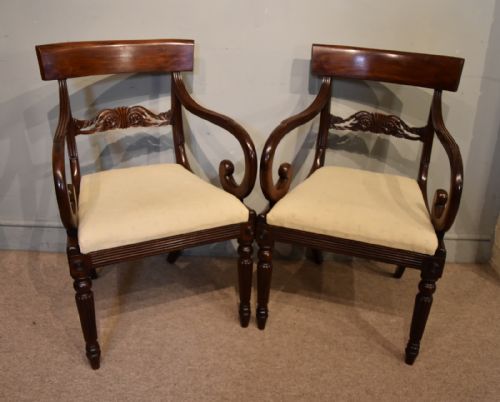
When you search for a turned leg elbow chair, you find sturdy seating built with shaped supports and armrests, spanning periods from the eighteenth century to the early twentieth century. These pieces encompass vernacular farmhouse styles, Windsor forms, and formal mahogany carvers.
The version you most frequently encounter on this page is the nineteenth century vernacular chair, constructed from native woods such as elm, ash, and oak. These utilitarian pieces combine functional armrests with turned structural components.
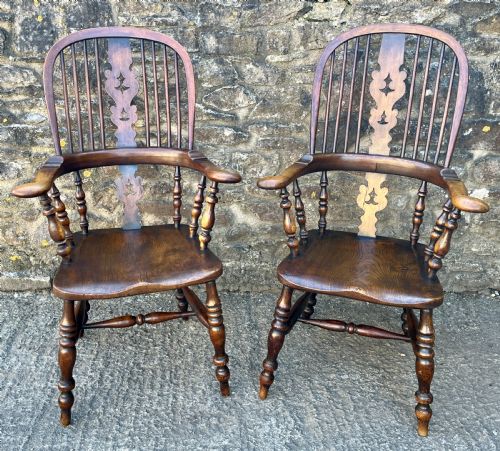
Regional variations appear regularly among the listings, from Mendlesham types to high back Windsor armchairs. Each variant reflects local timber supplies and traditional regional joinery methods.
How they were made
Cabinet makers and bodgers utilised native hardwoods, combining solid elm seats with ash, beech, or yew for spindles and turned legs. The contrasting timbers provided both flexibility and rigid support where needed.
Joinery relied on traditional methods, including wedged tenon joints and turned components shaped on a lathe. Rush and fabric upholstery provided cushioned seats on formal mahogany and oak models.
Several examples carry the designation Turner's Chair, linking domestic seating back to medieval three-legged Saxon forms.
What varies in quality
The distinction between standard utility seating and finer examples rests on the selection of timber and the precision of the turning. Rich grain patterns in yew and figured mahogany elevate a piece far above simple utilitarian ash and elm.
Structural integrity and the retention of original components dictate the character of each piece. Minimal replacement timber and crisp, unblemished turning distinguish the superior examples.
Rockley Maker·Gabbitass of Worksop
The Turned Leg Elbow Chair Glossary
- Elbow chair
- An armchair featuring low armrests designed to support the arms while seated at a desk or table.
- Windsor
- A traditional chair construction method where legs and back spindles are tenoned directly into a solid wooden seat.
- Carver
- A term often used interchangeably with an elbow chair, typically denoting a larger seat intended for the head of a dining table.
- Smokers bow
- A low-backed Windsor armchair with a continuous curved armrail, popular in nineteenth-century public houses and domestic parlours.
- Lathe back
- A chair back featuring flat vertical wooden slats or splats turned or shaped on a lathe.
Turned Leg Elbow Chair: Frequently Asked Questions
What is a turned leg elbow chair?
A turned leg elbow chair is a wooden seat featuring supportive armrests and legs shaped on a lathe. They range from simple farmhouse Windsor chairs to formal mahogany dining carvers.
These pieces served various domestic functions, acting as desk chairs, fireside seats, and dining table ends. Their robust construction made them central items in historical households.
How do I identify the wood used?
Examining the grain pattern and colour helps determine the timber. Elm often shows a distinctive interlocking grain, while yew exhibits deep reddish-brown tones with contrasting pale sapwood.
Ash and beech present a paler, straighter grain, frequently found in the structural spindles and turned legs of country seating. Oak displays prominent medullary rays when quarter-sawn.
Were these chairs used at dining tables?
Many elbow chairs and carvers served as seating for the head of a dining table. Their wider proportions and armrests provided a distinct status compared to side chairs.
Other variants functioned as desk chairs in libraries or morning rooms, offering comfort for extended periods of reading or writing.