
Turned Column Lamp Table
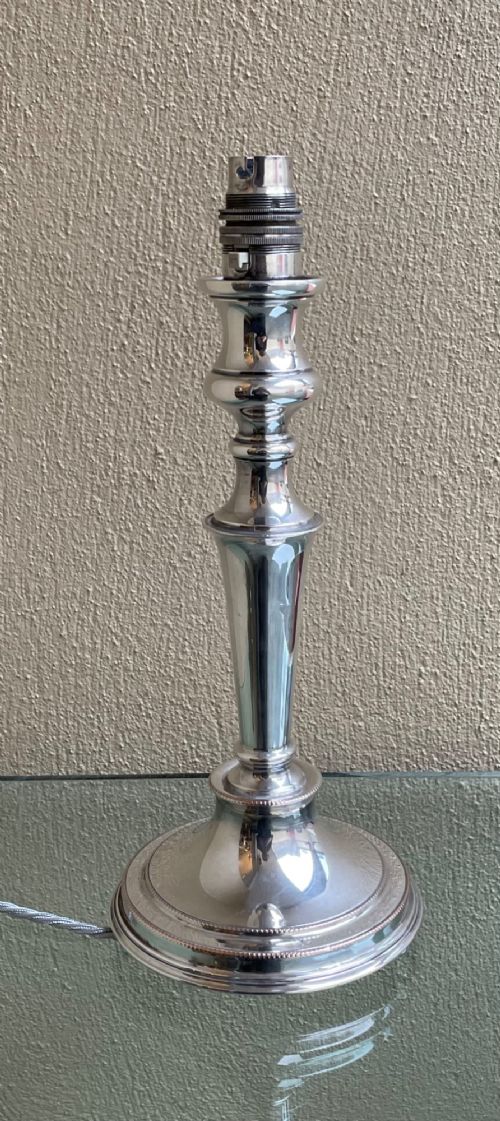
These turned column lamp table pieces bring practical elegance to a room, offering a sturdy pillar to hold a light or sit beside a chair.
Turned Column Lamp Table
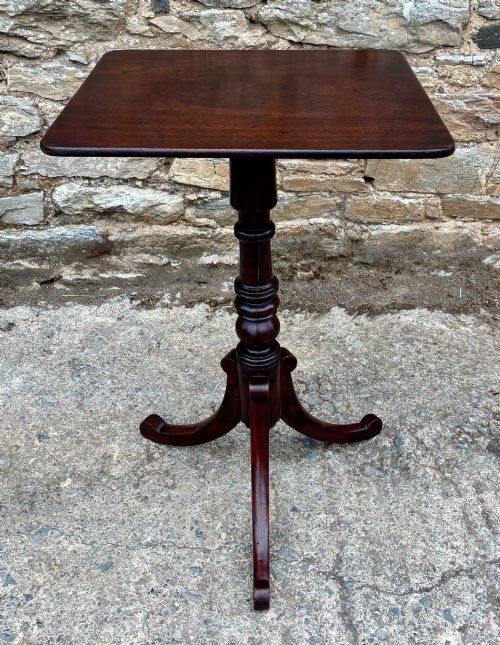
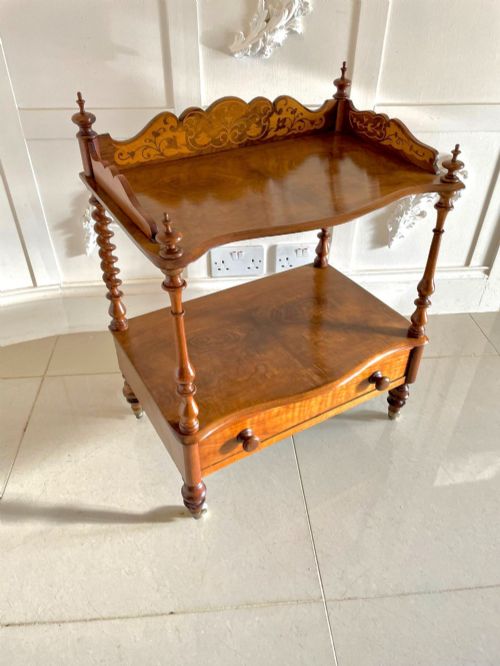
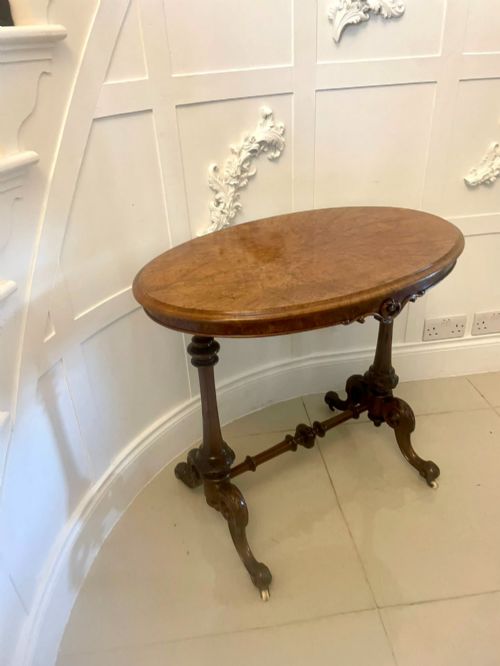
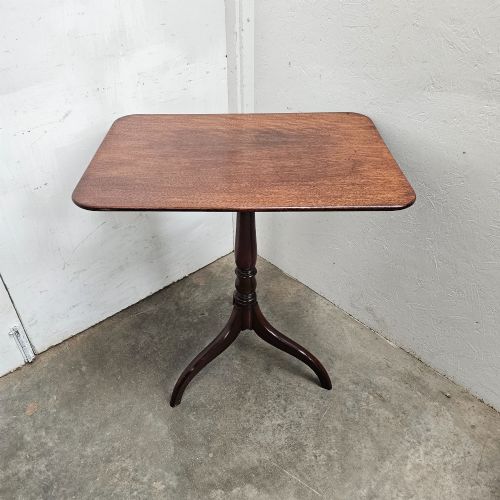
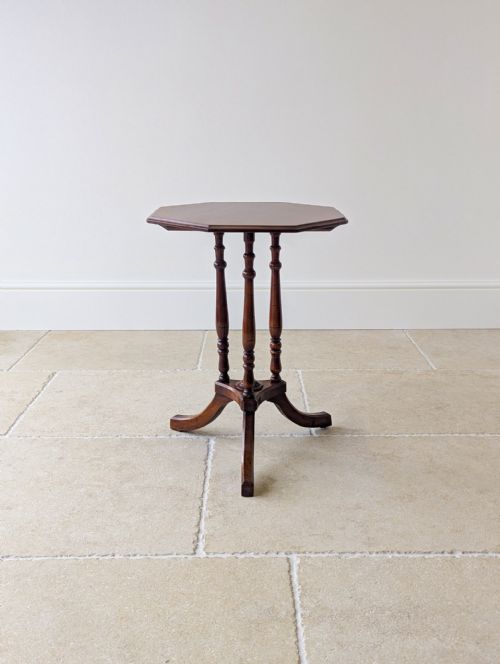
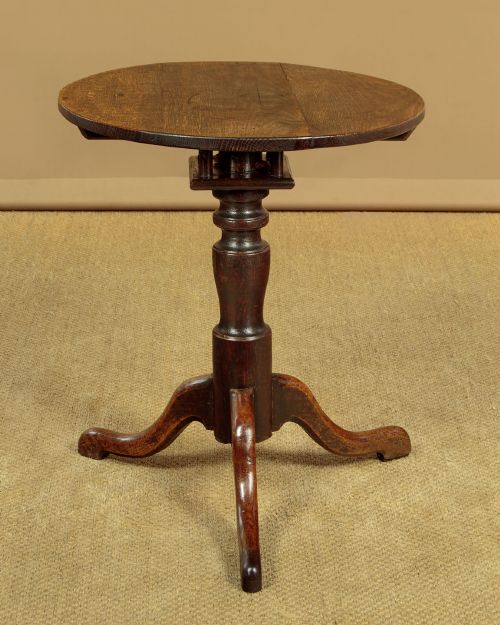
A turned column lamp table provides a raised surface for illumination or small items, taking forms such as side tables, occasional tables, wine tables, and tripod tables. Buyers searching for a turned column lamp table will encounter examples spanning the 18th century, Georgian, Regency, Victorian, and 20th century periods.
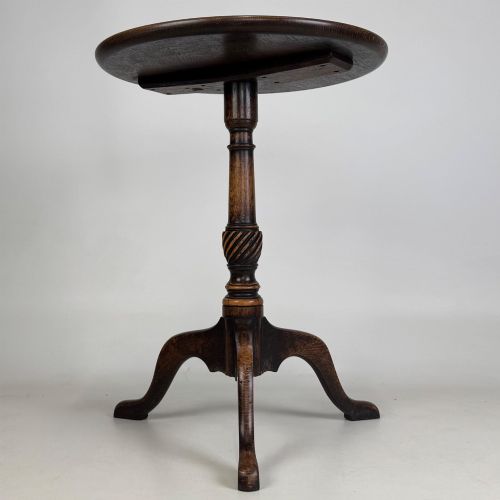
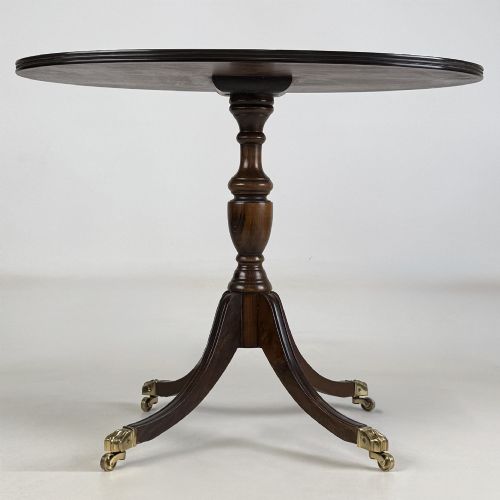
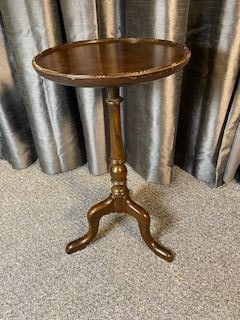
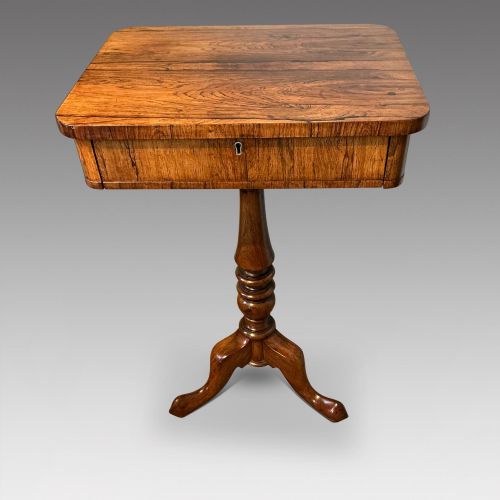
The construction typically involves a central turned pillar supporting a wooden top, often set upon a three-legged base. Many pieces double as wine tables or bedside cabinets, reflecting how makers adapted the form for different rooms.
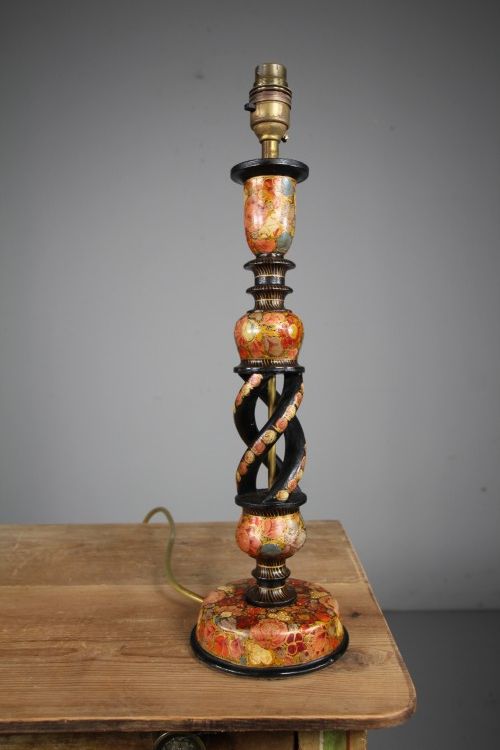
Origins range from English workshops to continental Europe and Kashmir, bringing diverse stylistic details like brass mounts, boxwood stringing, or painted finishes to the basic turned column lamp table format.
What varies in quality
The selection of timber dictates the visual depth of a turned column lamp table, with burr walnut, figured mahogany, and yew wood sitting above standard plain woods. Timber choice directly influences the grain pattern and overall weight of the piece.
Precision in the turning of the central column and the tightness of the tripod leg joints separate superior examples from simpler utilitarian items. Finer pieces display crisp mouldings, balanced proportions, and careful integration of brass or inlaid detailing.
Listings feature woods such as mahogany, oak, walnut, burr walnut, yew wood, and painted pine across Victorian, Georgian, and Regency periods.
The Turned Column Lamp Table Glossary
- Tripod table
- A small occasional table supported by three legs radiating from a central turned column. This configuration prevents wobbling on uneven floors.
- Tilt top
- A table mechanism allowing the wooden top to pivot vertically when not in use. This design saved space in period rooms.
- Occasional table
- A light, movable small table intended for specific, temporary uses around a room. They appear in various shapes including round, square, and octagonal.
- Boxwood-strung
- Inlaid with thin lines of pale boxwood to create contrasting borders on table tops. It highlights the edges of geometric veneers.
- Vernacular
- An object made by local craftsmen following regional traditions rather than high-style metropolitan fashions. These pieces often utilise local timbers like oak and ash.
Turned Column Lamp Table: Frequently Asked Questions
Where should I place a turned column lamp table?
These tables fit easily beside armchairs, sofas, or beds where you need a steady surface for a lamp or a cup. Their compact footprints allow them to tuck into corners or small wall spaces.
Because many examples feature pedestal bases, they slide close to seating without cumbersome legs blocking your feet.
How do I identify a Georgian turned column lamp table?
Georgian pieces generally rely on solid mahogany or oak construction, showcasing simple, robust proportions and hand-turned pillars without heavy Victorian ornamentation. Look for pegged joints and honest timber surfaces.
Subtle details like birdcage mechanisms for tilt-top tables or pad feet on tripod bases often point toward 18th-century craftsmanship.
Can I use a wine table as a lamp table?
Wine tables share the exact same height and tripod column structure as smaller lamp tables. Their circular tops provide ample space for a modest table lamp and a book.
Many pieces listed as wine tables serve this dual purpose perfectly in modern interiors.
What is the difference between Victorian and Regency examples?
Regency versions lean toward clean classical lines, restrained brass mounts, and rich mahogany veneers inspired by Neoclassical taste. They often feature delicate reeding on the turned column.
Victorian models tend to introduce heavier proportions, darker finishes, and more elaborate burr walnut veneers or inlaid decoration.