

Tripod Lamp Stand
A tripod lamp stand provides a stable three-legged base for lighting or small surfaces, combining practical elevation with traditional craftsmanship.
Tripod Lamp Stand
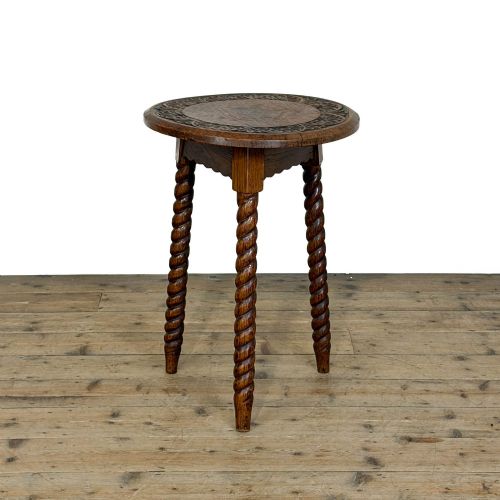
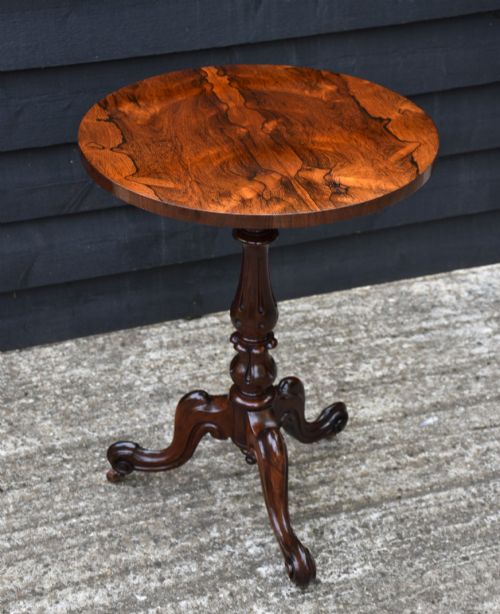
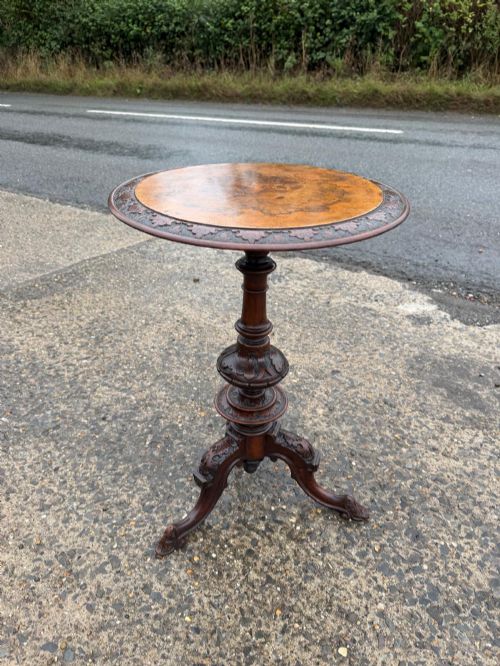
When you search for a tripod lamp stand, you encounter a varied selection of antique furniture adapted for lighting or display. The listings span multiple eras, including Georgian, Victorian, Regency, and Edwardian periods.
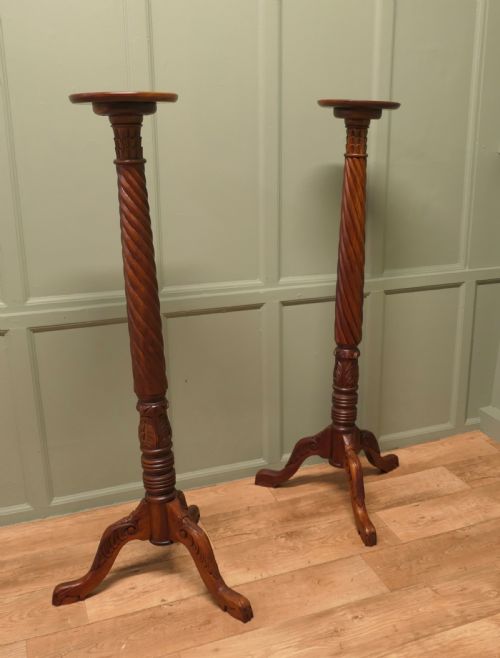
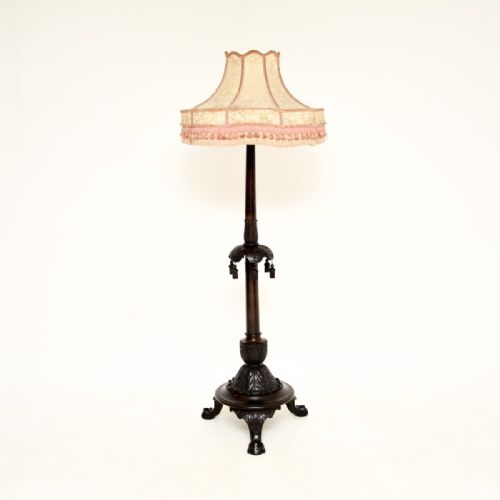
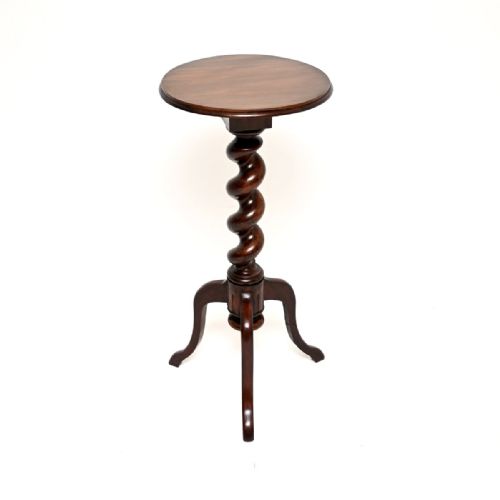
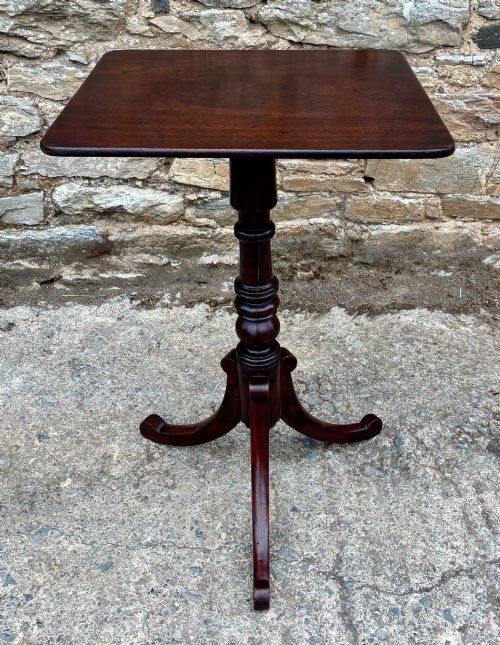
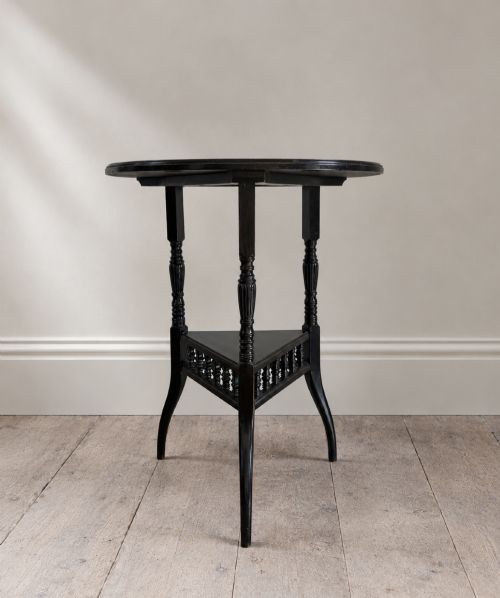
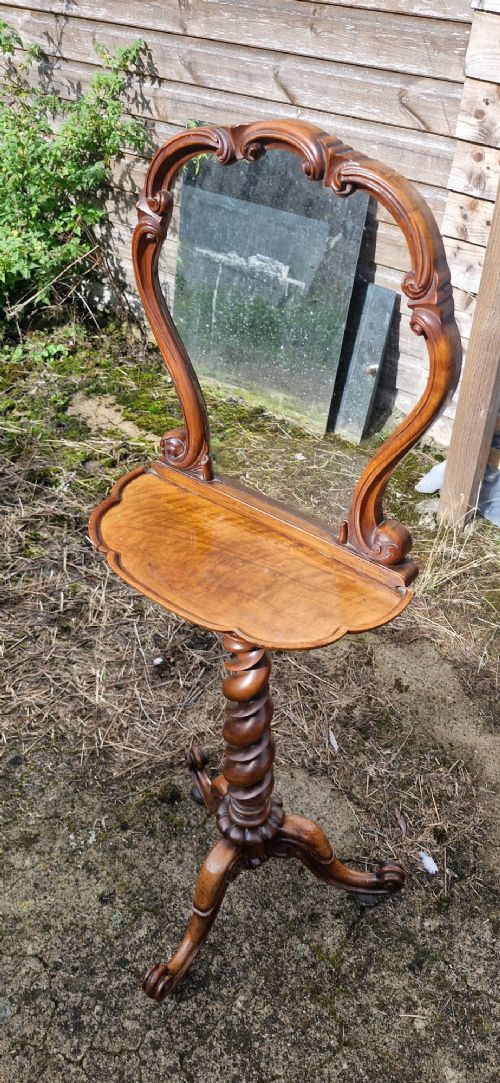
The objects on this page fall primarily into two functional categories: tall floor-standing lamp bases or torchieres, and smaller occasional tables or wine tables utilised to hold lamps. These pieces originate from domestic settings where portable illumination or compact surfaces were essential.
Mahogany is the predominant timber found in these constructions, alongside oak, walnut, rosewood, and occasional painted finishes or giltwood details. Alongside wooden variants, brass and silver-plated metal floor standards appear frequently among the listings.
How they were made
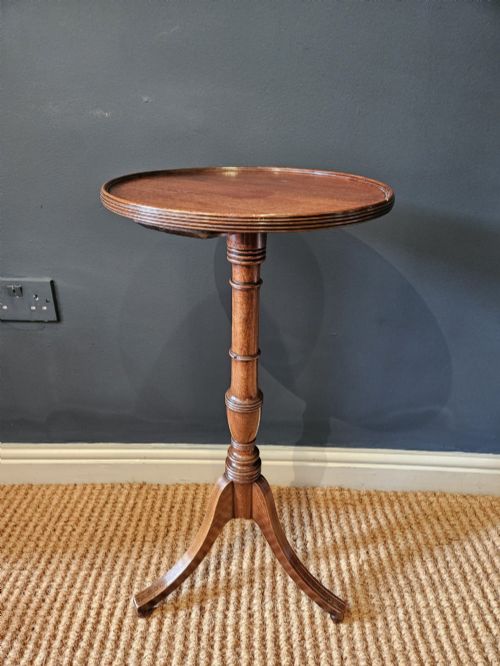
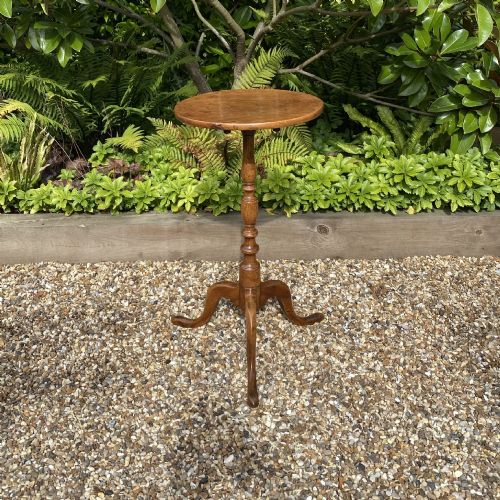
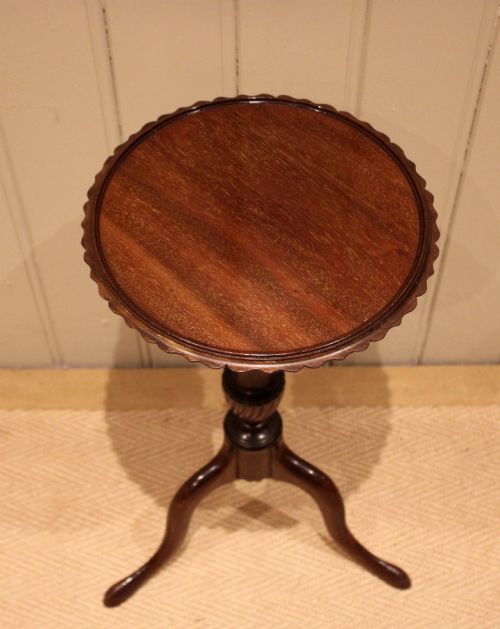
Cabinet makers constructed the tables and torchieres using dense hardwoods like mahogany, oak, and walnut, often shaping circular tops with tilt mechanisms, snap-top catches, or raised pie crust rims. Turning lathes formed the central pillars, while three splayed legs provided steady support at the base.
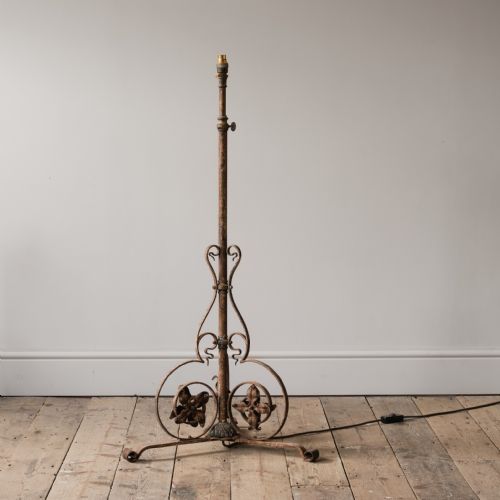
Metal floor lamps and torchieres utilise cast brass or silver plate, incorporating adjustable mechanisms such as rise-and-fall rods or twin candle arms. Blacksmith-made iron standards also feature in the selection, demonstrating utilitarian metalworking techniques from the nineteenth century.
Materials span mahogany, oak, walnut, rosewood, brass, and silver plate, alongside painted and gilded decorative finishes.
What varies in quality
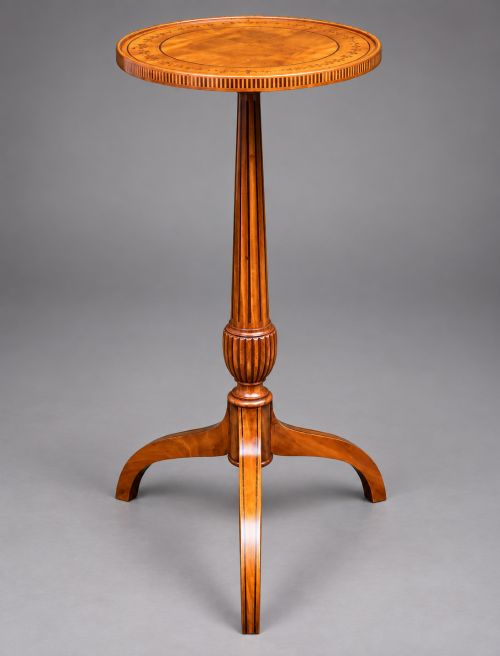
The standard of a tripod lamp stand rests upon the choice of timber and the precision of its joinery. Selected grain patterns, such as burr wood tops or highly figured satinwood inlay, distinguish finer decorative examples from plain utilitarian items.
Structural stability depends on the execution of the three-legged base and the central column turning. Superior pieces exhibit balanced proportions, well-fitted tilt-top mechanisms, and refined hand-carving on the knees and feet of the legs.
Gillows·Maison Ramsay
The Tripod Lamp Stand Glossary
- Torchere
- A tall stand designed to support a lamp or candle. These slender pedestals elevate light sources above floor level.
- Tilt top
- A tabletop hinged to the central pillar so it can pivot vertically when not in use. This mechanism allowed furniture to be stored flat against a wall.
- Pie crust rim
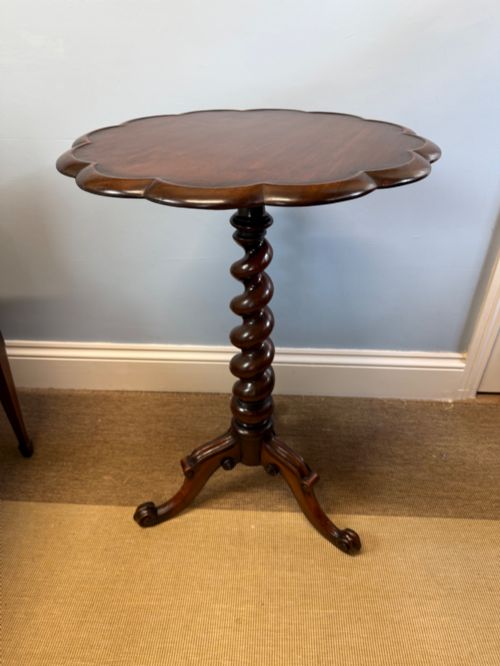
- A raised, decoratively carved edge shaped around the perimeter of a circular table top. The undulating profile resembles pastry work.
- Snap top
- A spring-loaded catch securing a tilting tabletop in its horizontal position. It prevents the surface from pivoting unexpectedly during use.
- Occasional table
- A small, movable table used for specific minor tasks such as holding a lamp or drink. These versatile pieces sit easily beside seating.
Tripod Lamp Stand: Frequently Asked Questions
What is a tripod lamp stand used for?
These pieces function primarily to elevate lighting apparatus or provide a small surface area for domestic objects. They support floor-standing oil lamps, electrical standards, or table lamps depending on the height of the central shaft.
Historically, tall torchieres held candles or oil lamps to illuminate dark corners of reception rooms. Shorter variants functioned as wine or occasional tables positioned beside seating.
How do I date a tripod table?
Dating relies on observing timber choices, construction methods, and prevailing design styles across different historical periods. Georgian and Regency examples often feature solid mahogany with hand-turned pillars, while Victorian pieces incorporate burr veneers and heavier carving.
Later Edwardian and revival pieces borrow earlier motifs but employ twentieth-century assembly techniques. Examining the underside of the top and the joints of the three legs reveals how the piece was put together.
Are these stands stable on carpets?
A three-legged base naturally rests firmly on uneven surfaces because three points define a single plane. This makes them less prone to rocking than four-legged furniture.
However, tall floor lamps with heavy brass fittings require careful placement to ensure the centre of gravity remains balanced over the spread of the feet.