


Turn of Century Side Table
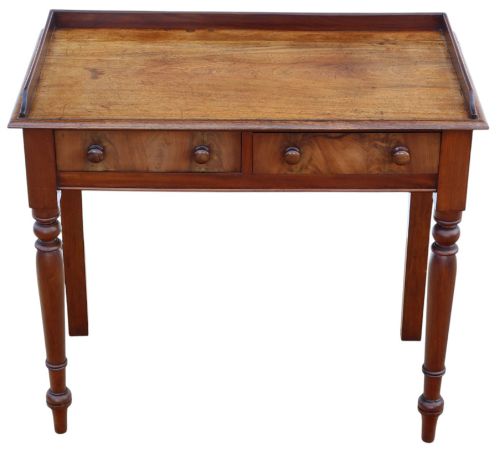
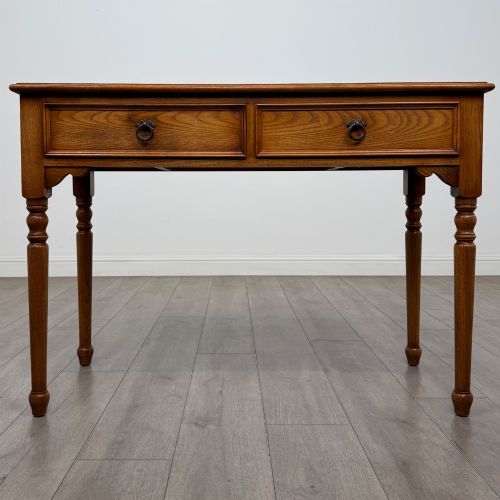
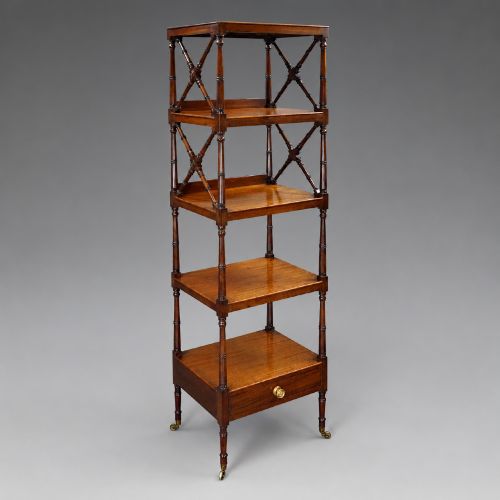
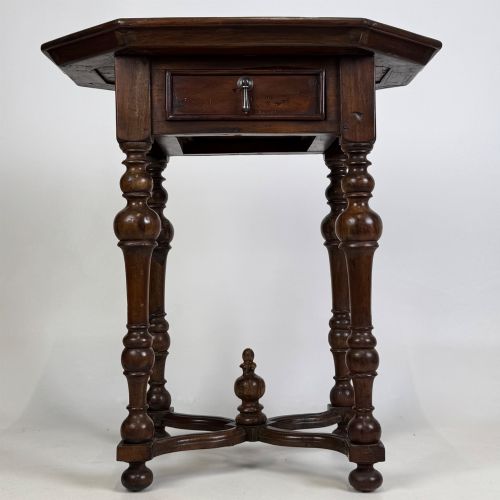
A turn of century side table brings compact utility and traditional timber grain into a hallway, sitting room or study.
Turn of Century Side Table
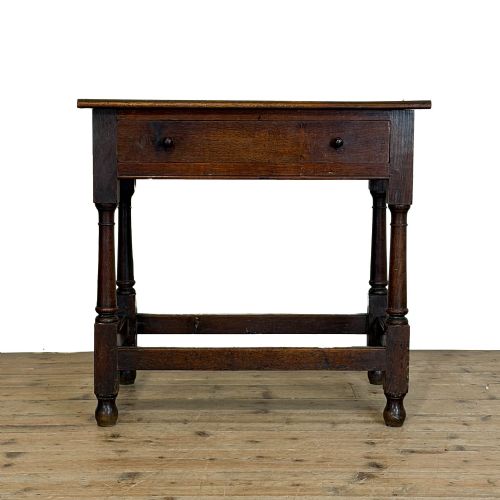
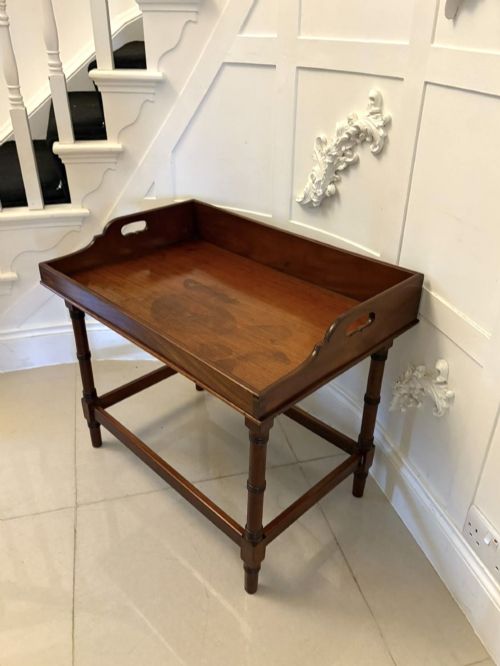
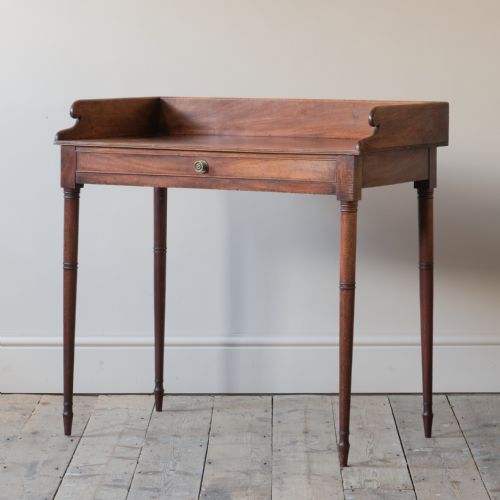
A turn of century side table spans pieces made during the Victorian, Edwardian and early twentieth century periods, reflecting shifting domestic habits of the era. Buyers seeking a turn of century side table encounter diverse forms such as occasional tables, wine tables, Pembroke tables and small lamp tables. These items originate from workshops utilising regional woods and established cabinet-making traditions across Britain.
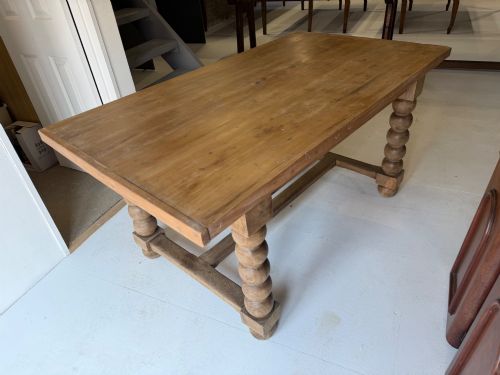
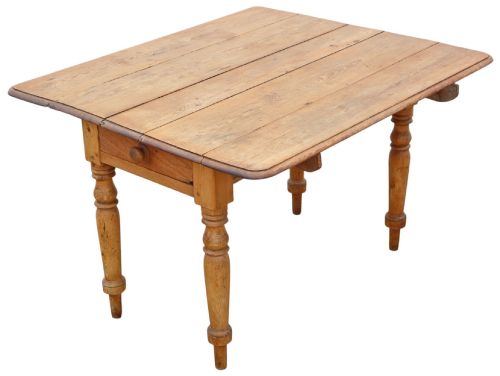
The selection ranges from simple pine and oak kitchen tables to finely figured mahogany and burr walnut occasional pieces. Stylistic influences vary widely, incorporating Georgian proportions, Regency elegance, Jacobean Revival heft and Victorian practicality. Most examples serve secondary functions in living spaces, holding lamps, books or decorative objects near seating areas.
Materials and Construction
Cabinet makers constructed these tables using a variety of hardwoods and softwoods, predominantly oak, mahogany, walnut, pine and occasionally rosewood or satinwood. Solid timbers and veneered surfaces appear alongside structural elements in brass, iron and metal. Joinery techniques depended on the period and form, utilising mortise and tenon joints, dovetails for drawers and turned or carved supports.
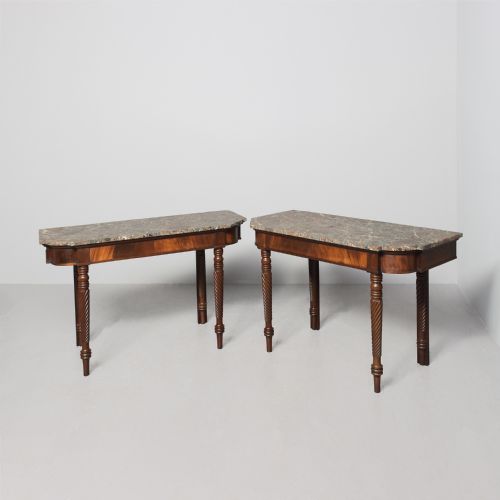
Surface treatments and secondary materials define the character of each piece, from leather inserts on writing tables to marble tops on hall tables. Turning appears frequently on legs and pedestals, creating bobbin, spiral or simpler tapered configurations. Drop-leaf and gateleg mechanisms provide folding utility in smaller formats.
Listings feature oak, mahogany, walnut, pine and rosewood across periods from the seventeenth century through to the Edwardian era.
Distinctions in Execution
The choice of timber grade and figure dictates much of the visual appeal, separating standard utility items from more ambitious commissions. Finely figured flame mahogany, burr walnut or select quarter-sawn oak indicate greater investment of time by the maker in selecting materials. Subtle details in carving, inlay and edge moulding separate routine workshop output from superior examples.
Structural integrity relies on the precision of joints and the stability of timber over decades of use. Tables retaining original hardware, functional drawers and sound pedestal bases demonstrate careful original construction and subsequent maintenance. The alignment of grain and symmetry in turned components further distinguish better examples.
The Turn of Century Side Table Glossary
- Pembroke table
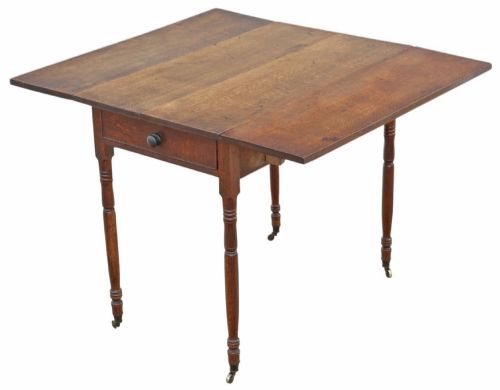
- A small table with hinged flaps on either side that can be raised to extend the surface. These versatile pieces gained popularity during the eighteenth century and remained common into the Victorian era.
- Tripod table
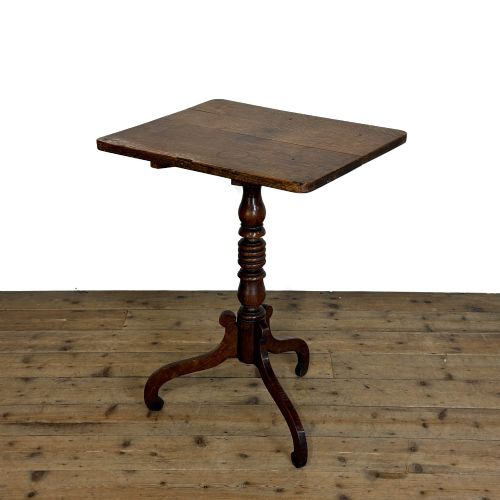
- A small occasional table supported by a central pillar resting on three legs. They often feature tilt-top mechanisms for storage.
- Sutherland table
- A narrow drop-leaf table where the leaves comprise a very large proportion of the top. When dropped down, the table occupies minimal floor space.
- Gateleg table
- A table with one or two hinged leaves supported by legs that swing out like a gate. This design provides robust support for an expanded surface.
- Burr walnut
- Wood taken from a tree growth or burl, yielding intricate, swirling grain patterns. Cabinet makers prized this material for decorative veneering on high-status surfaces.
Turn of Century Side Table: Frequently Asked Questions
What is a turn of century side table?
A turn of century side table is a small surface piece produced around the transition from the nineteenth to the twentieth century. These items include occasional tables, lamp tables and Pembroke tables designed for domestic utility.
They reflect the transition from ornate Victorian tastes towards the simpler lines of the Edwardian period. Workshops utilised timbers such as oak, mahogany and walnut to build these functional items.
How were these tables used originally?
These tables served various practical functions in sitting rooms, hallways and bedrooms of period homes. They provided a stable surface for holding lamps, writing materials, drinks or decorative ornaments.
Smaller formats like wine tables and spider-leg tables could be moved easily around a room as needed. Drop-leaf and gateleg versions offered flexible space-saving utility for smaller apartments and townhouses.
How do I identify the period of a table?
Identifying the period involves examining the combination of timber, construction methods and stylistic revival details. Victorian pieces often display heavier proportions and darker finishes, while Edwardian examples frequently show lighter oak or satinwood.
Hardware types, drawer dovetailing and secondary woods inside the construction also offer clues to the decade of manufacture. Comparing the stylistic motifs against documented examples helps confirm the era.
Where should I place a side table?
A side table fits well beside a sofa, armchair or against a hallway wall where surface space is required. Their compact footprints allow them to occupy tight corners without crowding a room.
They work effectively as lamp stands, plant pedestals or bedside surfaces. Pairing the timber tone with existing room furniture helps integrate the piece smoothly.