


Turkmen Chuval Rug
A turkmen chuval rug is a tribal storage bag face woven in Central Asia, prized by collectors for deep madder tones and complex gul motifs.
Turkmen Chuval Rug
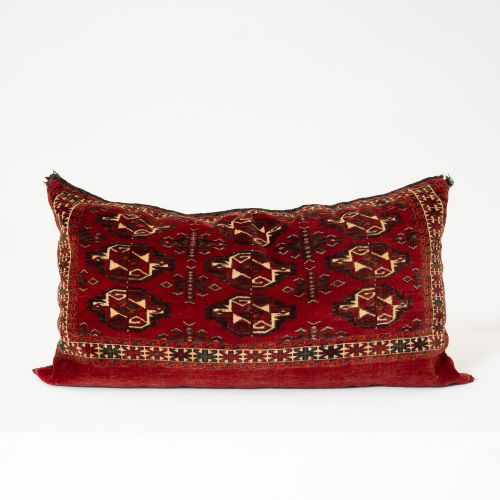
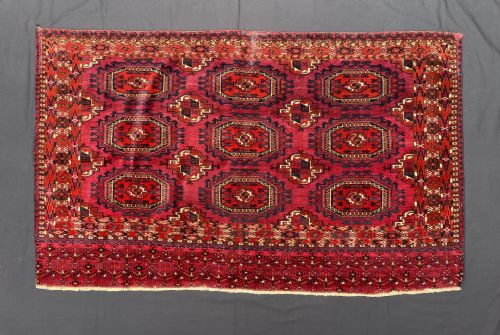
When you search for a turkmen chuval rug, you encounter traditional Central Asian tribal storage bag faces and cushions originating from nomadic groups such as the Tekke, Yomut, Ersari, and Saryk tribes. These pieces were originally used inside yurts for household possessions and bedding, woven with distinct repeating medallions known as guls.
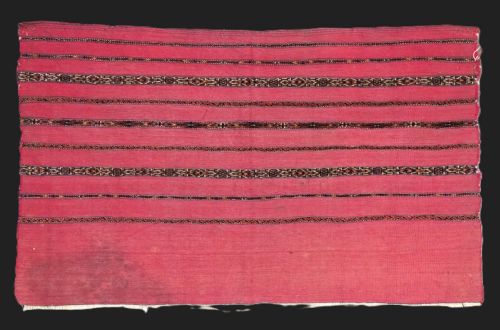
Most examples found on this page date from the nineteenth century, ranging from fragment pieces to complete bag faces retaining their plain weave backs and hanging loops. The forms include standard multi-gul layouts, secondary elem panels at the lower borders, and specific colour variants like the red kizil and white ak types.
How they were made
Weavers constructed these textiles primarily from hand-spun wool foundations and pile, occasionally incorporating cotton and crimson silk for structural contrast or decorative highlights. Natural dyes provided the deep madder red, plum, and ivory palettes characteristic of nomadic weaving traditions.
The density of the weave varies considerably, utilising tight knotting techniques on wool warps to create durable surfaces suitable for daily use inside tents. Surviving items often preserve original flatweave backs, side cords, and suspension loops used to secure the bags to lattice tent walls.
Some nineteenth-century weavers added tiny white cotton highlights just to make the central medallions pop against the dark red wool.
What varies in quality
The fineness of the knotting and the precision of the gul drawing distinguish the upper tier of these textiles from standard examples. Pieces with high knot counts and crisp secondary ornaments reflect advanced technical skill among nomadic weavers.
Completeness also dictates standing, with bag faces that retain their original plain weave backs, lower elem panels, and hanging loops commanding greater interest than fragmentary or trimmed examples.
The Turkmen Chuval Rug Glossary
- Chuval
- A large tent storage bag used by nomadic tribes in Central Asia for bedding and household goods. The face was typically woven with repeating primary guls.
- Gul
- A repeating medallion or octagonal motif central to Turkmen carpet design. Different tribes utilised distinct gul patterns to signal clan identity.
- Elem
- The decorated lower panel situated beneath the main field of guls on a bag face or rug. This section often displays floral or tree motifs.
- Torba
- A smaller storage bag format compared to the chuval, usually wider than it is tall. These pieces served similar domestic storage functions within the yurt.
- Kizil
- A term denoting red-ground Turkmen weaving types dominated by rich madder dyestuffs. These pieces display deep crimson fields behind the primary medallions.
- Tekke
- A major Turkmen tribal group known for producing finely knotted chuvals featuring dense layouts of major and minor guls. Their work represents a large portion of surviving pieces.
Turkmen Chuval Rug: Frequently Asked Questions
How were these storage bags used?
Nomadic families hung these large bags against the interior lattice walls of their yurts to keep bedding, clothing, and valued possessions organised and clean. The sturdy construction protected the contents from damp ground and dust.
Many surviving examples still show original hanging loops attached to the top edge. When families moved camp, the bags were easily taken down, emptied, and transported across the steppes.
How do you identify different tribal groups?
Tribal attribution relies primarily on the specific shape and arrangement of the guls, along with the secondary minor motifs and colour palettes. Tekke pieces often show precise octagonal guls, while Yomut and Ersari examples display alternative drawing styles and border arrangements.
Structural details such as the composition of the side cords and the presence of white cotton or silk highlights also help experienced collectors separate one tribal workshop from another.
How should I care for an antique textile?
Displaying these textiles out of direct sunlight prevents the natural madder dyes and wool fibres from fading over time. Gentle vacuuming with low suction across a mesh screen helps remove dust without stressing the old foundation threads.
Avoid hanging heavy pieces by isolated points; instead, distribute the weight evenly using a padded sleeve or a specialist textile mount. Professional conservation cleaning should only be undertaken by specialists familiar with antique nomadic woolwork.