




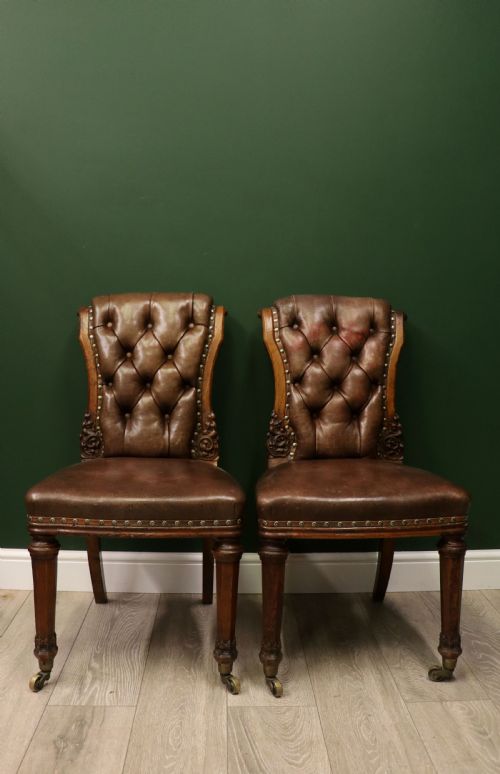
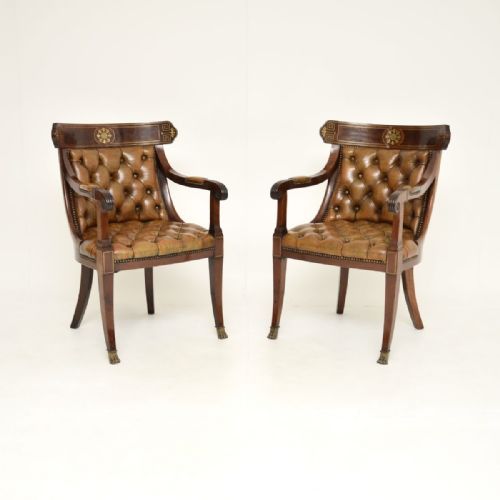
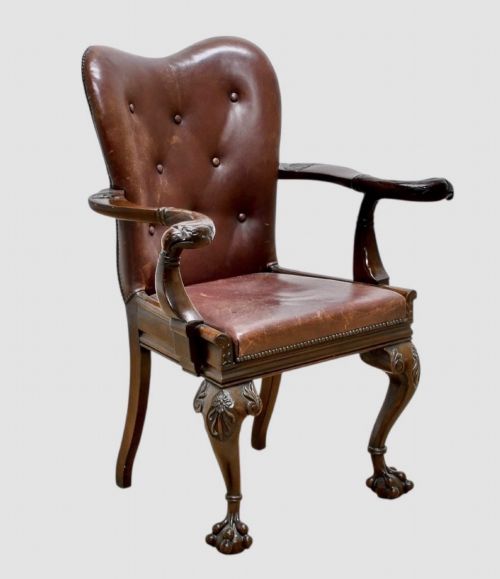


Tufted Leather Desk Chair
A tufted leather desk chair is a sturdy seat designed for study and writing, built to last generations.
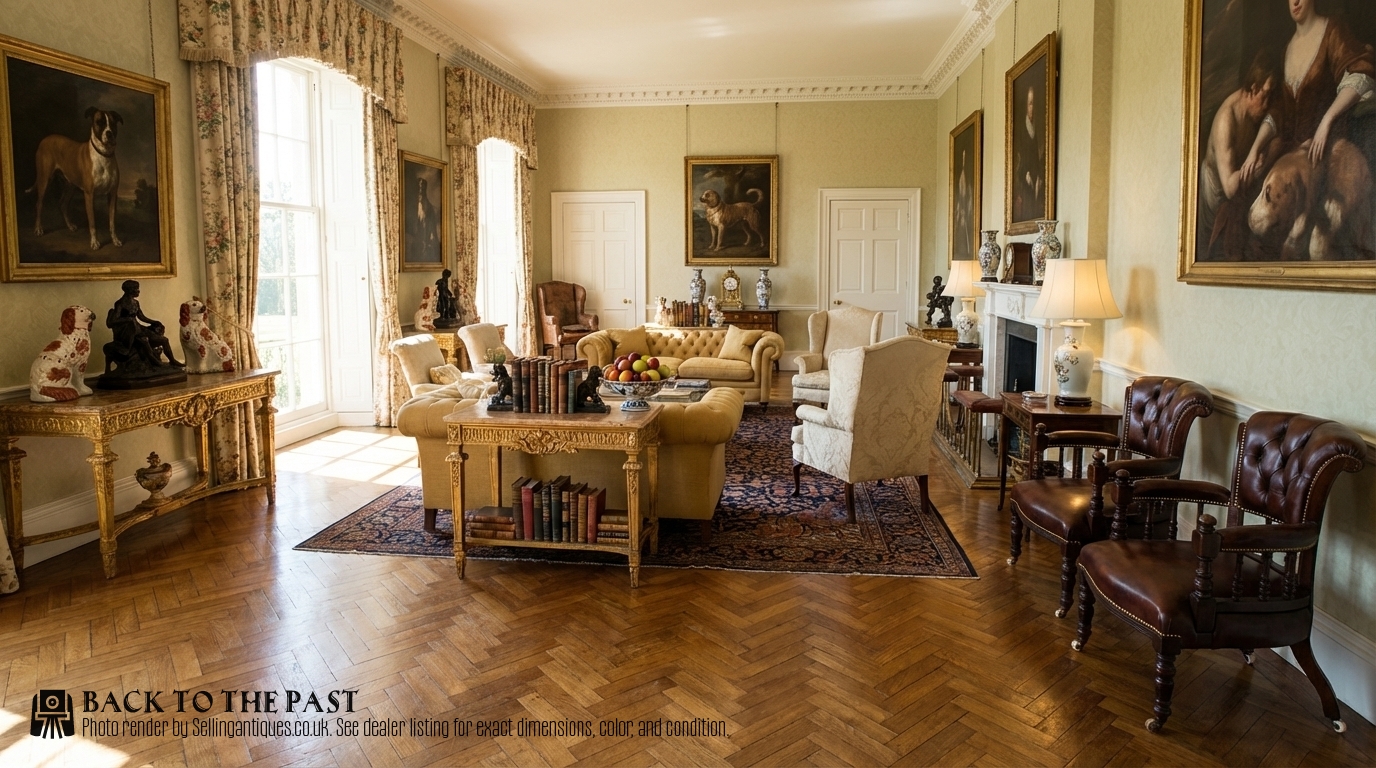
Tufted Leather Desk Chair
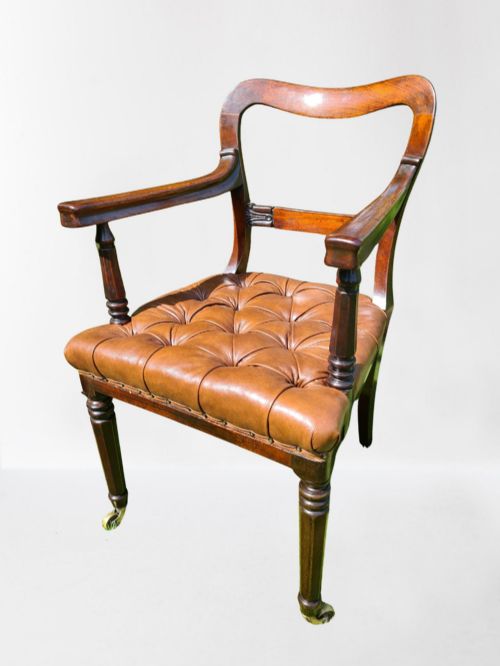
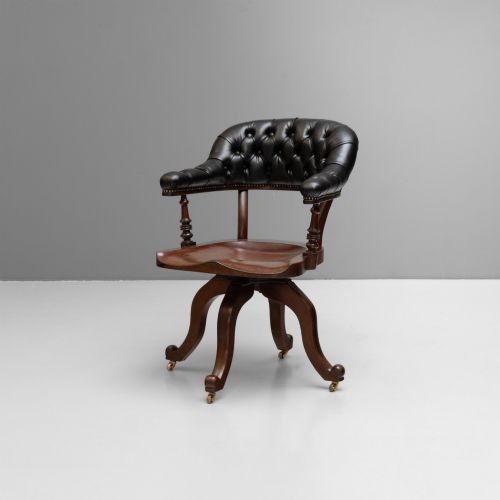
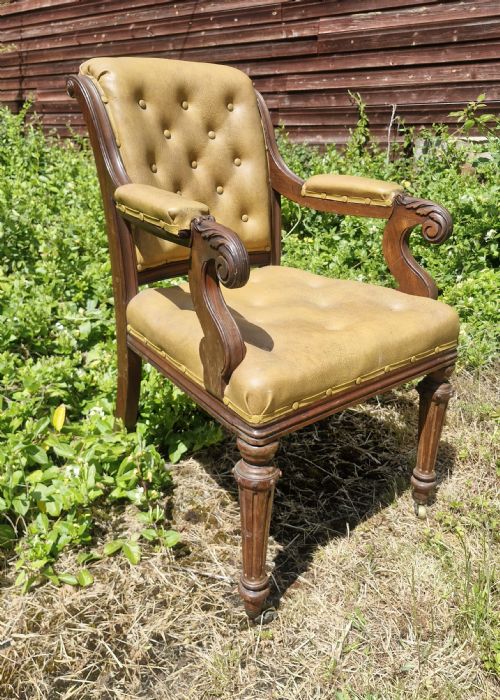
A tufted leather desk chair brings traditional comfort and period presence to a study or office space. Buyers seeking a tufted leather desk chair will find pieces originating from the nineteenth century onward, including Victorian, Regency, and Georgian periods. These chairs appear in forms such as revolving desk chairs, library armchairs, and captains desk chairs.
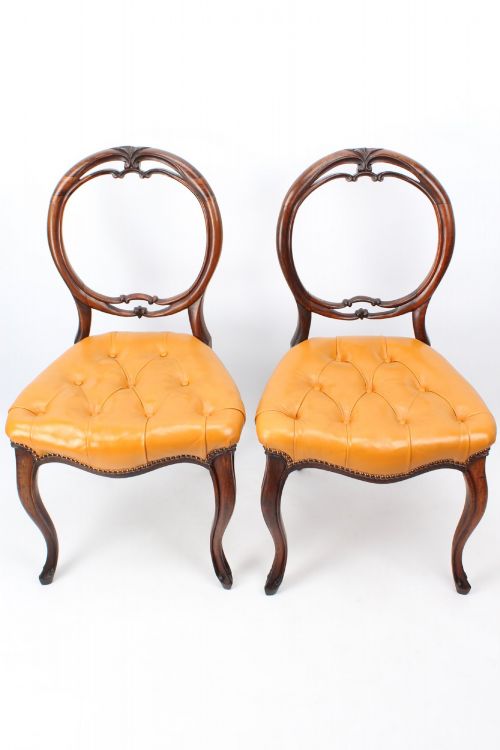
The materials recorded in the evidence shape the character of each piece, combining robust timber frames with durable leather upholstery. Mahogany, oak, and walnut frames dominate the selection, frequently paired with buttoned or tufted leather seats and backs. Brass details and metal mechanisms appear on revolving examples from the Victorian era.
Originating from British workshops and country houses, these seating options range from simple side chairs to generous library armchairs. The selection includes specific historical revivals, such as Gothic Revival and Arts and Crafts interpretations, alongside classic period designs.
How they were made
Cabinet makers built the structural frames using dense hardwoods like mahogany, oak, walnut, and rosewood, employing traditional joinery to ensure stability under daily use. Timber components were often carved, turned, or inlaid with brass to reflect the prevailing style of the period.
Upholsterers secured leather hides over internal padding, finishing the surface with deep buttoning or tufting to keep the cushioning evenly distributed. Metal swivel mechanisms and iron hardware were integrated into revolving desk chairs as mechanical production methods advanced through the nineteenth century.
Tufted Leather Desk Chair Retail Price Guide 2026
Typical asking prices for tufted leather desk chair among the pieces listed under this phrase on Sellingantiques today, from the lower quarter to the upper quarter. They describe what is for sale here now, not the wider market.
Listings feature nineteenth-century periods including Victorian, Regency, Georgian, and William IV, utilising mahogany, oak, walnut, and leather.
What varies in quality
The standard of timber selection and the depth of cabinet-making skill set individual pieces apart. Solid mahogany or figured walnut frames with crisp carving show a higher level of workshop attention than plain secondary woods.
The execution of the leather work and buttoning dictates the finish of the seat. Uniform tufting and well-tanned hides indicate careful construction by skilled artisans during the period of manufacture.
The Tufted Leather Desk Chair Glossary
- Buttoning
- A method of upholstery where stitches are pulled deep into the padding to create a tufted pattern. This technique secures the filling and adds visual texture.
- Revolving
- A seating mechanism allowing the chair to turn around on a central axis. These forms are frequently found on nineteenth-century office and desk chairs.
- Library armchair
- A generous, comfortable seat designed for reading rooms and studies. They usually feature upholstered arms and sturdy wooden frames.
- Gainsborough chair
- An open-framed armchair with a wide seat and padded back, popular during the Georgian period. They are typically used at a desk or writing table.
Tufted Leather Desk Chair: Frequently Asked Questions
Are these chairs comfortable for daily desk work?
Many nineteenth-century desk chairs were built with supportive padded backs and sprung seats intended for long hours of writing.
Revolving and library armchairs offer ergonomic support suited to modern study routines while retaining their traditional appearance.
How do I identify a Victorian desk chair?
Victorian examples often combine mahogany or oak frames with buttoned leather upholstery and turned wooden legs. Later nineteenth-century versions frequently incorporate revolving iron mechanisms.
Stylistic cues draw heavily on earlier Georgian and Regency designs, sometimes featuring heavier carving or Gothic Revival details.
What is the difference between a library chair and a desk chair?
Library chairs generally feature lower, wider proportions with upholstered arms designed for reading and relaxation. Desk chairs often include swivel mechanisms or upright postures intended for writing tables.
Both types utilise leather upholstery and hardwood frames across the historical periods represented.
Did these chairs always have swivel bases?
Swivel actions appear primarily on specific nineteenth-century revolving desk chairs fitted with metal or iron undercarriages. Many library chairs and side chairs stand on fixed wooden legs.
Makers adapted the base construction according to the intended use of the seating in the study or office.