

Tufted Back Lounge Chairs
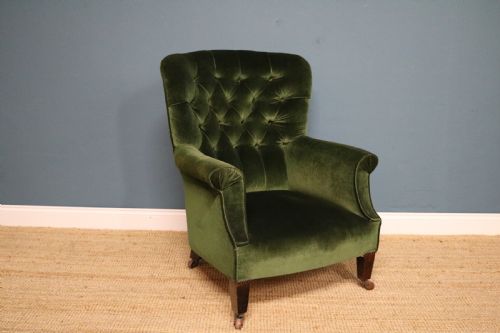
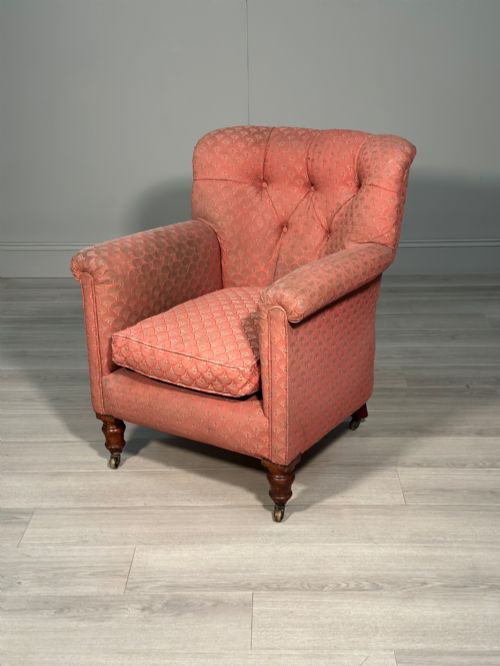
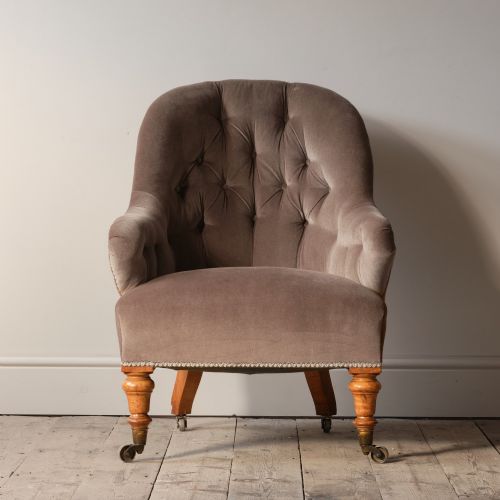
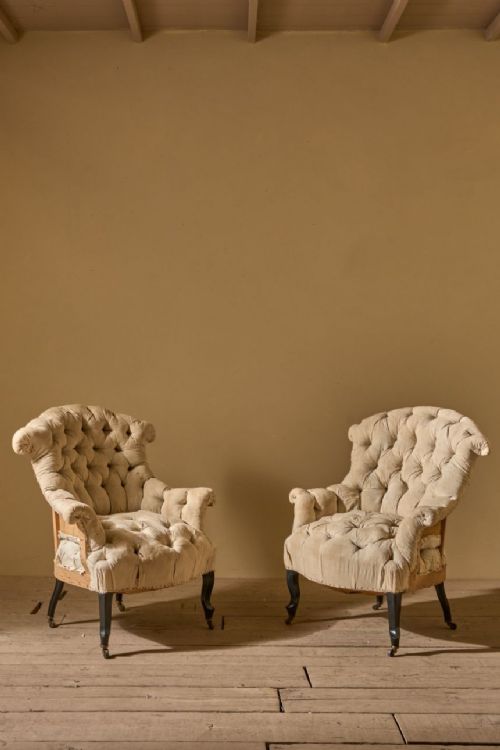
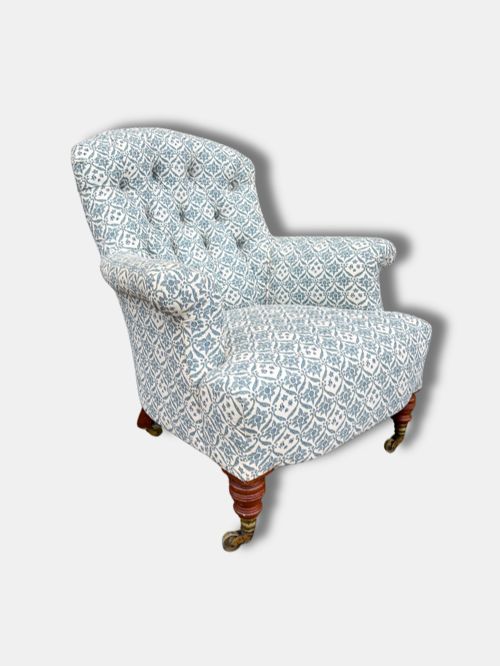
Tufted back lounge chairs bring deep buttoning and upholstered comfort together, offering a stately silhouette rooted in Victorian and early twentieth century sitting rooms.
Tufted Back Lounge Chairs
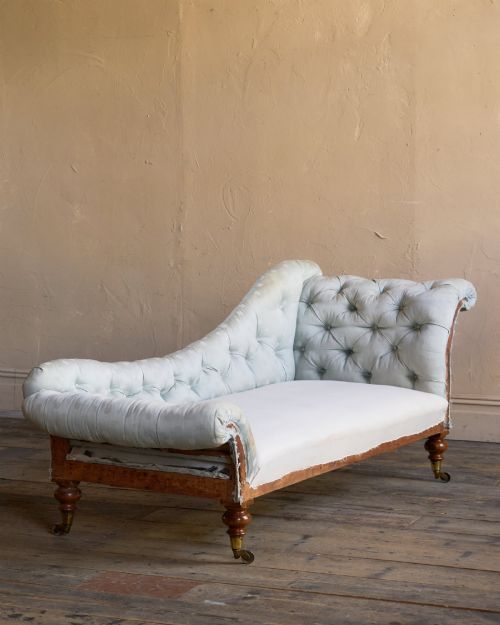
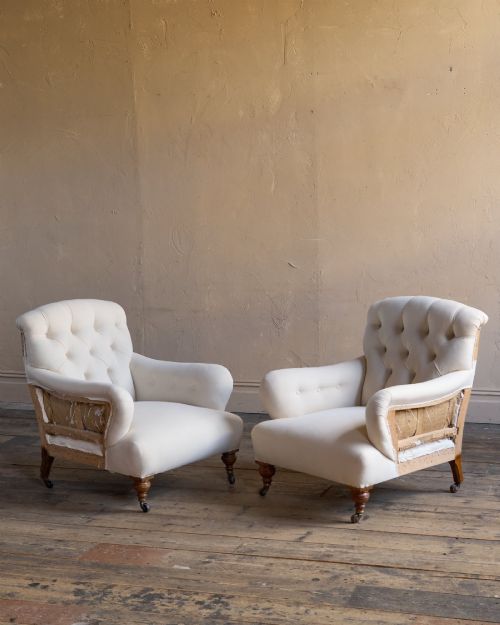
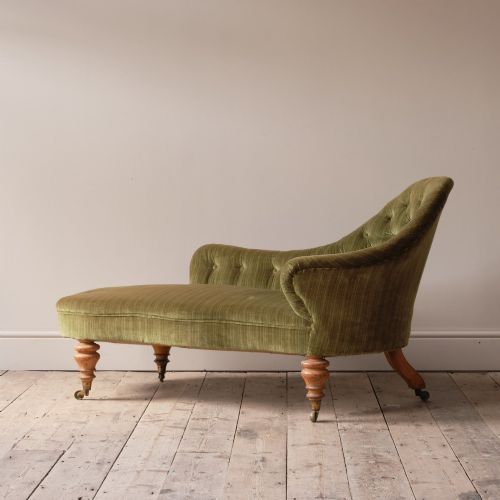
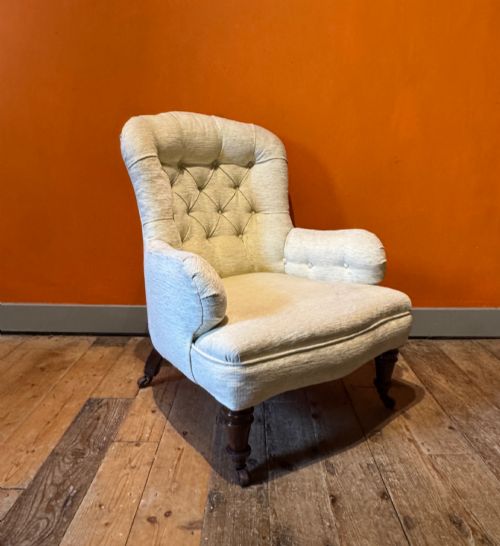
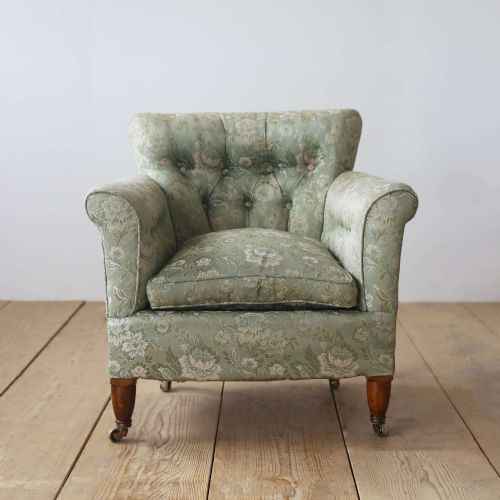
Tufted back lounge chairs encompass deep-buttoned armchairs, gentleman's chairs, slipper chairs, and chaise longues spanning the nineteenth and early twentieth centuries. These seating forms emerge from Victorian, Regency, and French Napoleon III design traditions, often carrying the generous proportions associated with English country houses.
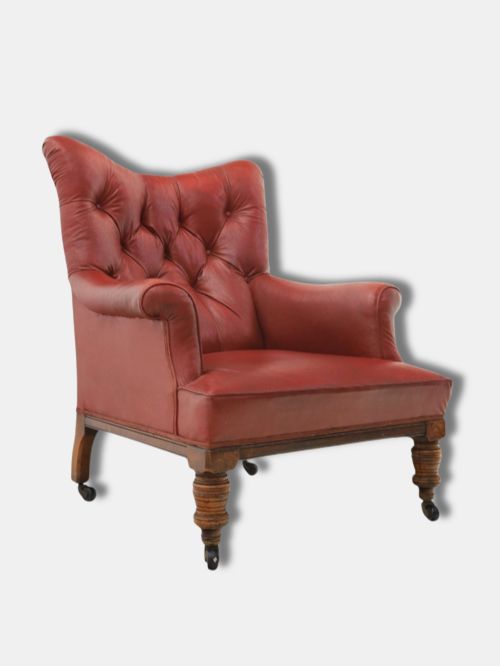
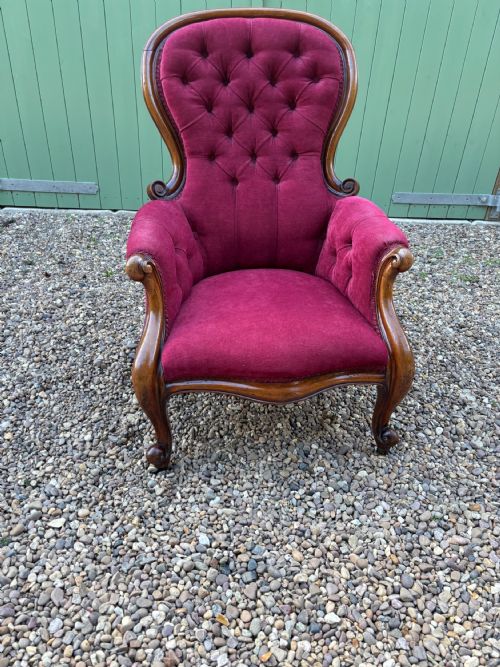
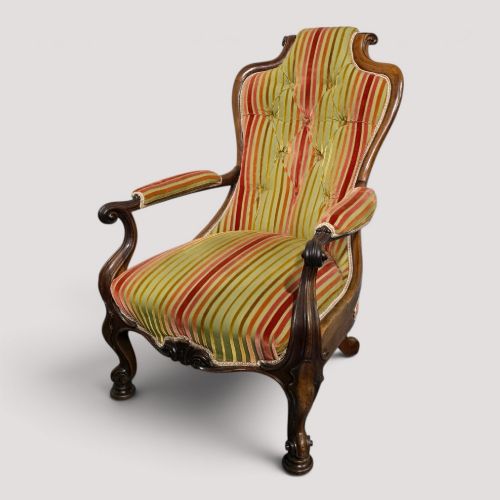
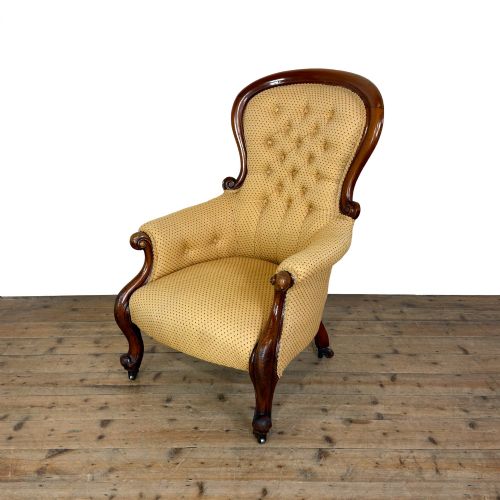
The version most frequently met here is the Victorian button back armchair, constructed with a sprung seat and a deeply tufted upholstered backrest. Alongside these stand daybeds, low slipper chairs, and library armchairs manifesting the heavy woodwork and scrolled details typical of nineteenth century workshops.
Materials and Construction
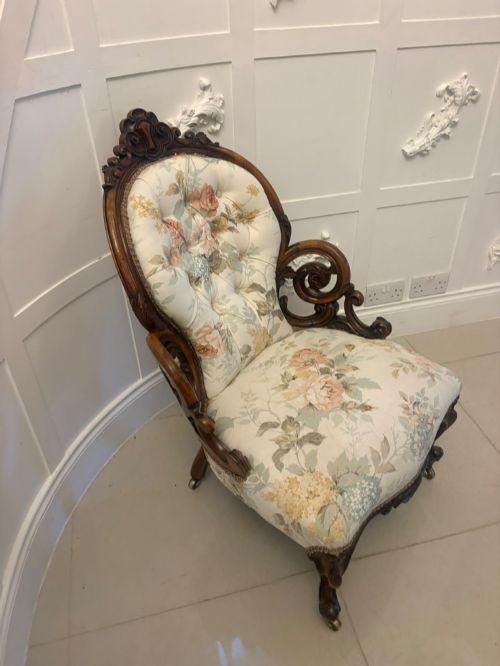
Frames rely on sturdy timbers such as walnut, mahogany, oak, rosewood, and general hardwood, providing a rigid structural skeleton for the upholstered body. Joinery methods of the period ensure stability, while turned or carved wooden supports appear on legs finished with brass castors.
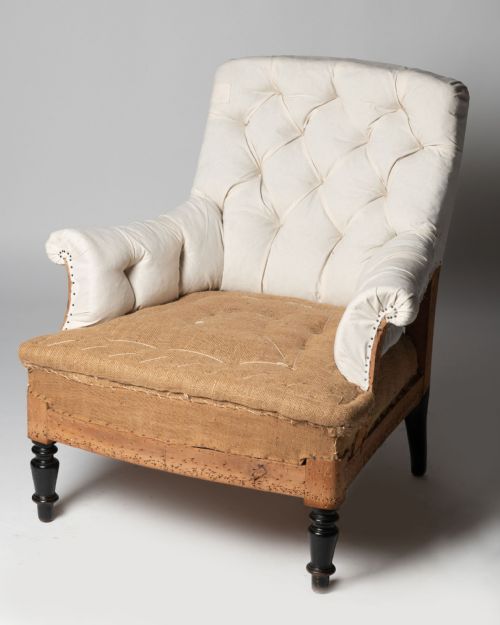
Upholstery relies on traditional stuffing secured beneath fabrics like velvet, calico, faux leather, and leather. The signature tufting involves pulling cords or twine tightly through the padding to create diamond patterns held in place by deep stitches.
Tufted Back Lounge Chairs Retail Price Guide 2026
Typical asking prices for tufted back lounge chairs among the pieces listed under this phrase on Sellingantiques today, from the lower quarter to the upper quarter. They describe what is for sale here now, not the wider market.
Some nineteenth century slipper chairs feature hidden castors so ladies could glide across the parlour without disturbing their skirts.
Craft and Proportion
Quality rests in the architectural harmony of the wooden frame and the precision of the upholstery work. Superior pieces display crisp hand-carving on walnut or mahogany structures, balanced proportions, and tight, even tufting that maintains tension across the entire backrest.
Lesser examples show sluggish lines, coarse timber selection, or replacement underframes that disrupt the original stance. The integrity of the internal springs and the depth of the buttoning distinguish utilitarian seating from fine cabinet maker output.
Hindley & Sons·Howard & Sons·Holland & Sons
The Tufted Back Lounge Chairs Glossary
- Tufting
- The process of securing upholstery stuffing by pulling twine through the padding at regular intervals to form geometric patterns. This technique creates the characteristic indented surface of the backrest.
- Chaise Longue
- An elongated upholstered chair designed for reclining, combining the backrest of a chair with the seat of a daybed. These pieces often feature a single scrolled arm or an elevated headrest.
- Slipper Chair
- A low-seated upholstered chair originally designed for bedrooms to assist with putting on footwear. Their compact height makes them distinct from standard library or gentleman's armchairs.
- Gentleman's Armchair
- A padded Victorian armchair featuring an open wooden frame and a low, curved back designed for relaxed sitting. They typically utilise walnut or mahogany frames with carved arm supports.
Tufted Back Lounge Chairs: Frequently Asked Questions
What distinguishes a slipper chair?
Slipper chairs stand lower to the floor than standard armchairs and lack high arms, making them compact seating options originally intended for dressing rooms.
Their reduced scale and upholstered frames allow them to fit easily into smaller sitting areas while retaining deep buttoning.
How do I identify a chaise longue?
A chaise longue combines an armchair back with an extended seat designed for full reclined seating. Nineteenth-century examples often incorporate scrolled ends and decorative wooden legs.
They function as standalone daybeds or long lounge seating within traditional drawing rooms.
Are these chairs comfortable for daily use?
Traditional sprung seats and padded backrests provide substantial support for reading or relaxing. The deep buttoning keeps internal padding firmly distributed across the frame.
Placing them in modern interiors requires consideration of their historic proportions and traditional seating heights.