



Tudor Blanket Box
A tudor blanket box is a heavy timber chest built for security and storage, offering an authentic piece of sixteenth-century craftsmanship.
Tudor Blanket Box
When you search for a tudor blanket box, you encounter heavy wooden storage chests and coffers dating principally from the sixteenth century, alongside later revival pieces from the twentieth century. These objects served households primarily for storing textiles, valuables, and documents in an era before fitted wardrobes.
The evidence shows examples categorised as coffers, sword chests, linenfold chests, and boarded coffers, with materials spanning oak and walnut. While the majority originate from the sixteenth and seventeenth centuries, occasional later interpretations such as nineteen-thirty dressing tables also appear in the listings.
How they were made
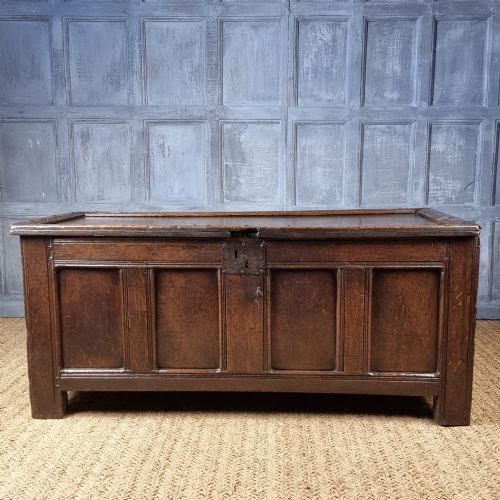
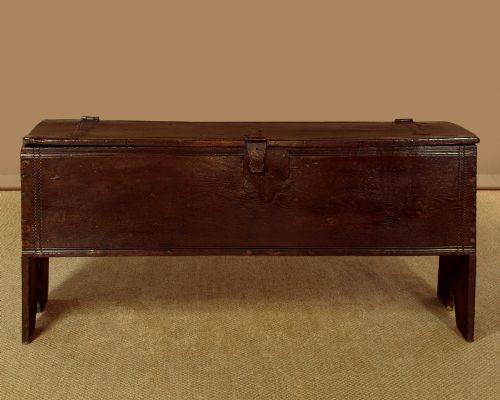
Construction relies heavily on solid English oak and occasionally walnut, shaped into thick planks joined by pegging and framing techniques rather than modern adhesives. Smiths provided functional hardware such as wrought iron bands, hinges, and lock plates to secure the lids.
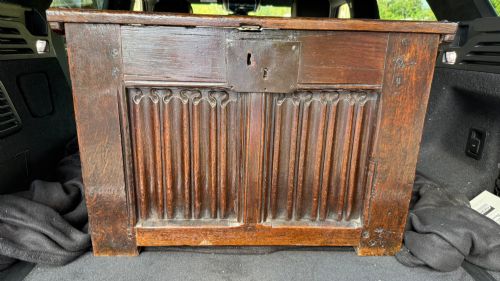
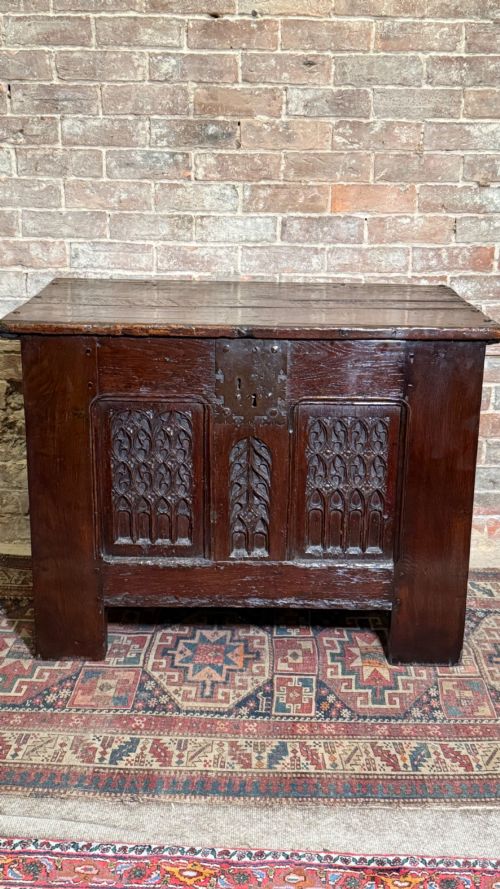
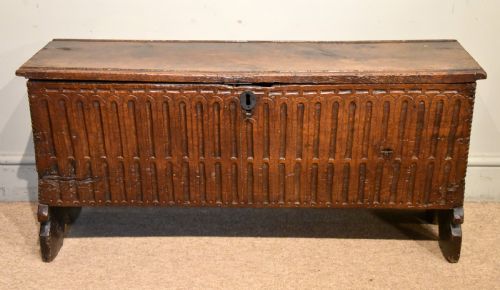
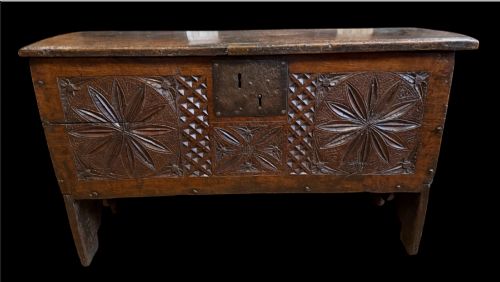
Surface ornamentation on these chests includes carved fluting, linenfold panels, and inlaid wood, reflecting Gothic, Elizabethan, and Renaissance design influences. Carpenters worked timber using hand tools, resulting in boarded six-plank assemblies and carved fronts that survived centuries of domestic use.
Materials recorded across the inventory include oak, walnut, wrought iron, glass, and fabric.
What varies in quality
Quality in these early chests rests upon the integrity of the original timber and the depth of the hand-carved detail on the front panels. Pieces retaining their original wrought iron hinges and intact boarded construction command greater interest than those altered over time.
The sophistication of the carving, whether simple fluting or complex linenfold panels, distinguishes standard utility boxes from high-status domestic furnishings. Preservation of the original oak surface patina further separates standard examples from heavily restored instances.
The Tudor Blanket Box Glossary
- Coffer
- A heavy wooden chest traditionally used for storing valuables and documents. These pieces often feature boarded construction and reinforced iron bands.
- Linenfold
- A style of woodcarving that imitates folded linen cloth. This technique is frequently seen on sixteenth-century panels.
- Boarded chest
- A simple storage box constructed from thick planks joined directly at the edges. This method represents an early form of box-making.
- Wrought iron
- Iron shaped by hammering while hot, used to create durable hinges and protective straps on storage chests. Such metalwork provides structural reinforcement.
Tudor Blanket Box: Frequently Asked Questions
What is a tudor blanket box?
A tudor blanket box is a heavy wooden chest, often referred to as a coffer, built during the sixteenth or seventeenth century.
These pieces were utilised in early homes for secure storage of textiles, valuables, and household goods.
How were these chests used?
Households used these sturdy wooden boxes to store blankets, clothing, and important documents safely away from damp floors.
Because fitted furniture was uncommon, they also functioned occasionally as casual seating or tables within the room.
What wood was used?
English oak serves as the primary material for the vast majority of sixteenth-century storage chests and coffers.
Walnut and inlaid wood appear less frequently among surviving examples from this period.
How do I identify the period?
Dating relies on construction methods such as boarded six-plank assembly, hand-forged iron hardware, and period-specific carving styles like linenfold.
Reference to sixteenth or seventeenth-century design motifs helps distinguish authentic early pieces from later revival items.