




Tubelined Ceramic Vase
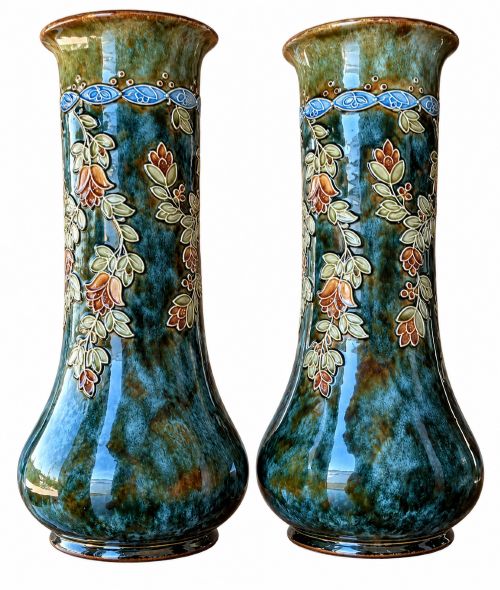
A tubelined ceramic vase brings tactile relief and rich colour to a room, executed in earthenware and stoneware across the twentieth century.
Tubelined Ceramic Vase
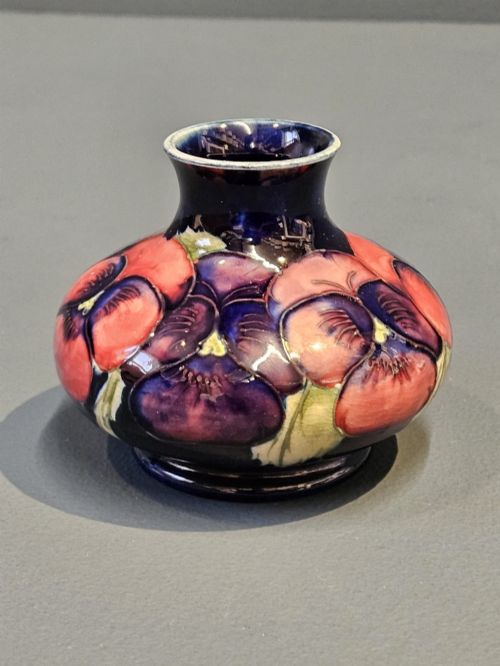
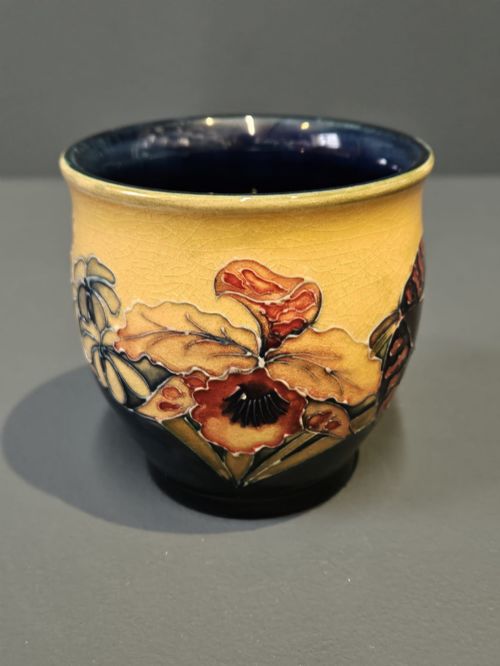
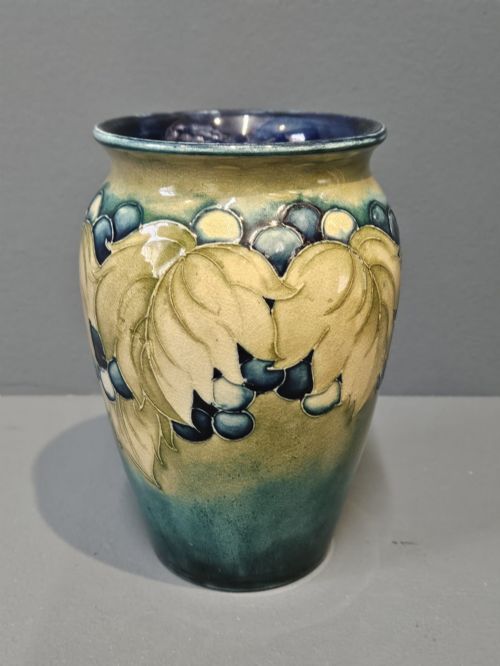
A tubelined ceramic vase is defined by raised clay outlines that separate areas of coloured glaze, creating a distinct linear pattern across the surface. When buyers search for a tubelined ceramic vase, they look for pieces that combine sculptural form with vibrant surface decoration.
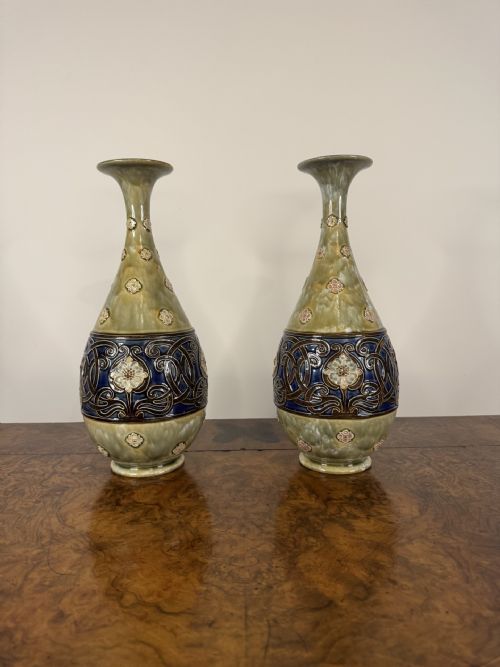
The selections available here span from the late nineteenth century into the nineteen-thirties, covering Art Nouveau, Art Deco, and Arts and Crafts styles. Vases range from small cabinet pieces to large baluster pairs originating from English potteries.
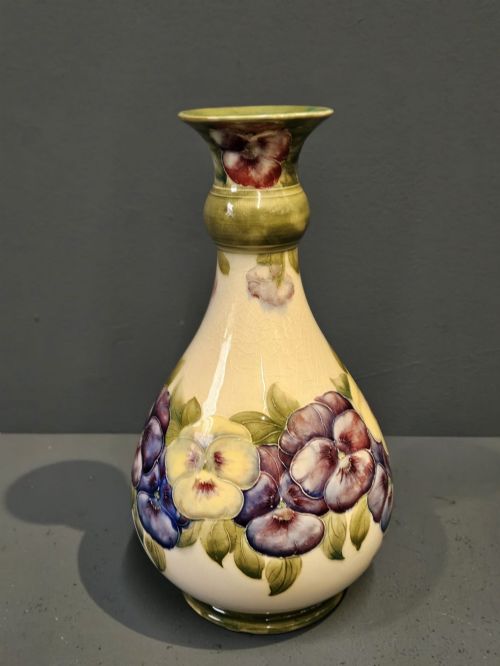
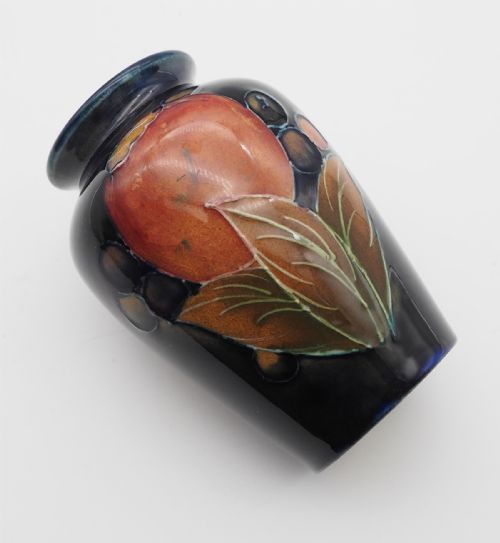
Moorcroft, Royal Doulton, Minton, and Charlotte Rhead dominate the examples, showing floral motifs such as pansies, orchids, and pomegranates. These forms demonstrate the transition from Victorian output through to twentieth-century design.
Materials and methods
Makers shaped these vessels from earthenware and stoneware before applying liquid clay, known as slip, through a fine nozzle to build the raised outline. This technique required steady hand-control to trace botanical and geometric designs directly onto the unfired body.
Potters filled the compartments formed by the raised lines with coloured glazes and enamel before firing the piece in a kiln. Salt glazing and lustre techniques appear across the selection, producing varied surface sheens from deep gloss to subtle metallic finishes.
Listings span from eighteen-eighty to nineteen-thirty, uniting Art Nouveau, Art Deco, and Arts and Crafts movements through ceramic vessels.
Assessing quality
Quality rests upon the precision of the raised clay lines and the control of the glaze within the bounded cells. Crisp application without blurring distinguishes finer studio output from standard commercial production.
Signatures, factory stamps, and artist ciphers indicate the standing of a piece. Fully signed works by notable designers hold greater authority than unmarked factory wares.
Royal Doulton·Moorcroft·Minton·Charlotte Rhead
The Tubelined Ceramic Vase Glossary
- Tubelining
- A decorating technique where liquid clay is squeezed through a nozzle onto a ceramic body to form raised outlines. This method creates cells that hold fluid glazes during firing.
- Slip
- Liquid clay used for decorating or casting ceramic bodies. Potters apply it for both structural relief and surface colour.
- Baluster
- A vertical architectural form shaped with a wide lower body tapering to a narrower neck. Many decorative vases adopt this silhouette.
- Lustre
- A type of ceramic glaze containing metallic salts that produce an iridescent sheen upon reduction firing. It shifts in appearance depending on the light.
Tubelined Ceramic Vase: Frequently Asked Questions
How do I clean a tubelined vase?
Dust the surface gently with a soft, dry brush to protect the raised clay outlines. Avoid submerging older earthenware pieces in water.
Keep them away from direct sunlight to preserve the depth of the coloured glazes.
Are these vases marked by the maker?
Many examples carry stamped factory marks, impressed ciphers, or painted signatures to the base. These markings identify the pottery and sometimes the specific designer.
Unsigned pieces rely on pattern recognition and stylistic execution for attribution.
What styles are represented here?
The selection includes Arts and Crafts, Art Nouveau, and Art Deco aesthetics. Each movement brought different colour palettes and botanical motifs to the technique.
Early pieces lean towards organic plant forms, while later examples embrace geometric patterns.
Can I use these vases for fresh flowers?
Most of these vessels function primarily as decorative art objects rather than utilityware. Glazed stoneware interiors hold water safely, but porous earthenware requires caution.
Dry stems or display on a mantelpiece suit fragile or historic pieces best.