
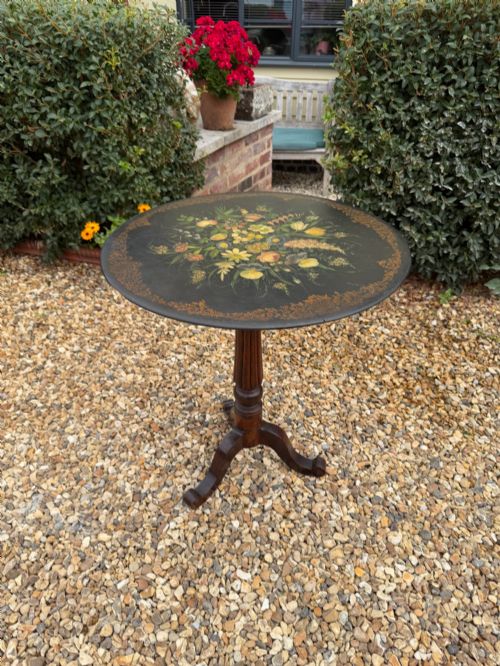
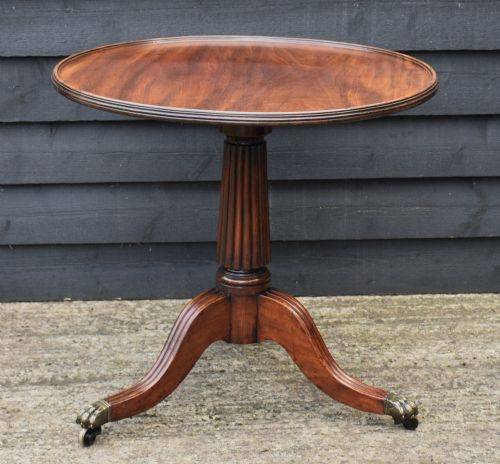
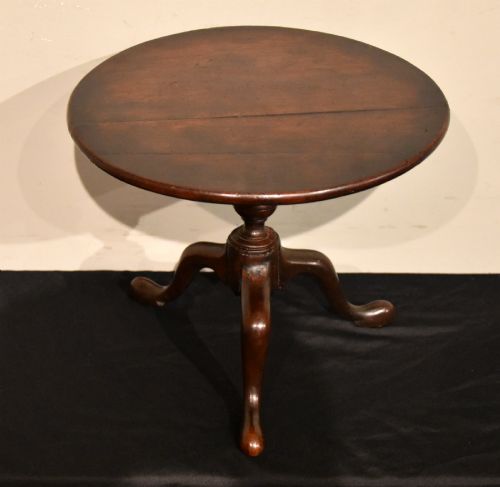
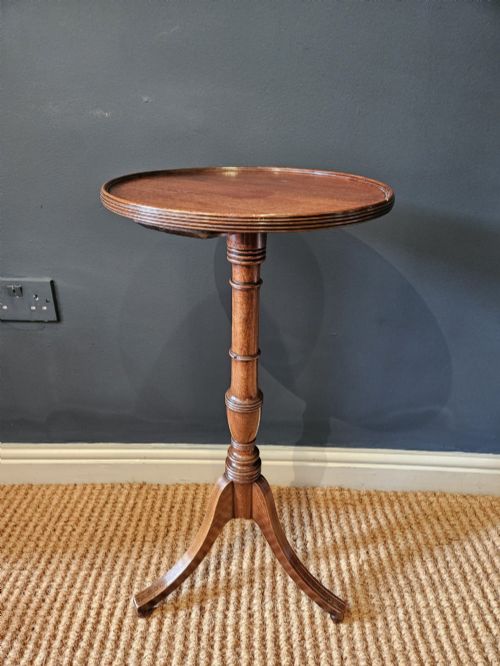
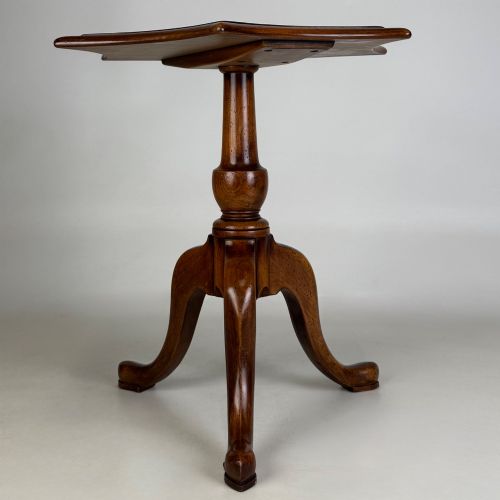
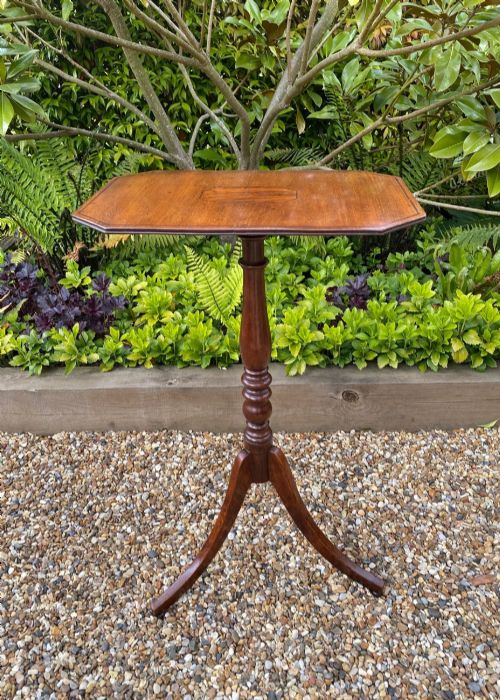
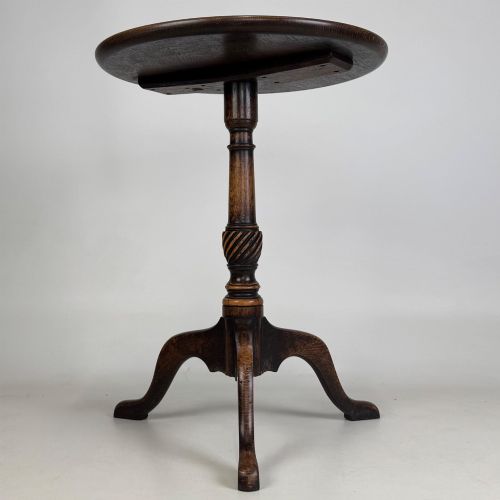
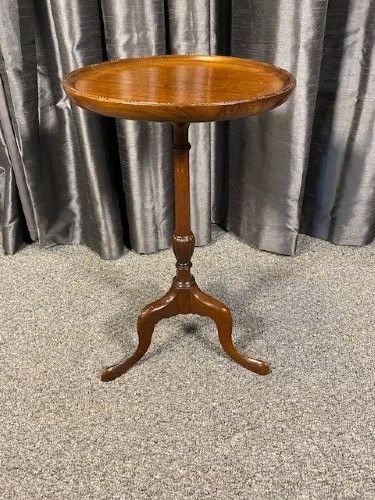
Tripod Stem Table
A tripod stem table provides a stable three-legged support for a round top, offering a compact surface for tea, wine or lamps.
Tripod Stem Table
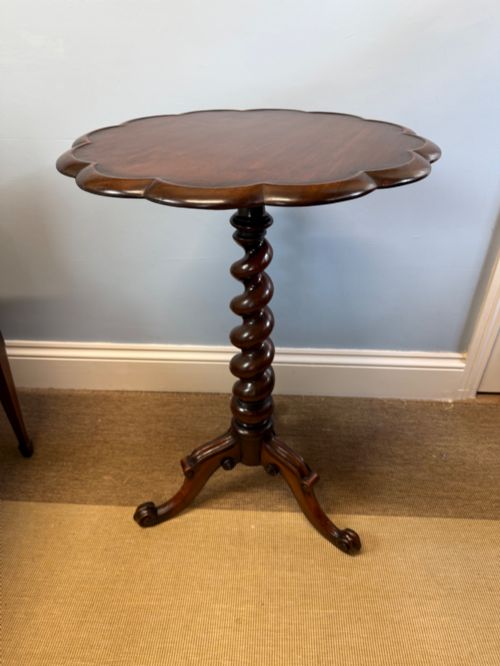
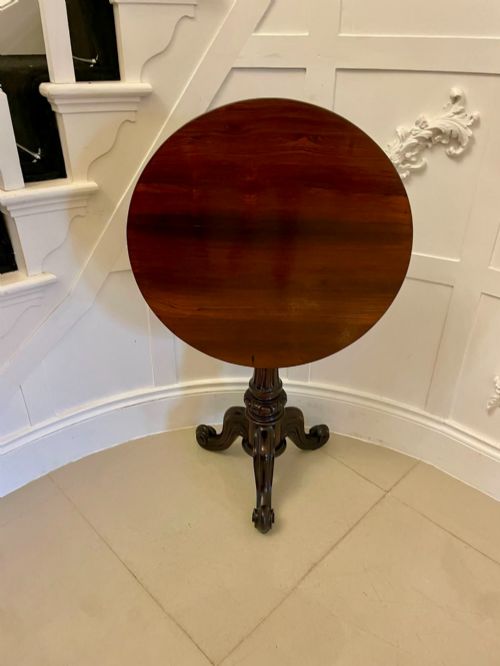
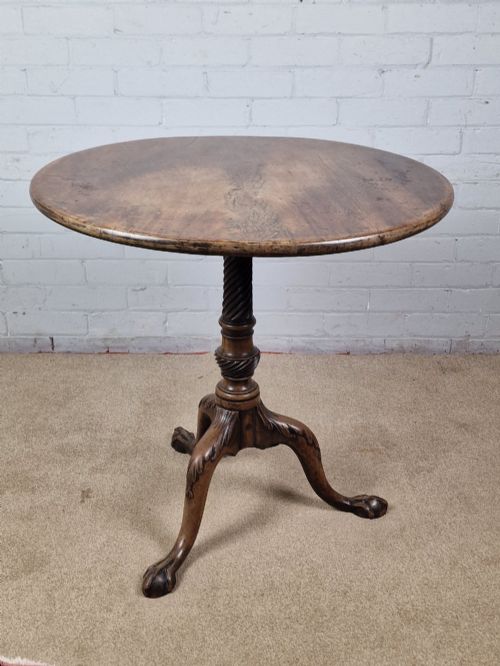
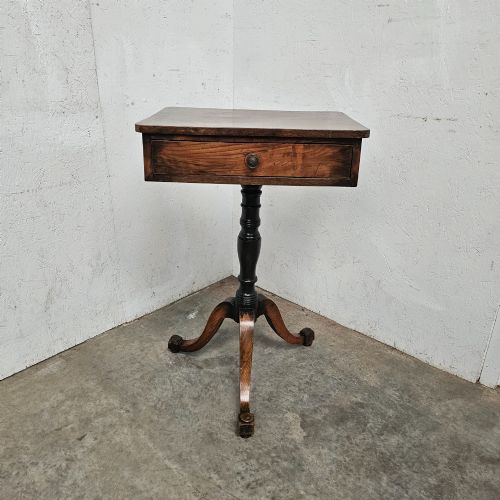
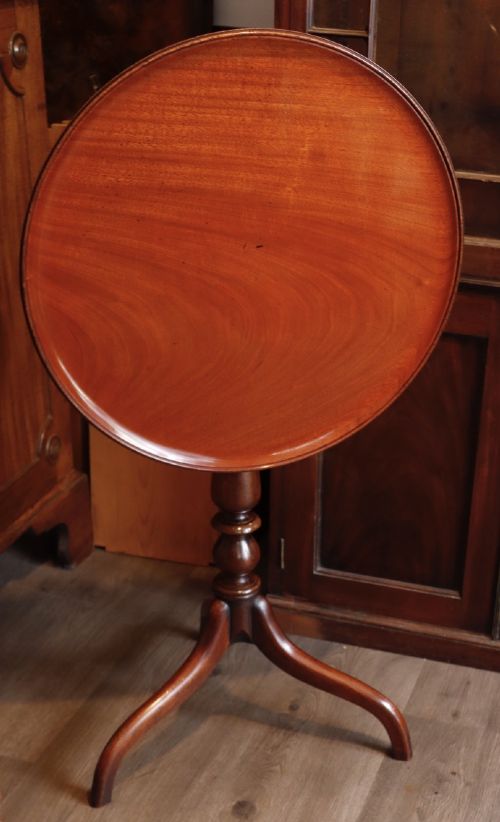
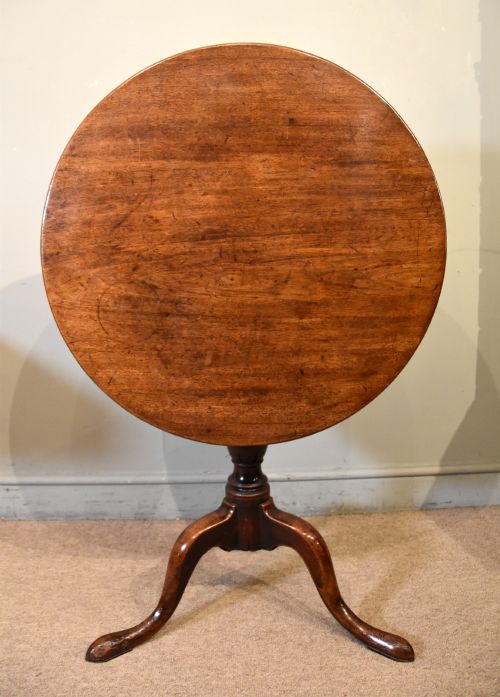
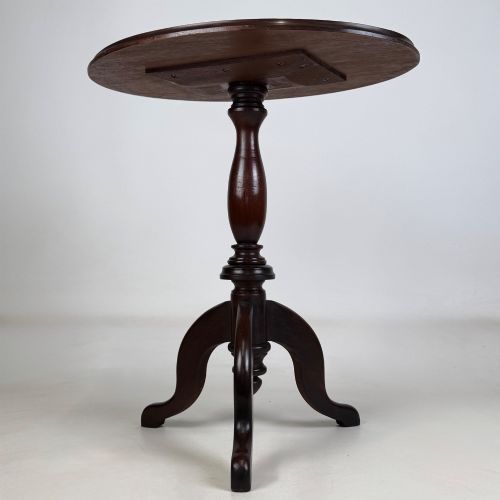
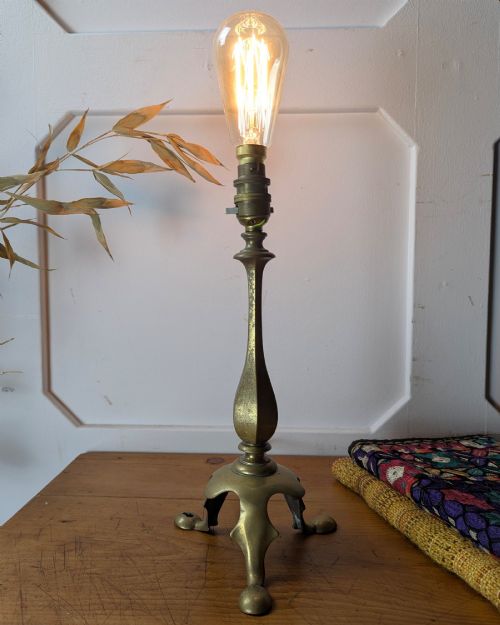
A tripod stem table brings together a central pedestal and three supporting legs, forming a compact surface designed for domestic use. When you search for a tripod stem table, you encounter diverse forms including wine tables, tilt-top tables, occasional tables and lamp stands.
The pieces appearing on this page span several key periods, predominantly the eighteenth and nineteenth centuries, taking in Georgian, Regency, Victorian and Edwardian eras. Mahogany remains the most common timber, accompanied by oak, rosewood, walnut, elm and fruitwood.
Many examples feature a tilt-top action, allowing the top to pivot upright when not in use for convenient storage against a wall. Smaller variants serve readily as candle stands or kettle stands, adapting easily to modern rooms.
Materials and construction methods
Cabinet makers utilised dense native and imported timbers, turning solid mahogany, walnut and oak on lathes to create slender central stems. Turning techniques shaped baluster and pillar columns to support circular or oval tops securely.
The three-legged base requires precise joinery to ensure stability on uneven floors, frequently employing dovetailed or tenoned joints where the legs meet the pillar. Tops often incorporate tilting mechanisms constructed from brass or wooden catches.
Listings feature woods including mahogany, oak, rosewood, walnut, elm and fruitwood across Georgian, Regency and Victorian periods.
Distinctions in craftsmanship
The refinement of the timber figure and the grace of the leg profile separate standard examples from superior pieces. Figured mahogany and well-matched walnut display rich grain patterns that elevate the visual weight of a small table.
Proportion dictates success in these tables; a slender turned stem matched with neatly swept cabriole or tapered legs demonstrates careful design. Original tilt mechanisms and untouched surface patination add significant character.
The Tripod Stem Table Glossary
- Tilt-top table
- A table equipped with a pivoting mechanism beneath the surface, allowing the top to be stored vertically. This clever design saved valuable floor space in smaller eighteenth-century parlours.
- Wine table
- A small circular occasional table designed to hold glasses or a decanter beside a chair. They frequently appear with tripod bases for easy placement.
- Baluster
- A moulded column or stem that swells in the lower portion before tapering towards the top. This shape provides both structural strength and visual balance to the pedestal.
- Occasional table
- A light, movable small table intended for transient use around a room. They emerge in various woods across Georgian and Victorian periods.
- Cabriole leg
- A curved leg that bends outward at the knee and tapers inward toward the foot. It forms a classic support on many eighteenth-century tripod bases.
Tripod Stem Table: Frequently Asked Questions
Where were tripod tables placed?
These tables sat beside seating areas or against walls in parlours and drawing rooms, holding tea equipment, books or lighting.
Their compact footprint allowed servants to move them easily wherever a surface was required.
How does a tilt-top work?
A wooden or brass catch beneath the circular top releases the surface, permitting it to pivot ninety degrees.
This allowed the table to stand flat against a wall when the room needed to be cleared for dancing or dining.
What is the difference between a wine table and a lamp table?
Wine tables typically feature smaller circular tops designed specifically for holding glassware during evening gatherings.
Lamp tables share a similar tripod structure but often date from later periods when electric or oil lighting required a sturdy platform.
Which woods are most common?
Mahogany dominates the surviving examples, prized by cabinet makers for its strength and rich red-brown colour.
Oak and fruitwood appear frequently in earlier country pieces, while rosewood and walnut emerge in grander nineteenth-century iterations.