

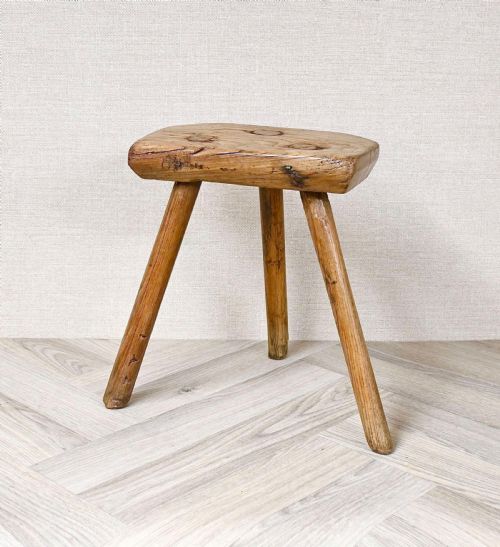
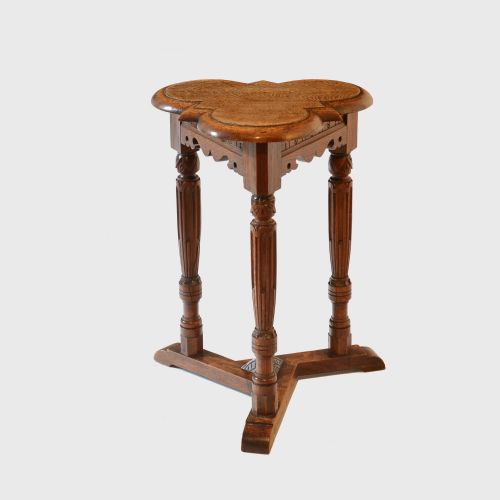
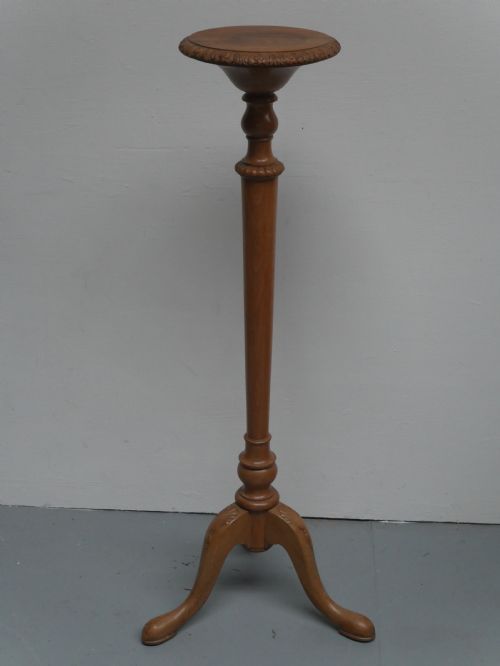


Tripod Leg Plant Stand
These tripod leg plant stand pieces bring raised botanical display into a room, offering elevated surfaces shaped by centuries of woodwork.
Tripod Leg Plant Stand
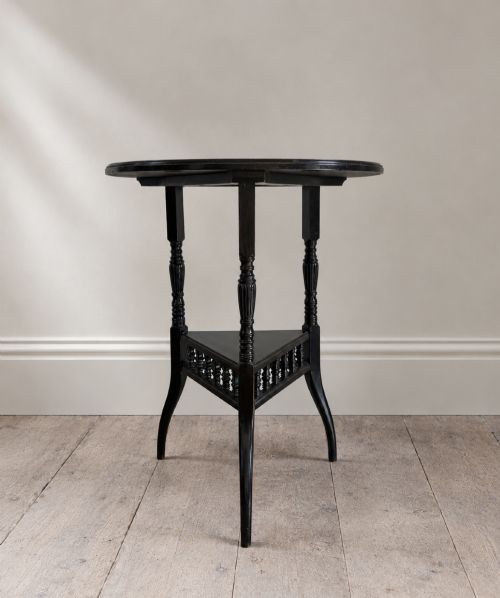
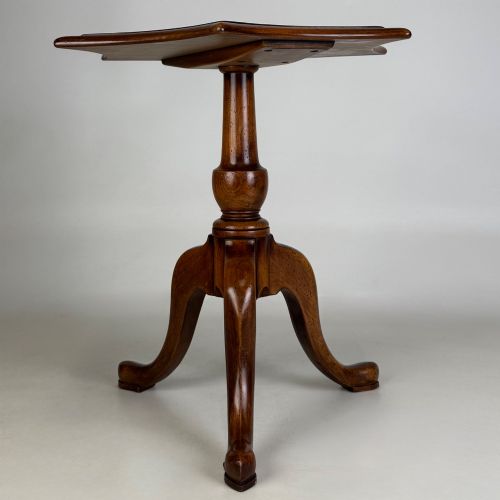
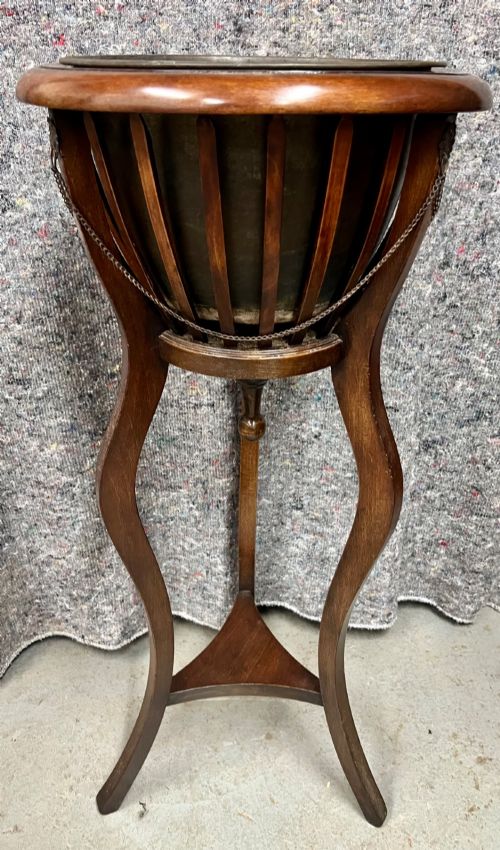
A tripod leg plant stand brings together elevated surfaces and three-legged supports designed to hold flora or serve as small tables. The listings show forms ranging from Victorian torchere and plant stand designs to Edwardian occasional tables and Georgian kettlestands.
Most examples you meet on this page date from the nineteenth century or the Edwardian era, constructed in timber such as mahogany, oak, and walnut. Alongside standard plant stands, the selection includes related tripod supports like wine tables, side tables, and stools.
Origins vary from British workshops to international examples, including Anglo-Indian, Chinese, Burmese, and French pieces. These diverse regional styles incorporate carved details, inlaid work, and ebonised finishes into the basic three-legged format.
How they were made
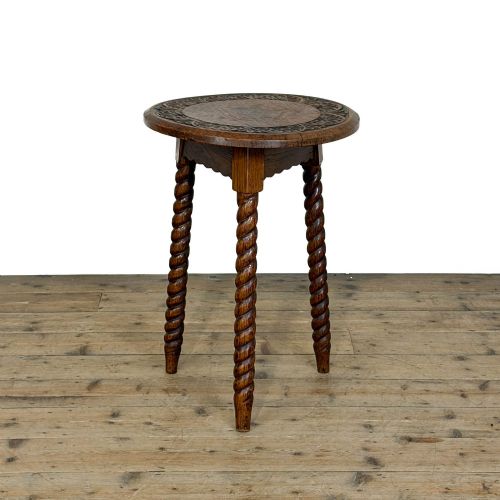
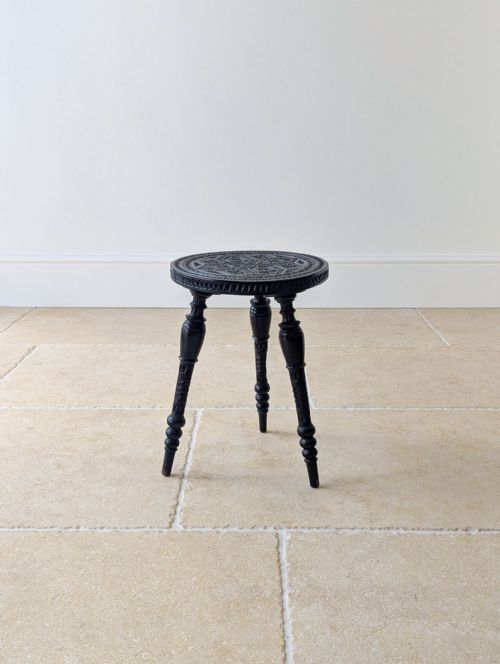
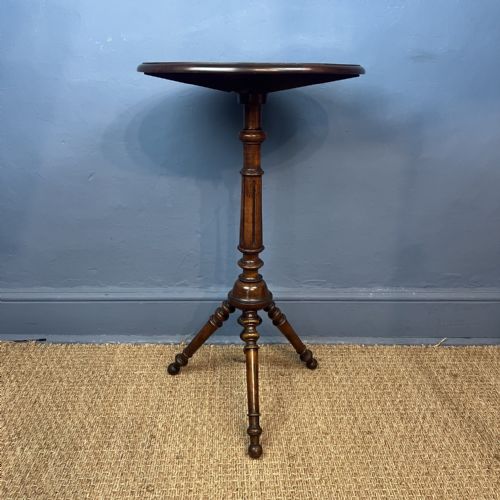
Makers shaped these pieces using solid timbers including mahogany, oak, walnut, teak, and hardwood, often employing turning, bobbin work, or chip-carving on the shafts and legs. Ebonised hardwood and parcel gilt finishes also appear across the nineteenth-century selections.
Construction methods rely on traditional three-legged tripod bases joined to circular or shaped tops, sometimes enhanced with hand painting, pokerwork, bone inlay, or brass elements. Regional pieces incorporate specific local carving traditions, such as Hoshiarpur elephant tables or Gothic oak clover leaf designs.
A Scottish 19th-century pokerwork stool bears the spirited inscription 'Touch me wha daur'.
What varies in quality
The distinction between standard and superior pieces rests on the crispness of the carving, the selection of the timber grain, and the integrity of the three-legged joinery. Finer examples display deliberate proportion and careful hand-finishing, whether through intricate chip-carving or smooth satinwood surfaces.
Provenance and decorative technique also set pieces apart, moving basic utilitarian stands into the realm of fine decorative art through thoughtful inlay, hand-painted motifs, or distinct stylistic movements like the Aesthetic Movement or Gothic Revival.
The Tripod Leg Plant Stand Glossary
- Torchere
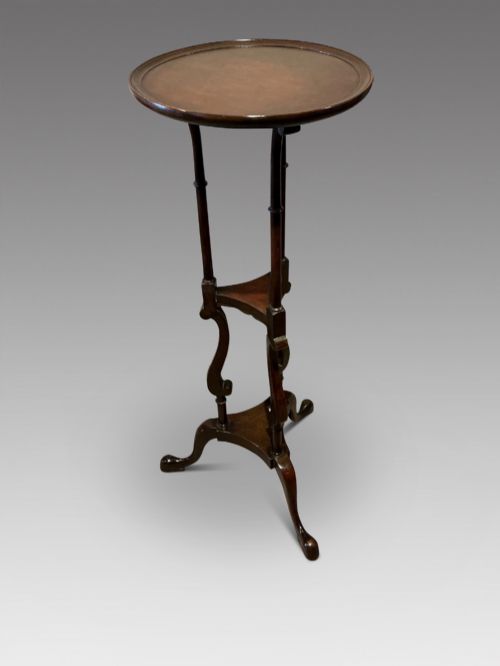
- A tall stand designed to hold a light or a plant. These slender supports feature a raised circular top held by a tripod base.
- Occasional table
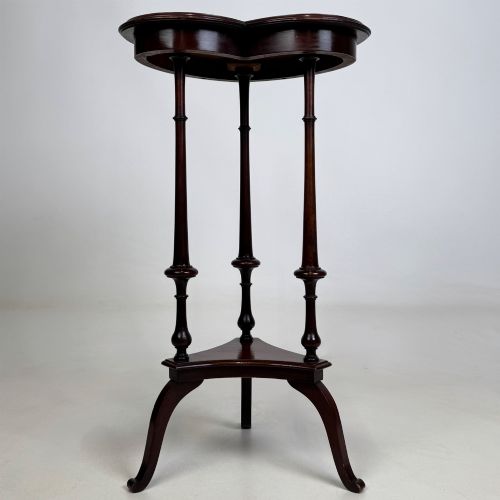
- A small, movable table used for various domestic purposes. They appear frequently on this page in round, heart, and clover-leaf shapes.
- Ebonised
- Wood stained or painted black to imitate ebony. This finish is common on nineteenth-century pieces associated with the Aesthetic Movement and Arts and Crafts styles.
- Kettlestand
- A small table designed to hold a tea kettle. Georgian examples provide a stable elevated surface similar in scale to plant stands.
- Pokerwork
- The art of decorating wood by burning designs with a heated tool. This technique creates dark, textured patterns on nineteenth-century stools.
Tripod Leg Plant Stand: Frequently Asked Questions
What is a tripod leg plant stand used for?
These pieces function primarily as raised platforms for potted plants, ferns, or floral displays. Their elevated design allows greenery to occupy vertical space effectively in a room.
Beyond botany, their compact tops serve as convenient surfaces for lamps, small objects, or drinks when placed beside seating.
How do I date a tripod leg plant stand?
Dating relies on observing timber choices, construction techniques, and stylistic markers such as Victorian ebonising or Edwardian turning. Examining the joints and the finish helps place a piece within the eighteenth, nineteenth, or twentieth centuries.
Regional variations and specific motifs, such as Aesthetic Movement influences or George II revival styles, further narrow the period of manufacture.
Where should I place a tripod leg plant stand?
These stands suit corners, window spaces, or empty wall gaps where vertical interest is needed without taking up much floor area. Their three-legged frames fit neatly into tight spaces.
Ensure the floor is even, as three-legged bases require stable ground to prevent wobbling when supporting heavy pots or objects.
How do I care for antique timber stands?
Maintain the wood by dusting regularly with a dry cloth and avoiding excessive moisture or direct sunlight. Wax polish can nourish older timbers like mahogany and oak periodically.
Protect the surface from water damage when placing plants on the stand by using saucers or liners underneath pots.