


Antique Jardiniere Container
An antique jardiniere container is a plant vessel designed to hold indoor foliage, turning utilitarian roots into domestic ornament across multiple periods.
Antique Jardiniere Container
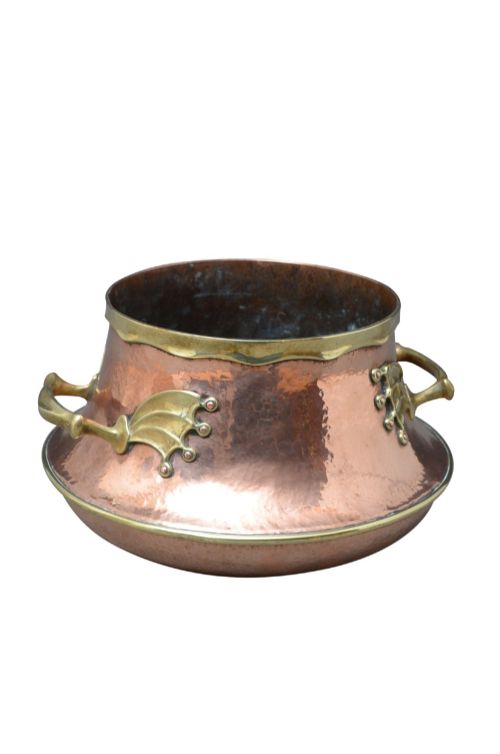
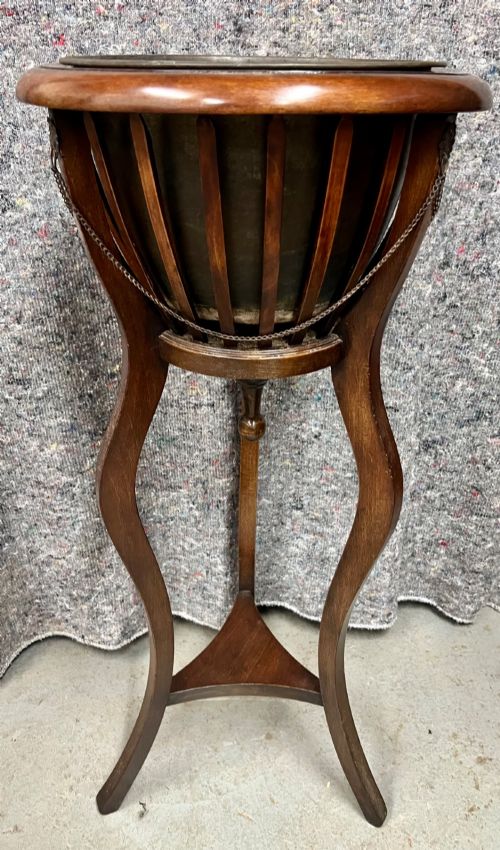
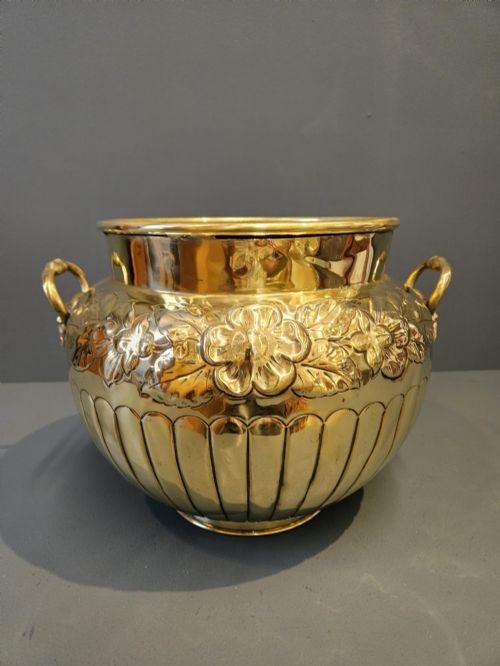
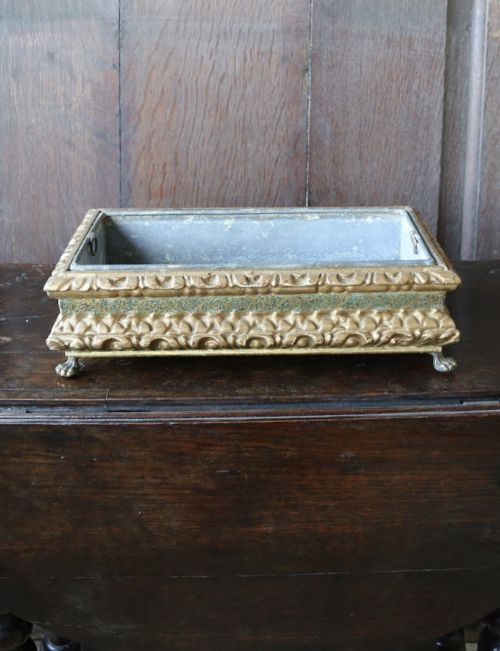
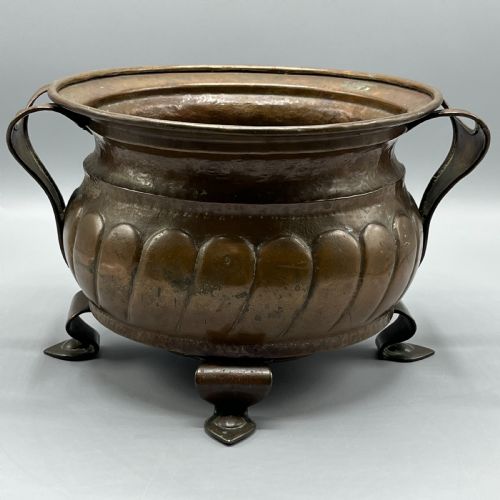
An antique jardiniere container takes various forms, most commonly appearing as heavy metal vessels or timber stands intended for indoor planting. Buyers searching for an antique jardiniere container frequently encounter Victorian brass and copper planters, alongside distinct Arts and Crafts designs.
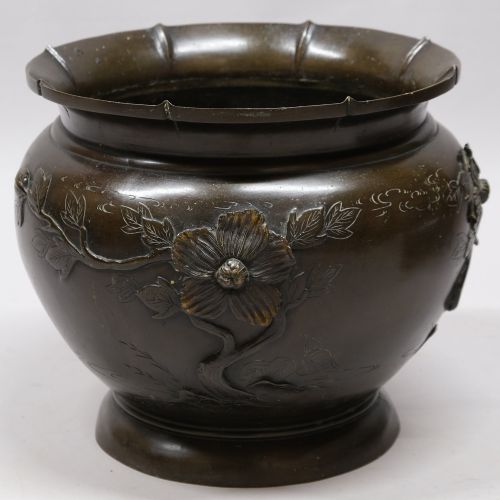
The material range spans from cast bronze and earthenware to mahogany and tin, originating across Britain, Europe, and Asia. Pieces surface from the nineteenth and early twentieth centuries, reflecting periods such as the Edwardian era, the Meiji period, and the Late Qing Dynasty.
Materials and construction methods
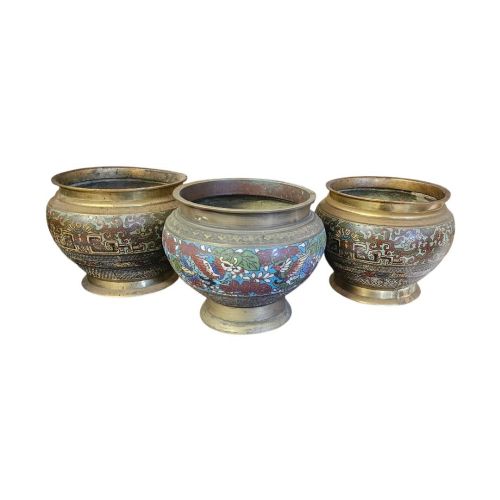
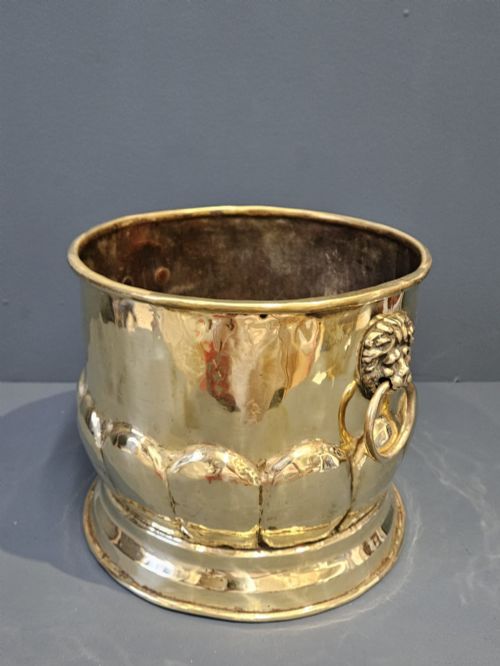
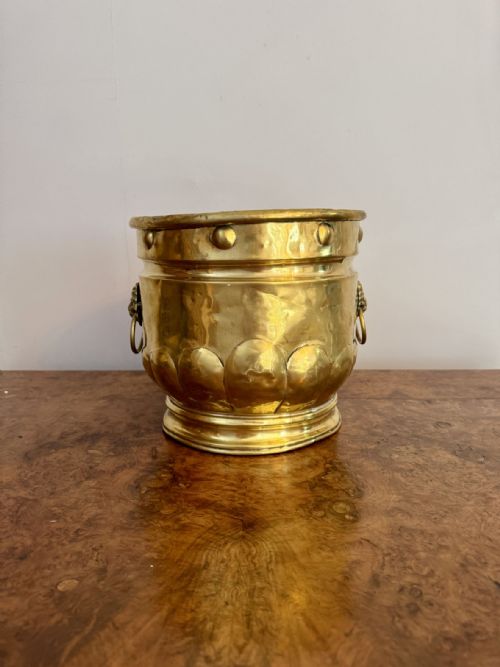
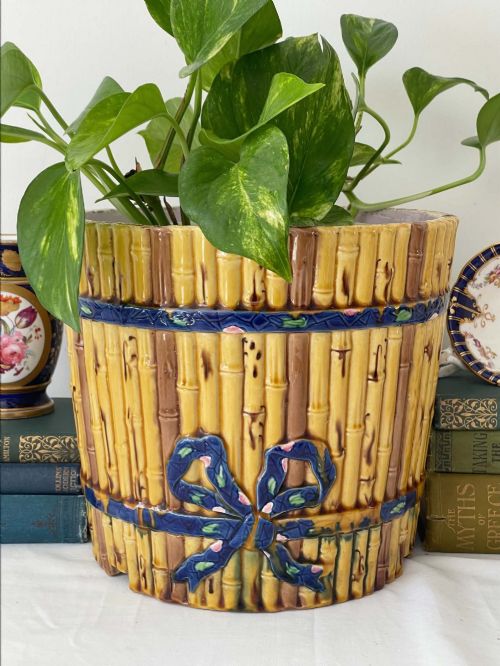
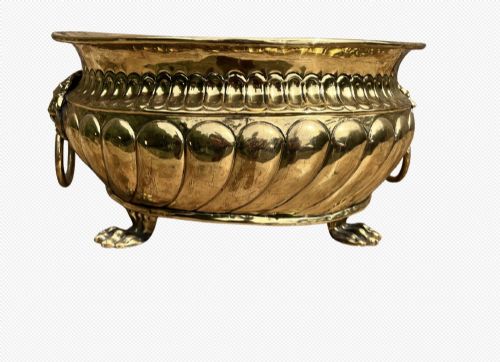
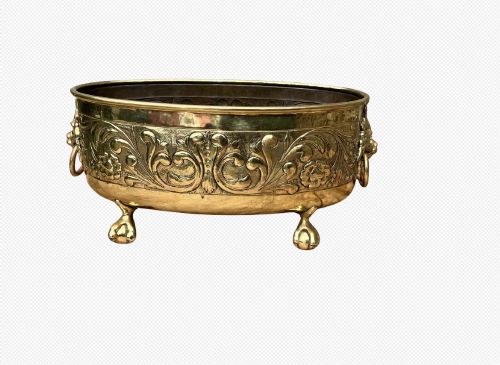
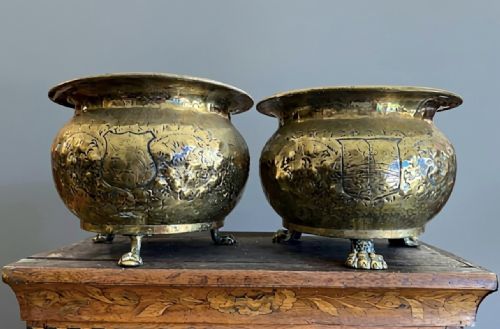
Metal vessels utilise sheet brass or copper shaped by hand, often featuring repoussé decoration, applied lion mask handles, and champlevé enamel work. Potters created ceramic examples using earthenware bodies finished with coloured glazes or majolica techniques.
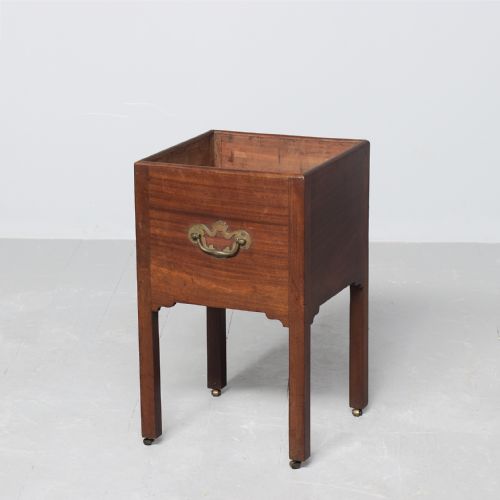
Wooden items employ mahogany joinery and carved gilt wood, while specific Japanese examples utilise cast bronze. Makers combined these durable materials to withstand moisture while serving as decorative interior showpieces.
Some heavy metal jardiniere containers spent their retirement years holding fireplace logs or bathtub foliage rather than parlour palms.
Distinctions in execution and material weight
Quality rests in the substance of the metal gauge, the depth of repoussé hammerwork, and the crispness of applied cast brass details. Heavier copper and bronze vessels with detailed handles demonstrate superior craftsmanship compared to thinner, pressed alternatives.
Ceramic examples show quality through the precision of the majolica glaze and the clarity of factory markings from makers such as Minton and Doulton. Timber stands rely on tight joinery and well-preserved carved decoration to set them apart.
J Sankey and Sons·Royal Doulton·Doulton Lambeth·Minton
The Antique Jardiniere Container Glossary
- Repoussé
- A metalworking technique where the artisan hammers the design from the reverse side to form a raised pattern on the front. This method gives brass and copper planters their tactile surface texture.
- Majolica
- A type of earthenware coated with an opaque tin-lead glaze and painted with metallic oxides. It provides the vibrant green and brown surface colours found on nineteenth-century ceramic planters.
- Champlevé
- An enamelling process where troughs are carved into a metal surface and filled with vitreous enamel powder before firing. Chinese bronze vessels utilise this technique for colourful decorative bands.
- Dinanderie
- A medieval term revived to describe objects made of beaten brass or copper. These items include heavy domestic bins and jardiniere containers produced in European workshops.
- Suiban
- A shallow Japanese basin traditionally used for holding water and stones or arrangements of cut plants. These bronze vessels form part of the broader category of decorative planters.
Antique Jardiniere Container: Frequently Asked Questions
What is an antique jardiniere container?
An antique jardiniere container is an ornamental pot or vessel designed to hold a potted plant inside a room. These pieces function primarily as decorative cachepots rather than direct planting soil containers.
They appear in brass, copper, ceramic, and mahogany, reflecting interior fashions from the nineteenth and early twentieth centuries.
How were antique jardiniere containers used?
These vessels sat on tables, pedestals, or directly on the floor to house palms, ferns, and flowering indoor plants. Their waterproof metal linings or glazed ceramic interiors protected domestic furniture from water damage.
Larger versions also served alternative household purposes, such as log bins, coal buckets, or wine coolers.
How do I identify Victorian brass planters?
Victorian brass planters typically feature heavy sheet metal construction joined at the seams, often accompanied by cast brass lion mask handles or paw feet. Their surfaces frequently display hand-beaten repoussé decoration depicting floral or animal motifs.
Stylistic cues link them to broader movements of the period, including Arts and Crafts or Aesthetic design influences.