


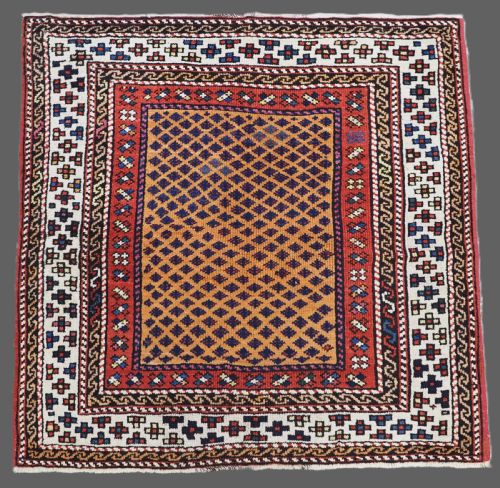
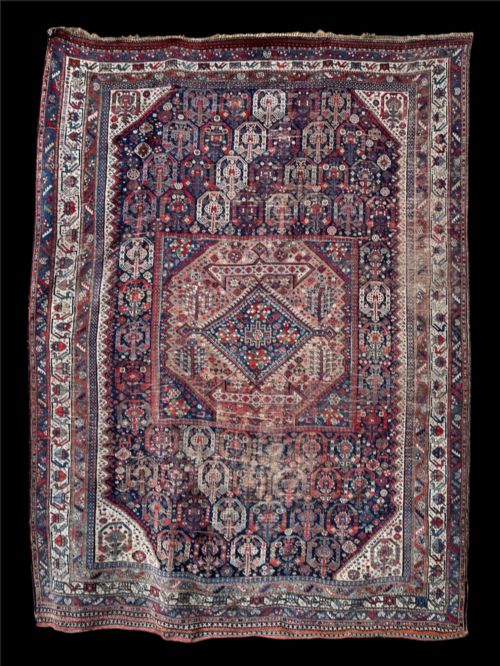
Tribal Wool Mat
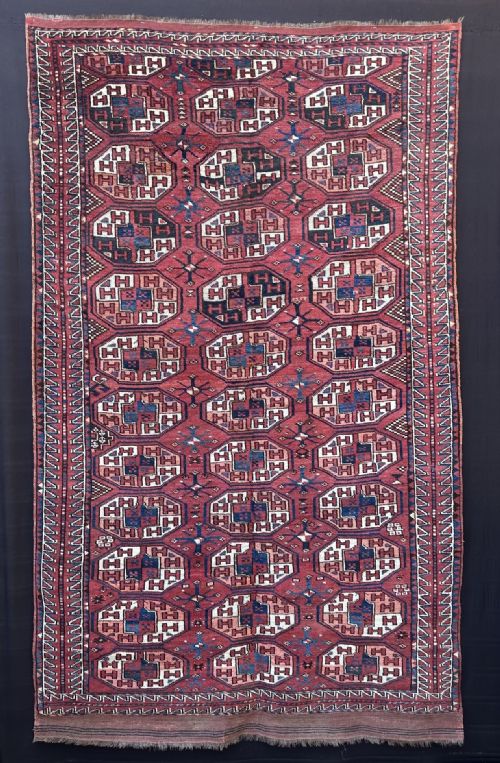
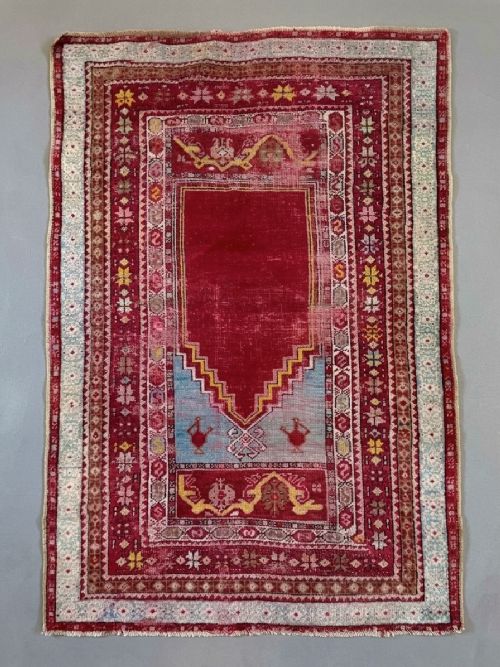
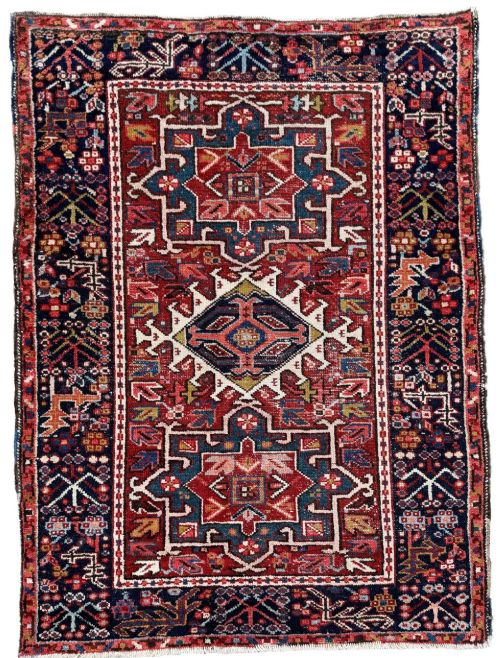
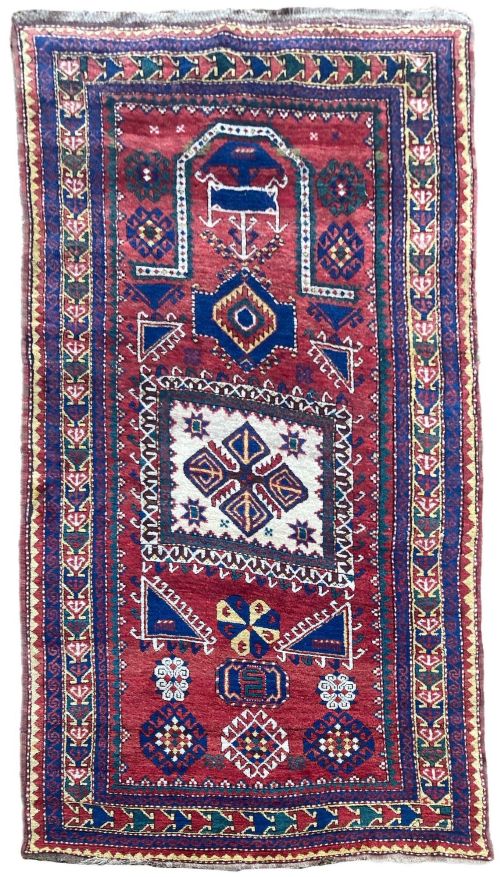
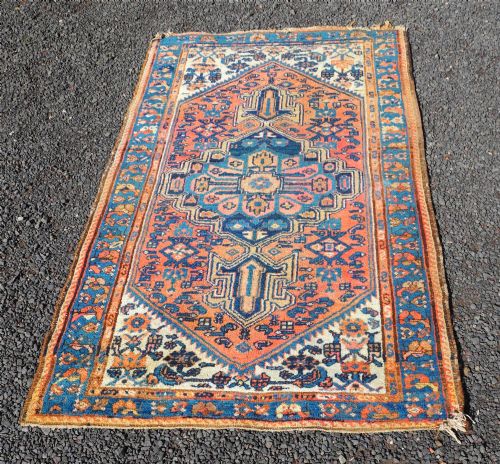
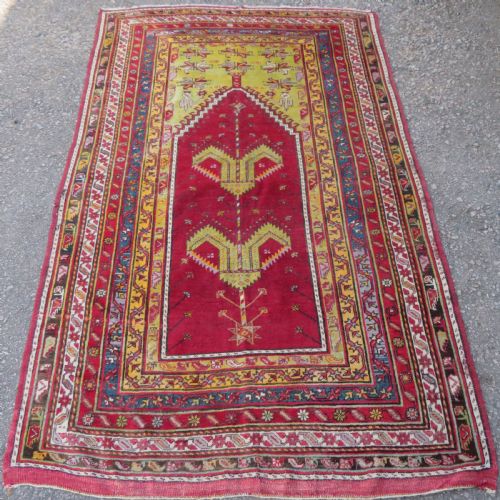
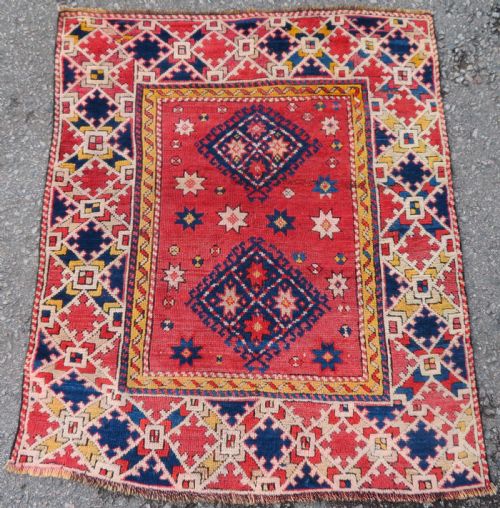
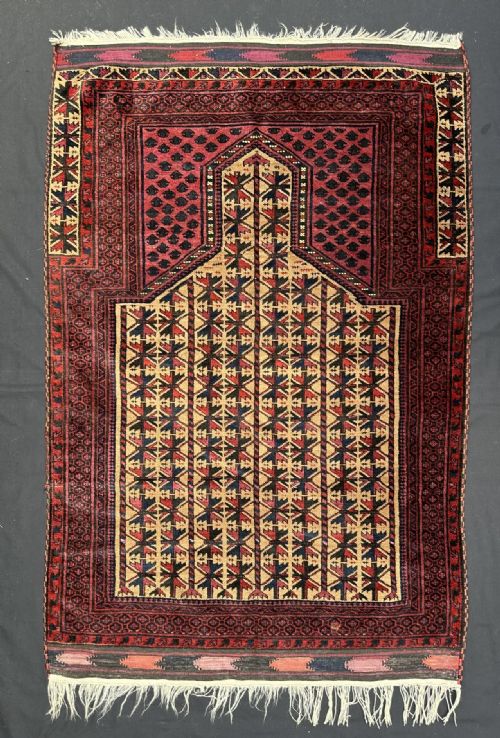
These tribal wool mat examples gather nomadic and village weaves from Persia, Anatolia, the Caucasus, and Central Asia.
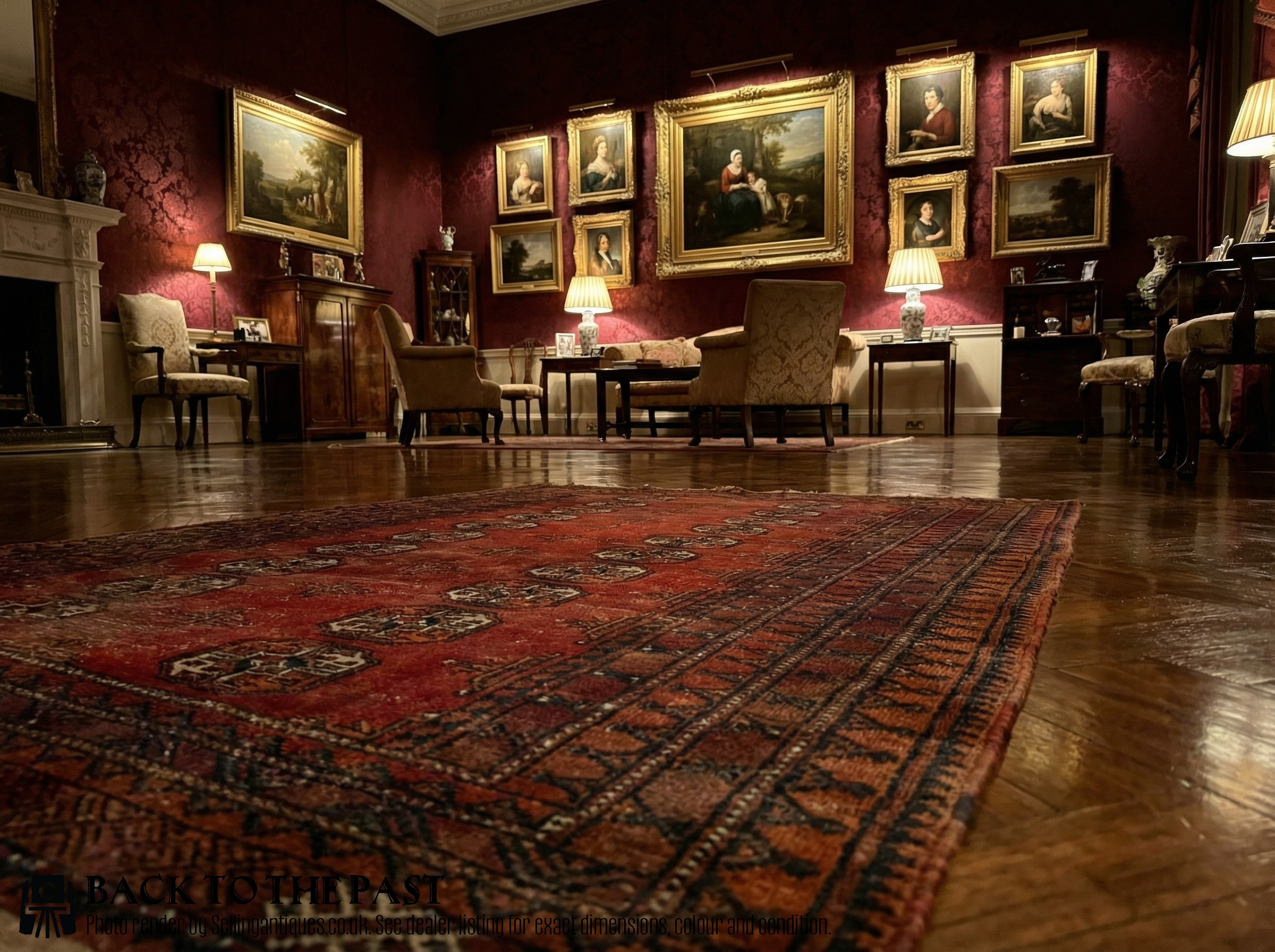
Tribal Wool Mat
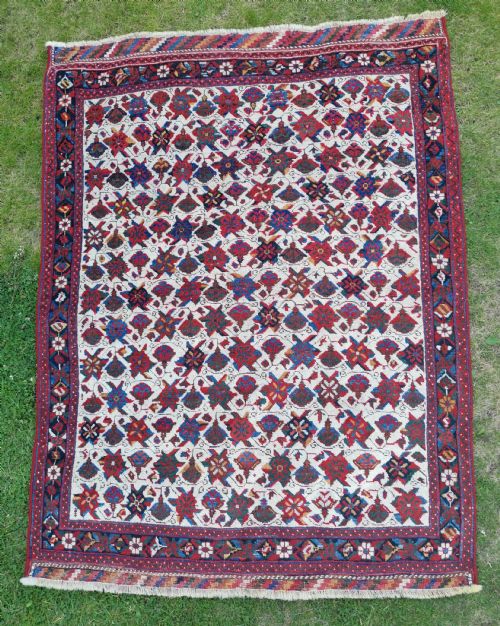
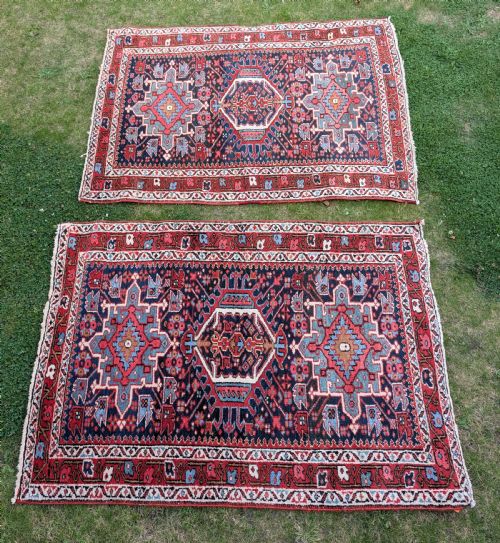
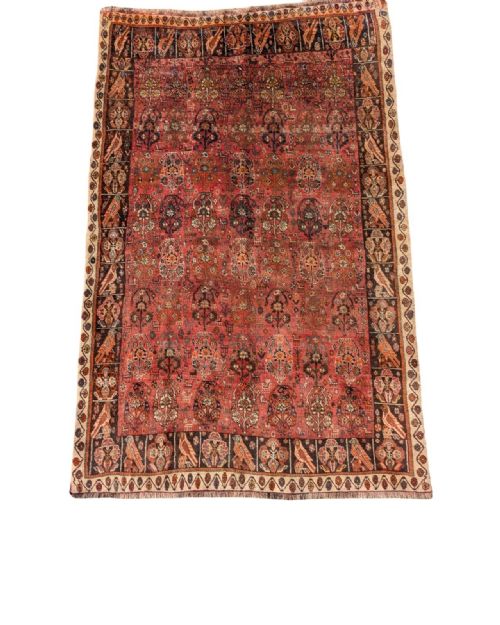
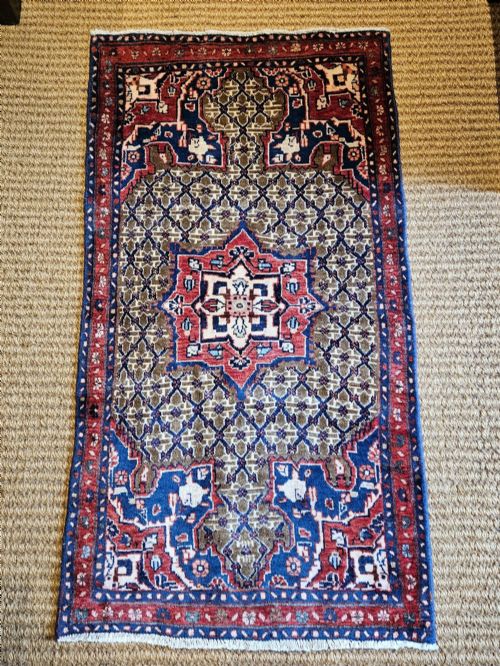
A tribal wool mat brings floor coverings and small textiles made by nomadic confederacies and village weavers, spanning prayer rugs, bagfaces, and small squares. The items collected under this search phrase date from the nineteenth century into the early decades of the twentieth century.
The version most frequently met on this page is a compact village or nomadic rug, often rendered in formats suited to smaller spaces, hearths, or specialised domestic uses.
Makers identified in the records include specific tribal groups such as the Kizyl Ayak, Timuri, and Khamseh Confederacy, placing these objects firmly within traditional regional weaving cultures.
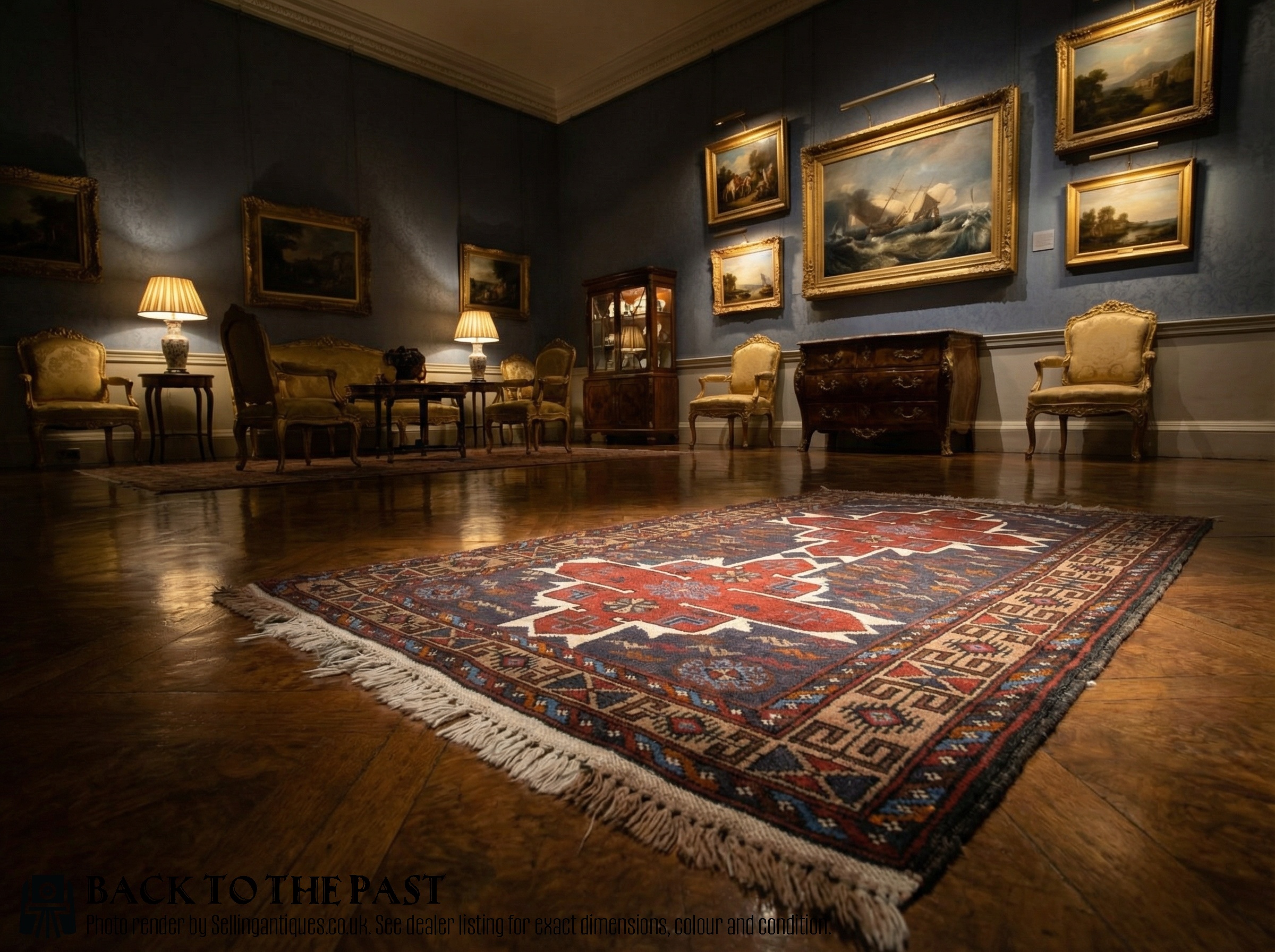
Materials and construction
Weavers relied on hand-spun wool, cotton, silk, camel wool, and goat hair, employing natural dyes to achieve deep palettes across the pile and foundations.
Construction techniques combine sturdy knotting with flatwoven elements, supplemented in specific instances by embroidery or utilitarian additions like original tassels.
Tribal Wool Mat Retail Price Guide 2026
Typical asking prices for tribal wool mat among the pieces listed under this phrase on Sellingantiques today, from the lower quarter to the upper quarter. They describe what is for sale here now, not the wider market.
Saddle covers complete with original tassels remind us these rugs once kept a nomadic horse as stylish as its rider.
Distinctions in standard
Quality rests upon the integrity of the natural dyes and the precision of the hand-spun wool, which dictate how the pile handles wear and light over decades.
Execution of traditional geometric and floral lattice designs separates routine village output from pieces possessing exceptional visual balance and structural survival.
The Tribal Wool Mat Glossary
- Prayer rug
- A small format textile featuring a mihrab or niche design, historically used for daily devotion. These pieces often direct the eye toward a central point.
- Sofreh
- A spread or dining cloth woven by tribal groups for domestic and ceremonial food preparation. They frequently display minimalist field designs.
- Mihrab
- The arched architectural niche depicted on prayer rugs, representing the direction of prayer. It serves as the primary focal point of the composition.
- Bagface
- The front panel of a utilitarian storage sack produced by nomadic weavers, repurposed or collected independently. They exhibit compressed tribal motifs.
- Natural dyes
- Colourants derived from plants, insects, and minerals rather than synthetic compounds. They age with a characteristic softening of tone.
Tribal Wool Mat: Frequently Asked Questions
How do I clean a fragile wool rug?
Surface dust is best managed through gentle suction without a beater bar, avoiding aggressive shaking or mechanical agitation that strains aged foundations.
Professional textile conservation is recommended for deeper cleaning, as traditional natural dyes can react unpredictably to standard domestic detergents.
Can these textiles be placed on the floor?
Many examples served as floor coverings, hearth rugs, or saddle covers originally, meaning they tolerate normal foot traffic when paired with a quality underlay.
Fragile condition pieces or smaller textile panels benefit from wall mounting or placement in low-traffic zones to preserve the remaining pile.
How are different tribal regions identified?
Attributions rely on specific combinations of knotting structures, edge finishes, and recurring motifs characteristic of groups like the Baluch, Qashqai, or Ersari.
Colour palettes and wool preparation techniques further narrow the origin down to particular borderlands and regional weaving centres.
What causes distress in older woven pieces?
Pockets of wear and lowered pile height occur naturally through decades of domestic use, friction against furniture, and exposure to sunlight.
Uneven tension during hand-spinning and weaving can also lead to localized thinning across the foundation over time.