

Tribal Wool Flatweave Rug
A tribal wool flatweave rug brings tactile nomad-woven heritage and striking geometric design directly into your home.
Tribal Wool Flatweave Rug
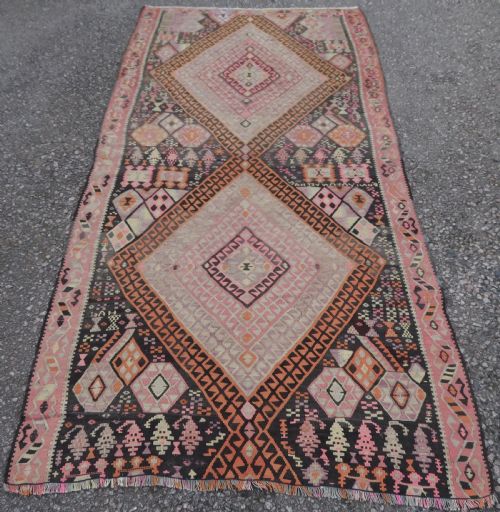
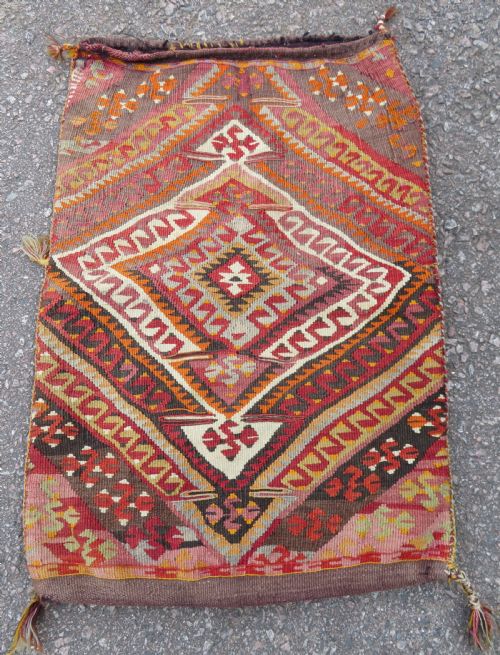
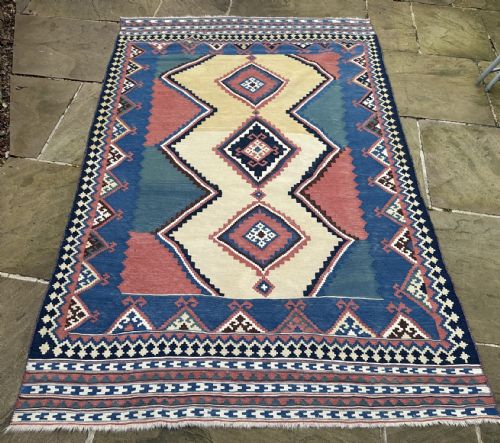
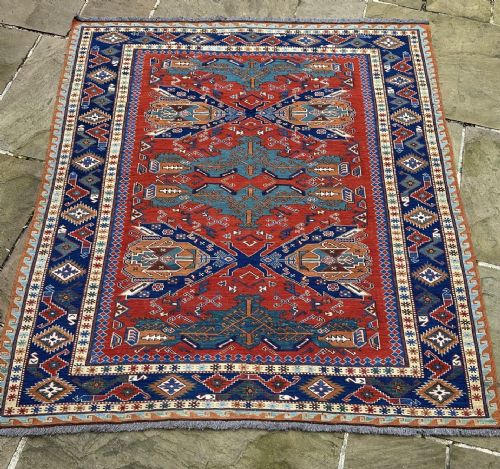
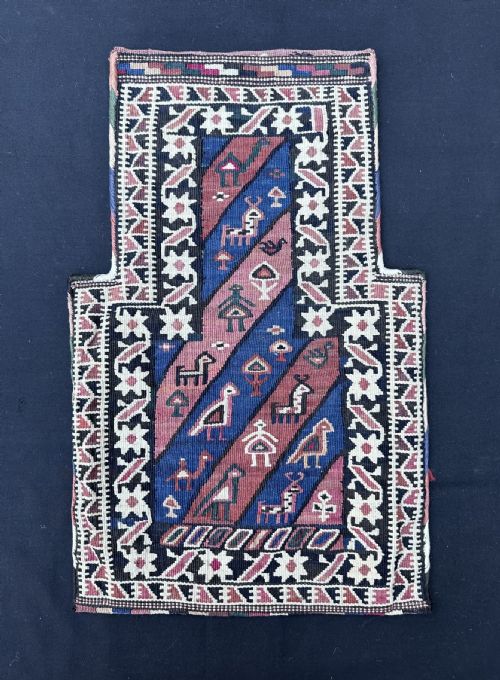
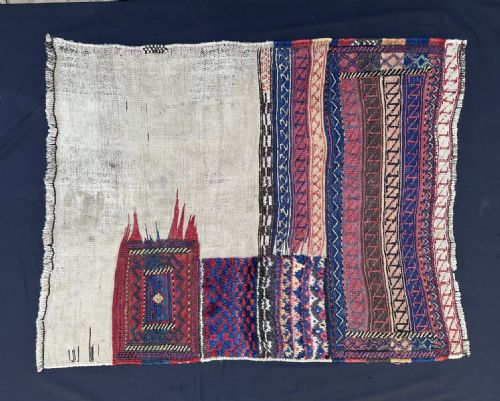
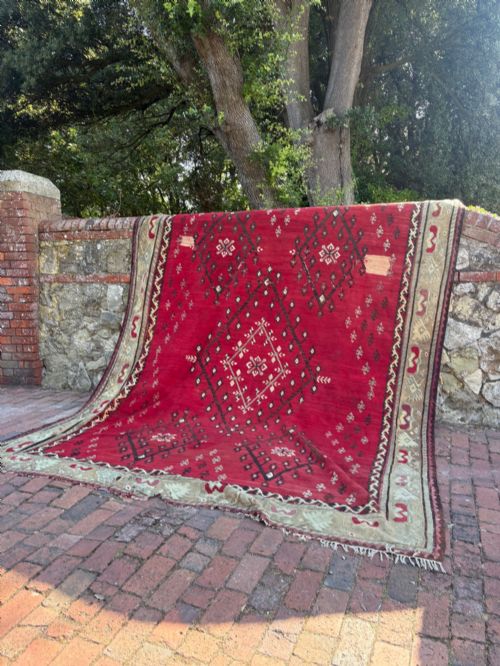
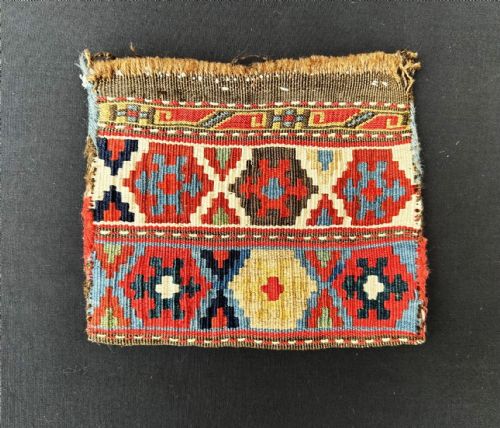
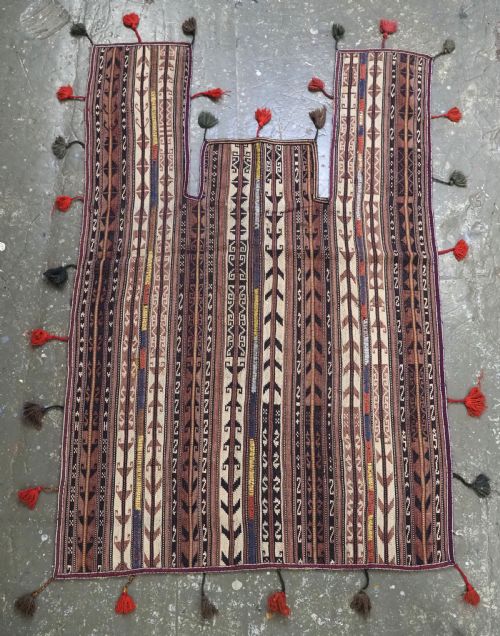
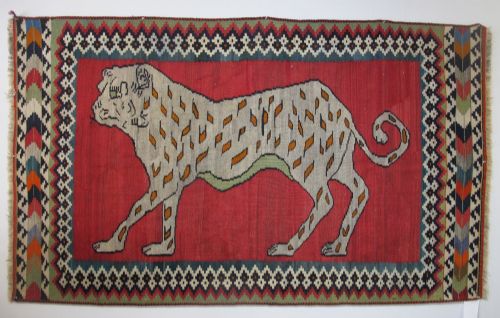
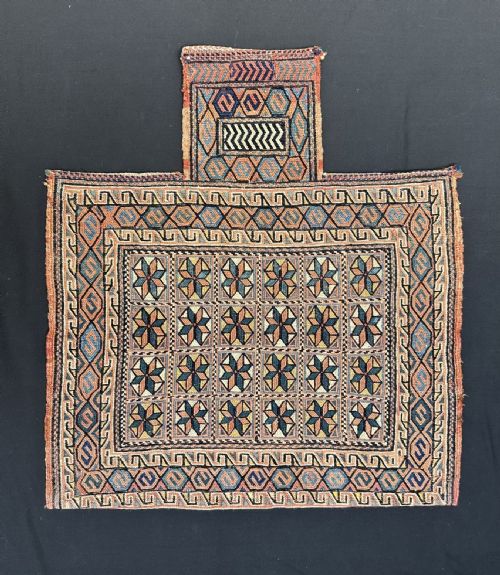
A tribal wool flatweave rug encompasses utilitarian flatwoven textiles, kilims, and nomadic bags originating from Persian, Caucasian, Anatolian, and Central Asian regions. These pieces include utilitarian items such as salt-bags, bread sofrehs, horse blankets, and large room-size carpets woven by specific tribal confederacies.
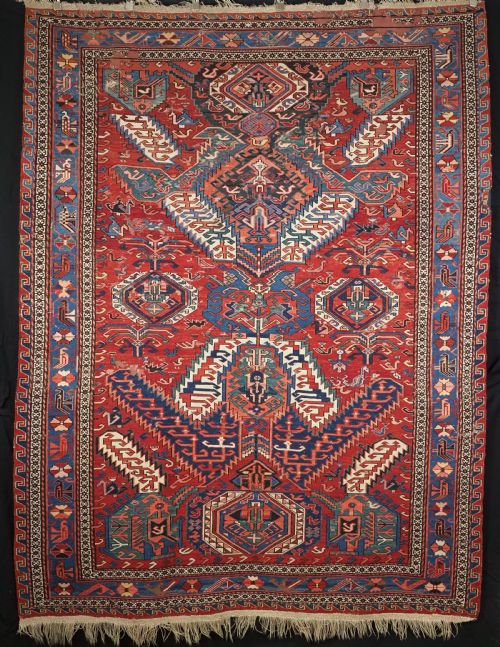
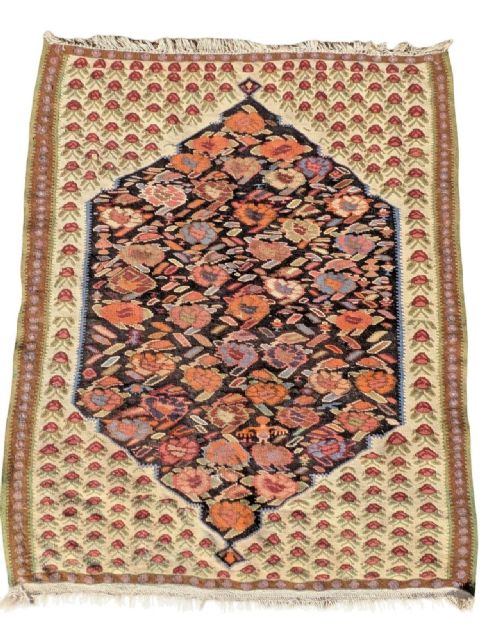
The selections available range from late nineteenth-century Caucasian sumaks and Persian Qashqai kilims to early twentieth-century Anatolian runners and Turkmen tent bands. Buyers most frequently encounter antique kilims and tribal bags carrying distinctive regional geometric motifs.
Nomadic weavers produced these flatweaves for daily domestic utility, storage, and ceremonial flooring within tribal encampments. Each textile reflects the specific utilitarian and artistic traditions of groups like the Afshar, Shahsevan, Bakhtiari, and Yomut Turkmen.
Materials and Construction Techniques
The construction relies entirely on supplementary weft-float, slit-tapestry, and banded flatweave techniques that produce a sturdy, pileless textile. Weavers utilised hand-spun wool, occasional camel wool, goat hair for structural durability, and cotton foundations.
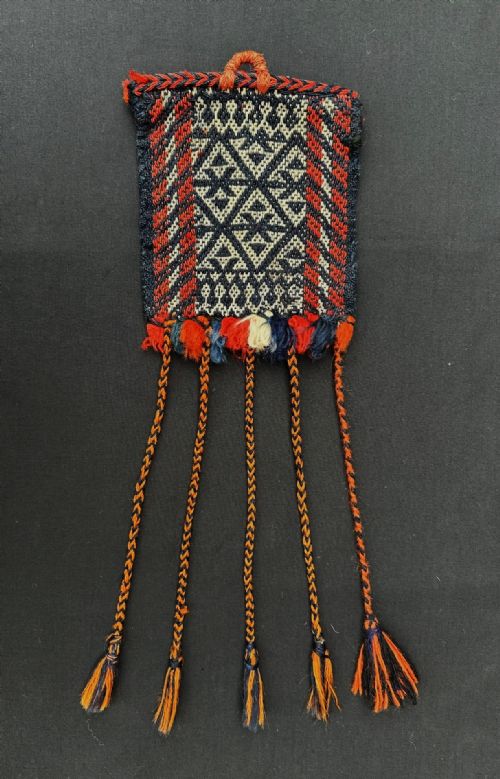
Colour derives from natural dyes applied to local wool fibres, yielding deep madder reds, indigo blues, and earthy tones that age with distinct patination. Certain utilitarian bags incorporate cowrie shells and specialised mixed-weave structures for added decoration and reinforcement.
Nomadic weavers occasionally stitched cowrie shells directly onto storage bags to ward off the evil eye.
Factors That Determine Quality
Quality rests upon the tightness of the weave, the clarity of the geometric drawing, and the integrity of the natural dyestuffs. Finely spun wool and precise execution of complex tribal patterns separate standard utility pieces from exceptional tribal examples.
The survival of original side-cords, complete fringes, and uncompromised structural flatweaving distinguishes well-preserved survivals from heavily restored textiles. Regional attribution and the scarcity of specific tribal formats further influence the standing of individual pieces.
The Tribal Wool Flatweave Rug Glossary
- Kilim
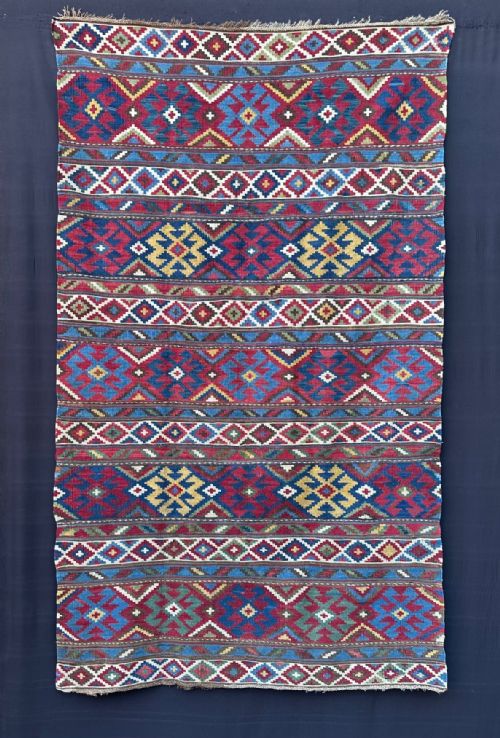
- A pileless flatwoven textile produced by tightly interlinking coloured weft threads over a warp foundation. This technique creates a smooth surface with identical patterns visible on both sides.
- Sofreh
- A flatwoven spread or cloth utilised during communal meals, bread making, or dough preparation. These textiles frequently display minimalist geometric field designs specific to Persian and Afghan nomadic groups.
- Chuval
- A large Turkmen tent-storage bag designed for household possessions and bedding. They feature intricate gul motifs and decorative flatweave borders.
- Sumak
- A warp-wrapping technique where coloured weft threads are wrapped around warp threads before being beaten down. This method provides extra thickness and durability without creating a knotted pile.
- Chanteh
- A small vanity or personal carrying bag woven by nomadic women. These compact textiles demonstrate concentrated examples of tribal design work.
Tribal Wool Flatweave Rug: Frequently Asked Questions
How were tribal flatweaves used daily?
Nomadic families utilised flatweaves primarily as floor coverings, blankets, horse covers, and partitioning hangings inside tents. Specialised containers like salt-bags and bread sofrehs served practical functions in food preparation and storage.
Over generations, these textiles adapted to changing domestic requirements while retaining their traditional tribal motifs. Their lightweight structure made them easily portable during seasonal migrations.
Where do these flatweaves originate?
The pieces originate across Western and Central Asia, including regions of modern-day Iran, Turkey, the Caucasus, and Afghanistan. Distinct tribal groups such as the Qashqai, Afshar, Shahsevan, and Yomut Turkmen developed signature weaving styles.
Geography and local materials dictated the specific wool types, dye palettes, and geometric layouts characteristic of each regional group.
How do I care for a antique flatweave?
Protect the textile by placing a quality non-slip rug underlay beneath it to prevent shifting and reduce friction against hard floors. Vacuum gently using low suction without a rotating brush bar to remove embedded dust.
Keep the rug out of direct sunlight to prevent natural dye fading. Professional antique textile cleaning is recommended when washing becomes necessary.
How do I distinguish regional styles?
Caucasian pieces typically display sharp, rectilinear geometry and crisp chromatic contrasts. Persian tribal weaving often incorporates softer abrash colour variations and intricate medallion or animal motifs.
Turkmen and Anatolian flatweaves are identifiable through their repeating guls, banded stripe layouts, and specific structural edge finishes.