




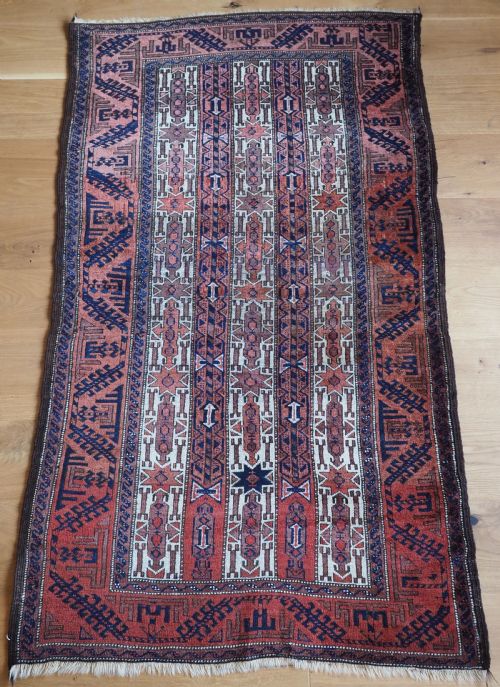
Baluchistan Tribal Rug
A baluchistan tribal rug brings genuine nomadic craft into a room, offering rich geometric patterns woven by hand to last.
Baluchistan Tribal Rug
When you search for a baluchistan tribal rug, you encounter hand-woven textiles created by nomadic and village weavers across the borderlands of Persia, Afghanistan, and Khorasan. These pieces encompass smaller floor coverings, runners, prayer formats, and utilitarian bag faces that served daily nomadic life.
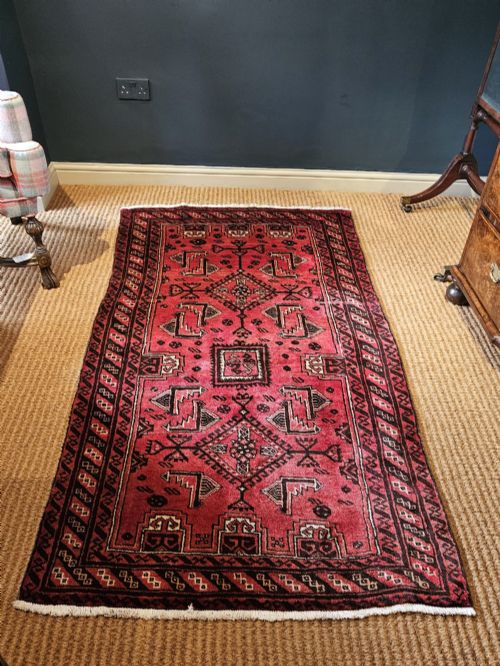
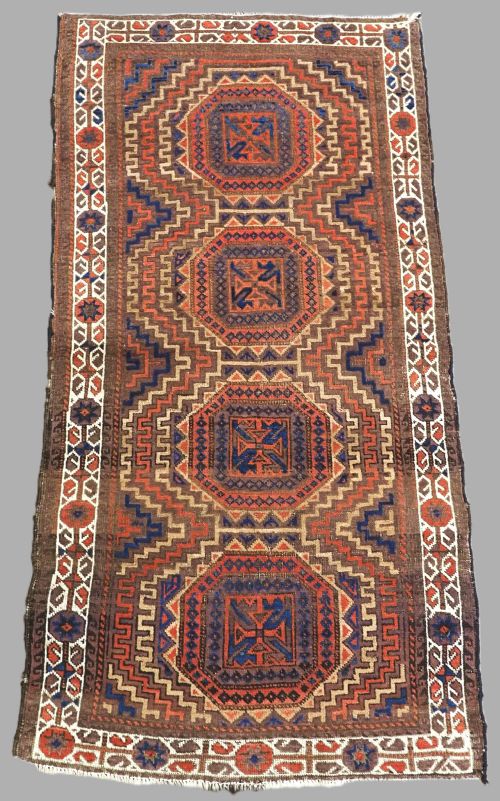
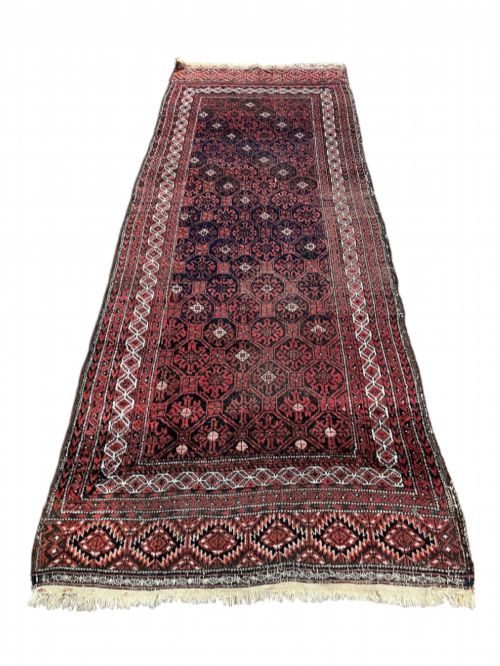
You are most likely to meet early twentieth century and late nineteenth century examples on this page, particularly rugs and smaller items like saddle bags and kilims. The designs rely on traditional tribal motifs such as large guls, tile patterns, banded chevrons, and the Herati pattern.
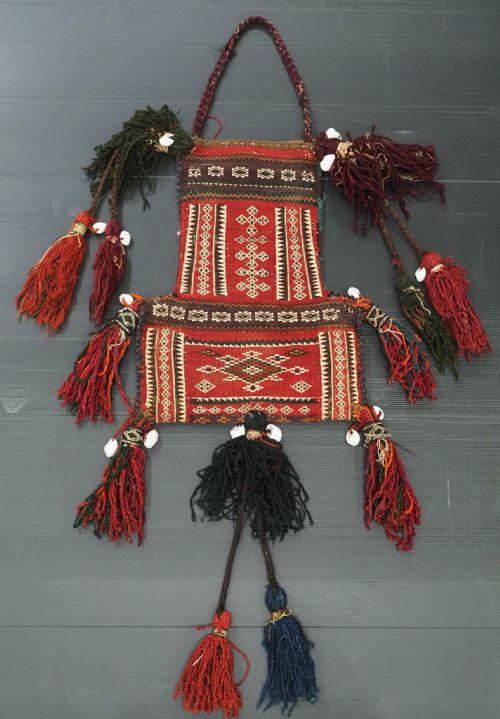
The aesthetic is grounded in darker, saturated palettes often offset by ivory or white ground stripes and occasional figurative details like human figures or cowrie shells. These textiles carry the distinct visual language of tribes including the Zaggar Mengal, Salar Khani, and Mahdad Khani.
Materials and Construction
Makers utilised natural materials, relying primarily on wool, hand-spun wool, and pure wool for the pile and structure. Foundation warps and wefts frequently incorporate cotton or goat hair for added durability.
Weavers constructed these pieces on portable horizontal looms set up in camps or villages. The resulting tight knotting and sturdy flatweave or pile techniques ensured the items could withstand the rigours of nomadic existence.
Current listings feature pieces dated from 1880 to 1920, incorporating wool, cotton, goat hair, and cowrie shells.
Factors That Determine Quality
Quality rests upon the fineness of the weave and the crispness of the geometric design execution. Denser knotting and careful handling of complex motifs like guls or Herati repeats signal superior craftsmanship.
The integrity of the materials and the depth of the natural dyes also set finer examples apart. Surviving pile condition, secure edges, and the clever deployment of scarce elements like white ground stripes elevate certain pieces above standard production.
Zaggar Mengal Baluch Nomads·Salar Khani Baluch·Mahdad Khani Tribe
The Baluchistan Tribal Rug Glossary
- Gul
- A repeating medallion motif often found in tribal weavings. This octagonal design element forms the structural backbone of many traditional patterns.
- Namakdan
- A traditional woven salt bag utilised by nomads for storage. These functional pieces display intricate face designs akin to smaller rugs.
- Herati
- A classic floral and leaf trellis pattern repeated across the field. It is a common motif borrowed from Persian urban traditions and adapted by tribal weavers.
- Kilim
- A flat-woven textile lacking a pile. These pieces are created by tightly interweaving warp and weft strands to produce geometric banded designs.
- Prayer rug
- A small format textile featuring a mihrab or niche design used for daily devotions. These pieces often showcase unique pictorial elements.
Baluchistan Tribal Rug: Frequently Asked Questions
What is a baluchistan tribal rug?
It is a hand-woven textile produced by nomadic and semi-nomadic groups in the border regions of Persia and Afghanistan. These pieces reflect traditional tribal designs and practical functions.
They are distinct from urban Persian carpets due to their darker colour palettes, geometric guls, and nomadic origins.
How do I style a tribal rug at home?
These pieces work well in spaces that benefit from rich texture and grounding geometric patterns. Use them in hallways, studies, or as focal points in smaller rooms.
Pair them with simple wooden furniture to let the traditional dyes and motifs stand out without visual competition.
How can I tell the age of these rugs?
Age is assessed through the handling of materials, dye chemistry, and structural wear patterns. Pieces from the late nineteenth and early twentieth centuries show specific wool characteristics and natural colour variations.
Design motifs and structural evidence also help place a textile within a specific decade or era.