


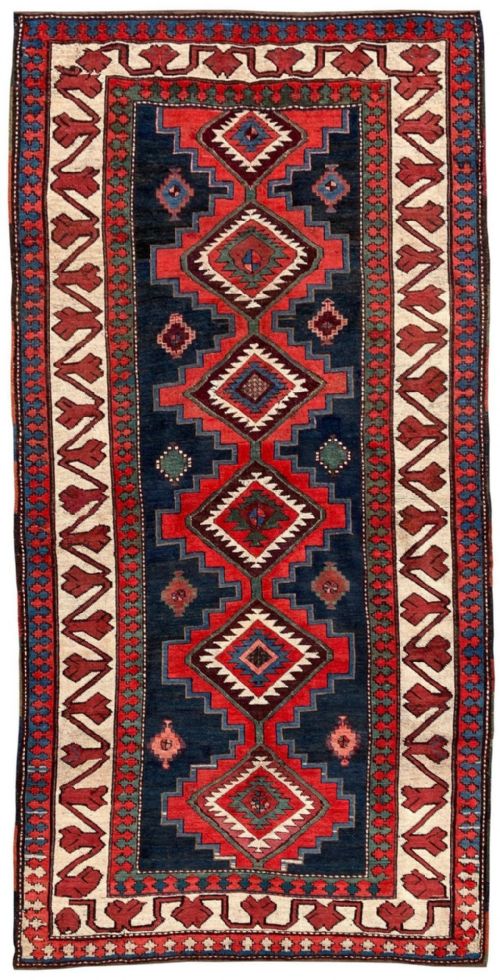
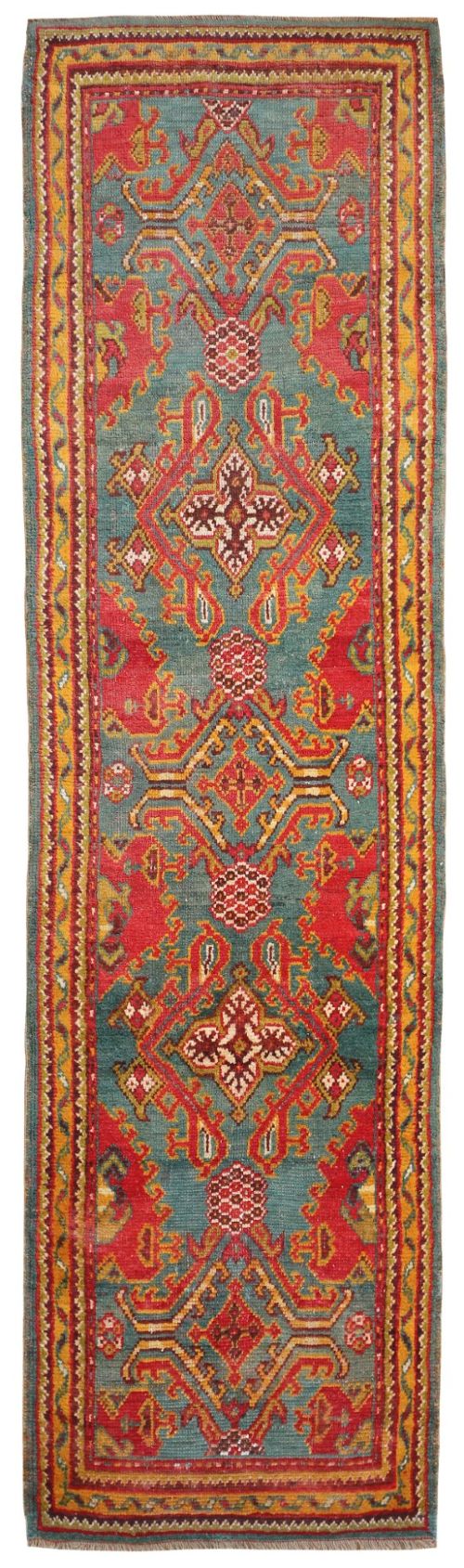
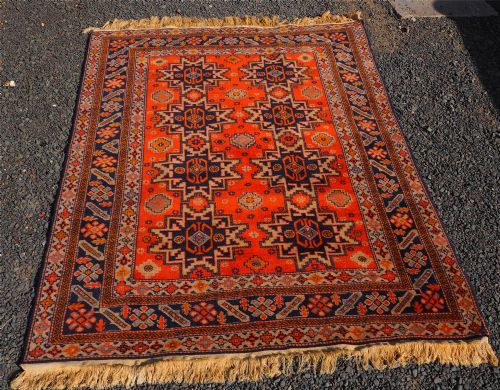
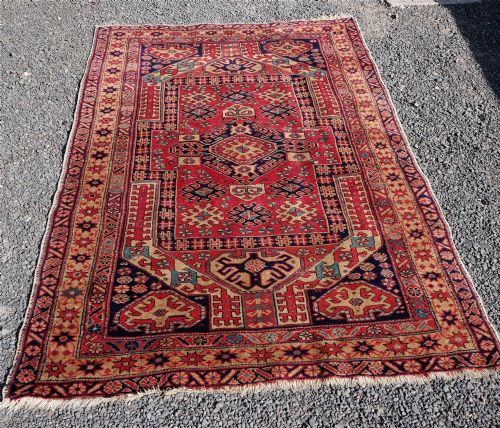
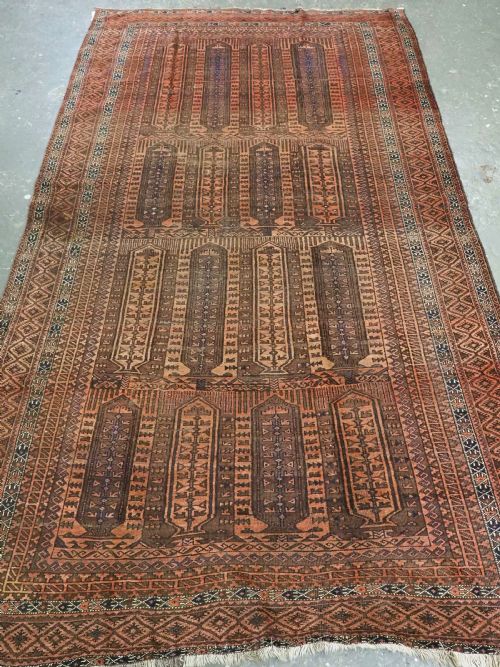
Tribal Wool Area Carpet
A tribal wool area carpet brings warmth and grounded pattern to a room through dense hand-knotted pile and enduring regional dye work.
Tribal Wool Area Carpet
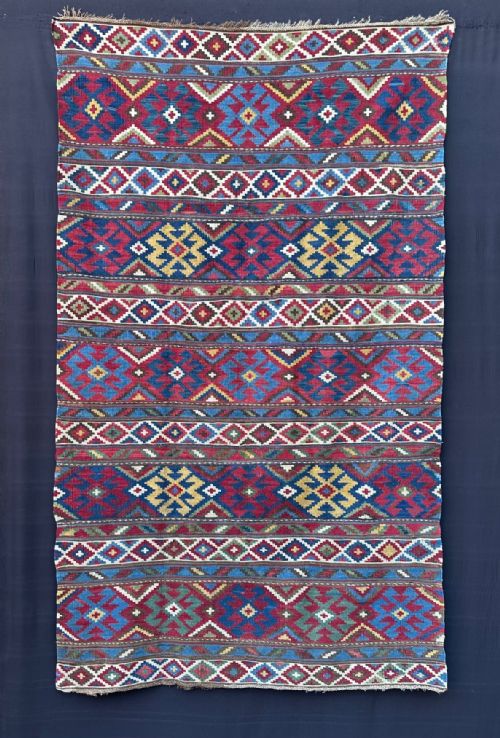
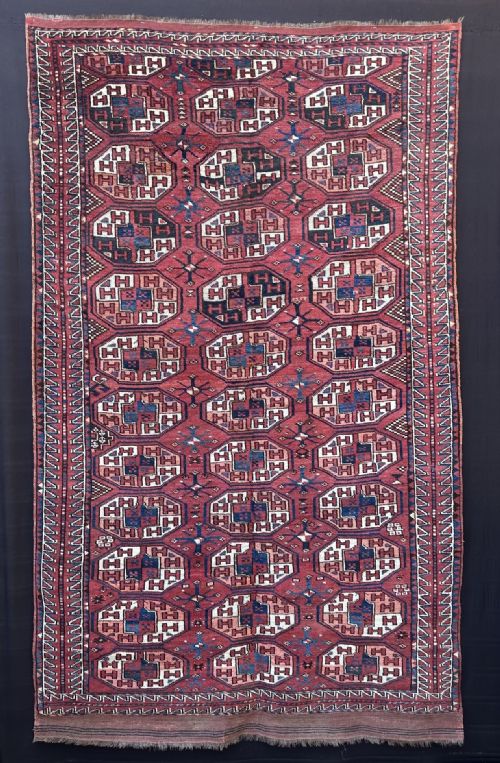
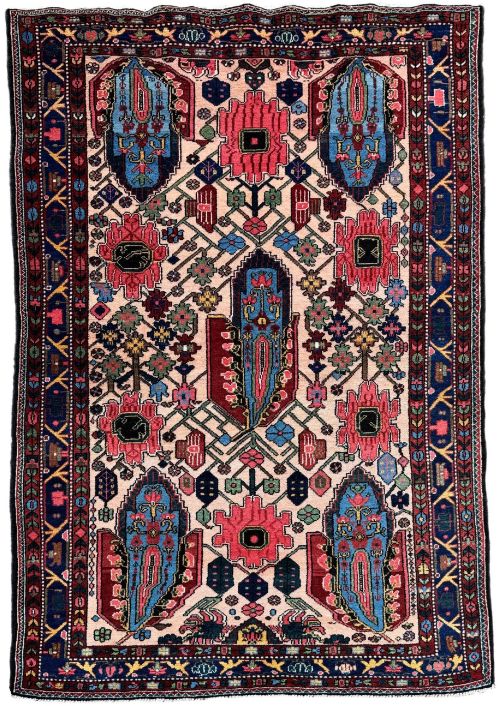
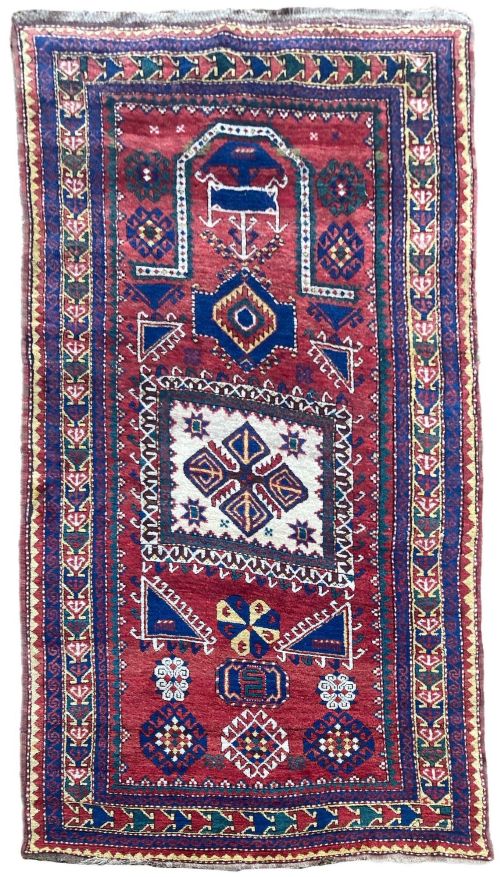
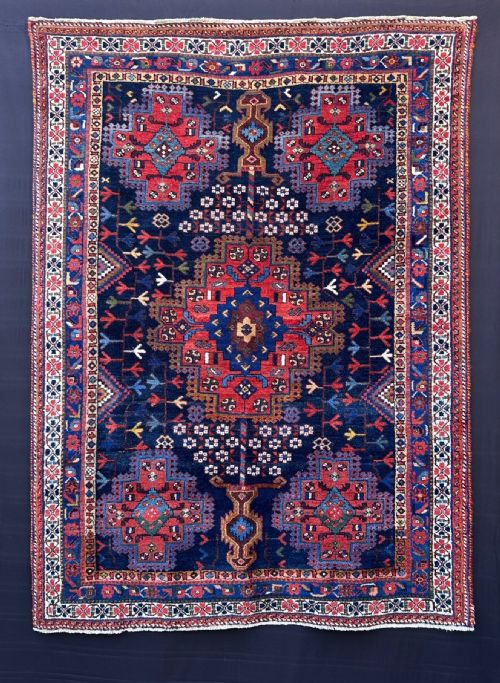
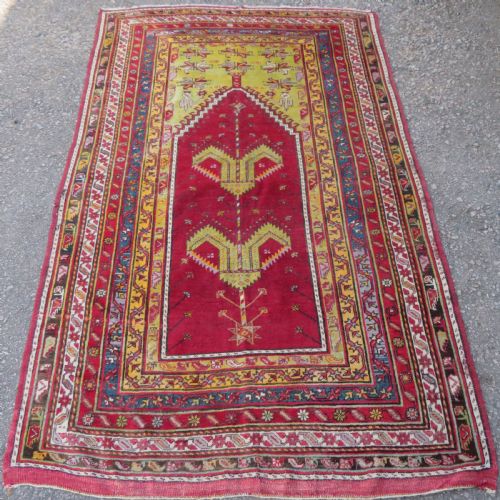
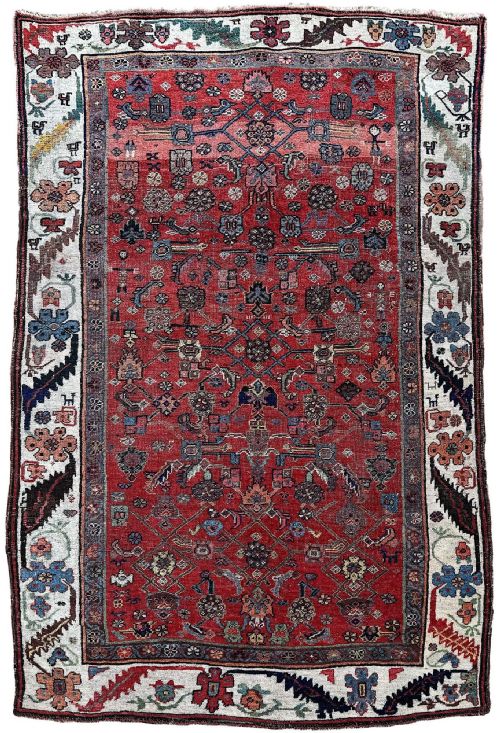
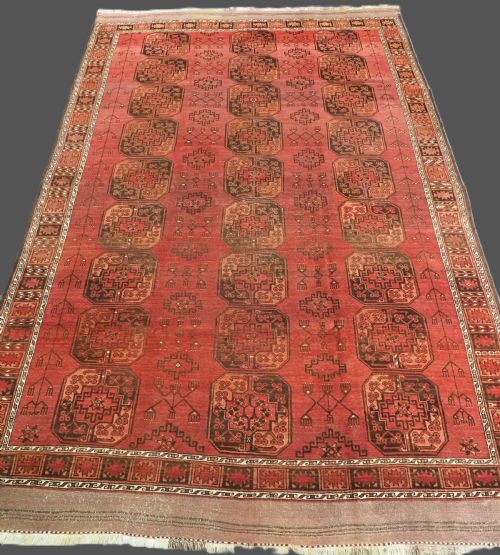
A tribal wool area carpet covers floor space using traditional nomadic and village weaving methods from Persian, Caucasian, Turkish, and Afghan traditions. These textiles serve both functional floor covering and cultural expression through geometric and symbolic motifs.
The selections span distinct periods from the late nineteenth century through the early twentieth century, specifically showing dates around 1880, 1890, 1900, 1910, 1920, and 1930. Buyers encounter named regional types such as Bakhtiar, Bidjar, Khamseh, Karaja, Baluch, and Bordjalou Kazak.
Most items function as floor rugs or carpets, utilising sturdy foundations designed to withstand regular foot traffic while displaying regional tribal patterns. The palette relies heavily on natural dyes that soften gracefully over decades of age.
How they were made
Construction relies on wool for the surface pile, paired with cotton foundations in many examples to provide structural stability. Hand-knotting secures the pile tightly to warp and weft threads.
Dyeing utilises natural dyes to achieve rich colour saturation across the various Persian, Caucasian, Turkish, and Afghan workshops. Artisans employ traditional geometric and folk art patterns unique to each tribal group.
Tribal Wool Area Carpet Retail Price Guide 2026
Typical asking prices for tribal wool area carpet among the pieces listed under this phrase on Sellingantiques today, from the lower quarter to the upper quarter. They describe what is for sale here now, not the wider market.
What varies in quality
Quality rests in the precision of the knotting and the complexity of the tribal design work, distinguishing everyday utility pieces from finer folk art examples. Tighter pile density and secure wool foundations ensure greater longevity underfoot.
The depth and character of the natural dyes influence visual appeal, with harmonious fading adding desirability to older carpets. Regional attribution and clear stylistic traits from sources like the Caucasus or Persia elevate the standing of individual rugs.
The Tribal Wool Area Carpet Glossary
- Pile
- The vertical or slanted soft yarn surface of a carpet formed by the cut ends of knots. This layer absorbs foot traffic and displays the primary pattern.
- Warp
- The stationary longitudinal threads stretched on a loom before weaving begins. These parallel strands form the foundational skeleton of the rug.
- Weft
- The horizontal threads passed alternately over and under warp threads to bind the knots in place. Proper tension here ensures structural integrity.
- Natural Dyes
- Colourants derived from plant, insect, and mineral sources rather than synthetic chemicals. They produce complex tones that age with subtle variation.
- Folk Art
- Creative work produced within a traditional cultural context by self-trained artisans. In carpets, this appears through expressive, non-standardised geometric motifs.
Tribal Wool Area Carpet: Frequently Asked Questions
How do I clean a tribal wool area carpet?
Regular gentle vacuuming without a beater bar removes surface dust safely from the wool pile. Professional specialist cleaning remains necessary for deeper maintenance to protect natural dyes.
Avoid harsh chemical treatments or excessive water immersion, which can damage wool fibres and alter traditional colour balances.
Can I place these carpets in high traffic areas?
Wool possesses natural lanolin that provides inherent resistance to dirt and everyday wear. Dense hand-knotted construction makes these rugs durable enough for hallways and living spaces.
Using a quality underlay prevents slipping and cushions the foundation against hard flooring surfaces.
How do I identify different regional rug types?
Region identification relies on characteristic geometric motifs, border arrangements, and specific colour palettes associated with particular tribes or towns. Caucasian pieces often show bold primary medallions, while Baluch rugs favour darker, moody tones.
Comparing structural details such as fringe finishing and edge binding offers further clues to geographic origin.
Why do natural dyes look different in various lights?
Natural colourants absorb and reflect light differently than synthetic dyes due to subtle variations in tone along individual wool fibres. This phenomenon creates a dynamic surface appearance that shifts throughout the day.
Such optical depth indicates traditional dyeing methods rather than uniform industrial application.