
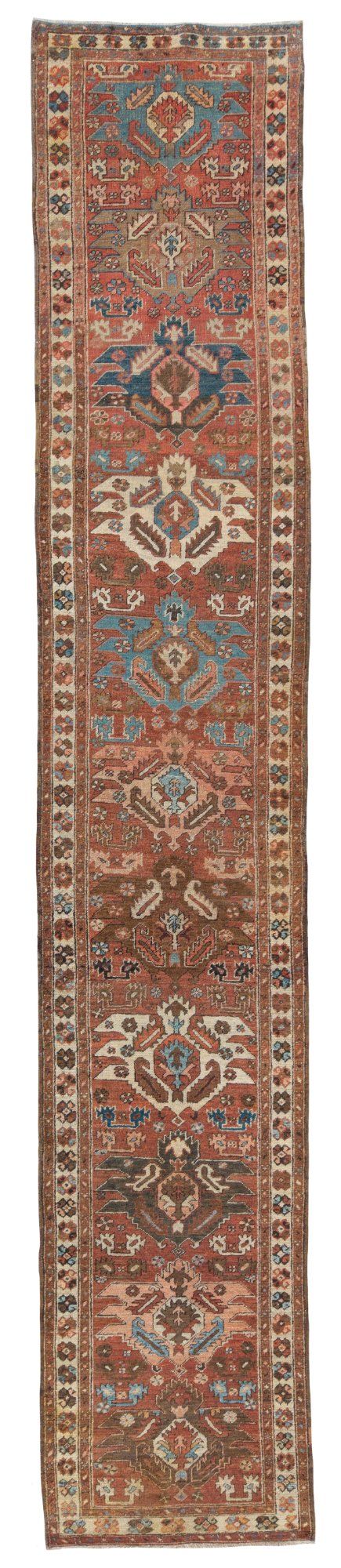
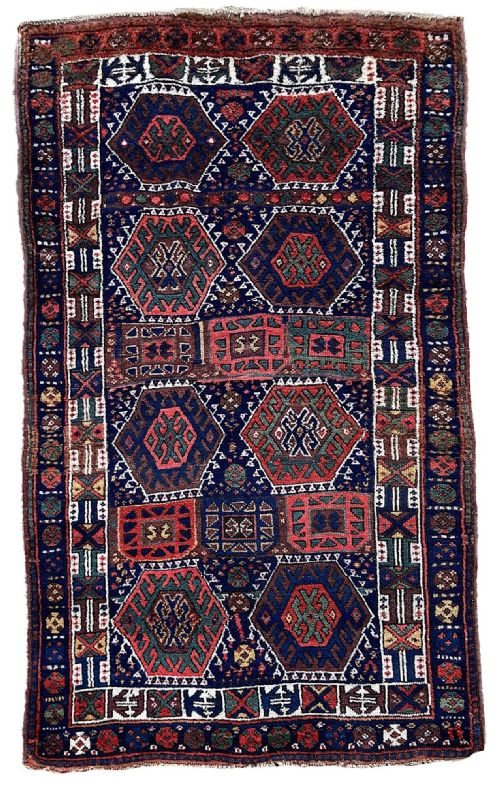


Tribal Village Rug
When you search for a tribal village rug, you seek hand-knotted wool floor coverings made in nomadic or regional weaving communities across Persia, the Caucasus, Anatolia and Afghanistan.
Tribal Village Rug
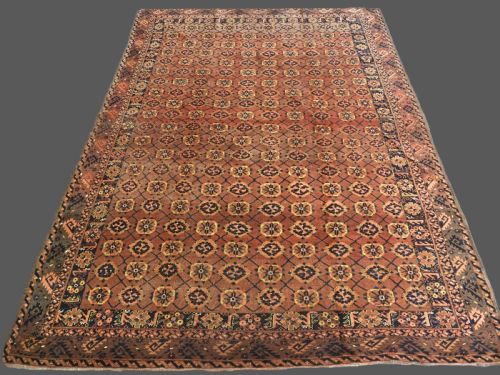
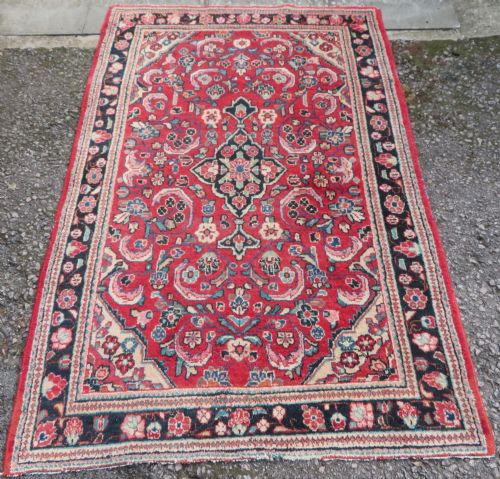
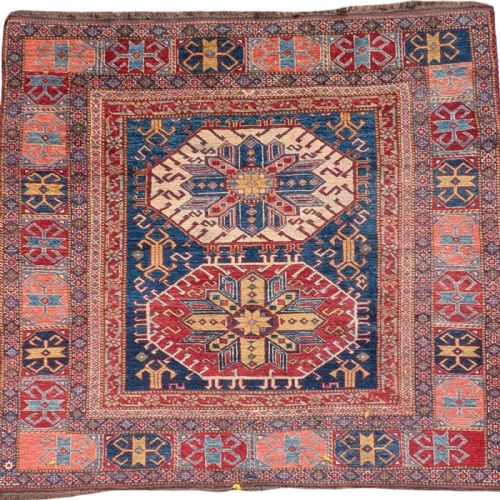
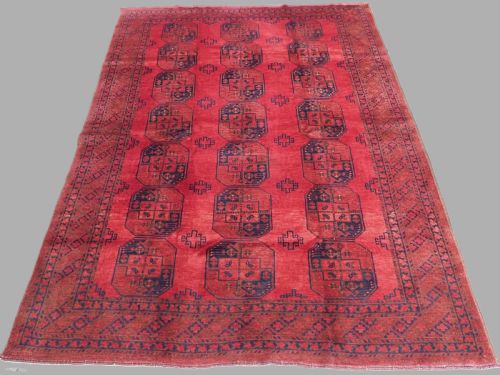
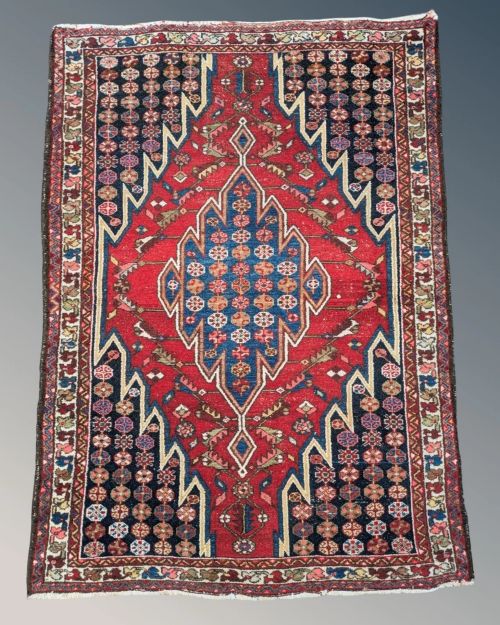
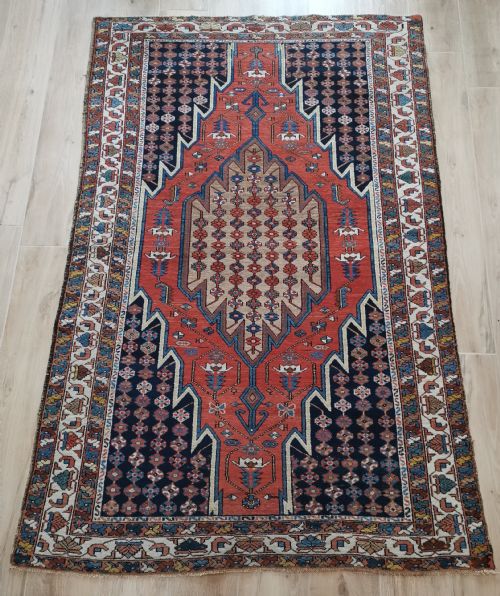
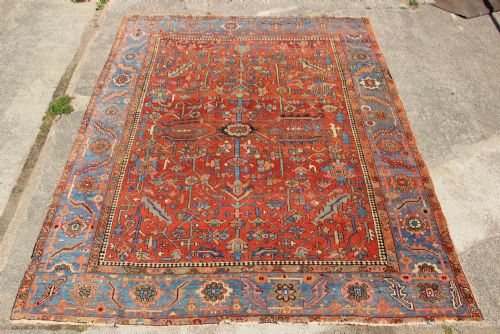
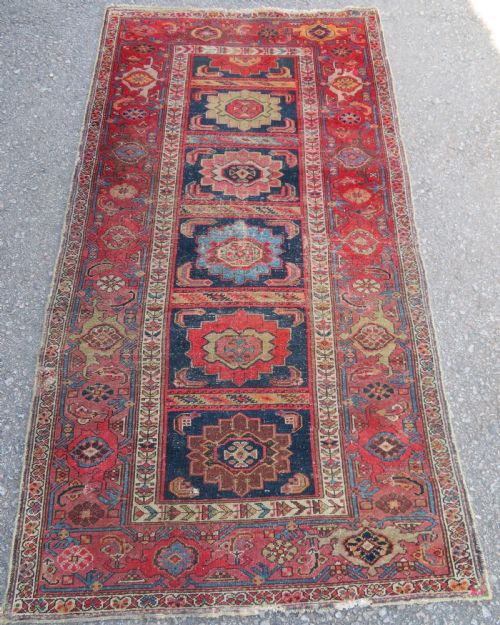
A tribal village rug represents nomadic or rural domestic weaving traditions from regions such as Persia, Anatolia, the Caucasus and Afghanistan. These floor coverings span runner formats, area rugs, prayer rugs and larger carpets created for domestic use or local trade.
The version you are most likely to meet on this page is a piece originating from the late nineteenth century through to the interwar decades of the twentieth century. These examples frequently display regional medallion formats, boteh motifs or geometric tribal designs.
Makers in village settings worked independently from urban court workshops, relying on memory, local symbolism and inherited family patterns. This results in varied formats including long rugs, squarer carpets and narrow corridor runners.
How they were made
The construction relies fundamentally on wool piles knotted onto foundation threads of cotton or wool. Artisans utilised hand-spun wool for the pile, providing resilience and a tactile density that accommodates heavy foot traffic.
Natural dyes infused the wool with earthy tones, warm reds, and deep blues that mellow softly over decades of exposure and use. Structural elements often incorporate flatwoven kilim ends or sturdy warps to protect the edges from fraying.
The listings on this page span the nineteenth century through the 1930s, featuring wool piles, cotton warps and natural dyes.
What varies in quality
Quality is determined by the fineness of the knotting and the integrity of the wool pile. Denser knots allow intricate geometric lines to remain sharp and defined over generations of domestic service.
The depth and consistency of the natural dye palette separate standard production from superior examples. Pices possessing varied abrash colour shifts and deeply saturated hues demonstrate greater visual depth.
The Tribal Village Rug Glossary
- Abrash
- Natural variations in colour shading across the wool pile caused by changes in dye batches or distinct wool lots. This unevenness is a hallmark of traditional dyeing methods.
- Boteh
- A pear-shaped or almond-shaped motif adorned with floral or curving details. It frequently appears repeating across field patterns in Persian and Caucasian weaving.
- Kilim end
- A flatwoven section of warp and weft threads extending beyond the knotted pile at either end of the rug. These sections protect the main foundation from unraveling.
- Prayer rug
- A small format rug featuring a mihrab or arch design indicating the direction of prayer. These pieces were utilised for personal devotion in domestic spaces.
- Warp
- The vertical structural threads stretched tightly on the loom before knotting begins. Cotton warp threads provide structural stability for many nineteenth and twentieth century pieces.
Tribal Village Rug: Frequently Asked Questions
Where were tribal village rugs made?
These floor coverings were produced in rural settlements, nomadic camps and regional weaving villages across Persia, Anatolia, the Caucasus and Afghanistan. Each district developed distinct geometric or semi-geometric design traditions.
Local weavers utilised materials readily available in their immediate geographic surroundings, imparting unique regional characteristics to the wool and dyes.
How do I care for an old rug?
Protect the piece by placing a breathable, high-friction underlay beneath it to prevent slipping and reduce friction against hard floors. Vacuum gently with the suction attachment rather than a rotating brush roll.
Keep the textile out of direct, harsh sunlight to prevent natural dyes from fading prematurely. Professional cleaning should be undertaken periodically by specialists in antique textiles.
How can I tell regions apart?
Different weaving areas are distinguished by specific colour palettes, border arrangements and foundational structures. Caucasian and Anatolian pieces often favor sharp geometric medallions, whilst Persian village workshops incorporate curvilinear elements and boteh motifs.
Examining the weave density, wool texture and finishing of the ends provides further clues to the specific geographic origin of the textile.