



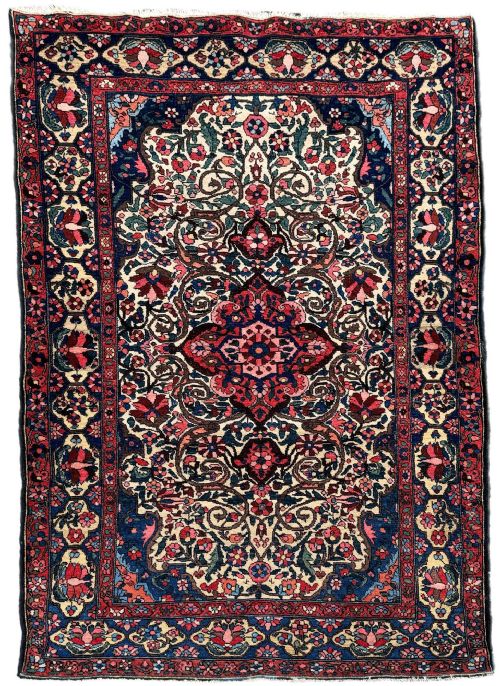
Tribal Persian Floor Carpet
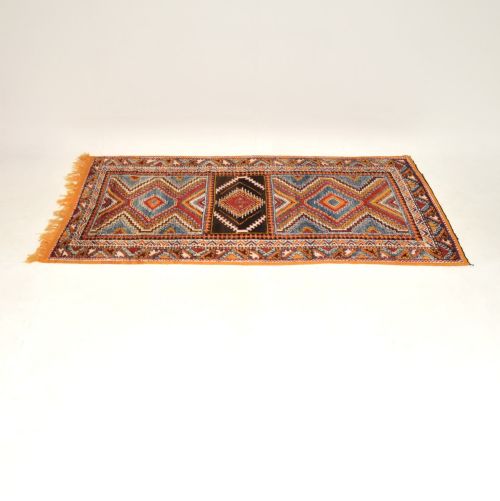
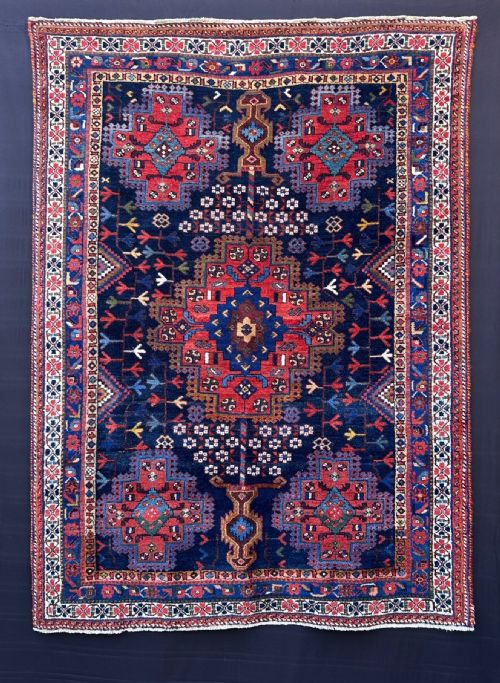
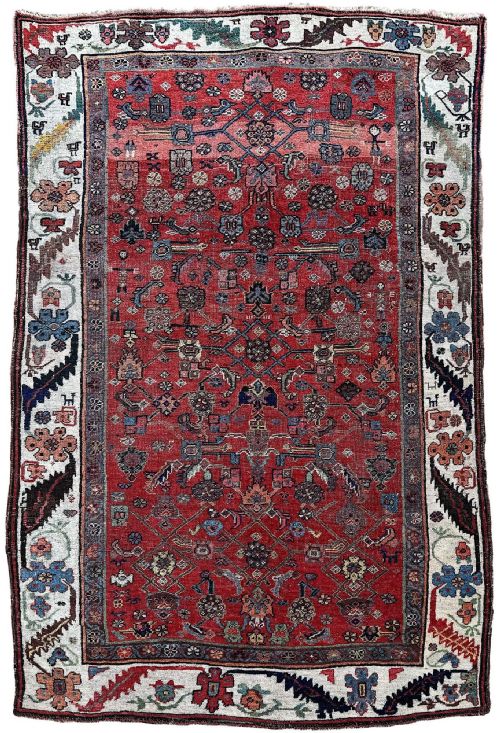
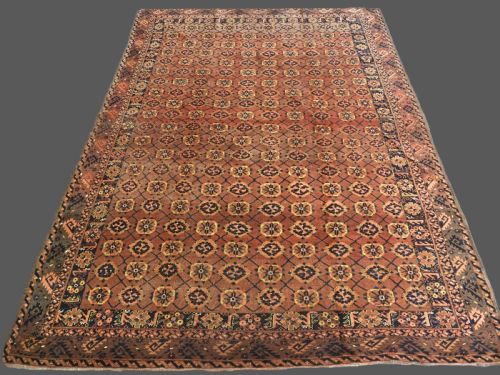
These tribal persian floor carpets bring village and nomadic craftsmanship directly into domestic spaces through enduring geometric patterns and rich natural wool.
Tribal Persian Floor Carpet
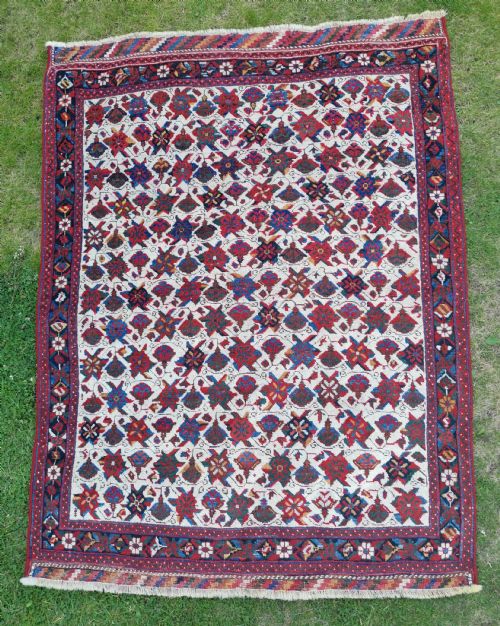
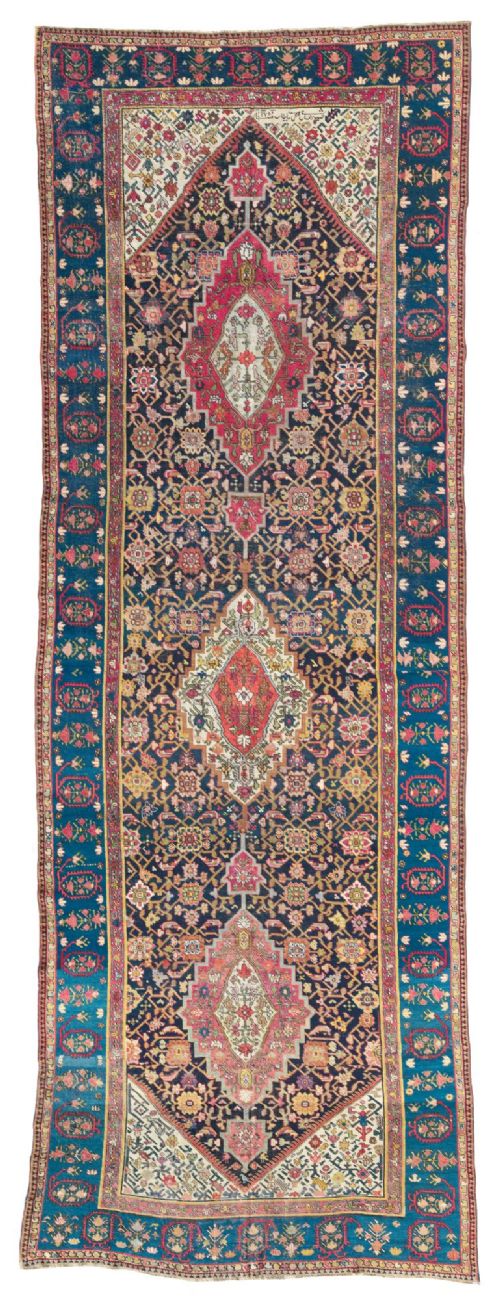
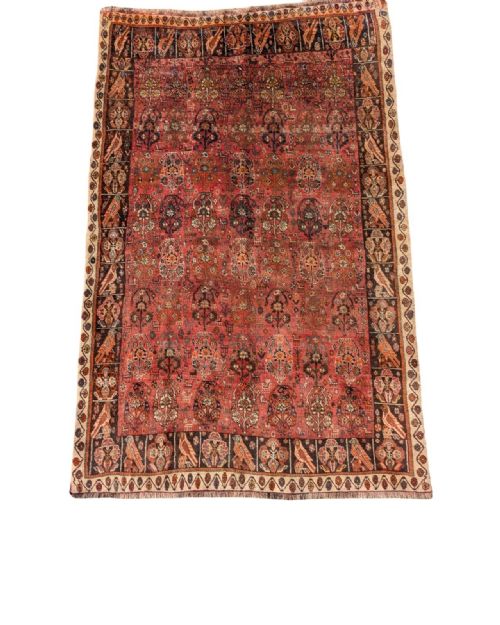
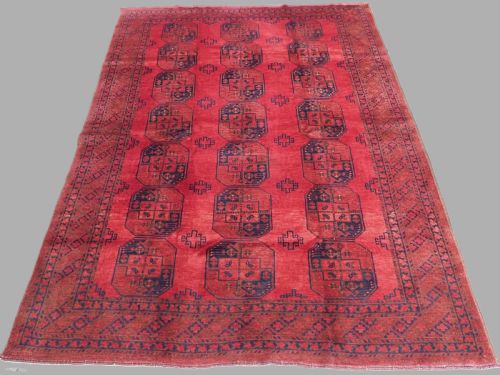
A tribal persian floor carpet represents nomadic and village weaving traditions from various regions across Persia and surrounding areas. These textiles function as durable floor coverings while displaying centuries-old motifs passed down through families and tribes.
Buyers will most frequently encounter pieces originating from the nineteenth and early twentieth centuries, spanning periods from the eighteen-eighties to nineteen-forties. These range in format from smaller area rugs to substantial room-sized carpets and long hallway runners.
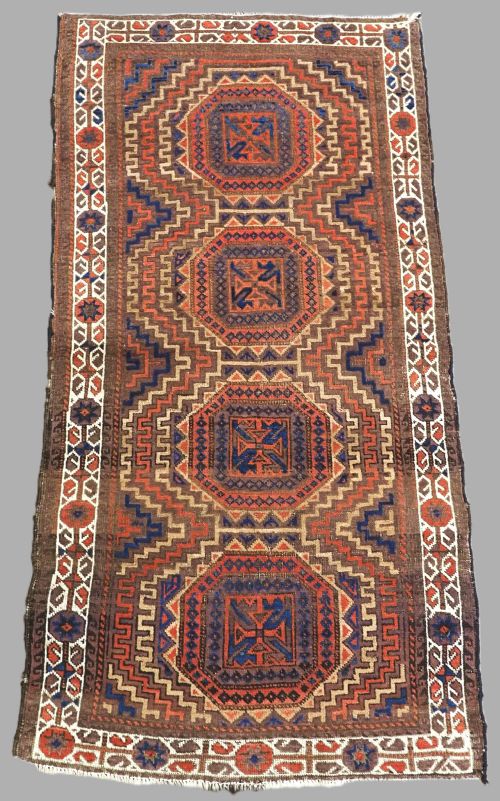
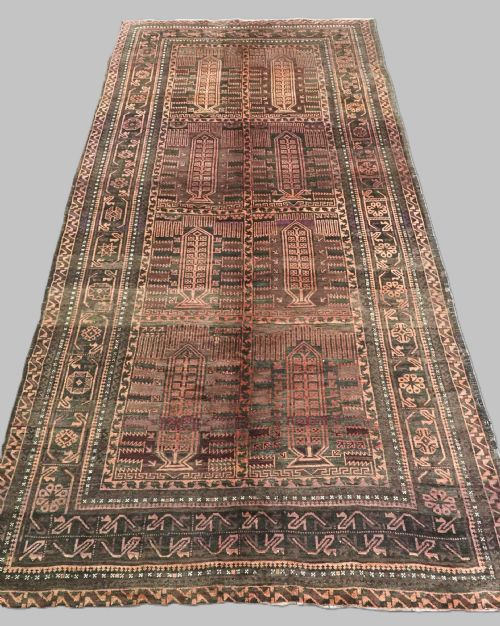
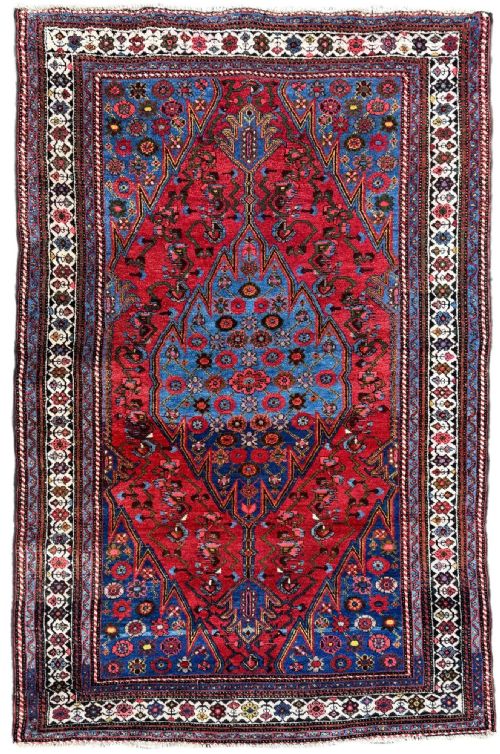
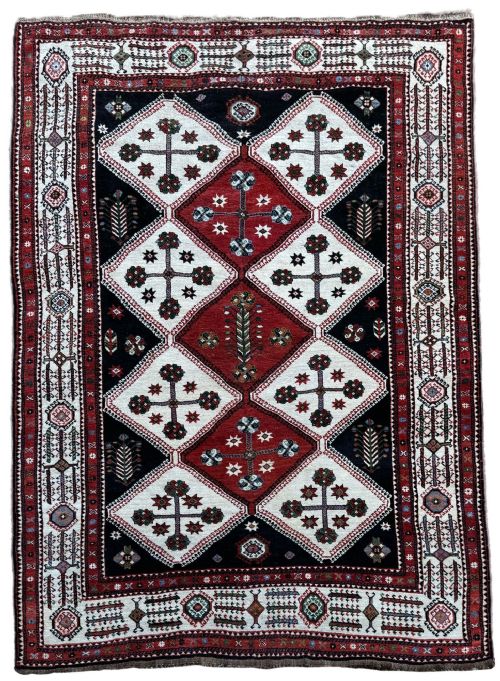
The selection reflects distinct regional groups including Afshar, Bakhtiar, Qashqai, Baluch, and Kurdish weavers. Each group brings specific design vocabulary and structural characteristics to their floor carpets.
Materials and construction
Construction relies upon hand-knotted wool foundations utilising durable cotton for warps and wefts in many village productions. Weavers employ natural dyes derived from plants and minerals to achieve deep reds, navies, and earthy tones that age gracefully.
The traditional hand-woven technique binds individual woolen knots tightly to the foundation structure, creating a dense pile capable of withstanding heavy daily use. Artisans work from memory or traditional tribal designs rather than rigid printed charts, ensuring individual character in every floor carpet.
Current listings feature hand-knotted wool carpets produced across multiple decades from eighteen-fifty to nineteen-forty.
Factors of quality
Quality rests upon the tightness of the knotting and the fineness of the wool used in the pile. Tighter foundations allow intricate geometric designs and medallions to appear crisp and well-defined.
The depth and brilliance of the natural dyes greatly influence the visual impact of the weaving. Examples retaining saturated, harmonious colour palettes demonstrate superior dye preparation and mordant techniques.
The Tribal Persian Floor Carpet Glossary
- Gul
- A repeating octagonal medallion motif frequently found in Turkmen and Baluch tribal weaving.
- Kelleh
- A long, format rug traditionally used in Persian rooms, typically longer than it is wide.
- Runner
- A long, narrow carpet format designed specifically for hallways, corridors, and staircases.
- Warp
- The vertical threads stretched tightly on the loom that form the structural foundation of the carpet.
- Weft
- The horizontal threads passed through the warps after each row of knots to lock them securely in place.
Tribal Persian Floor Carpet: Frequently Asked Questions
How do I clean my tribal carpet?
Regular gentle vacuuming without a beater bar removes surface dirt and prevents dust accumulation in the wool pile. Professional specialist cleaning remains necessary for deep washing to protect the natural dye stability.
Avoid household chemical detergents or excessive moisture, which can damage wool fibres and cause dye bleeding. Promptly blot liquid spills with a clean, dry white cloth without rubbing.
Can these carpets handle heavy foot traffic?
Traditional hand-knotted wool construction provides exceptional natural resilience against daily wear in busy household areas. The lanolin present in quality wool helps repel dirt and cushions the fibres underfoot.
Using a quality rug underlay prevents slipping and cushions the foundation against hard flooring surfaces. This simple addition significantly extends the working lifespan of antique floor carpets.
How do I identify different tribal weaving styles?
Stylistic variations in border patterns, medallion shapes, and colour combinations help distinguish specific tribal origins like Afshar or Qashqai. Regional weaving structures also differ in knot density and warp depression.
Examining the back of the carpet reveals structural clues regarding materials and knotting regularity. Comparing these details against known regional examples clarifies the specific tribal attribution.
How do natural dyes age over time?
Natural dyes mellow gradually with exposure to light, developing a harmonious, softened patina known as abraash. This subtle tonal variation within a single colour field indicates traditional dye preparation.
Unlike synthetic dyes, quality natural colours retain their underlying richness and depth as they age. This organic fading process enhances the antique character of the carpet.