




Tribal Medallion Carpet
A tribal medallion carpet brings historic geometric artistry into a room, offering enduring warmth and distinctive character through time-worn wool designs.
Tribal Medallion Carpet
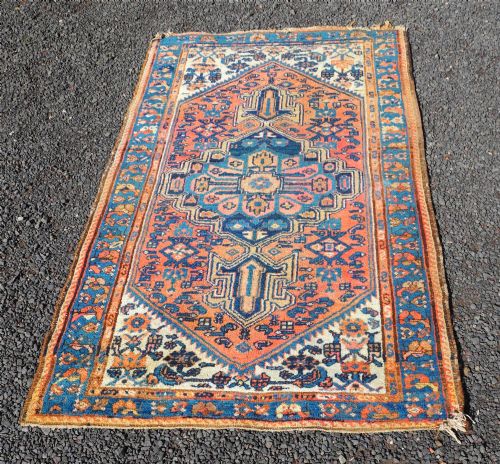
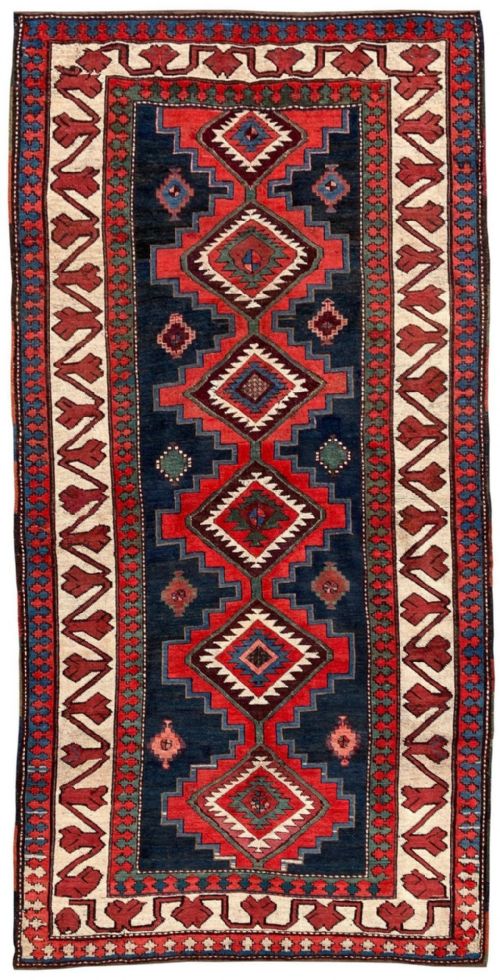
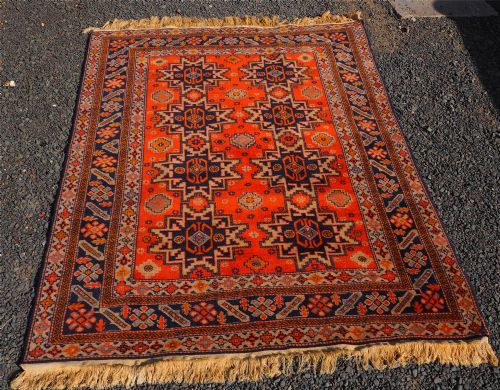
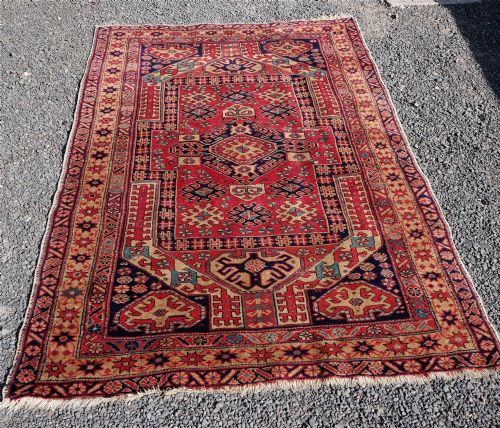
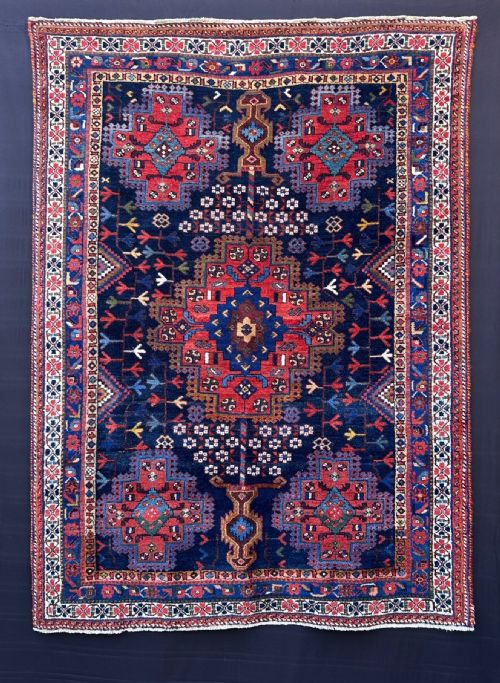
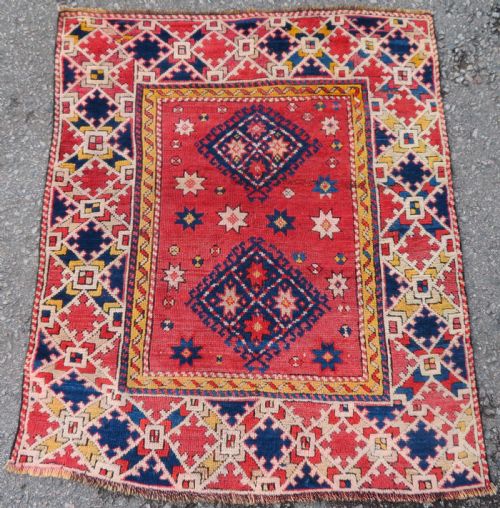
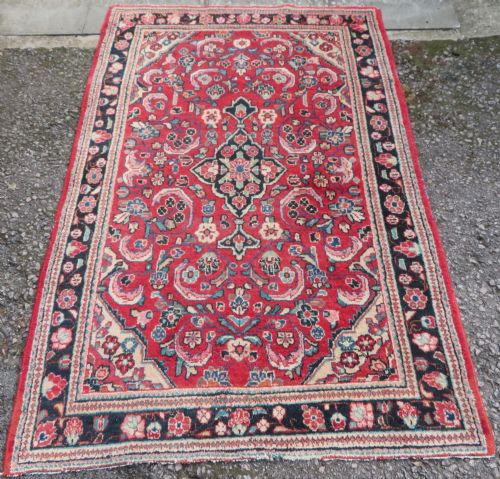
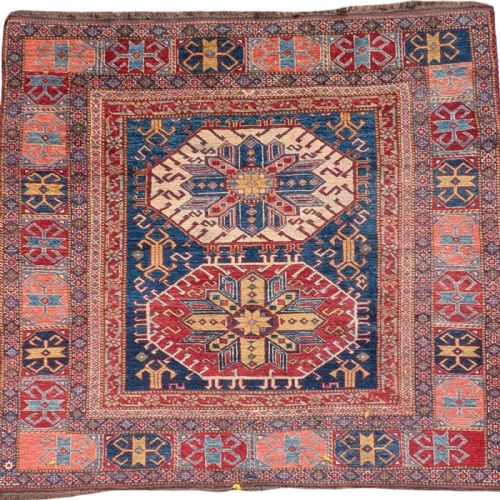
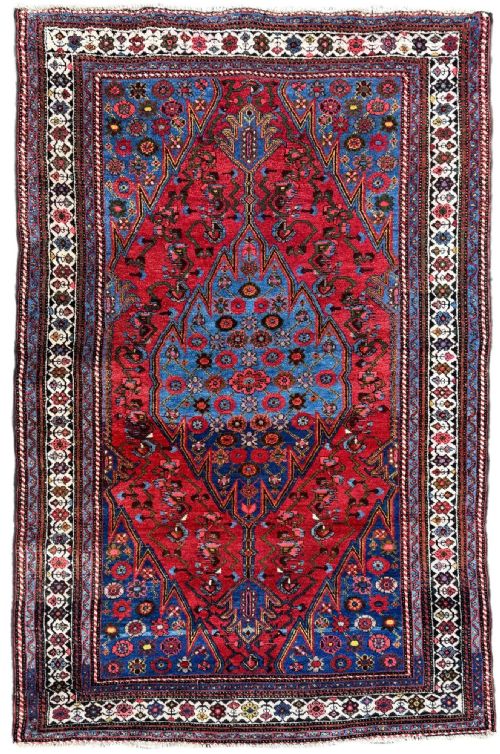
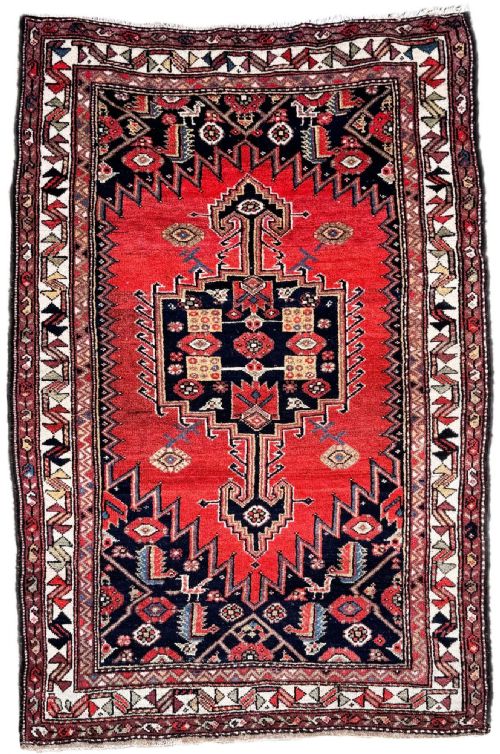
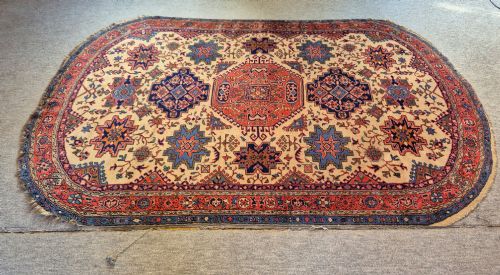
A tribal medallion carpet represents a rich tradition of hand-knotted textile art originating from Persian, Caucasian, and Anatolian weaving communities. These floor coverings combine utilitarian warmth with striking symbolic motifs centered around prominent geometric or cruciform centerpieces.
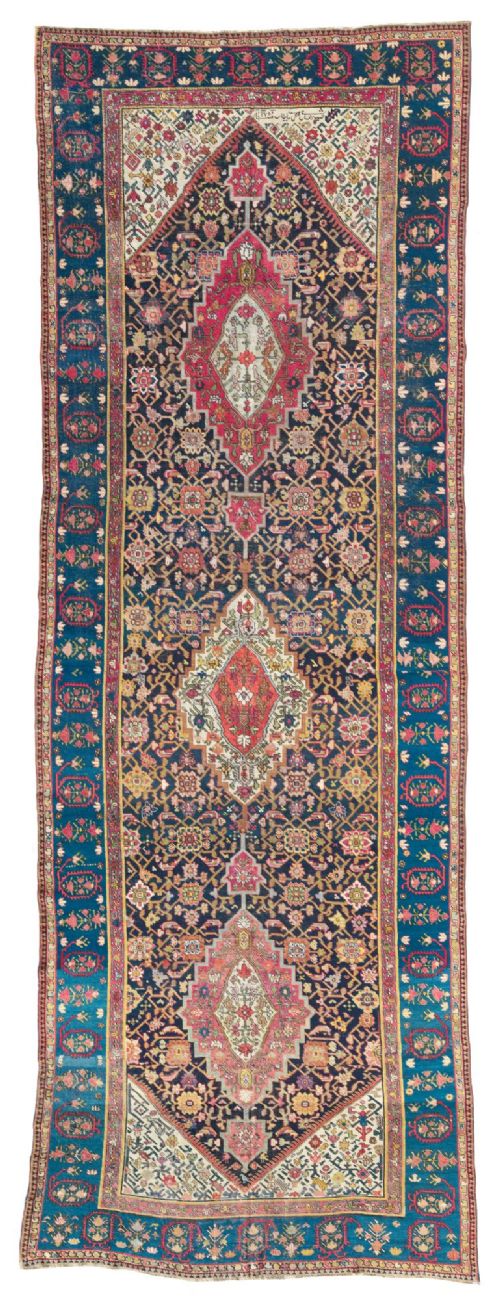
The selections encountered here typically date from the nineteenth and early twentieth centuries, spanning periods such as 1900, 1910, and 1930. Forms range from compact mats and scatter rugs to generous runner rugs and larger main carpets.
Pieces frequently emerge from specific regional groups and confederacies, including Khamseh, Bakhtiar, Kazak, Afshar, and Hamadan. Each provenance imparts distinct structural traits and colour palettes unique to its weaving culture.
How they were made
Construction relies primarily on natural wool, cotton foundations, and occasionally camel wool for specialised fields. Artisans hand-knot these materials onto sturdy warp and weft threads to create dense, durable floor coverings designed for generations of daily use.
Dyes derived from natural sources interact with hand-spun wool over decades to produce mellow, harmonious tones that soften gracefully. The resulting texture reflects traditional village and nomadic hand-weaving techniques rather than industrial manufacture.
Listings feature traditional materials including wool, cotton, and camel wool across periods spanning the nineteenth and twentieth centuries.
What varies in quality
Knot density and structural integrity distinguish finer examples from simpler village work, dictating how sharply the central medallion and geometric motifs are rendered. Tighter knotting allows for crisper execution of intricate tribal symbols and star fields.
The integrity of the wool pile and the balance of natural dyes determine the visual harmony of a surviving carpet. Examples with rich, evenly preserved pile and stable foundations demonstrate superior longevity and material resilience.
The Tribal Medallion Carpet Glossary
- Medallion
- A prominent central ornamental motif, often geometric or cruciform, anchoring the main field of the carpet.
- Warp
- The vertical threads stretched tightly on the loom that form the structural foundation of a hand-knotted rug.
- Weft
- The horizontal threads passed alternately through the warp threads to secure the rows of knots in place.
- Pile
- The vertical cut loops of wool that form the soft surface and visual face of the carpet.
- Runner
- A long, narrow carpet format traditionally suited for hallways, corridors, or alongside furniture.
Tribal Medallion Carpet: Frequently Asked Questions
Where were these carpets made?
These textiles originate from traditional weaving regions across Persia, the Caucasus, and Anatolia. Nomadic tribes and village communities produced them using local materials and distinctive regional patterns.
Specific production areas include Khamseh, Bakhtiar, Kazak, Afshar, and Hamadan. Each locale developed signature colour combinations and motif arrangements that distinguish its output.
How do I care for antique wool rugs?
Gentle, regular vacuuming without a rotating power brush helps remove grit from the wool pile without damaging the antique foundation. Professional cleaning tailored for historic textiles preserves the natural lanolin in the fibres.
Keeping the rug out of direct, harsh sunlight prevents the natural dyes from fading unevenly. Using an appropriate underlay prevents slipping and cushions the wool against hard flooring.
What is a kelim?
A kelim is a flat-woven textile produced without a raised pile, relying on interlocking warp and weft threads to create the design. These pieces often serve as lightweight rugs or decorative coverings.
Because they lack pile, kelims offer a thinner profile while maintaining durable construction. Their geometric patterns often mirror those found on knotted carpets from the same regions.
How can I tell different regional styles apart?
Regional styles reveal themselves through distinct colour palettes, border arrangements, and the geometry of the central medallion. Caucasian pieces often feature bold, sharp primary colours and angular motifs, whereas Persian village rugs tend toward softer tones and floral influences.
Examining the weave structure, fringe finish, and side-cord bindings also provides clues to geographic origin. Local materials, such as the use of camel wool in specific Turkish carpets, help pinpoint where a piece was knotted.