





Antique Persia Runner
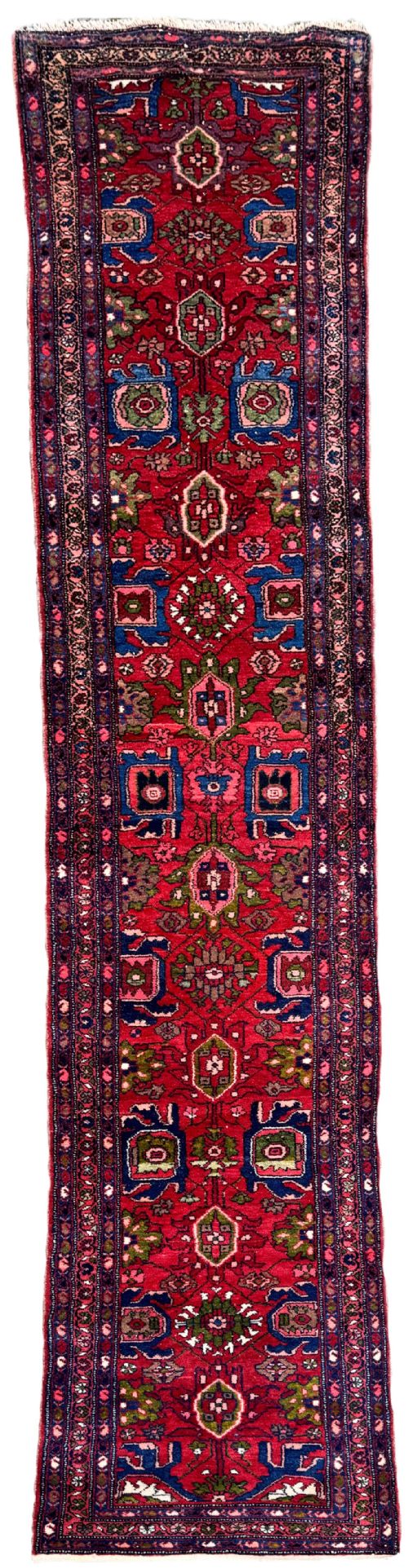
An antique persia runner brings centuries of weaving tradition into narrow hallways and long corridors.
Antique Persia Runner
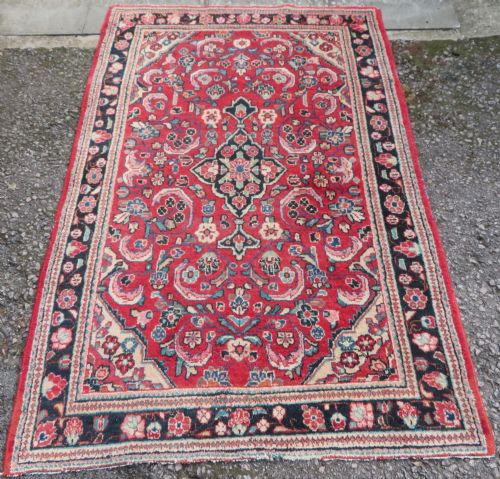
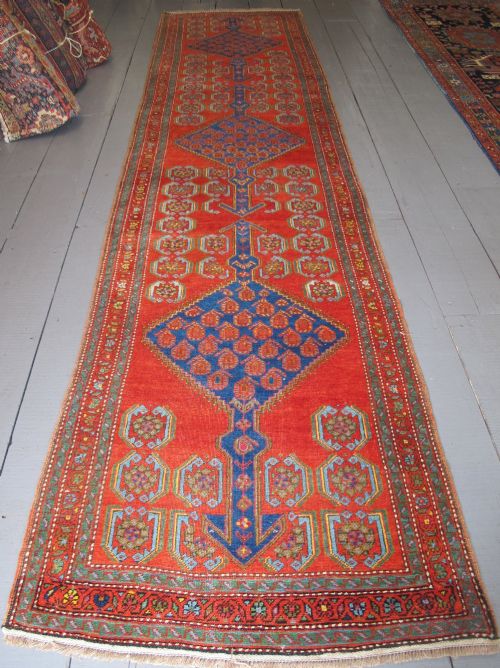
An antique persia runner comprises narrow, elongated floor coverings woven in villages, towns and nomadic encampments across Persia. These pieces serve primarily to line hallways, corridors and narrow spaces within domestic interiors. Examples range from compact village productions to exceptionally long formats woven on nomadic ground looms.
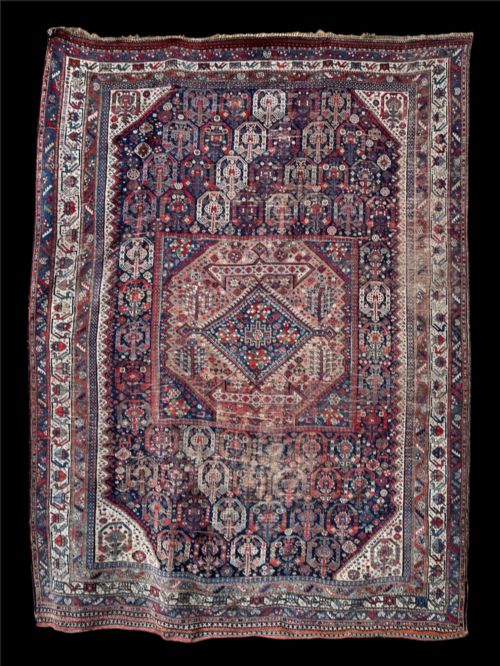
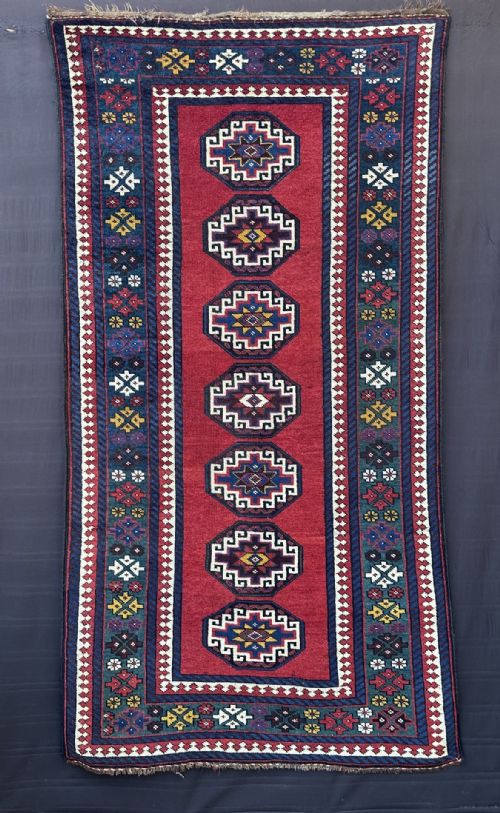
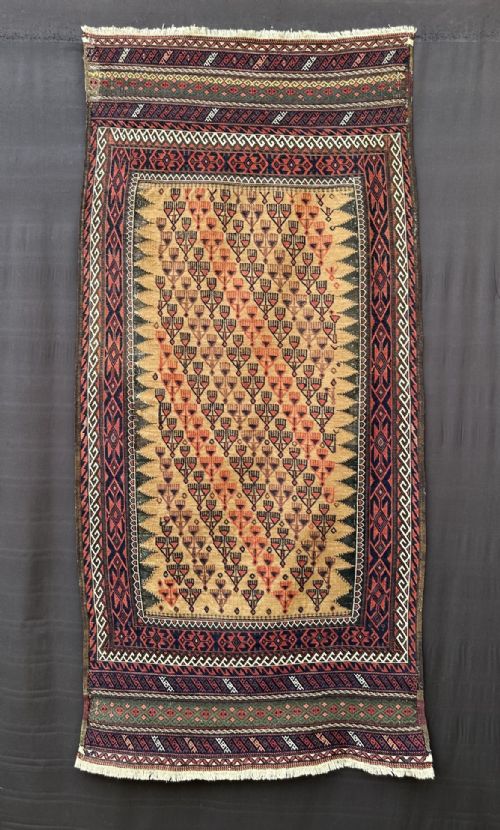
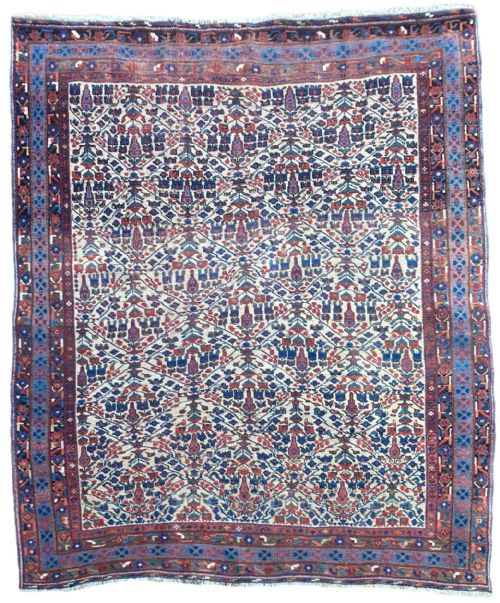
The inventory demonstrates a clear division between specific regional workshops and tribal groups. Pieces span from the late nineteenth century through to the early decades of the twentieth century, encompassing works from Heriz, Hamadan, Malayer and Kurdish or Baluch tribal regions. Buyers frequently encounter geometric village designs alongside curvilinear town formats.
Tribal pieces often display asymmetric layouts and spontaneous field patterns born of nomadic life. Town weavers in centres such as Senneh and Kashan employ controlled botanical motifs and precise medallions. Each format reflects the specific geography and cultural heritage of its makers.
Materials and construction
Weavers constructed these runners using hand-spun wool for the pile, supported by cotton or wool foundations. Natural dyes derived from plants, roots and minerals provide the enduring colour palette. Spinners prepared local fleeces by hand, yielding yarns with subtle tone variations known as abrash.
Nomadic and village artisans tied symmetrical or asymmetrical knots onto vertical warps. Flatweave ends and braided fringes often finish the extremities to prevent fraying. These traditional techniques ensure structural resilience for high-traffic corridors.
Several antique Kurdish runners feature wandering flocks of miniature animals traversing camel-ground fields.
Factors influencing quality
Knot density and structural tightness dictate the longevity and definition of the woven pattern. Finer wool selection yields a softer handle and sharper geometric or floral detailing. Artisans using high-grade natural dyes achieve richer secondary shades that age gracefully over decades.
Design execution and proportional balance distinguish superior pieces from standard workshop output. Master weavers maintained straight outer borders and consistent widths along extensive lengths. Structural integrity in the foundation determines how flat the carpet rests upon the floor.
The Antique Persia Runner Glossary
- Abrash
- Natural colour variation within a single field of yarn caused by different dye lots or hand-spinning batches. This tonal shifting is prized as a sign of genuine age and natural dyeing.
- Sofreh
- A flatwoven spread or cloth utilised for dining, kneading dough or gathering food among tribal communities. These textiles feature distinctive iconography related to nomadic daily life.
- Kelleh
- A large, elongated room carpet format intermediate in proportion between a standard rug and a gallery-length runner. They provide substantial floor coverage for rectangular spaces.
- Boteh
- A traditional almond-shaped or paisley motif representing a floral spray, cypress tree or flame. This ancient symbol appears frequently across Persian village and tribal weaving.
- Prayer rug
- A small format textile featuring a specific mihrab or arch design indicating the direction of Mecca. These pieces served personal devotional purposes within the household.
Antique Persia Runner: Frequently Asked Questions
How are antique runners cleaned safely?
Professional dusting and specialised low-moisture washing preserve the fragile wool pile and natural dyes. Harsh chemical treatments and excessive water immersion cause dye bleeding and fibre degradation.
Gentle vacuuming without a rotating power brush removes embedded grit between the knots. Regular rotation distributes foot traffic evenly across the length of the runner.
Where should a long runner be placed?
Hallways, corridors and narrow landing spaces benefit most from the elongated proportions of these textiles. They protect wooden floorboards while adding warmth and acoustic softening to transit areas.
Placing a breathable underlay beneath the textile prevents slipping and reduces friction against hard flooring. Avoid areas exposed to direct, unshaded sunlight to prevent localized fading of natural dyes.
How do tribal and town rugs differ?
Tribal weavers working in nomadic camps utilised geometric memory patterns and saturated primary colours. Their compositions often include spontaneous animal figures and tribal symbols.
Town workshops in regional centres relied on precise cartoon blueprints for intricate floral medallions. These urban pieces display refined symmetry and higher knot densities compared to rustic village outputs.
What causes abrash in old wool?
Hand-dyed wool batches varied slightly in tone when dye pots were refilled with plant extracts. Weavers incorporated these shifting yarn lots sequentially down the length of the warp.
This natural variation creates horizontal bands of subtly changing colour across the pile. Connoisseurs value abrash as authentic evidence of traditional cottage-industry dyeing methods.