


Red Corridor Carpet
A red corridor carpet brings warmth and striking geometry to narrow spaces through generations of woven craft.
Red Corridor Carpet
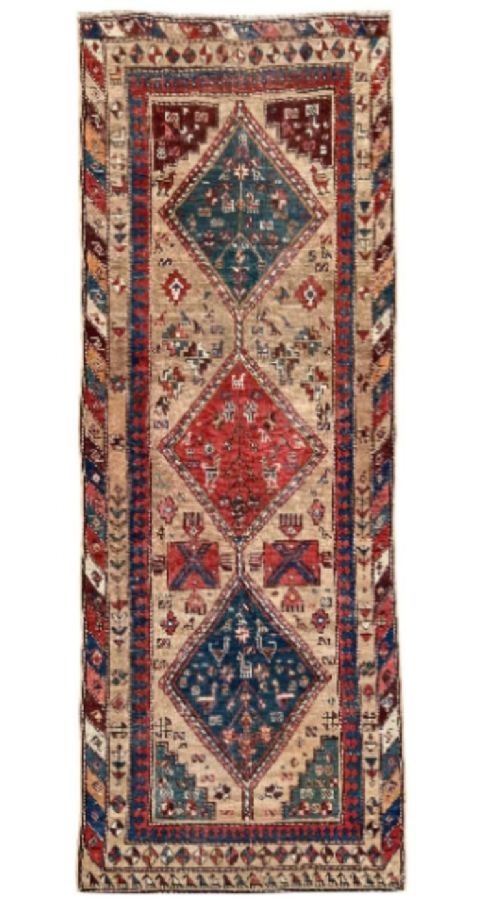
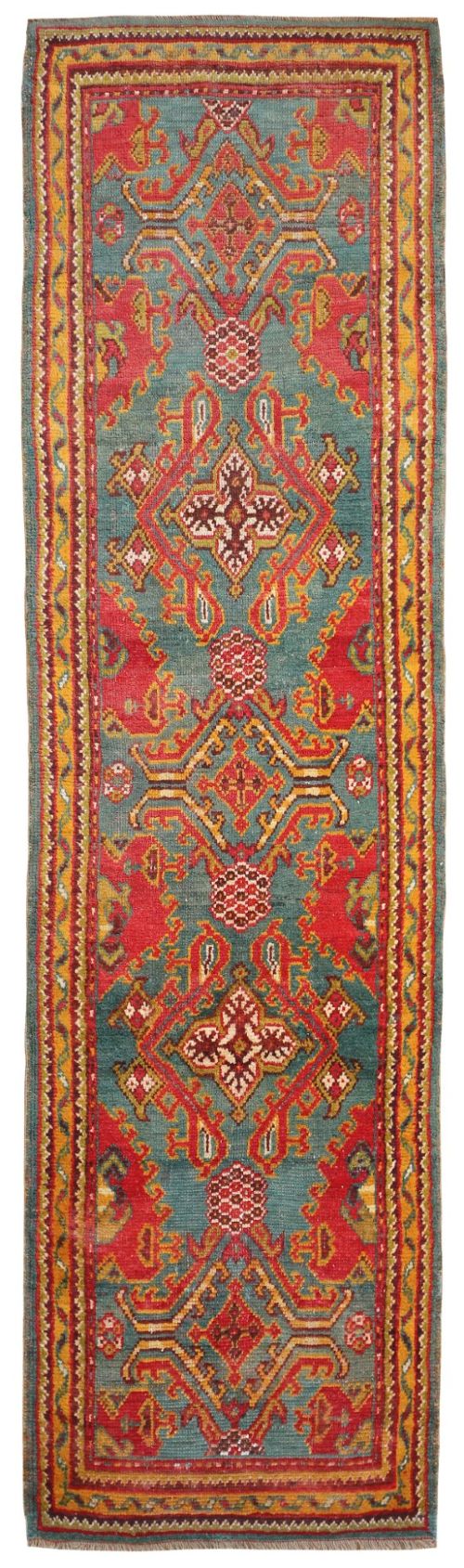
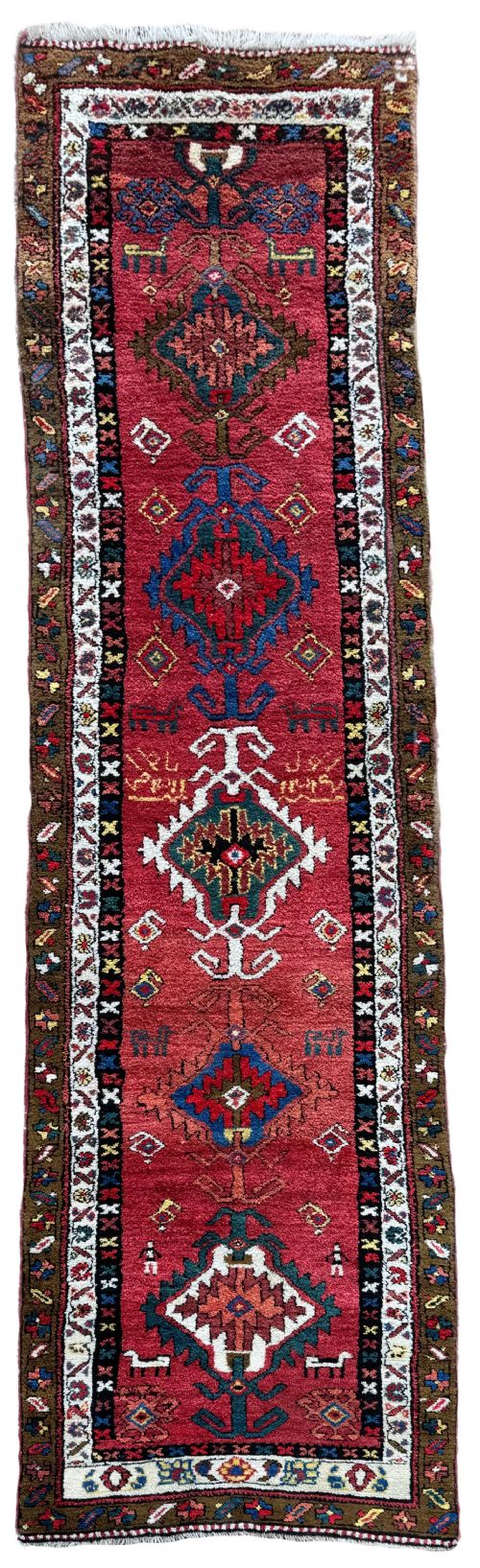
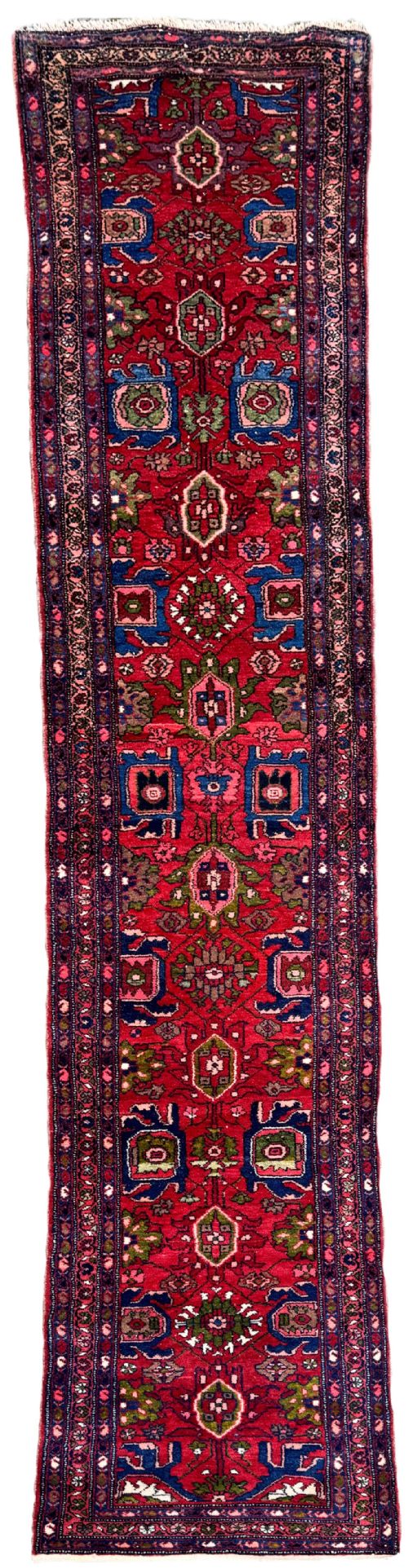
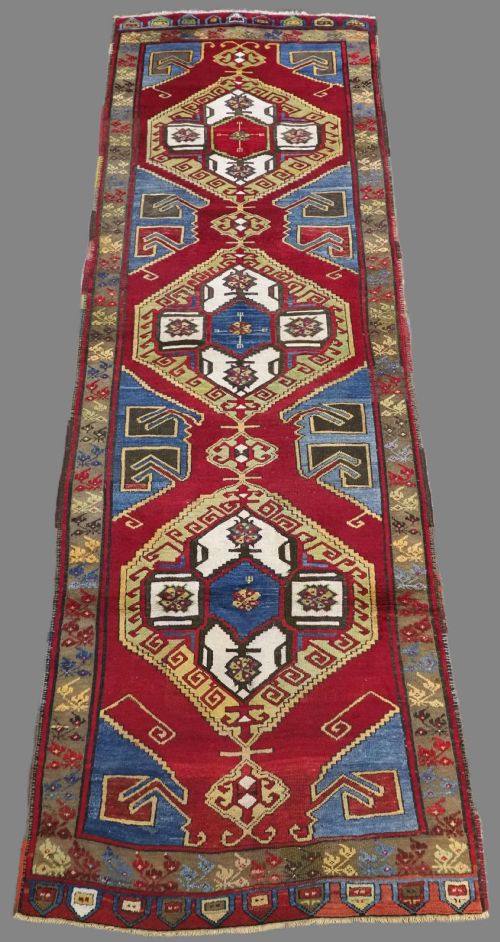
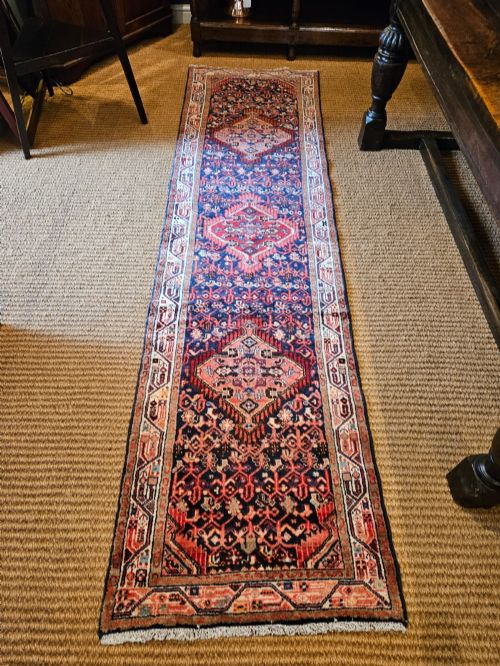
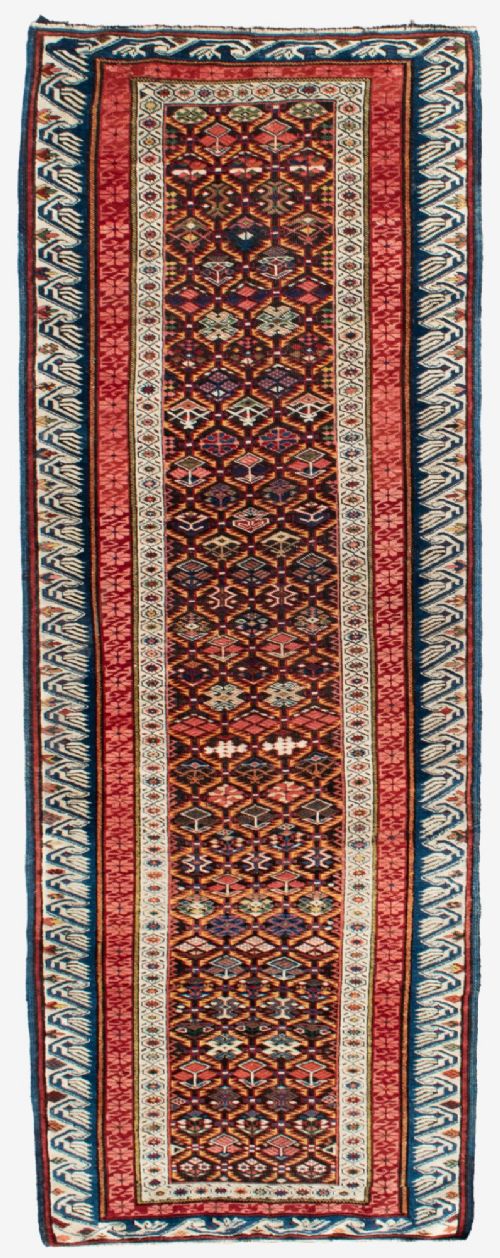
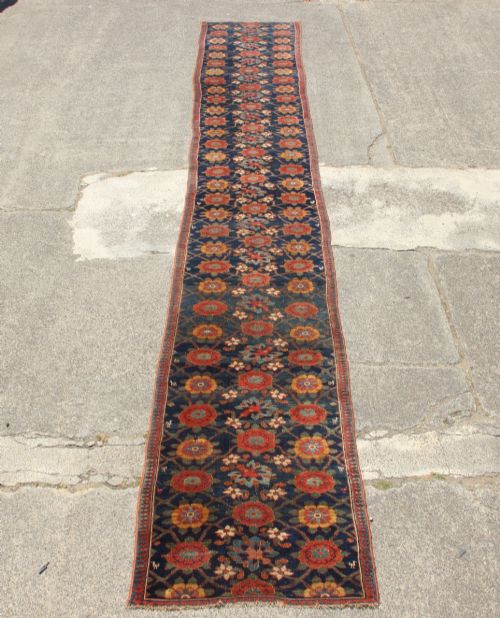
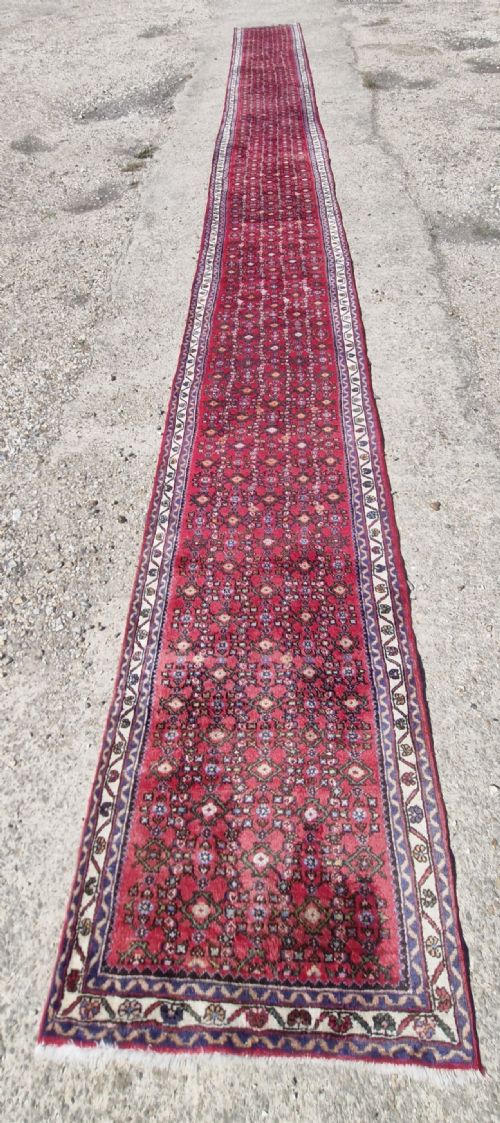
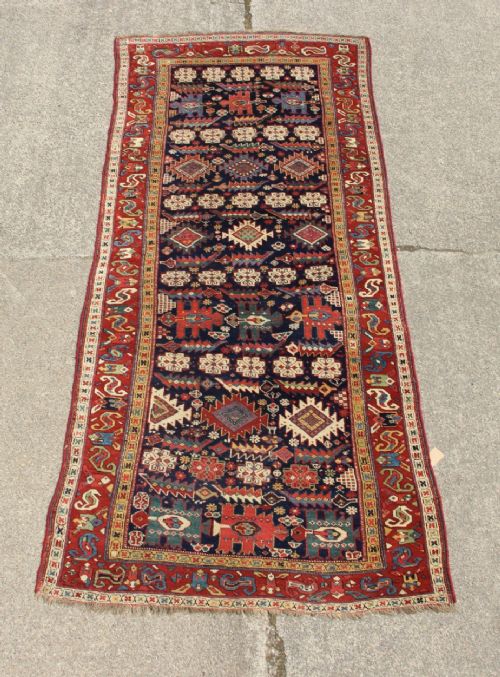
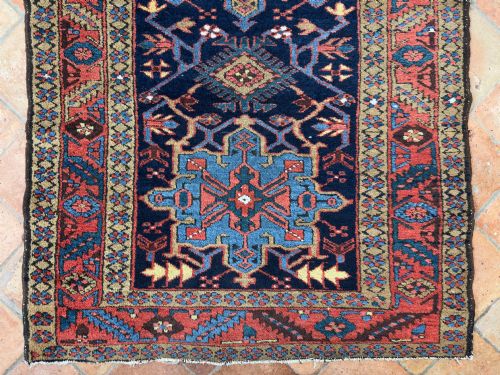
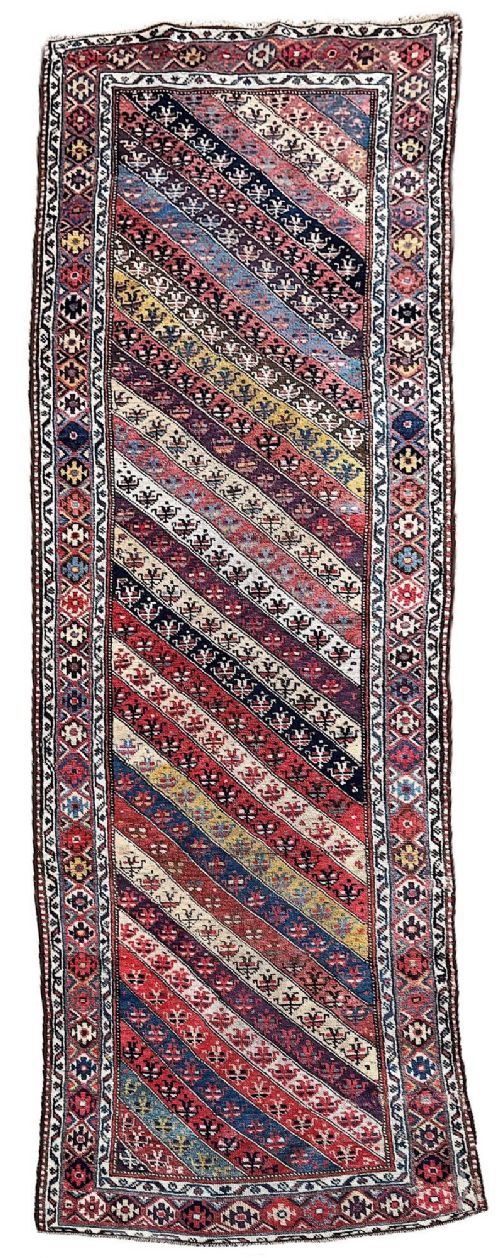
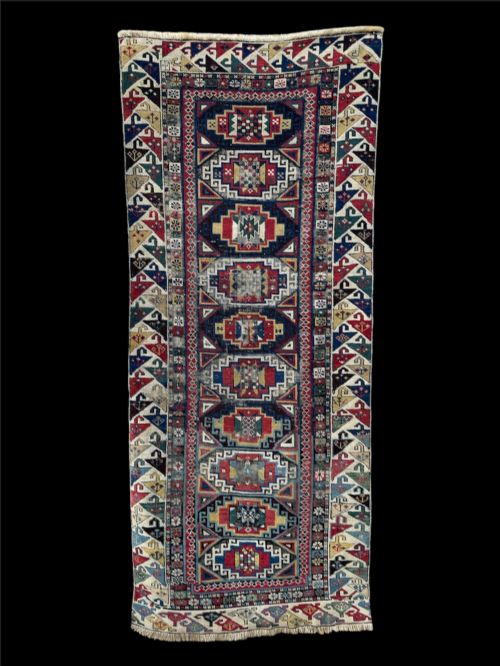
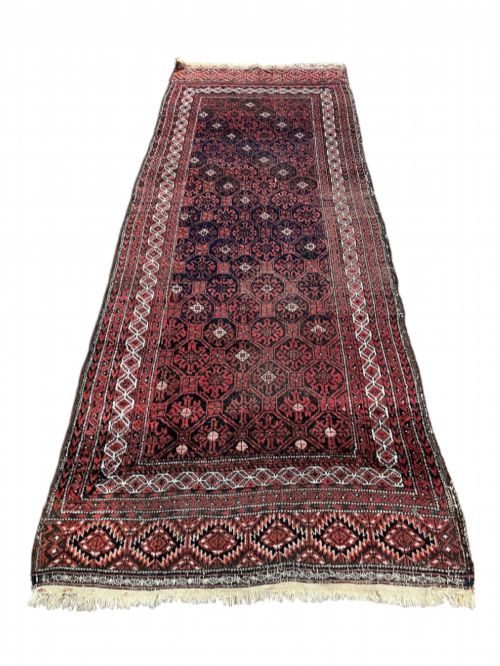
A red corridor carpet is typically a long, narrow runner rug designed for hallways, landings, and extended rooms. The selection includes traditional Persian, Caucasian, and Anatolian pieces originating from village and tribal workshops.
The format spans diverse historical periods from the nineteenth century into the early twentieth century, incorporating styles such as Heriz, Hamadan, Kurdish, and Kazak. These textiles provide functional floor coverings defined by elongated proportions and rich red tones.
Materials and construction
The construction relies primarily on wool and cotton, with various pieces utilising hand-spun wool for the pile. Natural fibres form both the foundation warps and the dense knotted surface.
Weavers knotted wool onto cotton or wool foundations by hand, creating durable floor coverings designed for heavy foot traffic in domestic corridors. These traditional techniques resulted in resilient textiles capable of lasting multiple generations.
Listings feature pieces spanning from the mid-nineteenth century through the 1960s, constructed in wool and cotton across Persian, Caucasian, and Anatolian traditions.
Variations in quality
Quality rests in the fineness of the knotting, the clarity of the tribal or geometric design, and the integrity of the foundation. Tightly packed wool piles retain their structure and colour definition far better over decades of use.
The depth and variation of the red dyes also distinguish finer examples, as natural colour variation creates rich depth across the field. Superior execution shows in balanced proportions and crisp borders rather than compressed or erratic patterns.
The Red Corridor Carpet Glossary
- Runner
- A long, narrow carpet designed specifically for hallways, corridors, and staircases.
- Pile
- The upright yarn loops or cut ends that form the soft surface of a carpet.
- Warp
- The stationary vertical threads stretched onto a loom that form the structural foundation of the textile.
- Kelleh
- A large format carpet or long rug traditionally proportioned intermediate between a full carpet and a runner.
- Kilim
- A flatweave textile produced without a pile, often utilised in nomadic Anatolian and Persian pieces.
Red Corridor Carpet: Frequently Asked Questions
Where should a corridor runner be placed?
A long runner is ideally suited for hallways, corridors, and extended landings where narrow floor space benefits from warmth and protection. These elongated pieces guide movement through domestic interiors while softening footfalls on bare timber or stone.
Positioning a runner requires leaving an even border of exposed flooring on all sides to frame the piece properly. Measuring the corridor length carefully ensures the rug sits comfortably without blocking doors or overlapping thresholds.
How do I care for an antique wool runner?
Regular gentle vacuuming without a beater bar removes surface dust and grit from the wool pile before it settles into the foundation. Professional cleaning should be undertaken sparingly by specialists experienced in vintage textile care.
Rotating the runner every six to twelve months ensures even wear patterns from foot traffic and balances exposure to natural light. Placing a suitable underlay beneath the carpet prevents slipping and reduces friction between the wool and the floorboards.
How are different tribal styles identified?
Tribal styles are distinguished by specific geometric motifs, border arrangements, and knotting structures native to particular weaving regions. For instance, Caucasian pieces often display sharp rectilinear medallions, whereas Heriz rugs typically incorporate bold, stylised floral geometry.
Colour palettes also provide clues to origin, with distinct reds, indigos, and golds characterising different Persian and Anatolian workshops. Examining the weave density and side cord finishes helps confirm the traditional manufacturing district.
Why do antique runners feature red backgrounds?
Red tones derive historically from accessible natural dye sources such as madder root, which yielded stable, durable crimson shades across numerous weaving cultures. These rich red fields provided a strong visual contrast against intricate blue, ivory, and yellow motifs.
Such deep red grounds also proved practical in high-traffic corridors by masking everyday dust and wear between cleanings. Over time, vegetable dyes mellow gracefully, developing subtle tonal shifts known as abrash.