

Tribal Hearth Rug
A tribal hearth rug brings warmth and deep pattern to a room, offering practical utility alongside centuries of nomadic weaving traditions.
Tribal Hearth Rug
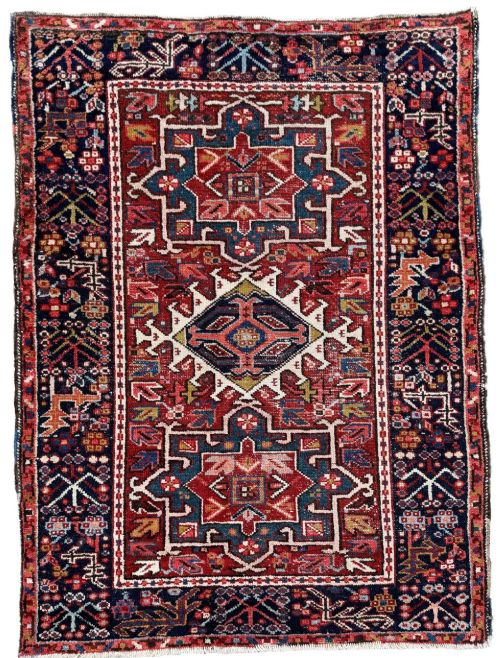
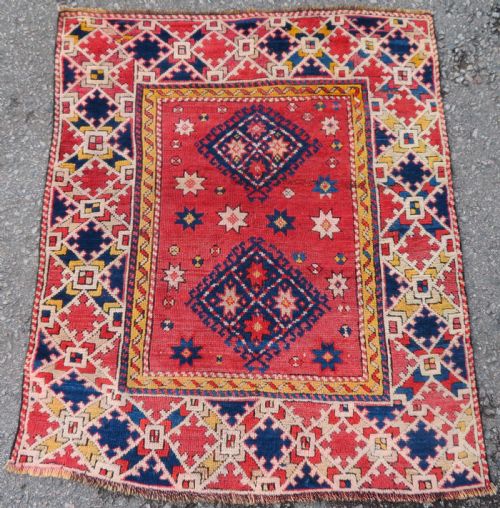
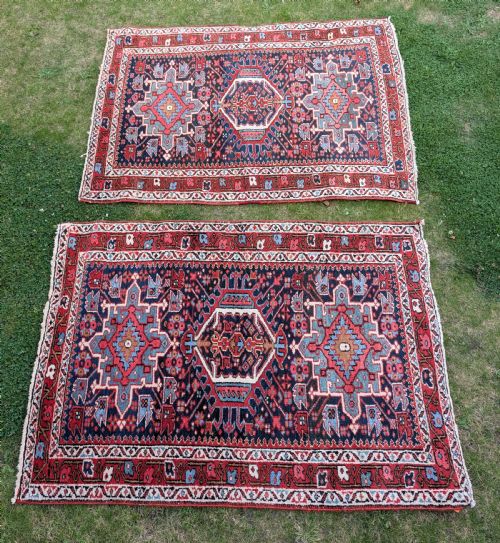
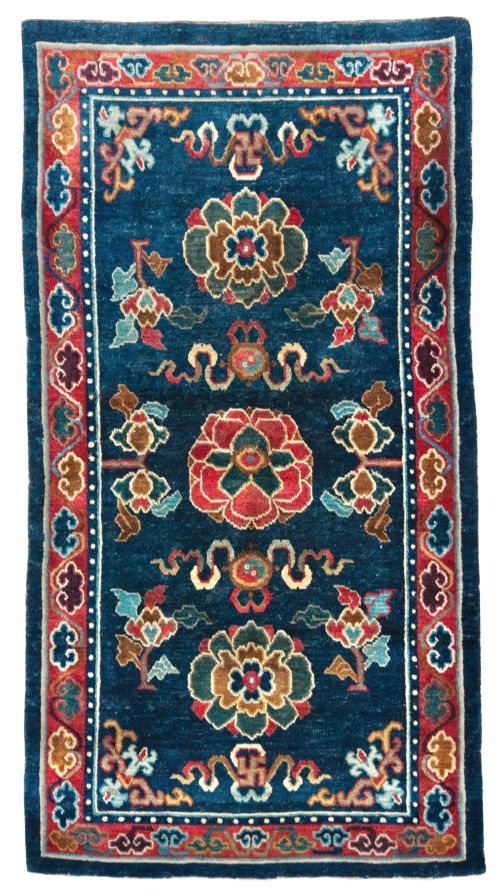
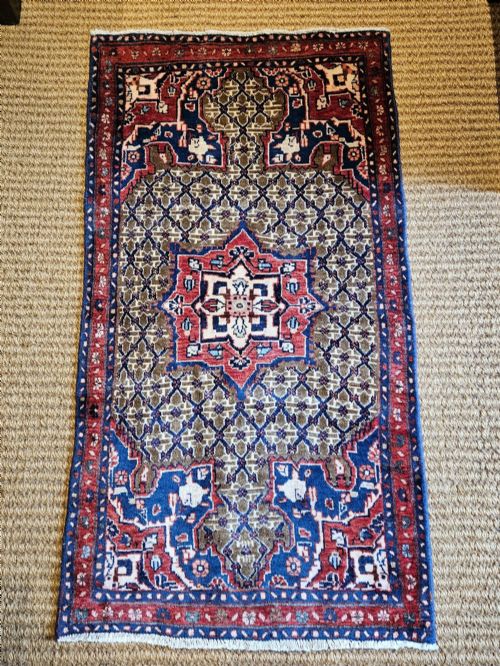
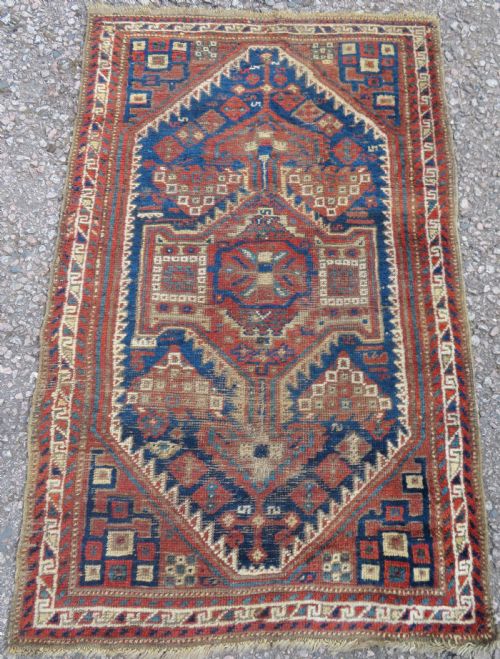
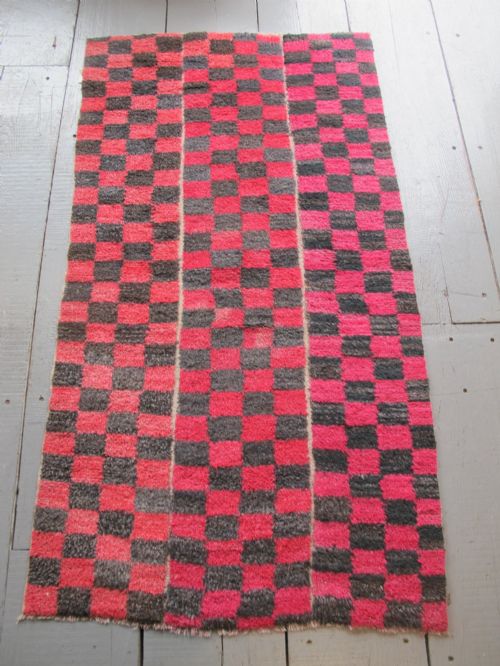
A tribal hearth rug serves as a durable, scaled-down floor covering traditionally placed before a fireplace, measuring small enough for compact spaces while bearing the distinct motifs of village and nomadic weavers. When searching for a tribal hearth rug, buyers encounter diverse regional traditions spanning Anatolian, Persian, Caucasian, Afghan, and Tibetan workshops.
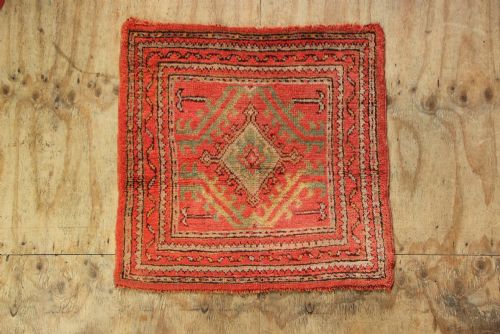
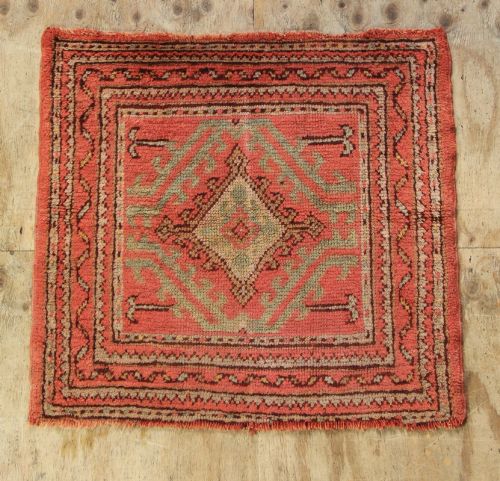
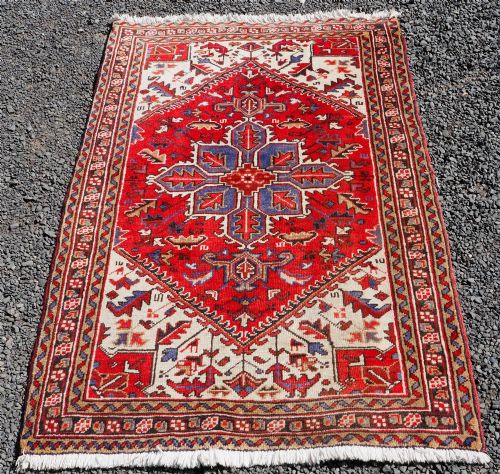
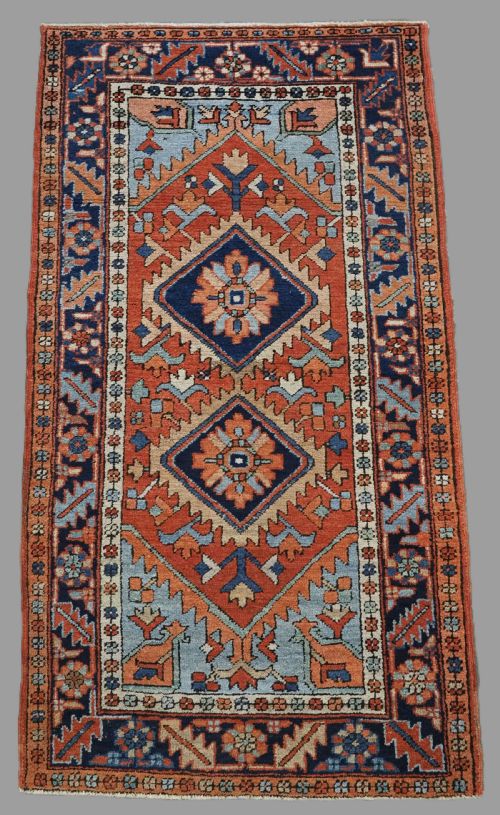
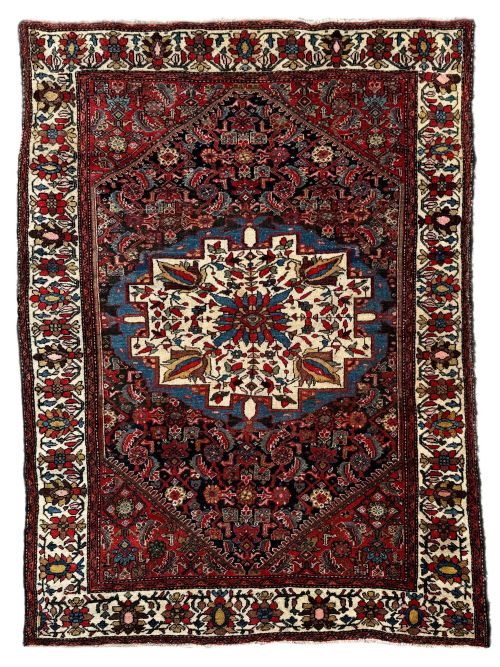
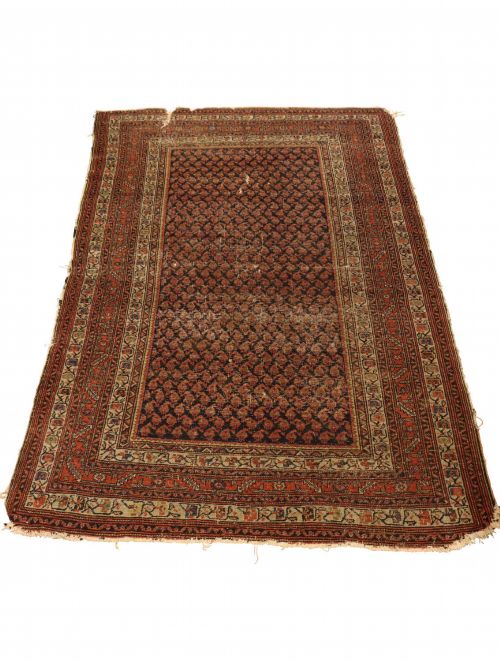
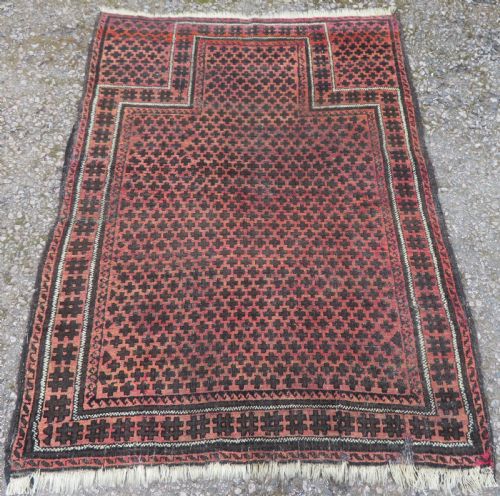
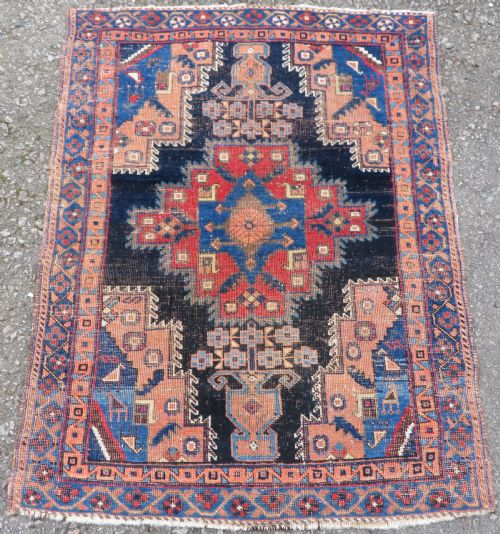
The pieces listed on this page predominantly date from the nineteenth and early twentieth centuries, encompassing styles such as Karaja, Bergama, Oushak, Baluch, and Heriz. These formats range from square mats and meditation pieces to narrow village runners designed for domestic warmth and utility.
Makers ranged from independent nomadic weavers working on portable vertical looms to village cooperatives utilising local wool and traditional vegetable dyes. The resulting textiles reflect the specific tribal identities and geometric design canons of their respective geographic origins.
How they were made
Weavers constructed these rugs using natural materials such as wool, hand-spun wool, Tibetan wool, camel wool, and cotton foundations for warps, ensuring resilience against daily foot traffic. Hand-knotting techniques secured the dense pile, which provided both insulation and structural durability.
Dyeing relied on organic sources to achieve saturated pigments that mellow gracefully over decades of use. The combination of sturdy pile construction and locally sourced materials accounts for the surviving condition of these nineteenth and early twentieth-century examples.
Listings span periods from the 1860s through the 1930s, featuring wool, cotton warp, and camel wool constructions.
What varies in quality
Quality in these textiles depends heavily on the tightness of the knotting, the fineness of the wool preparation, and the clarity of the geometric or medallion design. Tighter knots allow for sharper delineation of motifs such as boteh, star medallions, or prayer mihrabs.
The complexity of the dye palette and the integrity of the original wool foundation further distinguish superior examples. Rugs retaining rich, saturated colours and sound structural edges represent the higher tier of surviving village and nomadic weaving.
The Tribal Hearth Rug Glossary
- Pile
- The upright loops or cut ends of yarn that form the usable surface of a rug. A thick pile offers greater cushioning and thermal insulation.
- Warp
- The vertical threads stretched lengthwise on a loom that form the structural foundation of the textile. Cotton warp threads provide strong dimensional stability.
- Medallion
- A central ornamental motif set into the field of a rug, frequently geometric or floral in tribal weaving. Star medallions and small diamond arrangements are common in Anatolian and Persian pieces.
- Prayer rug
- A small rug featuring a mihrab or arch design used to designate a direction for prayer. Baluch and Kula Ghiordes examples often utilise this format.
- Boteh
- A stylised almond or pear-shaped motif representing a vegetal sprout or cypress tree. This ancient symbol appears frequently across Persian village rugs.
Tribal Hearth Rug: Frequently Asked Questions
Where should I place a hearth rug?
These smaller formats suit spaces requiring concentrated warmth and pattern, such as bedside floors, narrow hallways, or directly in front of a fireplace.
Their modest dimensions allow them to fit into cosy interior layouts without overwhelming the surrounding floorboards.
How do I clean an antique wool rug?
Gentle surface brushing and regular light vacuuming without a rotating beater bar help maintain the wool pile safely.
Professional specialist cleaning is recommended for deep maintenance to protect the natural hand-spun fibres and historic dyes.
How can I tell different tribal styles apart?
Regional weaving traditions display distinct geometric vocabularies, colour palettes, and knotting structures particular to their geographic origin.
Caucasian and Anatolian pieces often favour sharp polygons and bold primaries, whereas Persian village works utilise intricate boteh designs and softer tones.
What is camel wool used for?
Unbleached camel wool provides exceptional durability and a naturally rustic, warm hue in nomadic weavings.
It appears in specific regional pieces such as Khorasan Baluch rugs to impart distinct texture and tonal depth.