

Tribal Hallway Rug
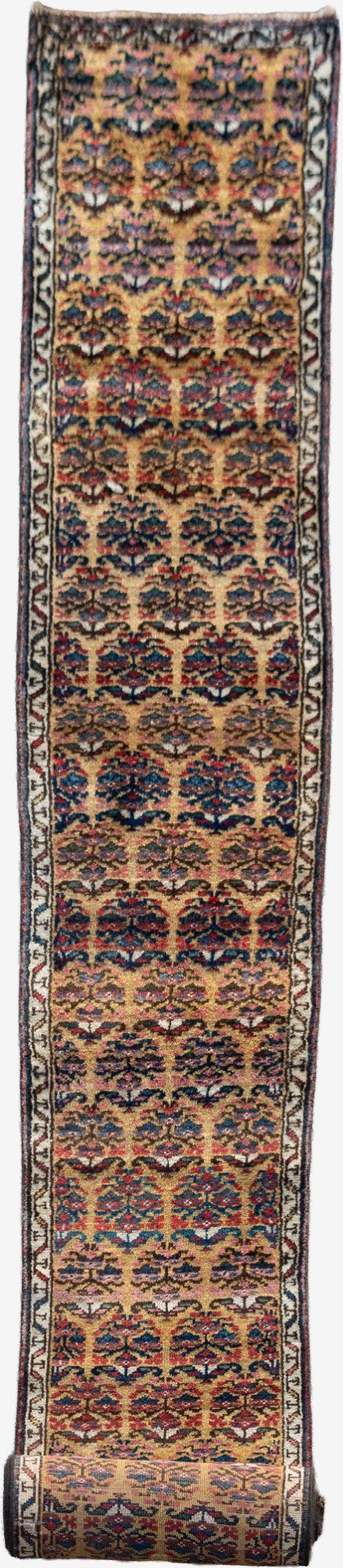
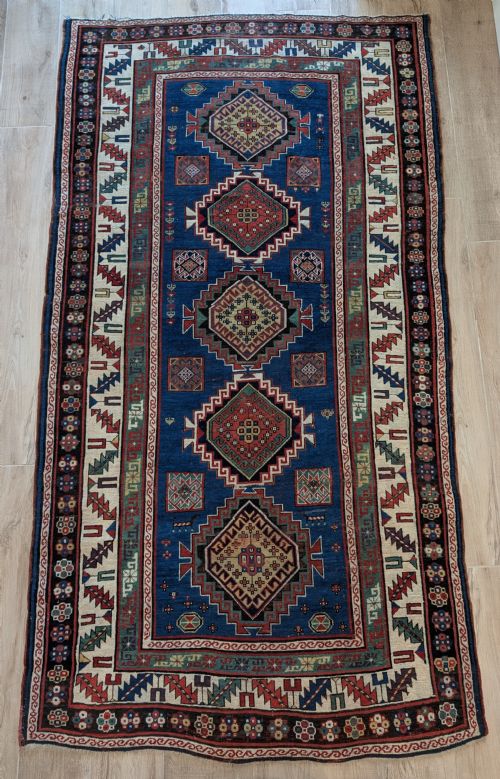
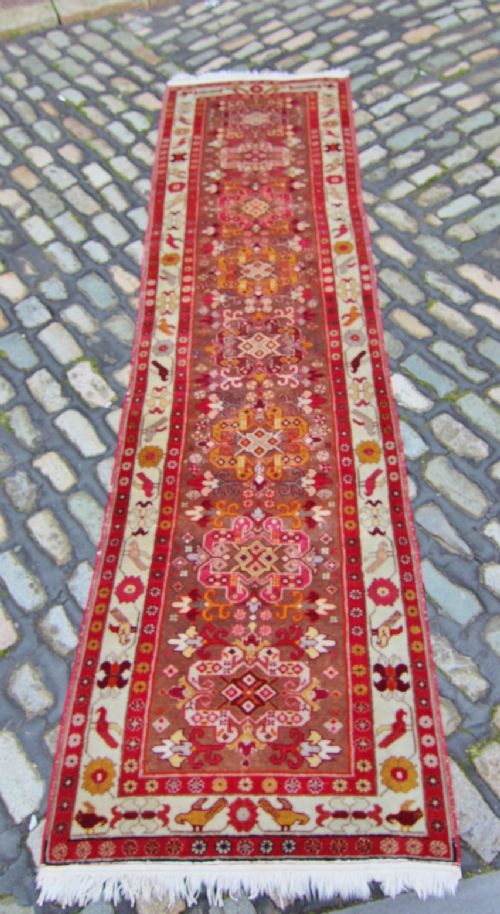
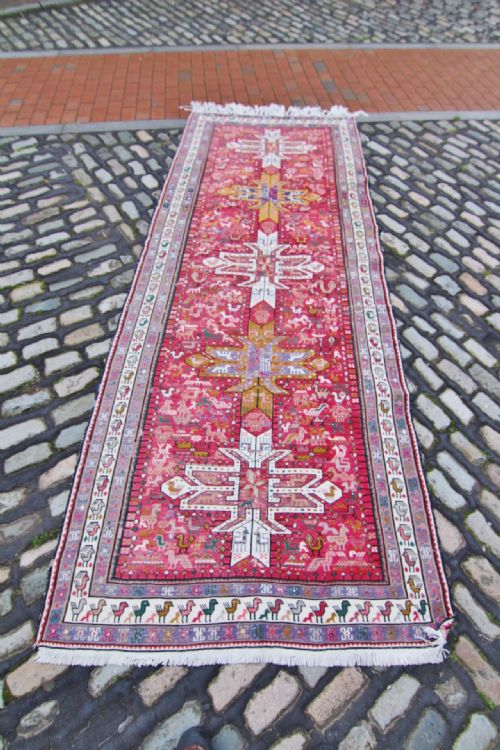
When you search for a tribal hallway rug, you are looking at narrow, handwoven floor coverings originating from village and nomadic weaving traditions.
Tribal Hallway Rug
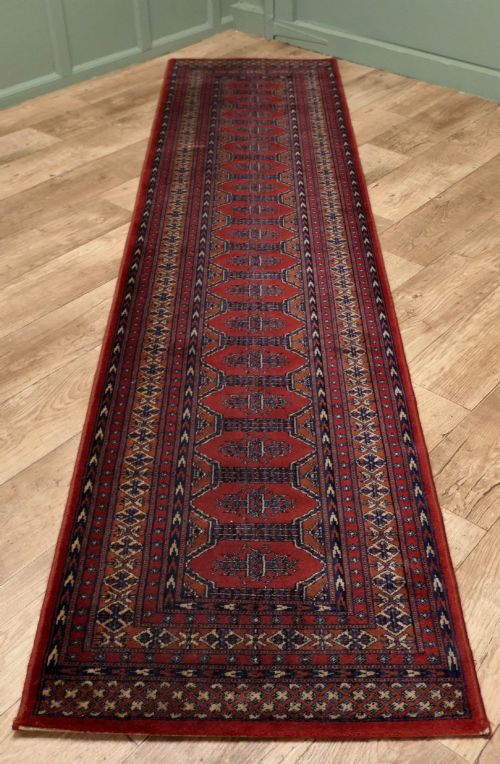
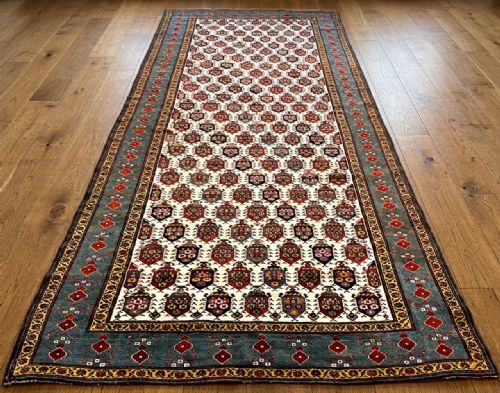
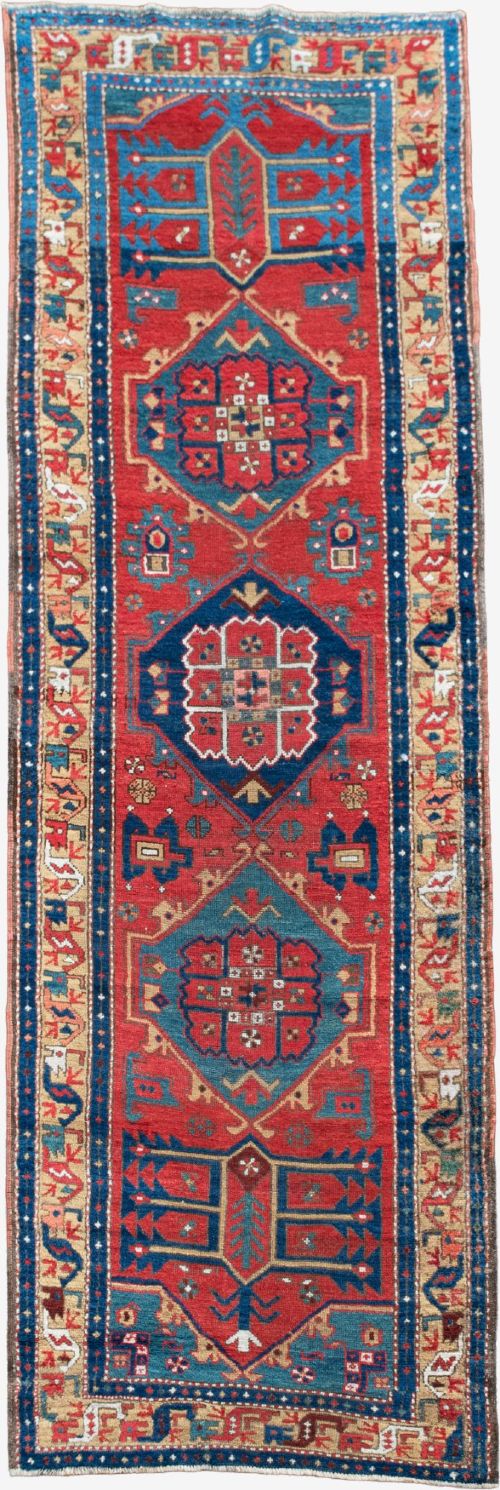
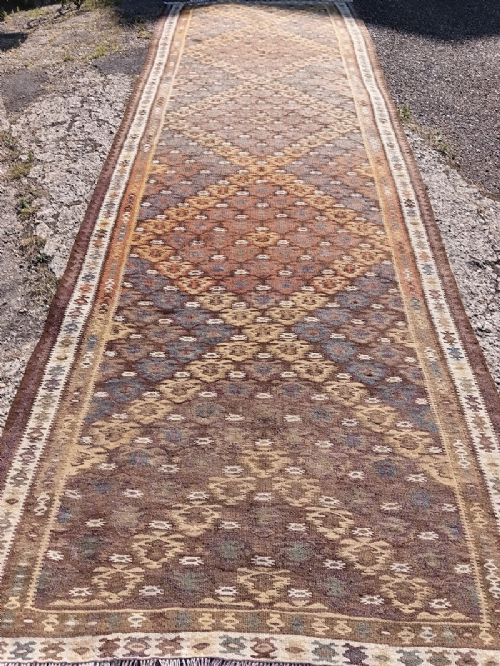
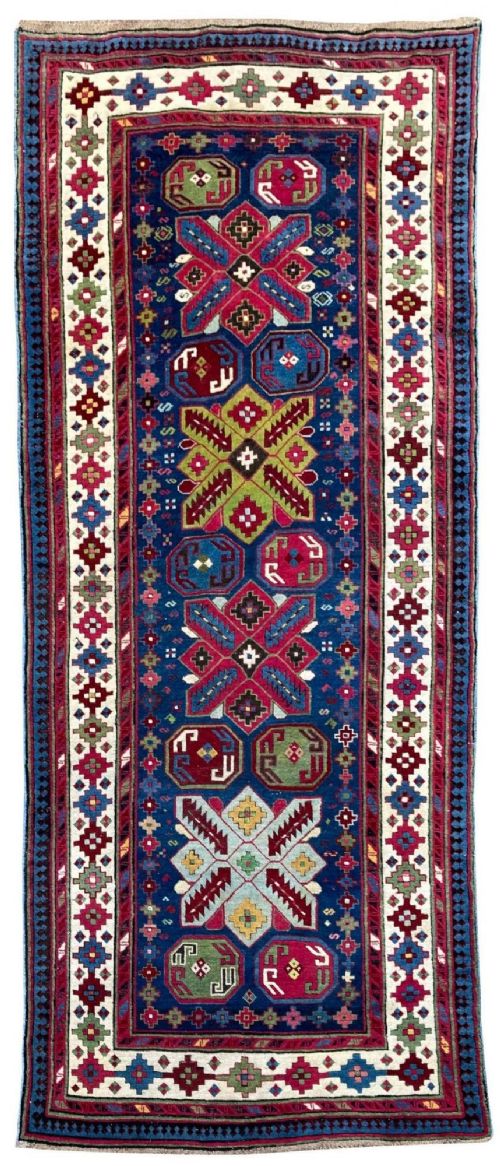
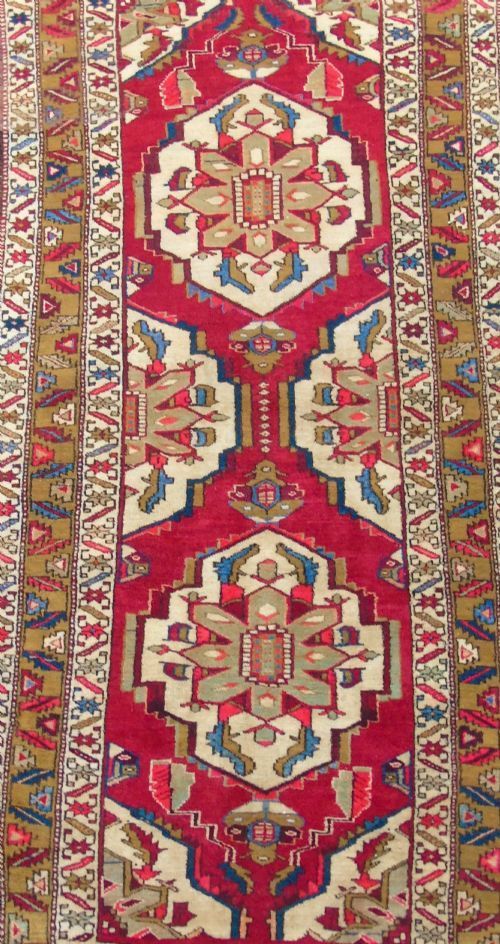
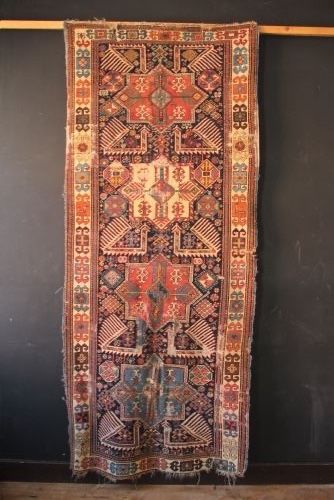
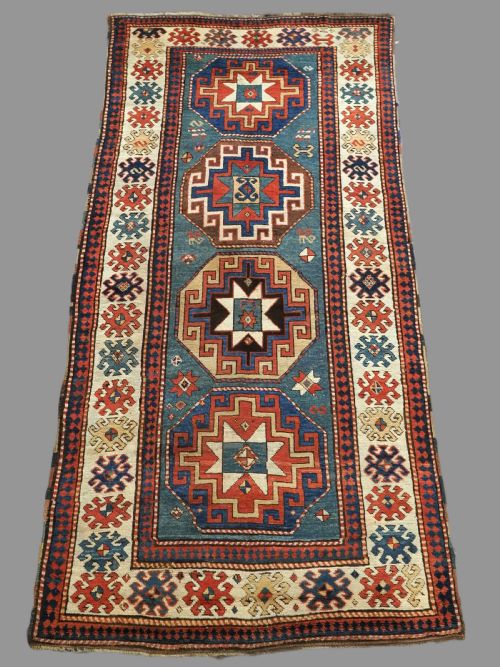
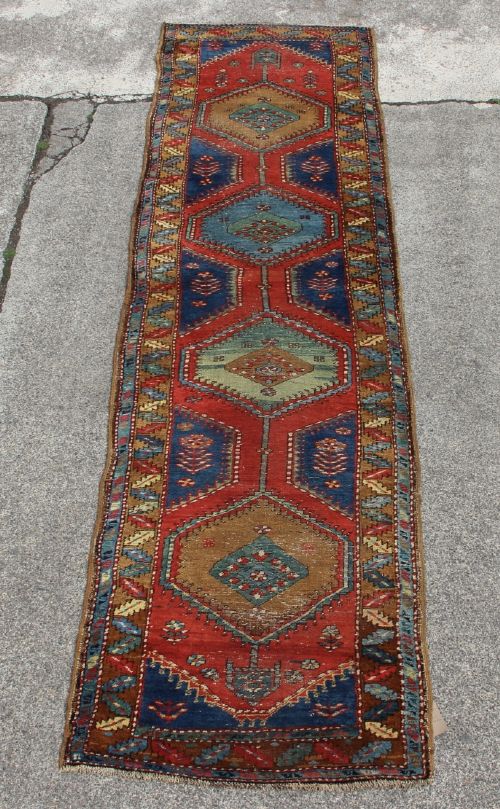
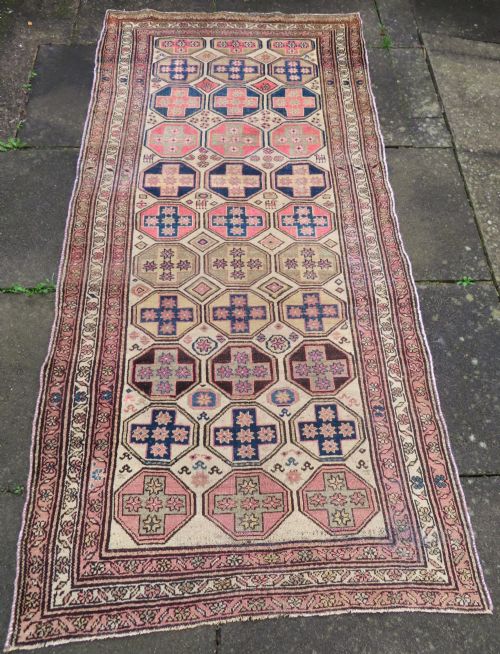
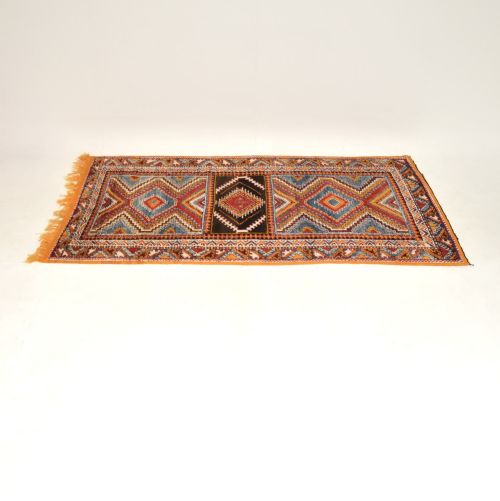
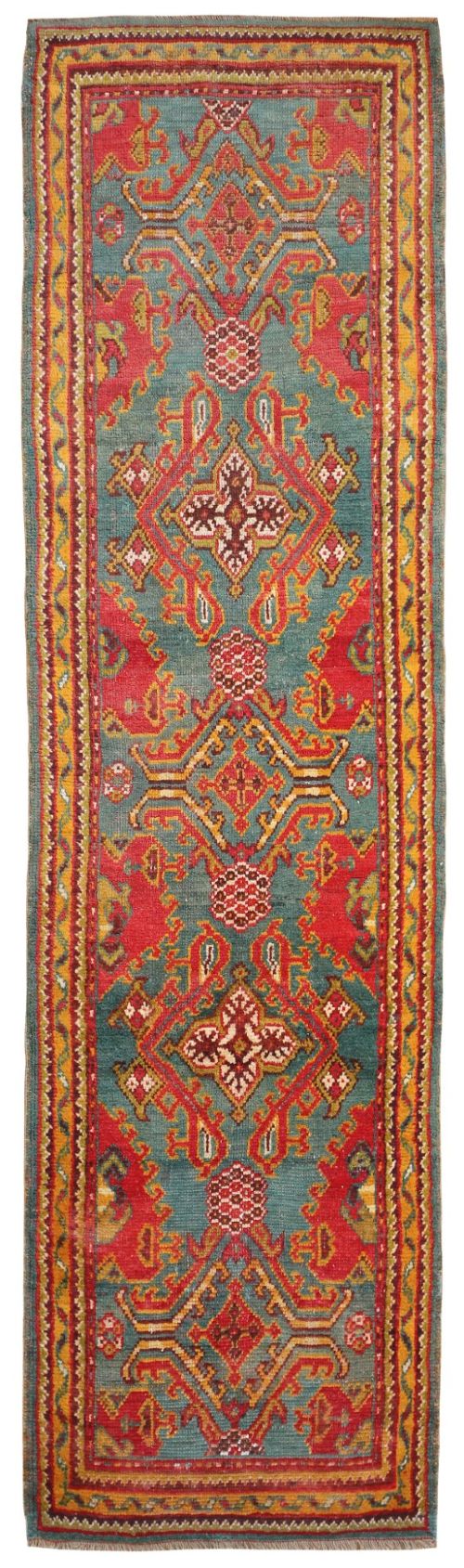
A tribal hallway rug serves to line long passages, corridors, and landings with durable, patterned floor coverings. Buyers searching for a tribal hallway rug will encounter elongated formats designed specifically for narrow spaces, ranging from compact lengths to expansive corridors reaching over three metres. These pieces originate predominantly from weaving regions in Persia, Anatolia, and the Caucasus, spanning periods from the nineteenth century through to the early twentieth century.
The aesthetic of a tribal hallway rug relies on geometric motifs, repeating lattices, and regional patterns rather than court designs. Common forms on this page include runner rugs and long carpets from workshops and villages such as Heriz, Kurdish areas, Caucasian districts, and Anatolian centres. These textiles bring character and warmth to linear spaces through saturated natural dyes and idiosyncratic layouts.
How they were made
The construction of these floor coverings relies primarily on wool and cotton as foundational materials. Wool provides the durable pile, while cotton frequently forms the warp and weft foundation, offering structural stability for long runners.
Weavers utilised traditional handwoven techniques, knotting wool onto sturdy foundation threads to create dense, resilient textiles capable of enduring heavy foot traffic in domestic hallways.
Tribal Hallway Rug Retail Price Guide 2026
Typical asking prices for tribal hallway rug among the pieces listed under this phrase on Sellingantiques today, from the lower quarter to the upper quarter. They describe what is for sale here now, not the wider market.
Materials recorded across these listings consist entirely of wool and cotton.
What varies in quality
Quality in these textiles depends heavily on the fineness of the weave and the integrity of the wool pile. Tighter knot counts allow for sharper geometric detail and greater longevity under daily use.
The depth and vibrancy of the dyes also determine the standard of a piece, with naturally derived colours maintaining their richness as the textile ages.
The Tribal Hallway Rug Glossary
- Runner
- A long, narrow carpet format specifically proportioned for corridors, hallways, and staircases. These pieces measure significantly longer than they are wide.
- Pile
- The upright yarn loops or cut ends that form the soft surface of a rug. It is traditionally made from wool in these regional textiles.
- Warp
- The vertical foundation threads stretched tightly on the loom before weaving begins. Cotton is commonly utilised for this structural element.
- Weft
- The horizontal threads passed across the warp to hold the knots in place. Together, warp and weft form the foundational grid of the rug.
- Lattice
- A repeating grid pattern enclosing geometric motifs or floral elements across the field of the rug. This design is frequently observed in Caucasian and Persian weaving.
Tribal Hallway Rug: Frequently Asked Questions
Where should I place a long hallway runner?
These narrow textiles suit corridors, entrance halls, and landings where floor space is elongated. Their proportions guide movement through domestic passages while protecting wooden or tiled floors.
Ensure the dimensions leave a consistent margin of exposed floor around the edges to frame the passage correctly.
How do I identify a Caucasian runner?
Caucasian pieces typically display sharp geometric medallions, crisp lattice designs, and a robust wool pile. The colour palette often includes strong primary tones combined with ivory and deep blues.
Examination of the fringe and side cords reveals regional finishing techniques unique to Caucasian weaving.
What is the difference between Kurdish and Heriz runners?
Kurdish runners often feature idiosyncratic geometric patterns and earthy tones reflecting village traditions. Heriz runners display more structured medallion layouts and characteristic geometric formality.
Both types utilise durable wool pile suited for high-traffic corridors.
How do I care for an antique wool runner?
Vacuum the piece gently using suction without a rotating brush bar to protect the wool pile. Professional cleaning is recommended periodically to maintain the integrity of natural fibres.
Keep the runner out of direct, prolonged sunlight to preserve the depth of the wool dyes.