
Tribal Gul Carpet
When choosing a tribal gul carpet, you select a Central Asian textile defined by repeating geometric medallions woven by nomadic and village makers.
Tribal Gul Carpet
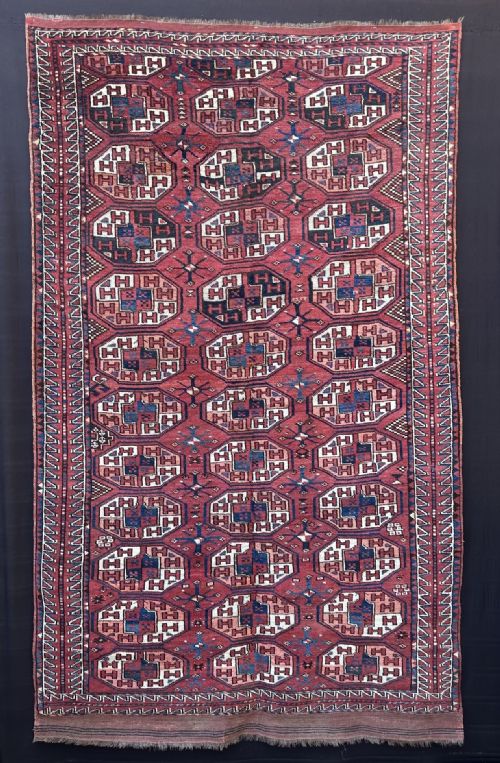
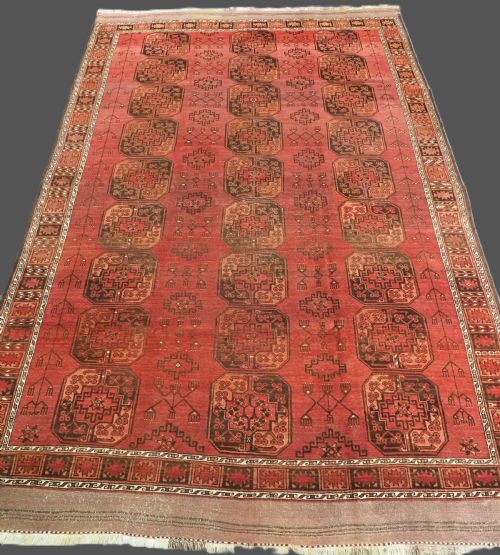
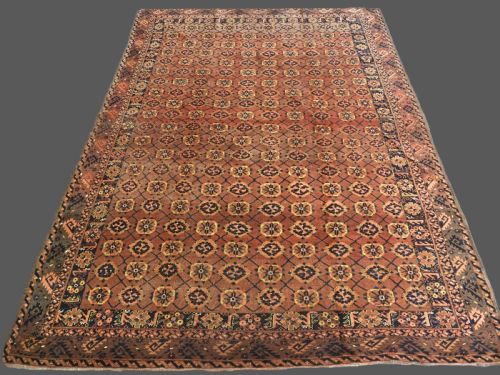
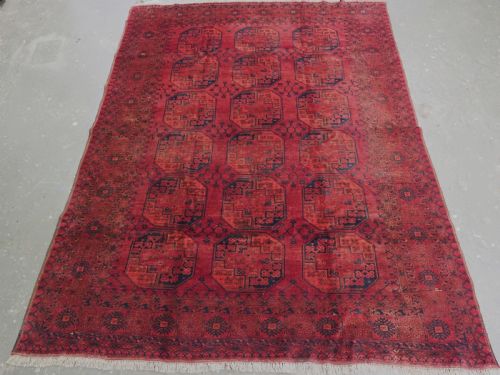
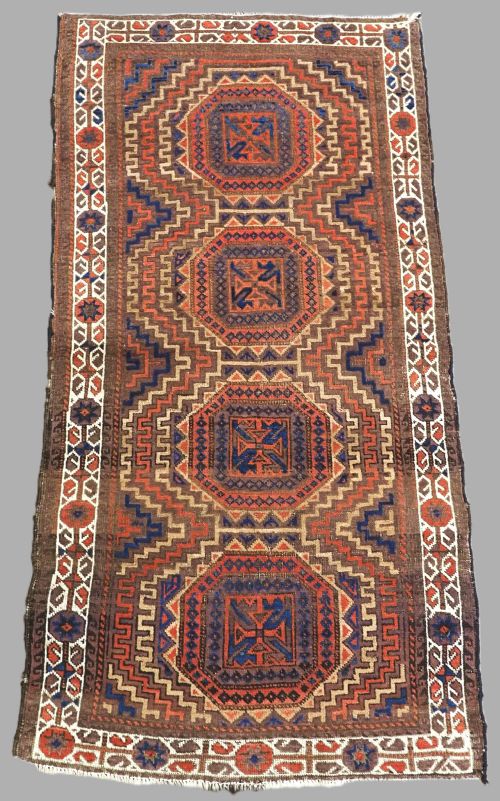
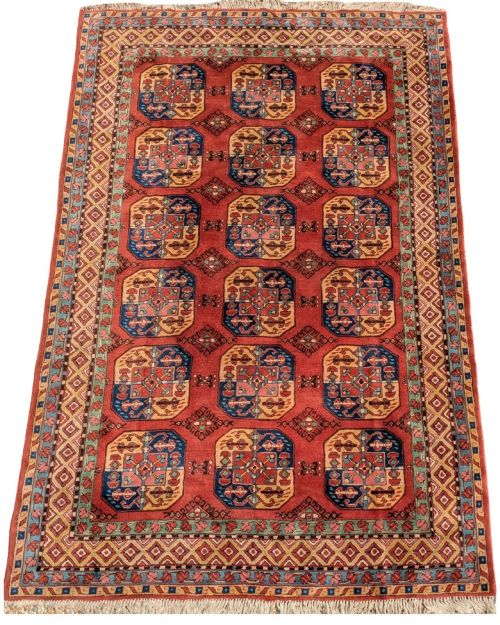
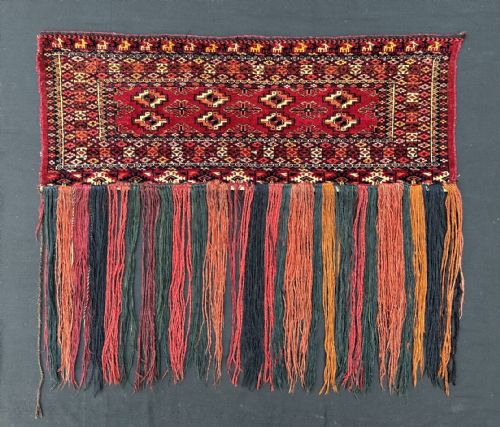
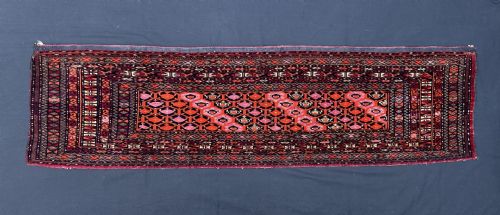
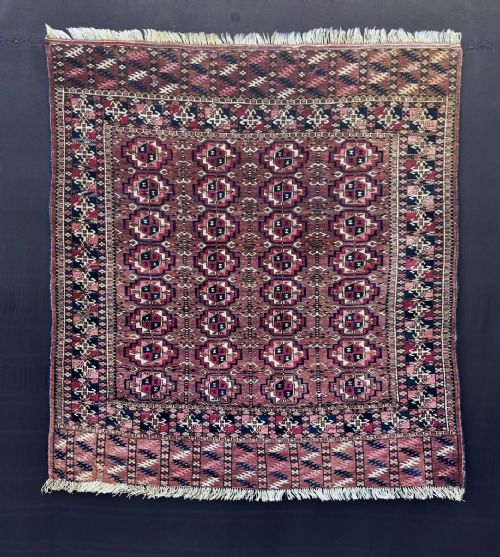
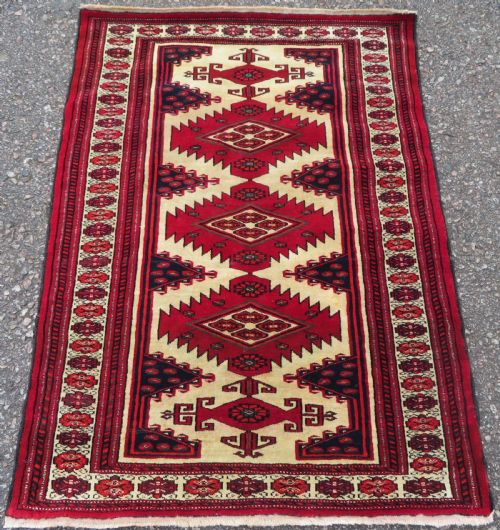
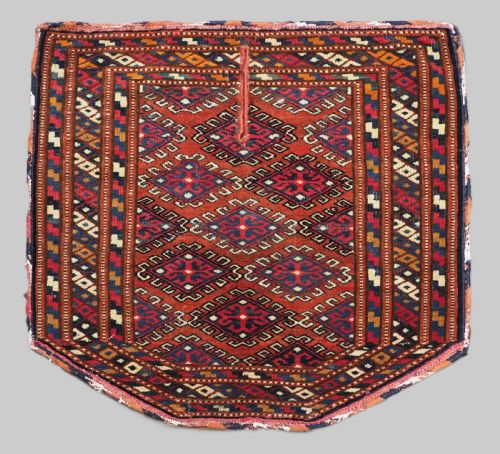
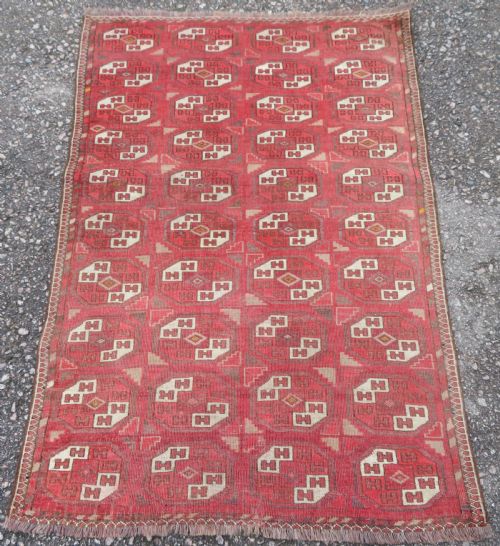
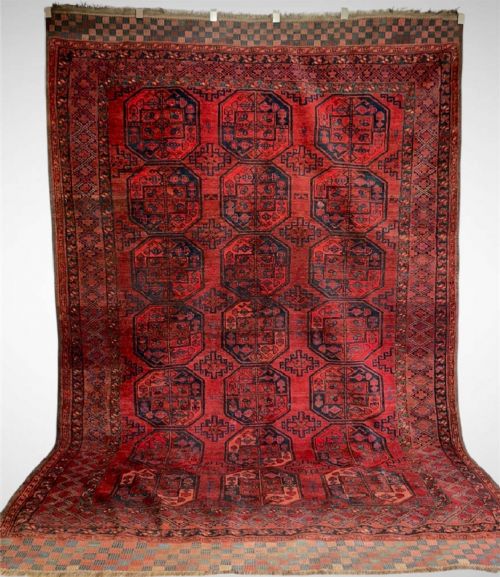
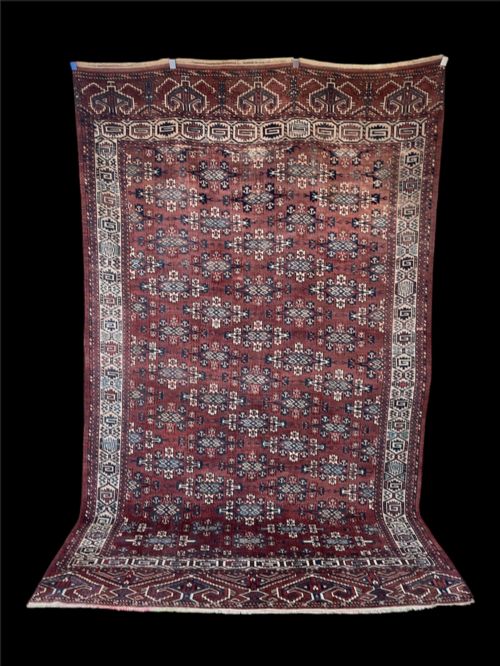
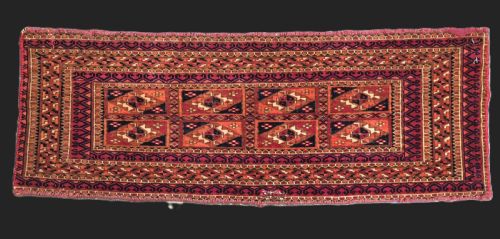
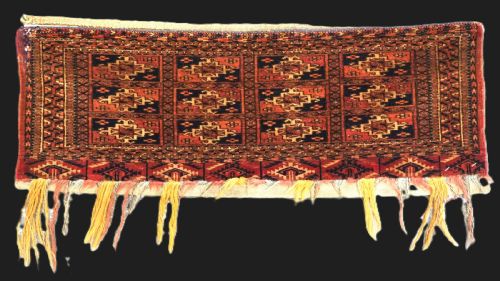
A tribal gul carpet displays traditional gul motifs, which are the primary octagonal or repeating medallions native to Turkmen, Afghan, and broader Central Asian weaving traditions. Buyers searching for a tribal gul carpet encounter formats ranging from large main carpets to smaller utilitarian bags like torbas and chuvals.
The selections span from the mid-nineteenth century through to the early decades of the twentieth century, originating from tribal groups such as the Tekke, Ersari, Yomut, and Sariq. These textiles served domestic, ceremonial, and architectural functions within nomadic encampments and villages across Central Asia.
How they were made
Weavers constructed these pieces predominantly using wool and hand-spun wool foundations and piles, occasionally incorporating cotton, silk highlights, goat hair, and horsehair for structural reinforcement or detail. Natural dyes provided the deep red, madder, and contrasting earthy tones characteristic of the region.
The density of the weave varies depending on the specific tribal group and the intended function of the textile, utilising symmetrical or asymmetrical knots tied across warp and weft threads.
Several bags retain their original plain-weave backs, surviving intact from nineteenth-century nomadic tents.
What varies in quality
Quality in these carpets rests upon the precision of the weave, the saturation and clarity of the natural dyes, and the integrity of the wool. Finer knots and carefully handled materials produce a more supple handle and enduring structure.
The complexity and distinctiveness of the gul design, along with the preservation of original selvedges and plain-weave backs on bags, distinguish superior examples from standard village productions.
The Tribal Gul Carpet Glossary
- Gul
- A primary octagonal medallion motif repeated across Central Asian carpets, often characteristic of specific tribes.
- Torba
- A small storage bag or wall hanging produced by Turkmen and other nomadic groups, featuring a decorated face.
- Chuval
- A large tent bag used for household storage within nomadic dwellings, frequently displaying multiple guls.
- Madder
- A natural plant-derived dye used extensively to achieve the rich red tones seen in these textiles.
- Selvedge
- The reinforced outer edge of a carpet that protects the structure from fraying.
Tribal Gul Carpet: Frequently Asked Questions
What is a gul?
A gul is the distinctive octagonal medallion repeated across the field of Central Asian carpets. Each tribal group utilised variations of these motifs to signal identity and heritage.
These repeated forms organise the visual field of the textile, functioning as both decoration and traditional emblem.
How were torbas used?
Torbas were utilised as storage bags within nomadic tents, hung against the lattice walls to hold personal possessions and household items. Their decorated faces displayed tribal patterns while the plain backs protected the contents.
Over time, many of these bag faces were separated from their original reverse sides to be preserved as standalone decorative textiles.
How do I care for an antique rug?
Protect antique wool textiles by placing them in low-traffic areas away from direct, harsh sunlight to preserve natural dyes. Vacuum gently using suction only without a rotating brush bar.
Professional cleaning tailored to antique vegetable-dyed wool should be undertaken infrequently and only when necessary.
How do I identify tribal origins?
Tribal attribution relies on examining the specific gul structure, secondary ornaments, colour palette, and weave characteristics. Groups like the Tekke, Ersari, and Yomut employed distinct geometric configurations and border designs.
Comparing structural details such as knot type and wool preparation helps narrow down the probable nineteenth-century or early twentieth-century origin.