


Tribal Embroidered Wall Panel
A tribal embroidered wall panel brings the layered textile traditions of Central Asian nomads directly into a modern interior.
Tribal Embroidered Wall Panel
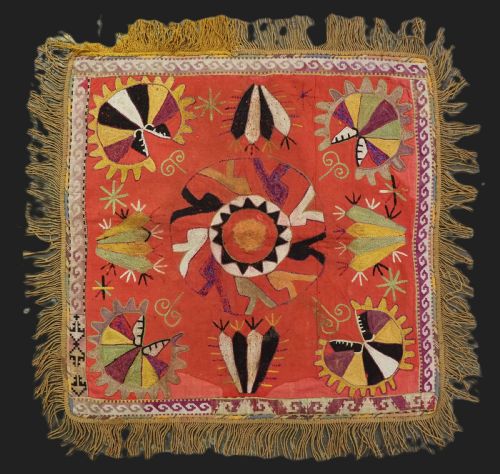
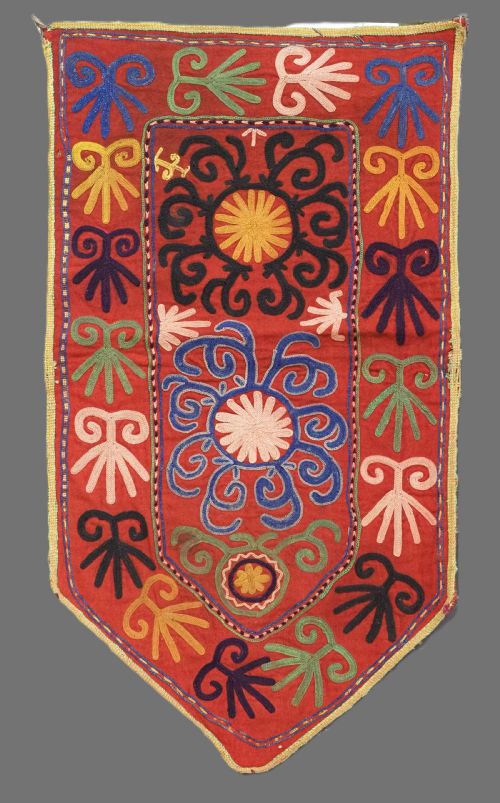
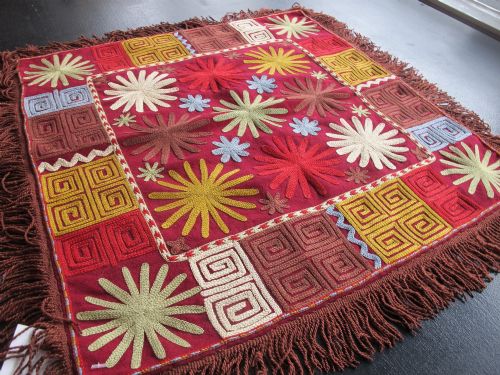
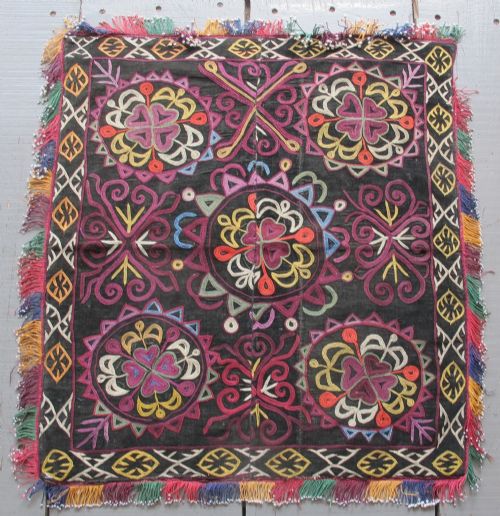
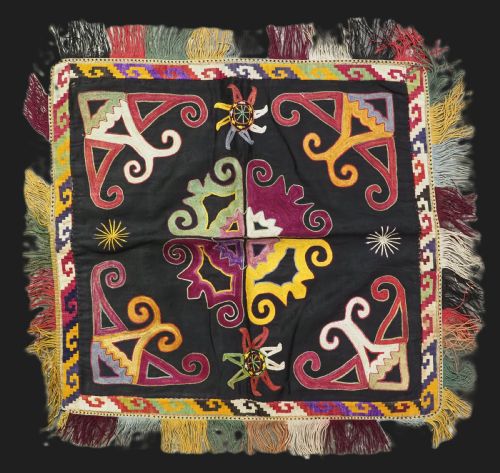
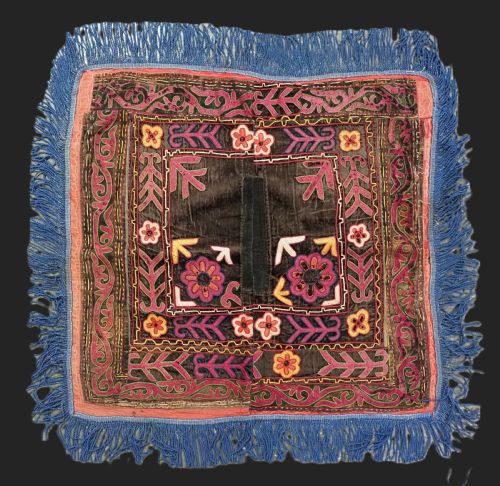
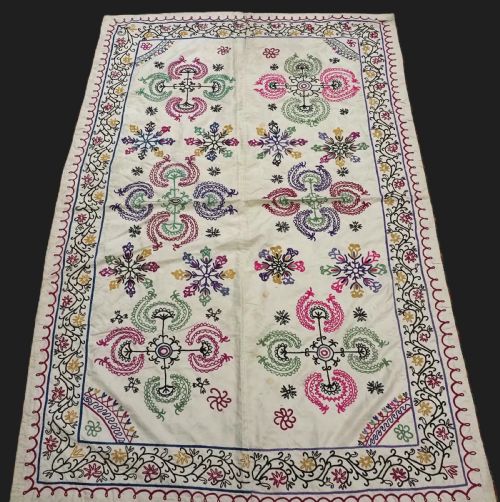
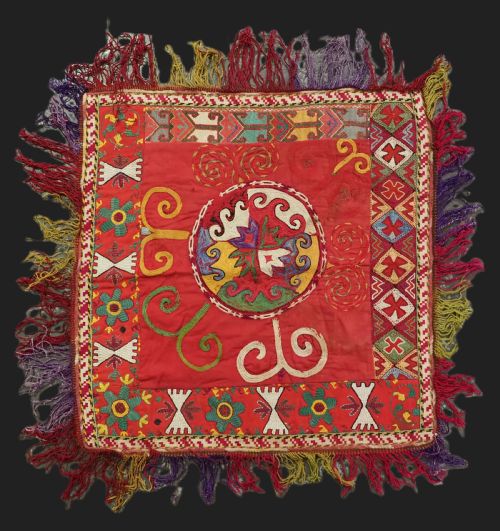
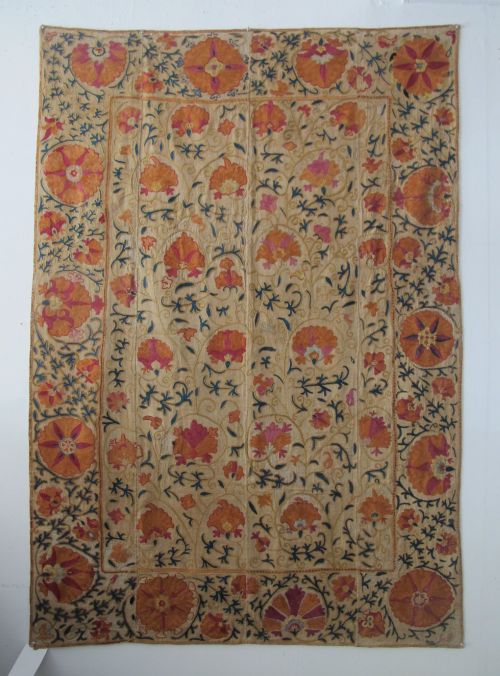
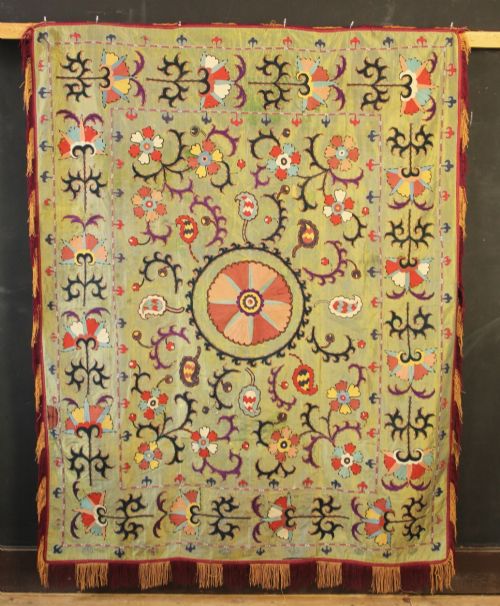
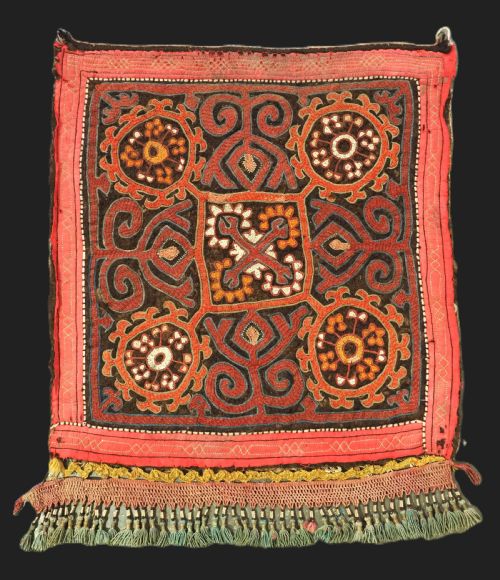
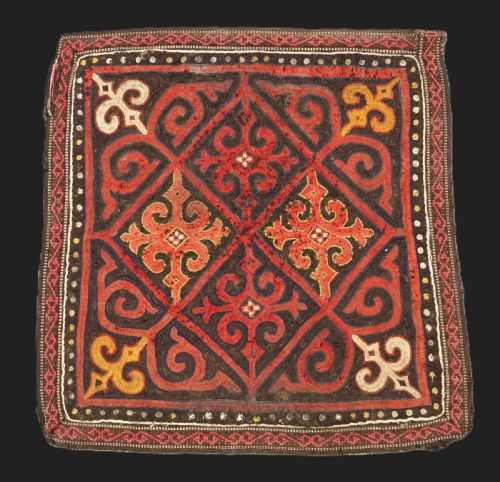
A tribal embroidered wall panel encompasses traditional Central Asian textiles, including dowry embroideries, yurt decorations, and ceremonial covers originating from nomadic and village communities. Buyers searching this phrase encounter examples created by Uzbek, Lakai, Kyrgyz, and Banjara groups during the nineteenth and early twentieth centuries. These pieces function primarily as wall hangings and decorative panels, translating functional domestic items into expressive textile art.
The most common forms on this page include the ilgich, uut kap, and various types of suzani, alongside felt panels and amulet embroideries. Many originate from specific regions such as Shakrisabz, Tashkent, and Samarkand, reflecting distinct regional aesthetics and stitchwork. While originally produced for domestic use, dowry purposes, or nomadic dwellings, these panels now serve as striking wall displays.
Dating across the listings ranges from the mid-nineteenth century through to the early decades of the twentieth century. Materials and designs vary according to the producing tribe, with Silk and wool embroidery applied to cotton, wool, or felt grounds. The survival of these textiles demonstrates the enduring appeal of Central Asian folk art and nomadic craft.
How they were made
Makers utilised natural foundation fabrics such as woven cotton, wool, Mogul red wool, and sturdy felt, providing a stable base for heavy needlework. Silk thread forms the primary medium for the intricate surface designs, often worked in dense tambour or surface stitches that cover large areas of the ground fabric. Glass beads occasionally appear as supplementary decorative elements on specific tribal items.
The construction frequently involves panels stitched together or applied fringes that edge the main embroidered field. Regional workshops and nomadic makers applied distinct colour palettes, combining bright silk floss on dark cotton or red wool grounds to create high contrast. This combination of robust foundation materials and fine silk embroidery ensures the structural integrity of each hanging.
Several panels double as equine fashion statements, having started life as ceremonial saddle covers for proud tribal horses.
What varies in quality
The density and fineness of the needlework differentiate standard examples from masterworks, with fully embroidered surfaces requiring substantial time and skill. The vibrancy and preservation of the silk threads affect the visual impact, as well as the complexity of the traditional geometric or floral motifs.
The choice of ground material and the harmonious balance of the colour palette contribute significantly to the overall distinction of a piece. Original components, such as intact fringes and sound foundation fabrics, maintain the integrity of the textile.
The Tribal Embroidered Wall Panel Glossary
- Suzani
- A large, embroidered tribal wall hanging from Central Asia, traditionally worked in silk on a cotton or linen ground. These textiles often feature bold floral or celestial motifs.
- Ilgich
- A specific form of Central Asian hanging or dowry embroidery, frequently produced by the Lakai tribe. They display characteristic geometric or figurative patterns.
- Uut Kap
- A nomadic storage bag or hanging panel originating from yurt-dwelling communities in Central Asia. These items were used within traditional nomadic architecture.
- Palak
- A fully embroidered large suzani type distinguished by a central star motif and dense coverage of the ground fabric. Tashkent examples are particularly well known for this layout.
- Cicim
- A flat-woven textile technique incorporating supplementary weft threads to create patterned surfaces, sometimes utilised in wall hanging formats.
Tribal Embroidered Wall Panel: Frequently Asked Questions
How were these textile panels used originally?
Nomadic and village communities utilised these embroideries to decorate the interiors of tents and houses, or created them as part of a bride's dowry. Items like yurt wall hangings and horse covers served both decorative and ceremonial functions within daily tribal life.
Over time, these functional objects transitioned into domestic wall displays, valued for their rich colour and cultural history.
What is the difference between a suzani and an ilgich?
A suzani is typically a larger embroidered panel featuring grand floral or medallion designs, often associated with urban or village centres in Uzbekistan. An ilgich is a specific smaller hanging or dowry piece closely linked to the Lakai tribe, known for distinct geometric motifs.
Both categories utilise silk embroidery on woven grounds but display different scales and tribal design vocabularies.
How do I care for a historic textile wall hanging?
Protect antique embroideries from direct sunlight to prevent silk threads and dyed grounds from fading over time. Mount the textile evenly using non-damaging methods that distribute the weight across the entire panel rather than suspending it from a few points.
Keep the hanging away from high humidity and dust by placing it in a stable indoor environment.
How can I tell a felt panel from a woven textile?
Felt panels are created by matting, condensing, and pressing wool fibres together rather than interlacing threads on a loom. They present a denser, non-woven texture that serves as a thick ground for applied embroidery and fringe.
Woven textile grounds show visible warp and weft threads under magnification and offer a lighter drape.