






Traditional Uzbekistan Suzani
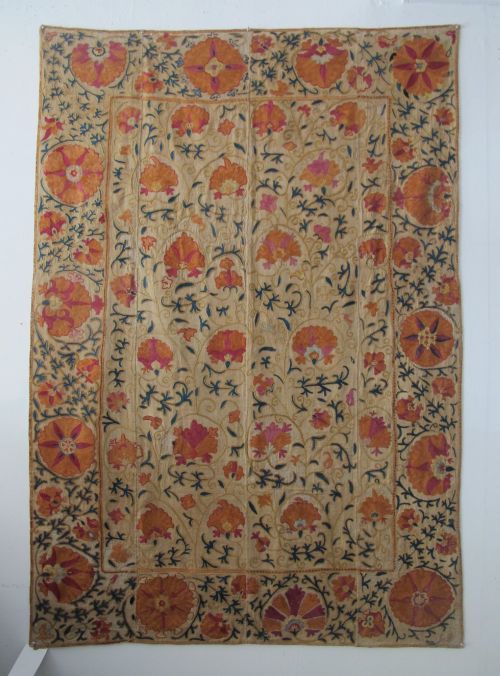
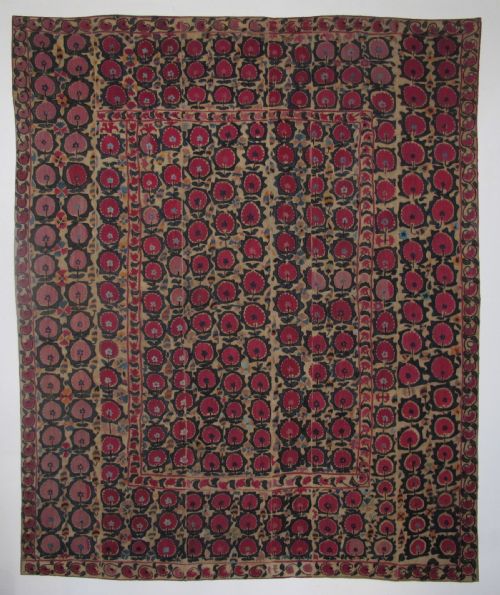
These traditional uzbekistan suzani textiles are heavy embroidered wall hangings and covers that bring rich Central Asian folk art into a room.
Traditional Uzbekistan Suzani
Traditional uzbekistan suzani examples are embroidered textiles originating from Central Asia, taking forms such as wall hangings, covers, runner rugs, and prayer panels. The selection spans the mid nineteenth century through the early twentieth century, incorporating regional formats like Bokhara, Nurata, Tashkent, and Ura Tube pieces.
Buyers encounter distinct styles including architectural designs, repeat patterns, and full work embroidery. Pieces range from full size wall pieces down to smaller mounted textiles and specific formats like nimble half size covers.
Originating from diverse communities such as the Lakai Uzbeks and Shakrisabz makers, these items reflect Central Asian tribal traditions. The visual language relies heavily on folk art expressions characteristic of Uzbek craft traditions.
How they were made
Makers constructed traditional uzbekistan suzani pieces using cotton, linen, or wool foundations. Silk thread serves as the primary medium for the dense needlework that covers the surface.
The technique relies on hand embroidery applied to woven grounds, sometimes featuring yellow cotton backgrounds. Artisans executed intricate patterns through specialised needlework traditions particular to specific Uzbek regions.
Traditional Uzbekistan Suzani Retail Price Guide 2026
Typical asking prices for traditional uzbekistan suzani among the pieces listed under this phrase on Sellingantiques today, from the lower quarter to the upper quarter. They describe what is for sale here now, not the wider market.
Regional attributions in the current selection include Bokhara, Nurata, Tashkent, Shakrisabz, and Ura Tube.
What varies in quality
The density and coverage of the embroidery separate standard examples from superior pieces, with full work panels showing greater hand labour. Finer items demonstrate exceptional control in the silk thread execution across the cotton or linen ground.
Design complexity and regional distinctiveness also influence the standing of an individual textile. Pieces retaining vibrant colour palettes and clear architectural or repeat motifs represent the upper echelon of the craft.
The Traditional Uzbekistan Suzani Glossary
- Suzani
- An embroidered hanging or cover originating from Central Asia. These textiles were traditionally produced as part of a bride's dowry.
- Bokhara
- A significant centre for textile production in Uzbekistan. Pieces associated with this region often display specific architectural or floral layouts.
- Nurata
- A well known town in Uzbekistan noted for its distinctive embroidery style. Nurata examples frequently incorporate specific medallion or garden motifs.
- Nim Suzani
- A smaller half size version of the standard embroidered cover. These formats were utilised for specific domestic spaces.
- Lakai
- A Central Asian Uzbek group known for distinctive tribal needlework. Their pieces often display energetic folk art compositions.
Traditional Uzbekistan Suzani: Frequently Asked Questions
How were suzani textiles used?
Traditional suzani pieces served primarily as wall hangings, decorative covers, and domestic textiles within Central Asian homes. They were also created as part of traditional wedding dowry chests.
Over time, these embroidered textiles transitioned into decorative wall art for modern interiors while retaining their original cultural context.
How do I date a suzani?
Dating relies on examining the materials, regional styles, and structural characteristics visible in the embroidery and ground fabric. Pieces from the mid nineteenth century often display specific natural dye palettes and looser cotton weaves.
Later examples from the turn of the twentieth century incorporate different ground preparations and tighter stitching techniques. Comparing known regional types helps narrow the period of origin.
What is a full work suzani?
A full work suzani refers to an embroidery where the silk needlework covers almost the entire ground fabric. This style demands significantly more time and material from the artisan.
These pieces present a dense, rich surface where little of the underlying cotton or linen remains visible.