



Tribal Cushion Cover
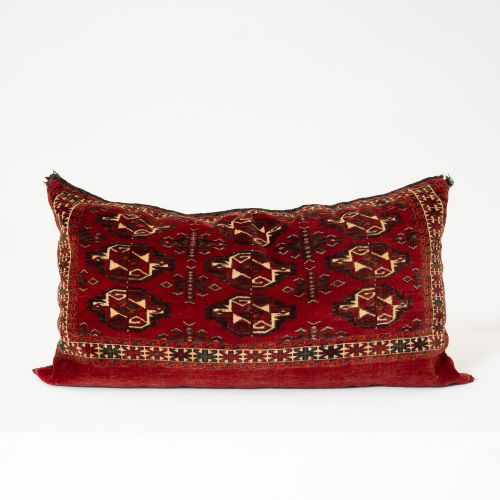
A tribal cushion cover brings the dense geometry and tactile warmth of nomadic weaving directly into modern interiors.
Tribal Cushion Cover
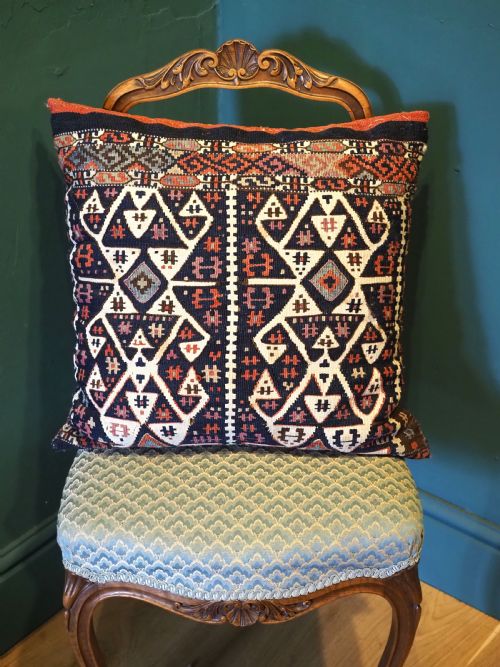
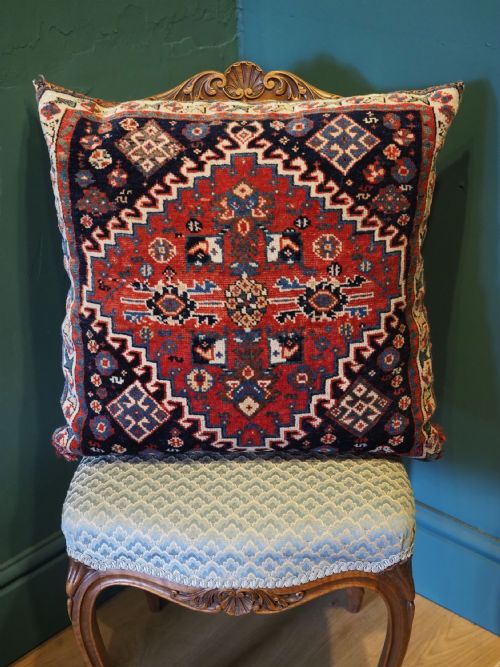
A tribal cushion cover repurposes antique nomadic weavings, transforming utilitarian carrier bags, saddlebags, and storage faces into decorative furnishings. The inventory on this page spans the nineteenth and early twentieth centuries, drawing upon regional weaving traditions from Persian, Anatolian, and Turkmen tribes.
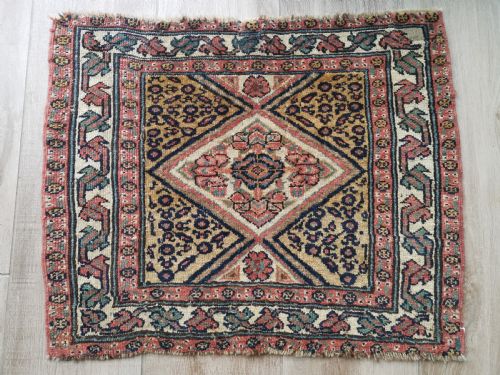
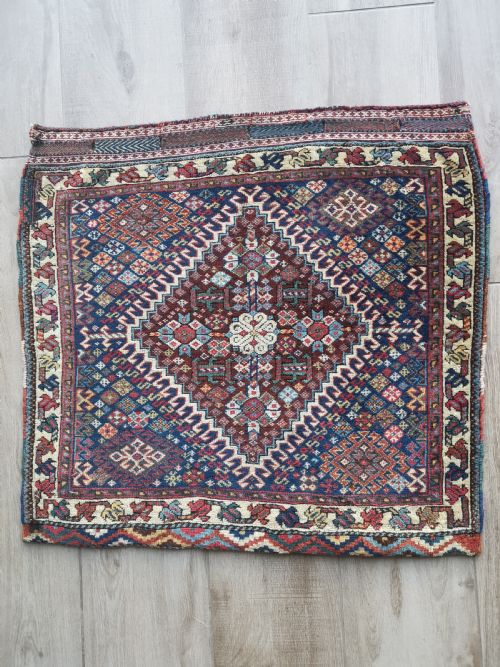
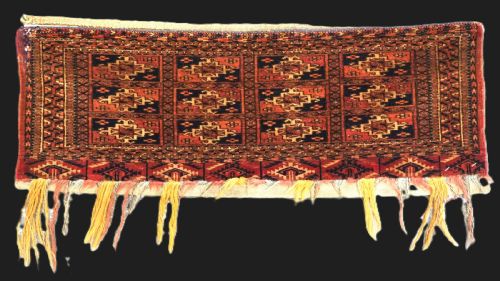
Makers utilised front panels and faces from bagfaces, torbas, chuvals, and saddlebags, which originally served functional roles in nomadic camps. These textiles display distinct tribal motifs, including guls, boteh patterns, and banded flatweave designs handed down through generations.
Buyers encounter formats ranging from square kilim cushions to rectangular bag faces complete with original backs. The regional diversity covers Qashqai, Tekke Turkmen, Baluch, Yomut, and Shahsevan artistry.
How they were made
Weavers relied on hand-spun wool and goat hair, combining pile knotting and flatweave techniques to construct durable storage sacks and rugs. These natural animal fibres provide the resilient structure necessary for daily nomadic transport and domestic use.
Colour derives from natural and vegetable dyes, yielding rich, saturated tones that age gracefully over decades of light and handling. The interplay of hand-spun yarns and organic dyestuffs produces the characteristic abrash variations visible across tribal surfaces.
Current listings span the nineteenth and early twentieth centuries, featuring wool, cotton, goat hair, and natural vegetable dyes across Persian, Anatolian, and Turkmen traditions.
What varies in quality
The fineness of the knotting or flatweave precision distinguishes regional masterpieces from standard utilitarian pieces. Complex geometric structures and balanced proportions separate exemplary tribal work from simpler workshop outputs.
The integrity of the original wool and the vibrancy of the vegetable dyes dictate the visual impact of each textile. Pieces retaining complete bag faces with distinct tribal guls command greater attention from collectors.
The Tribal Cushion Cover Glossary
- Gul
- A primary medallion or octagonal motif repeated across Turkmen and tribal carpets. It often identifies the specific clan or tribe responsible for the weaving.
- Chuval
- A large Turkmen storage bag used within nomadic tents for bedding and household goods. Surviving faces are frequently adapted into decorative cushions.
- Torba
- A smaller horizontal storage bag produced by Turkmen and Anatolian nomads. These pieces display intricate banded designs and secondary guls.
- Soumac
- A wrapping technique for flatwoven textiles that produces a braided surface texture on the front and loose floats on the reverse. It adds structural strength and visual depth.
- Boteh
- A stylised almond or pear-shaped motif representing a floral spray or cypress tree. This ancient symbol appears frequently across Persian tribal weavings.
Tribal Cushion Cover: Frequently Asked Questions
What is a tribal cushion cover?
A tribal cushion cover is an interior furnishing fashioned from authentic nineteenth or early twentieth-century nomadic weavings. Artisans repurpose antique bag faces and saddlebags into decorative cushions.
These textiles preserve traditional village patterns and hand-spun materials created by tribal groups across Persia, Anatolia, and Central Asia.
How were antique tribal bags used?
Nomadic tribes utilised these woven containers for storage, transport, and domestic organisation inside tents. Saddlebags and storage sacks carried belongings across seasonal migrations.
Over time, surviving fragments and complete bag faces found new life as soft furnishings while retaining their original cultural motifs.
How do I care for antique wool cushions?
Protect antique wool textiles from direct sunlight to preserve the stability of natural and vegetable dyes. Gentle surface vacuuming without a rotating brush maintains the pile.
Professional specialist cleaning is recommended for antique textiles to protect the structural integrity of hand-spun wool and goat hair.
How can I identify tribal cushion styles?
Tribal styles are distinguished by regional motifs, weave structures, and colour palettes unique to specific nomadic confederations. Turkmen weavings frequently feature repeating guls, while Persian pieces display boteh patterns and geometric borders.
Examining the density of the flatweave or knotting helps trace the geographic origin and tribal identity of the textile.