

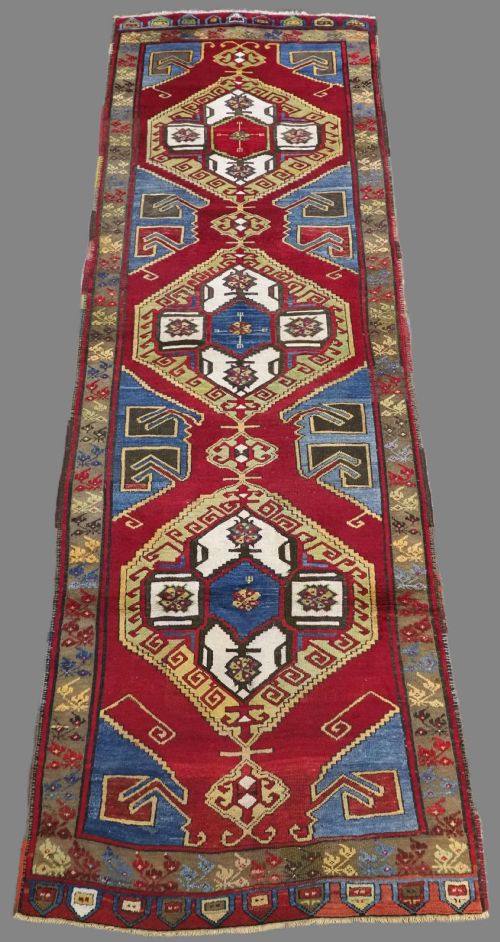
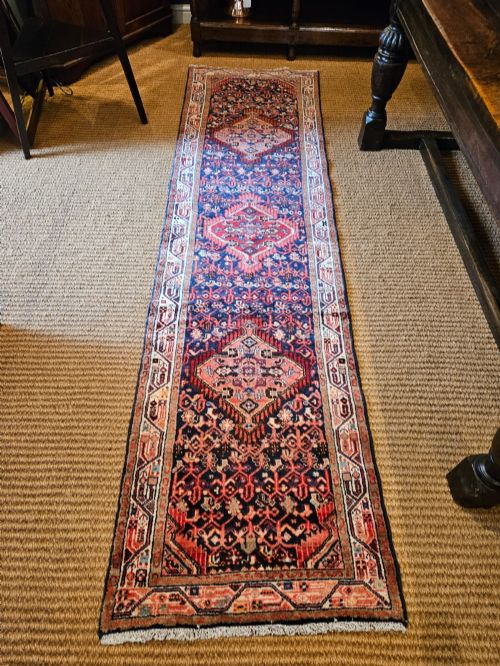
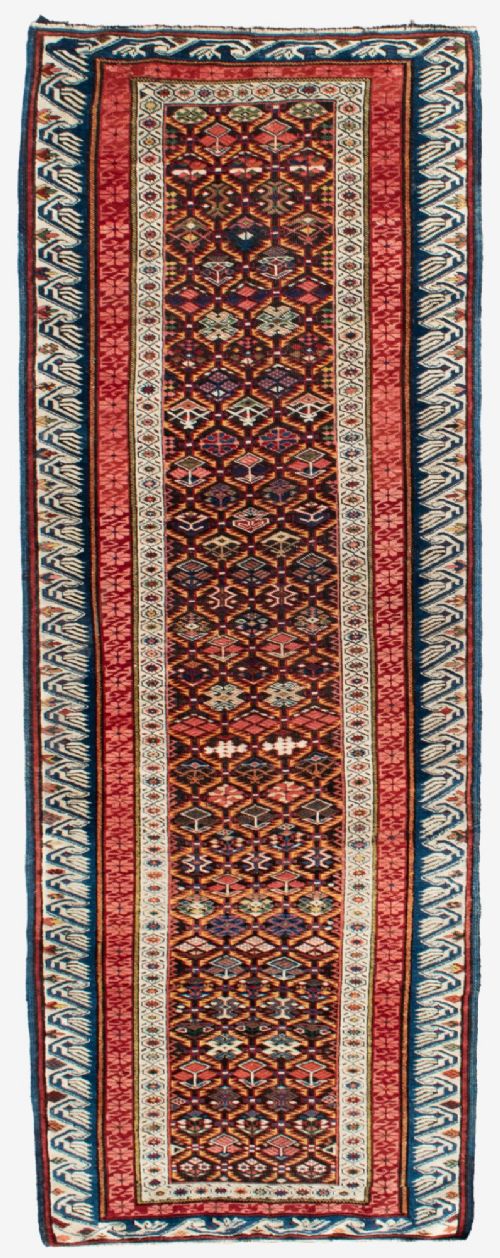
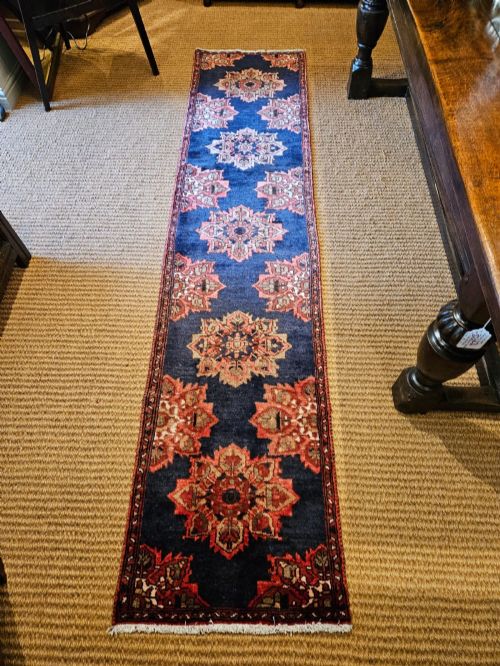
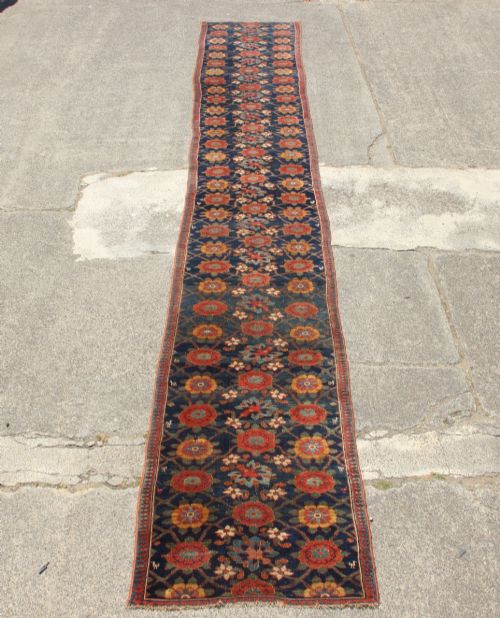
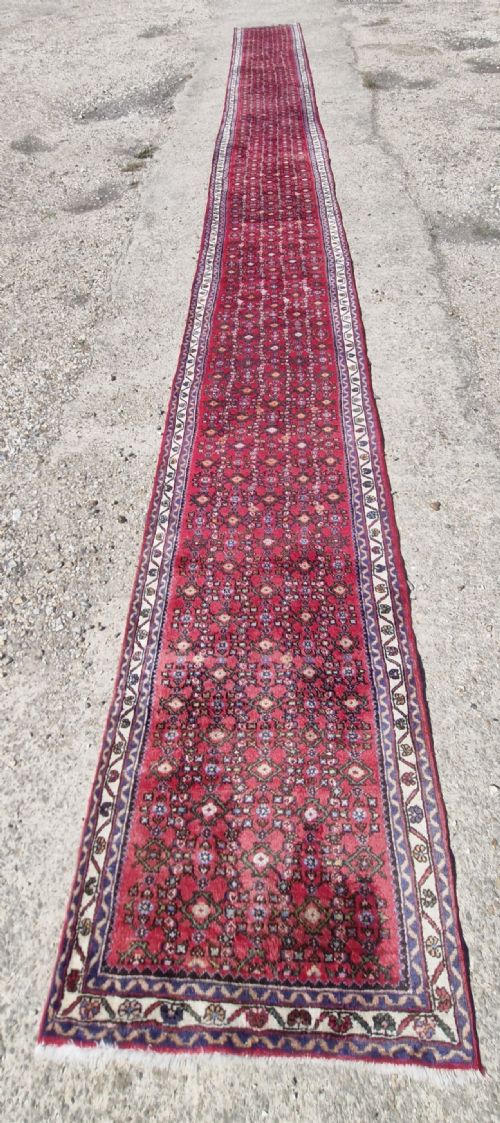

Tribal Corridor Rug
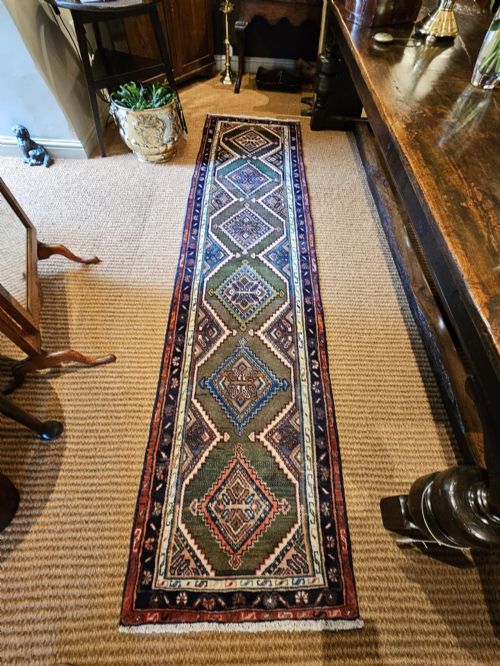
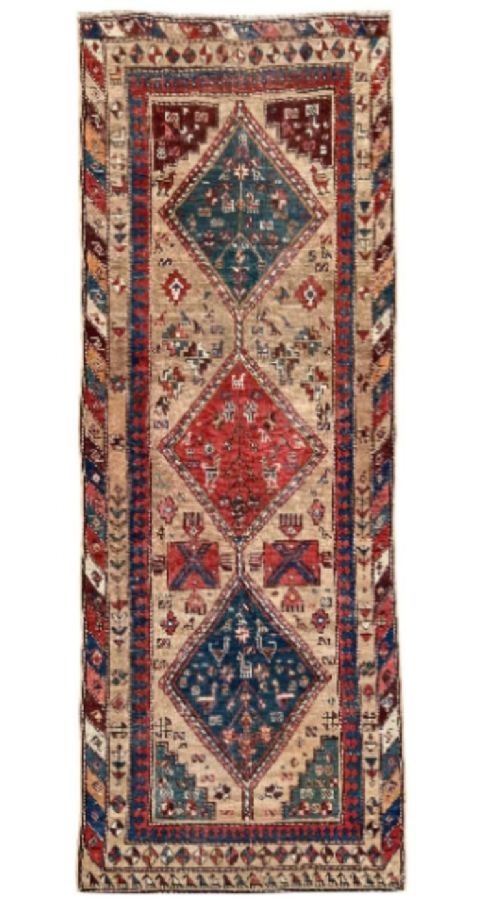
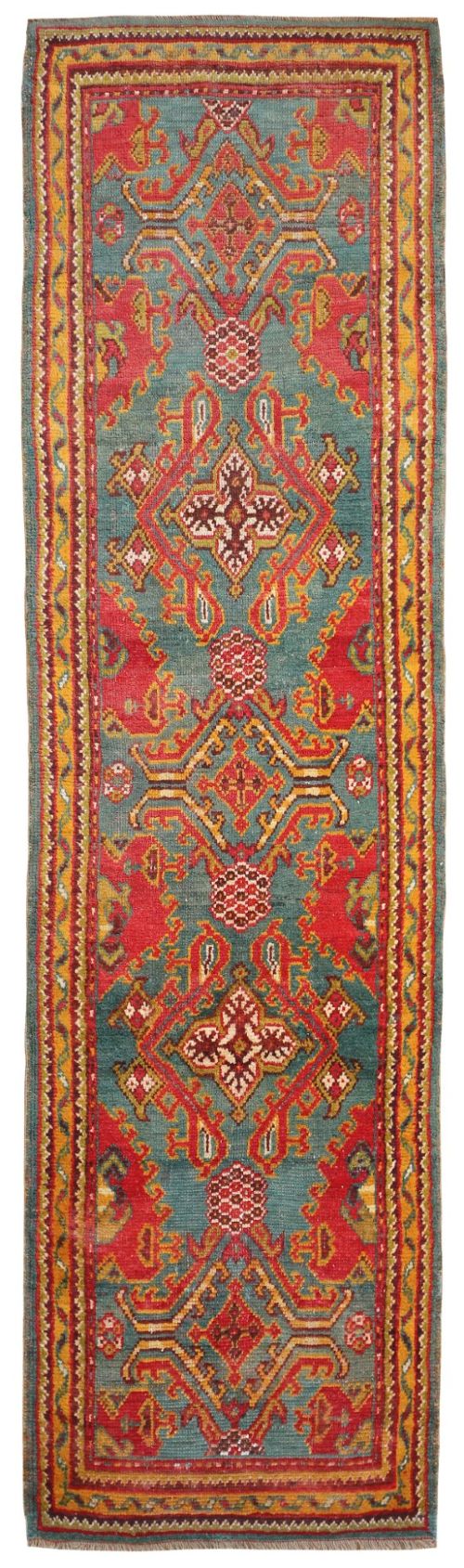
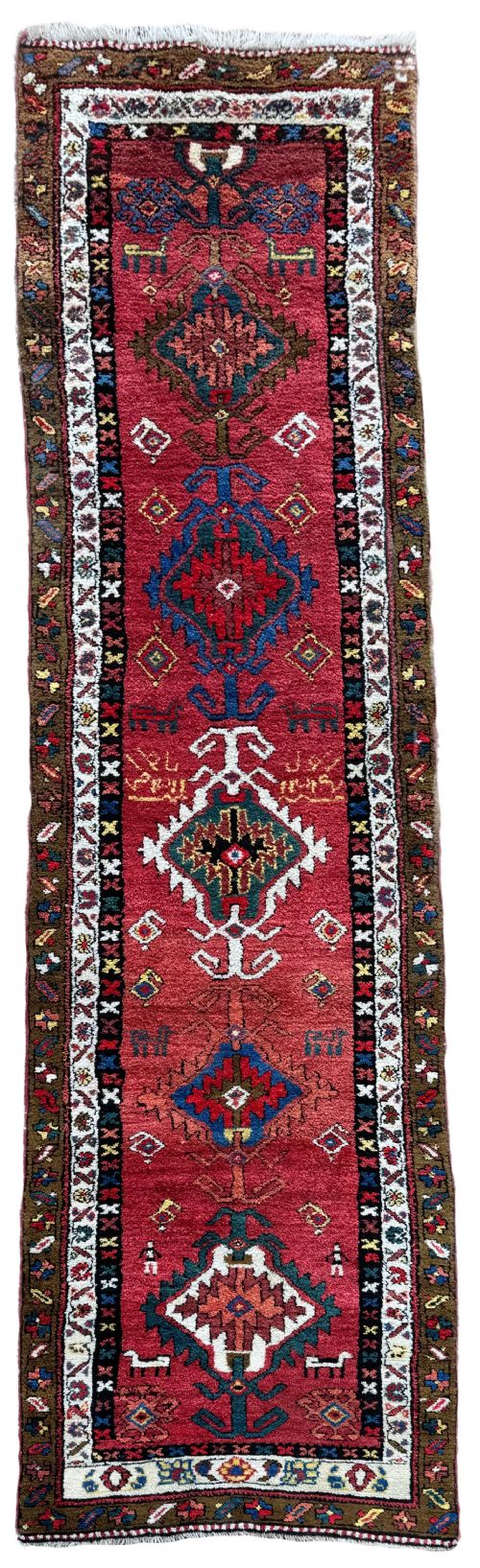
A tribal corridor rug anchors a long hallway with rich colour and dense geometric patterns woven by hand.
Tribal Corridor Rug
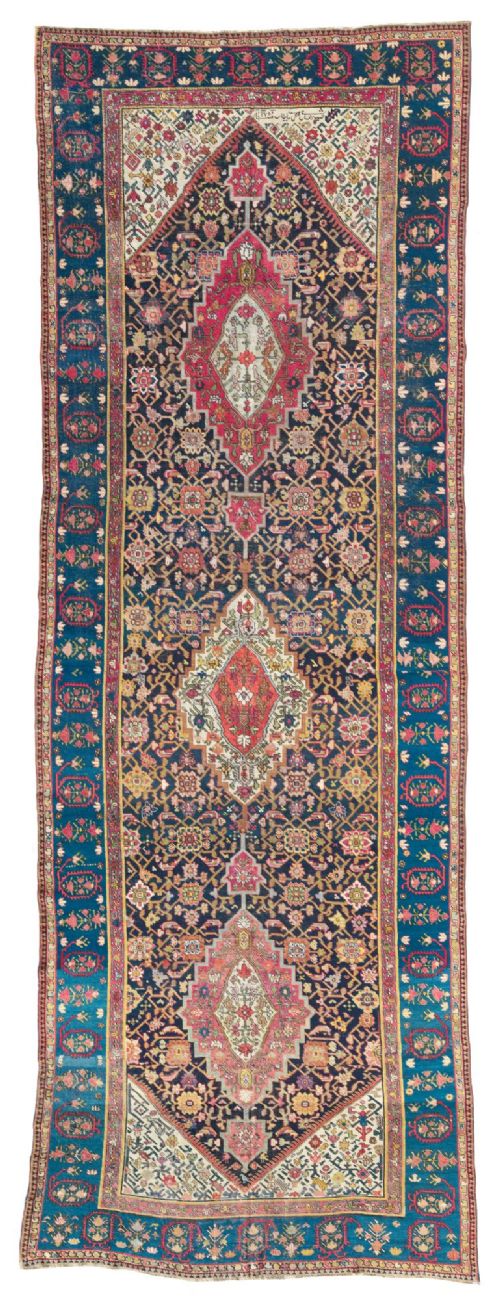
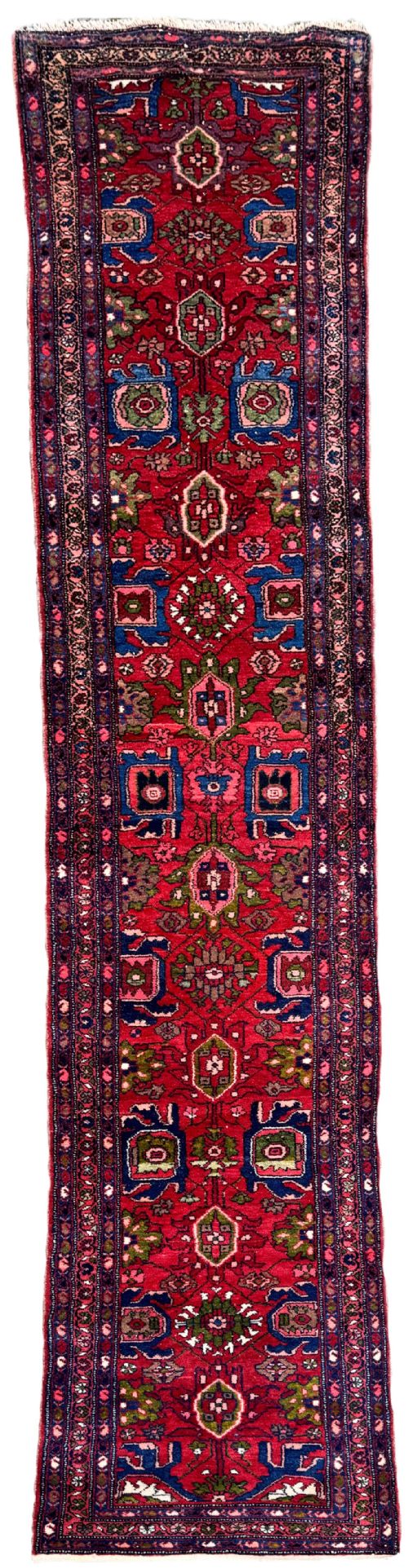
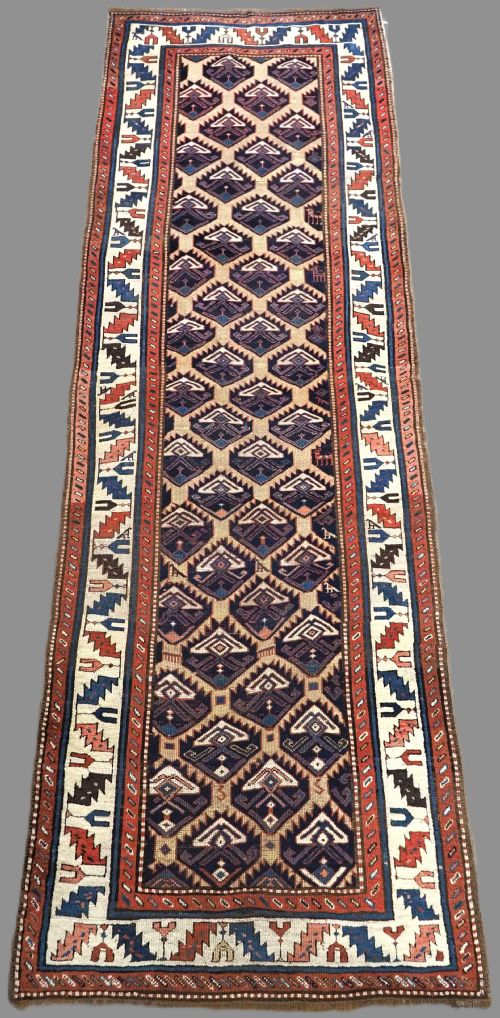
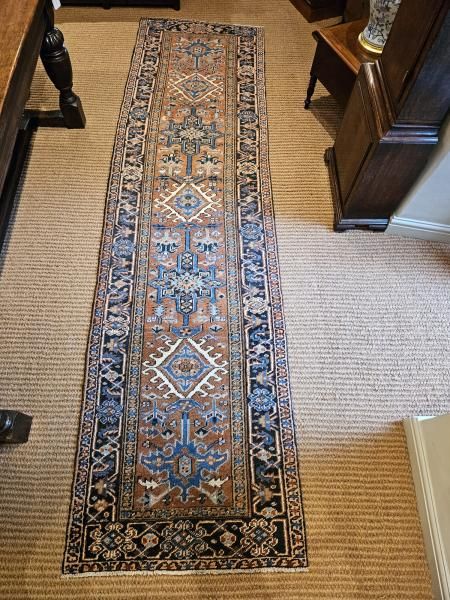
A tribal corridor rug spans long, narrow formats designed for hallways, landings and galleries. These runners draw on traditions from Persian, Caucasian, Anatolian and Kurdish makers working across the nineteenth and early twentieth centuries.
The pieces appearing here include village and nomadic weaves in formats stretching from under three metres to over nine metres in length. Narrow proportions suit period corridors and modern passage spaces alike.
Makers shaped these long carpets for domestic transit, using robust pile to absorb heavy footsteps while displaying regional motifs handed down through generations.
How they were made
Weavers built these rugs using hand-spun wool and cotton foundations, employing natural dyes extracted from local plants and minerals. Hand-knotting secured the dense pile, creating resilient surfaces capable of withstanding decades of hallway traffic.
Foundation warps andwefts rely primarily on wool and cotton, providing structural stability for elongated formats that measure significantly longer than their width.
Current listings span periods from the mid-nineteenth century through the 1960s, featuring wool, cotton and hand-spun wool across Persian, Caucasian, Anatolian and Kurdish origins.
What varies in quality
Quality rests on the fineness of the knotting, the clarity of the natural dyes and the integrity of the wool. Tightly packed knots produce sharper geometric lines and greater resilience under foot.
The richness and stability of the dye palette separate standard village production from exceptional workshop or nomadic examples. Superior pieces display complex abrasash, where subtle tonal shifts occur naturally within single colour fields.
The Tribal Corridor Rug Glossary
- Kelleh
- A large format rug, often longer and narrower than standard carpets, traditionally used in Persian domestic spaces.
- Runner
- An elongated narrow carpet format specifically suited for hallways, corridors and staircases.
- Abrasash
- Natural tonal variation in wool pile caused by changes in dye batches during the weaving process.
- Warp
- The vertical threads stretched across a loom that form the structural foundation of a knotted rug.
- Weft
- The horizontal threads passed through warp threads to lock knots in place during weaving.
Tribal Corridor Rug: Frequently Asked Questions
How do I clean a tribal corridor rug?
Regular gentle vacuuming without a beater bar removes surface grit trapped in the wool pile.
Professional specialist washing is essential for deeper cleaning to protect natural dyes and foundation wool.
Where should I place a long runner?
These narrow formats fit naturally in hallways, entrance passages, long landings and narrow galleries.
Ensure adequate underlay is used to prevent slipping and reduce friction against hard flooring.
Are these rugs durable enough for heavy hallways?
Traditional village and nomadic weaves utilise dense hand-spun wool designed specifically for heavy domestic transit.
Properly maintained pieces absorb daily footsteps while retaining structural integrity over generations.
How can I tell regions apart?
Caucasian pieces tend to feature sharp geometric lattices and crisp primary colours, while Persian and Anatolian examples often display softer medallions and floral motifs.
Kurdish and tribal weaves frequently combine geometric asymmetry with deep, saturated dye palettes.