





Antique Sarab Carpet
An antique sarab carpet brings enduring Persian tribal craftsmanship into a hallway or room through distinctive runner and rug formats.
Antique Sarab Carpet
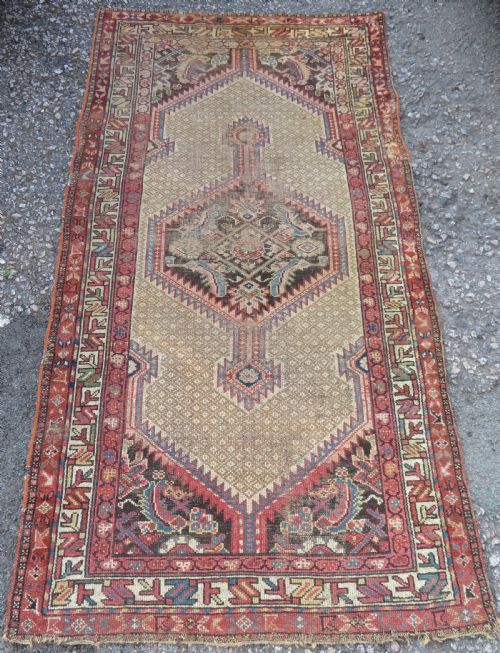
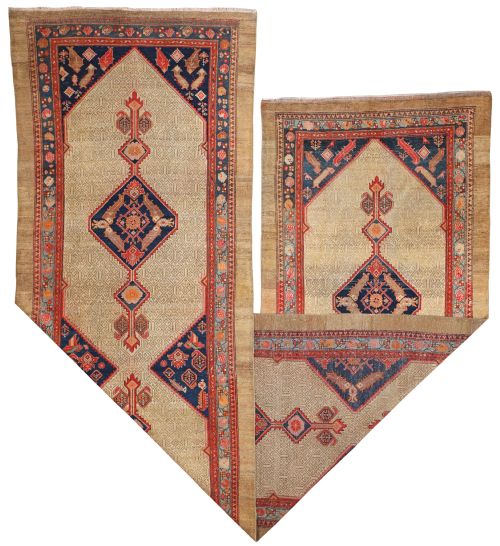
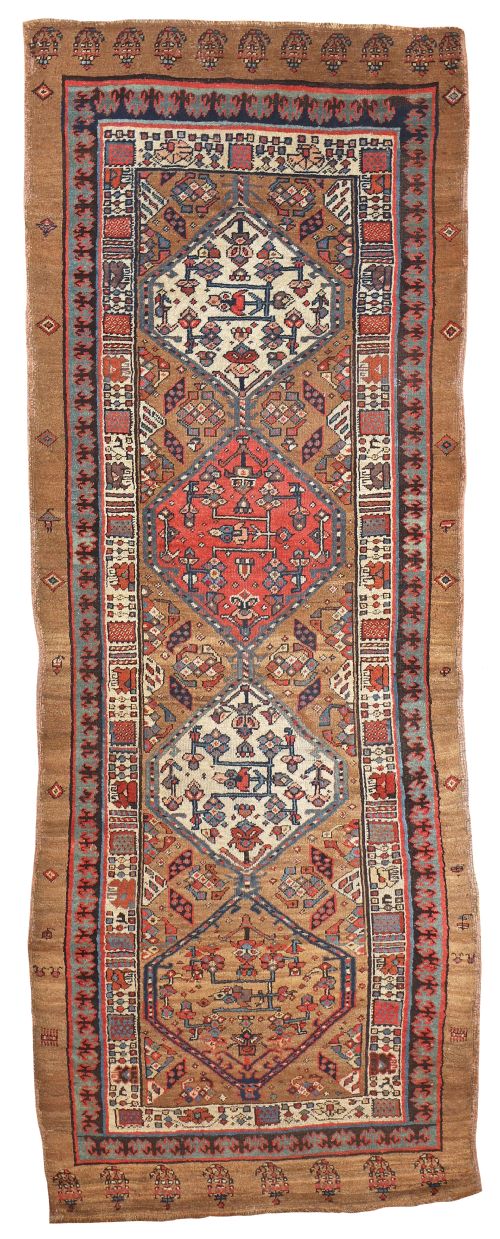
When you search for an antique sarab carpet, you encounter hand-knotted runner rugs and village floor coverings originating from north west Persia. These pieces arrive in various formats from the late nineteenth century and early twentieth century, spanning decades such as eighteen seventy, eighteen eighty, nineteen hundred, and nineteen twenty.
The inventory on this page typically comprises narrow village runners and country house rugs that display traditional Persian tribal designs. These textile works serve practical purposes in hallways and living spaces while offering historical character through their established production periods.
Materials and construction
The physical construction of these textiles relies primarily on wool and cotton foundations, utilising traditional hand-knotting techniques characteristic of Persian village production. Artisans also incorporated camel hair in certain examples, adding natural tonal variations to the pile.
These materials combine to create durable floor coverings designed for heavy use in domestic settings. The structural integrity depends on the quality of the wool and the tightness of the weave executed by village weavers.
Antique Sarab Carpet Retail Price Guide 2026
Typical asking prices for sarab carpet among the pieces listed under this phrase on Sellingantiques today, from the lower quarter to the upper quarter. They describe what is for sale here now, not the wider market.
Materials recorded across the inventory include standard wool and cotton alongside distinctive natural camel hair.
Distinctions in quality
Distinctions in quality rest upon the crispness of the traditional design and the fineness of the knotting executed by the weaver. Finer examples display greater precision in the geometric patterns and a more substantial handle to the textile.
The condition of the pile and the integrity of the foundation threads also determine the standing of an individual piece. Preserved pile height and intact selvedges separate superior survivals from heavily worn examples.
The Antique Sarab Carpet Glossary
- Runner
- A long, narrow carpet format designed specifically for corridors, hallways, and staircases. These pieces measure significantly longer than they are wide.
- Village rug
- A textile produced by independent weavers in rural settlements rather than large urban workshops. These items often incorporate spontaneous geometric motifs.
- Camel hair
- A natural fibre utilised in select traditional weavings, valued for its untreated warm brown and golden tones. It provides both colour variation and durability.
- Persian tribal
- A stylistic classification denoting designs created by nomadic or semi-nomadic groups. These patterns emphasise bold geometry and symbolic motifs derived from local traditions.
- Prayer tree
- A specific design layout featuring a mihrab arch or tree of life motif. This imagery holds symbolic meaning within traditional eastern carpet weaving.
Antique Sarab Carpet: Frequently Asked Questions
Where were these carpets made?
These floor coverings originate from the Sarab region situated in north west Persia. Local village weavers produced them using traditional techniques handed down through generations.
The regional style is distinct from city-produced Persian weaving, leaning instead toward robust geometric layouts and earthy palettes.
How do I style a runner?
Runners suit narrow spaces such as hallways, corridors, and gallery landings where standard rectangular rugs do not fit. They add warmth and texture to wooden or stone flooring.
Ensure you place a quality underlay beneath the textile to prevent sliding and reduce wear from foot traffic.
How are periods dated?
Dating relies on stylistic analysis, material composition, and structural characteristics observed in comparable pieces from the same region. Natural dyes and specific wool types help narrow the timeframe.
Archival records and historical design markers further assist in attributing pieces to decades like nineteen hundred or nineteen twenty.
Are these suitable for daily use?
These textiles were constructed for practical domestic environments using durable wool and cotton materials. Regular foot traffic is well tolerated by pieces retaining sound foundations.
Gentle vacuuming without a rotating brush roll helps maintain the pile without causing unnecessary friction or fibre loss.