

Tribal Carpet Persia
These tribal carpet persia selections unite nomadic weave and village wool from the nineteenth and early twentieth centuries, bringing authentic regional patterns into your rooms.
Tribal Carpet Persia
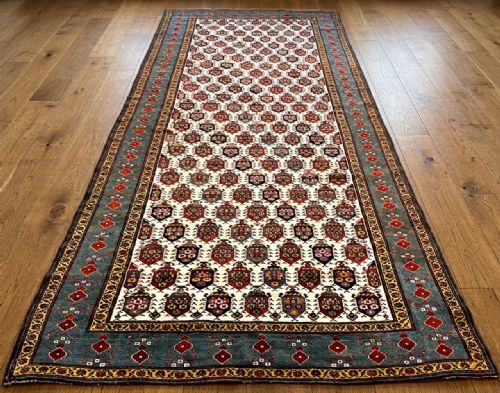
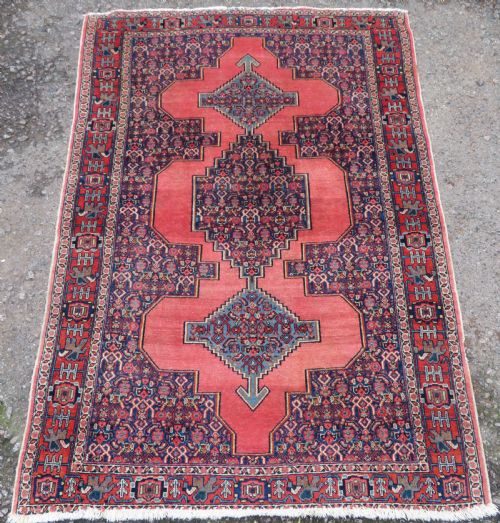
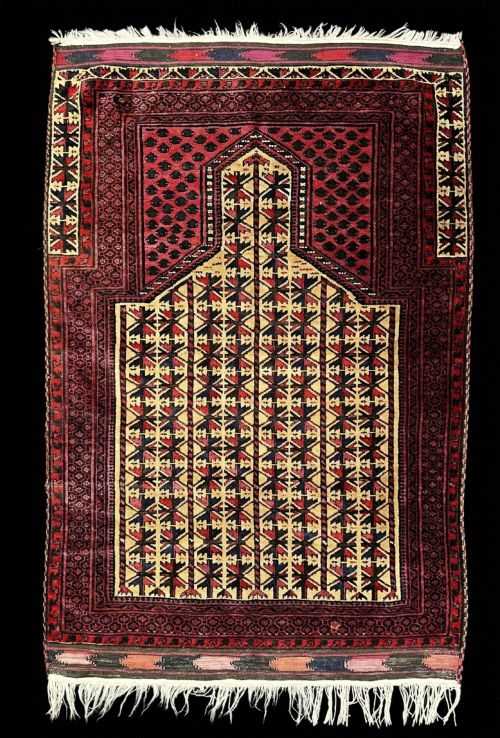
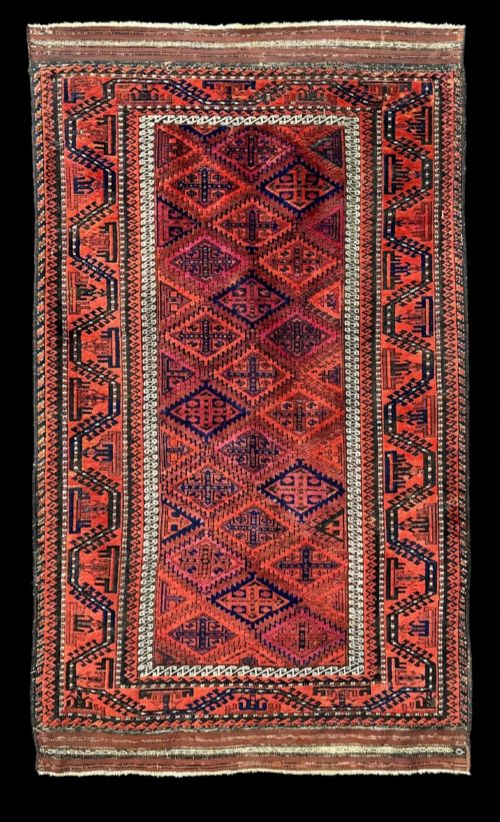
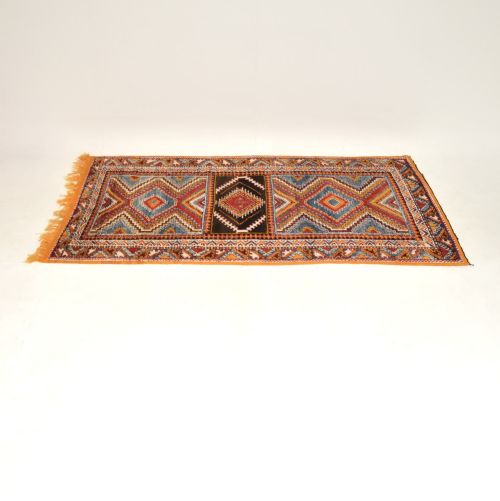
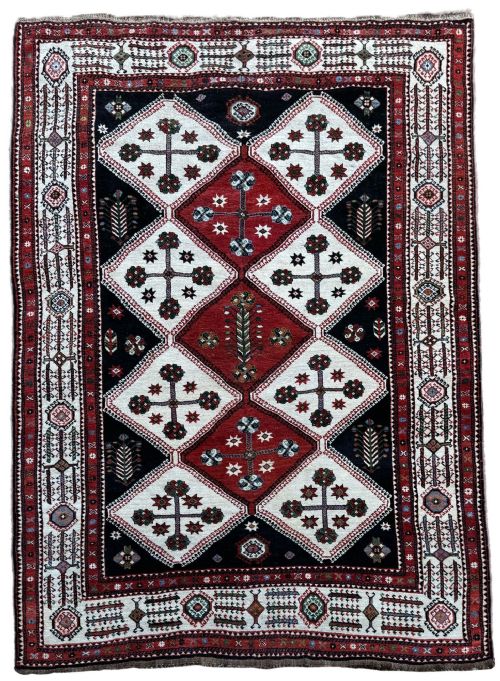
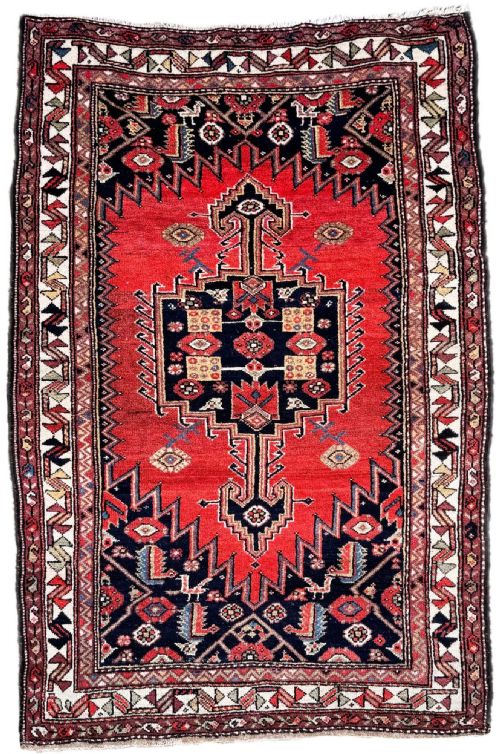
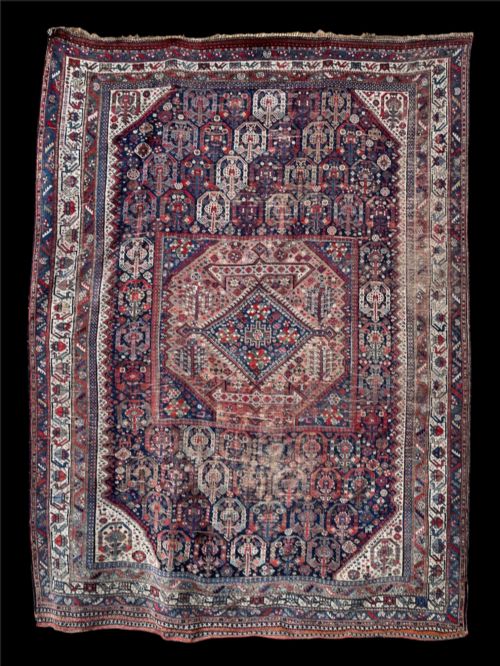
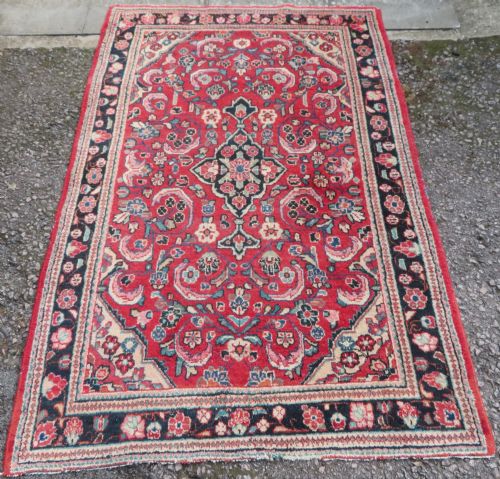
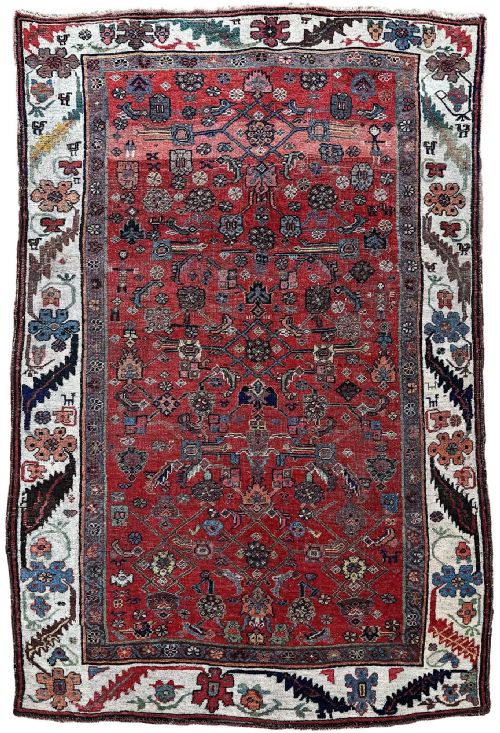
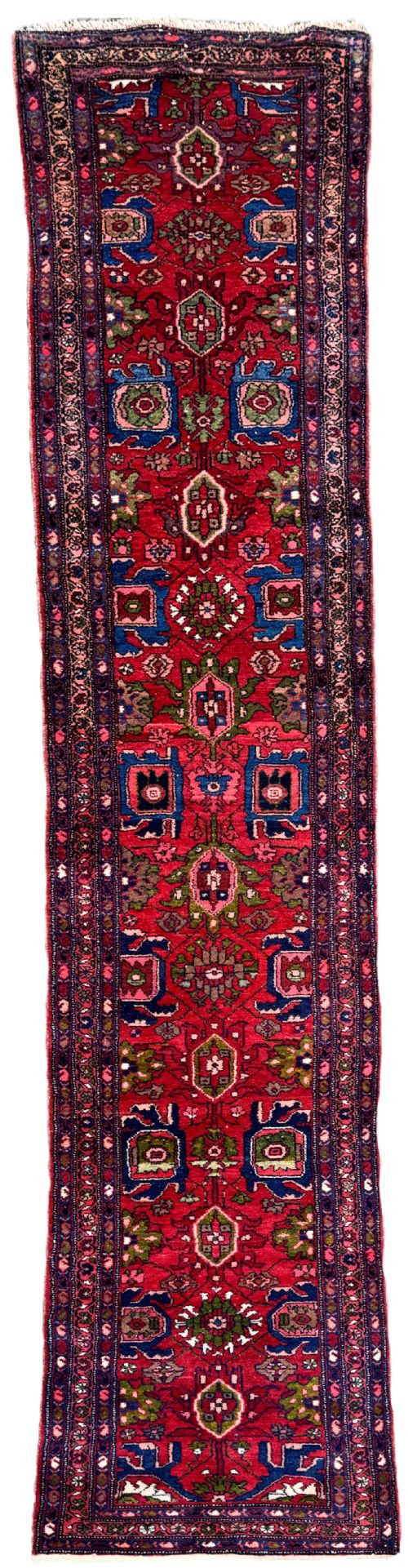
A tribal carpet persia search brings together nomadic and village textiles woven across various Persian provinces, including works by Qashqai, Afshar, Bakhtiari, and Timuri makers. You will encounter formats ranging from generous room-sized carpets down to corridor runners, prayer rugs, and utilitarian bags.
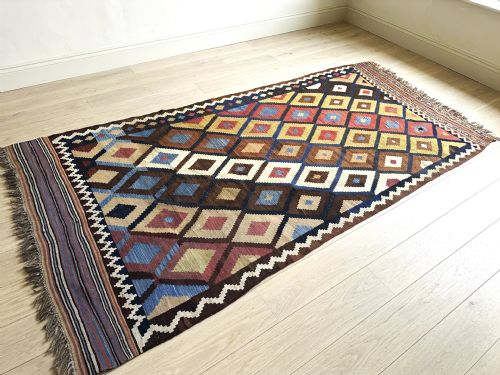
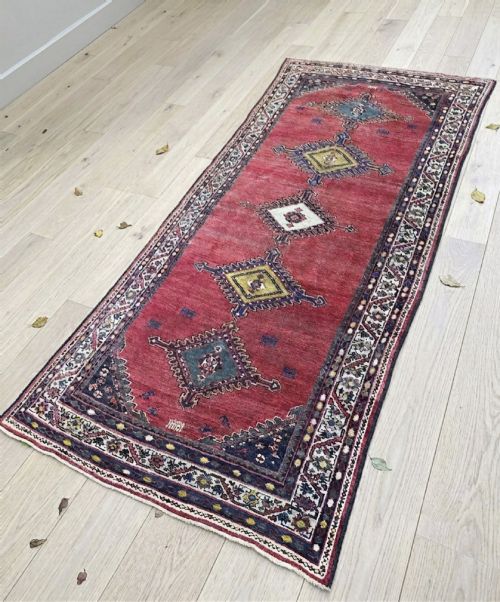
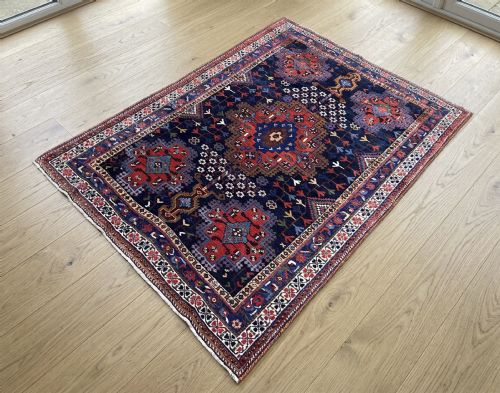
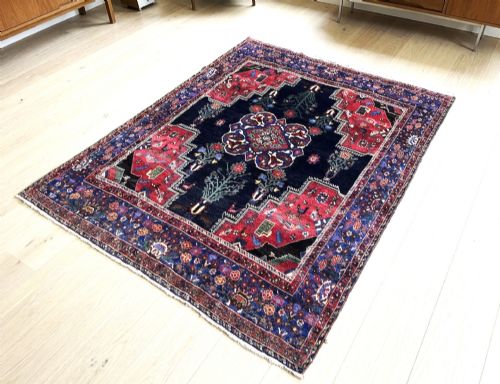
The aesthetic is defined by geometric motifs, stylized animal forms, and repeated medallions that reflect the specific heritage of each weaving confederacy. Most pieces originate from the late nineteenth century through to the early decades of the twentieth century, displaying distinct regional palettes.
Village and nomadic pieces often show spontaneous design shifts and asymmetric details created by weavers working from memory rather than rigid cartoons. This direct connection to traditional craft makes these floor coverings enduringly popular for layered domestic interiors.
Materials and construction
Weavers utilised hand-spun wool for both the pile and the foundational warps and wefts, producing a sturdy structure designed for daily nomadic or village life. Cotton also appears in the foundations of certain regional carpets, adding stability to denser knotting.
Natural dyes provide the enduring palette, yielding deep madder reds, indigo blues, and earthy yellows that mellow gracefully over decades of use. The interplay of these organic colorants creates the characteristic abrash effect where subtle tone shifts occur naturally across the field.
Tribal Carpet Persia Retail Price Guide 2026
Typical asking prices for tribal carpet persia among the pieces listed under this phrase on Sellingantiques today, from the lower quarter to the upper quarter. They describe what is for sale here now, not the wider market.
Certain salt-bags and vanity-bags retain the intimate spirit of nomadic camp life, woven by makers for personal household utility.
Judging quality and execution
The fineness of the knotting and the handled weight of the textile dictate the tier of execution, with tighter structures offering greater resilience under foot traffic. Denser packing of the wefts creates a firm, pliable handle that distinguishes superior village and nomadic work.
Clarity of the natural dye palette and precision in the execution of tribal motifs elevate certain examples above standard utilitarian pieces. The harmonious saturation of indigo and madder demonstrates the dyer's skill and significantly impacts the visual presence of the carpet.
The Tribal Carpet Persia Glossary
- Abrash
- Natural variations in wool colour caused by different dye batches or changes in yarn lots over the weaving process. This tonal striping is a hallmark of genuine natural-dyed textiles.
- Sofreh
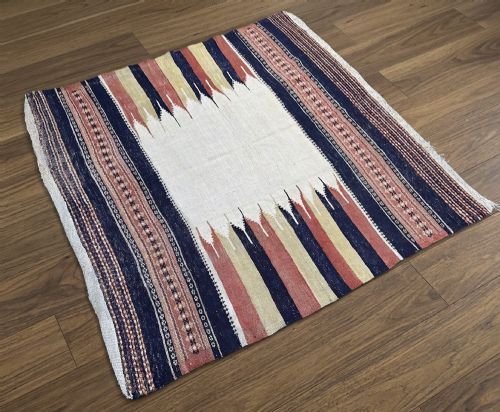
- A flatwoven or piled cloth utilised traditionally for domestic purposes such as preparing bread or gathering grain. These utilitarian textiles display striking minimalist geometries.
- Warps
- The vertical threads stretched lengthwise on the loom upon which the knots are tied and wefts passed. They form the foundational skeleton of any handmade carpet.
- Wefts
- The horizontal threads passed back and forth across the warps between rows of knots to secure the pile. Proper beating of these threads determines the density of the weave.
- Kilim
- A flatwoven textile produced without a raised pile by tightly interweaving warp and weft strands. These lightweight pieces were traditionally used as floor coverings and covers.
Tribal Carpet Persia: Frequently Asked Questions
How do I care for a vintage tribal carpet?
Vacuum gently without using a rotating brush roll to protect the aged wool pile from unnecessary friction. Professional cleaning should be undertaken periodically by specialists familiar with antique vegetable-dyed wools.
Keep the textile out of direct, prolonged sunlight to prevent fading of the natural indigo and madder tones. Utilising a breathable rug underpad helps prevent slippage and cushions the historic foundation against hard floors.
Are these carpets suitable for heavy hallway traffic?
Many examples woven by village and nomadic groups were built for robust daily use and withstand moderate corridor traffic well. Wool possesses natural lanolin that resists dirt and provides inherent resilience under pressure.
Heavily worn collector pieces or delicate flatweaves are better suited to lighter traffic areas or wall display. Assess the firmness of the foundation and density of the pile when choosing a location for your home.
How can I distinguish a nomadic rug from a city piece?
Nomadic carpets typically display geometric designs, hooked polygons, and spontaneous tribal motifs woven from memory. Their structures are often slightly less rigid and utilise deeply saturated natural dyes with charming local variations.
City carpets rely on precise floral curves, balanced medallions, and finely drafted cartoons executed by professional workshop ateliers. The foundation materials and knot density also tend to be much finer in urban workshop productions.
What causes colour variations within the same field?
Colour shifts known as abrash occur when a weaver switched to a freshly dyed batch of yarn partway through production. Because natural dyes react to temperature and botanical variations, matching an exact shade previously was nearly impossible.
Far from being a defect, this tonal graduation is celebrated by collectors as proof of authentic hand-dyeing processes. It gives the surface a shimmering, organic depth that synthetic dyes cannot replicate.