

Transferware Ceramics
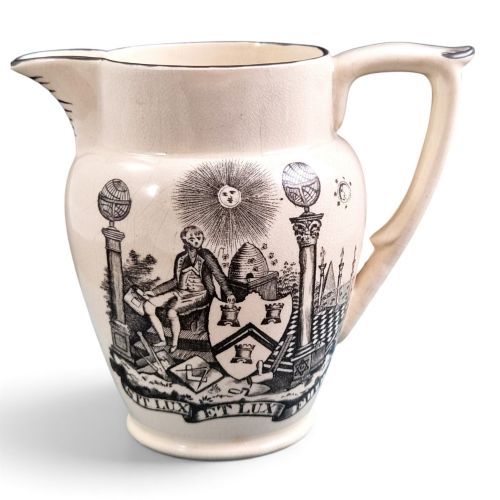
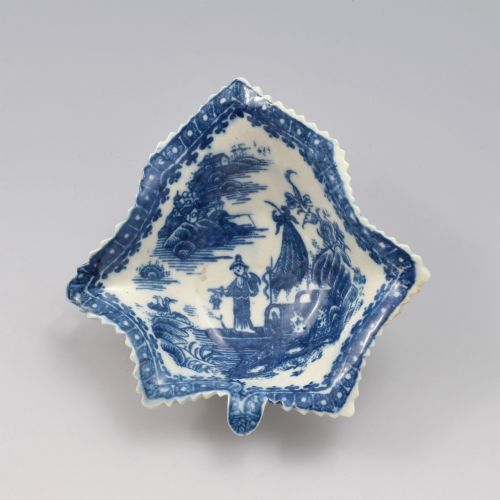
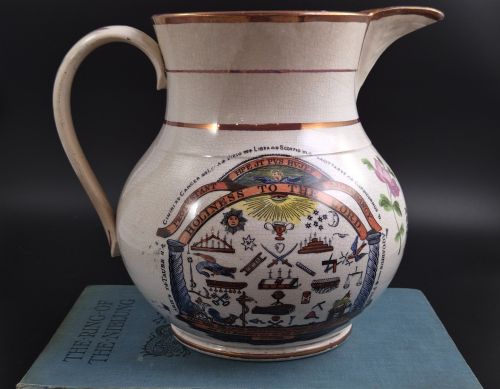
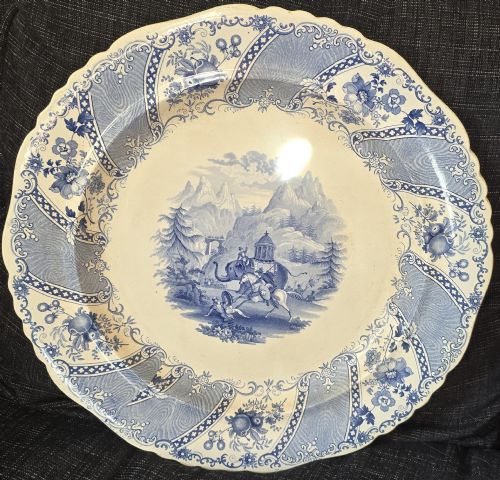
Transferware ceramics bring monochrome and polychrome printed scenes to earthenware, creamware, and ironstone across the Georgian, Victorian, and Edwardian periods.
Transferware Ceramics
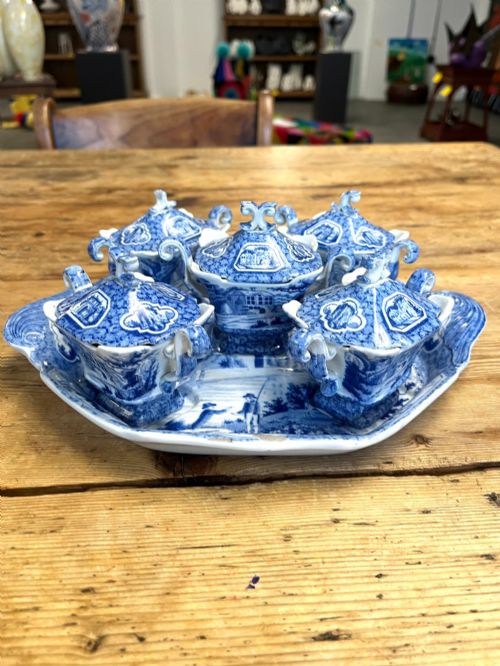
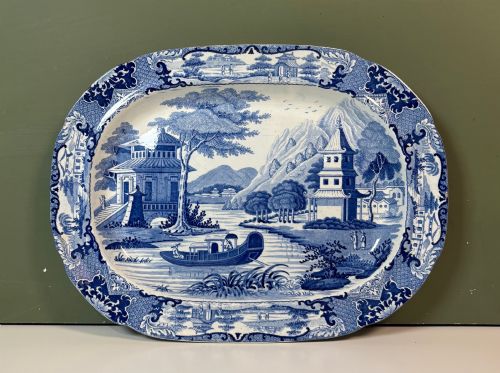
Transferware ceramics encompass functional and decorative vessels decorated with printed imagery transferred from a copper plate onto the pottery body. Buyers exploring transferware ceramics encounter utilitarian forms such as serving platters, tureens, jugs, and dinner plates.
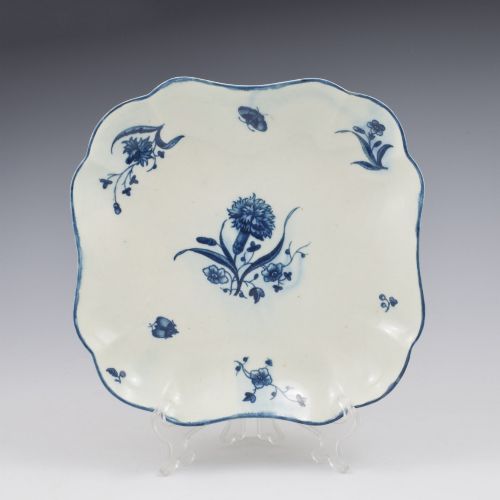
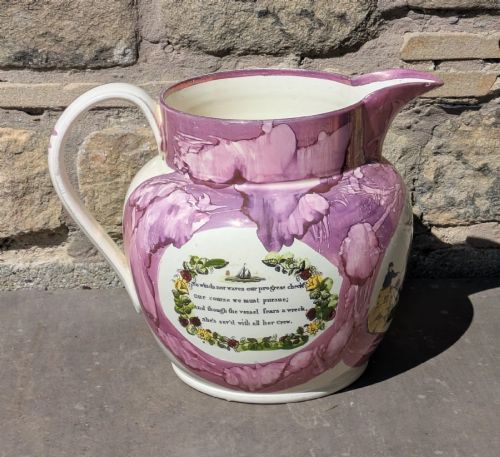
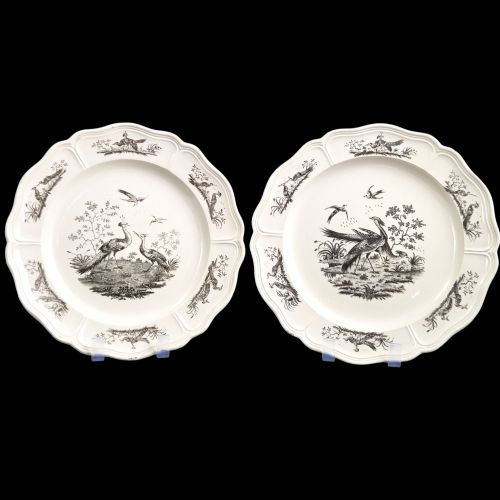
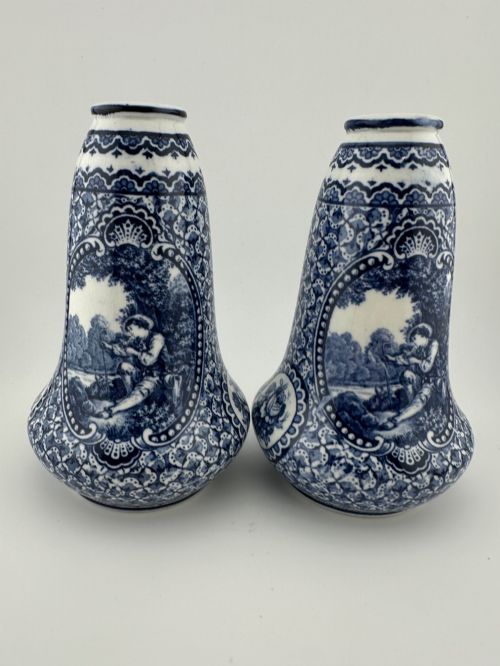
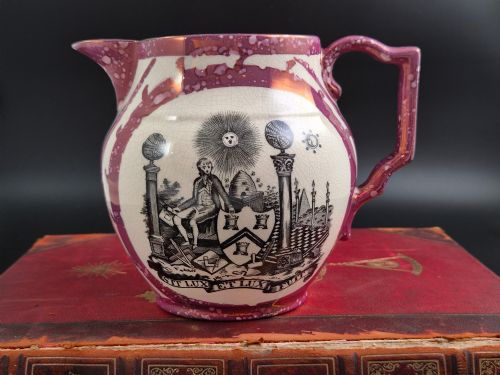
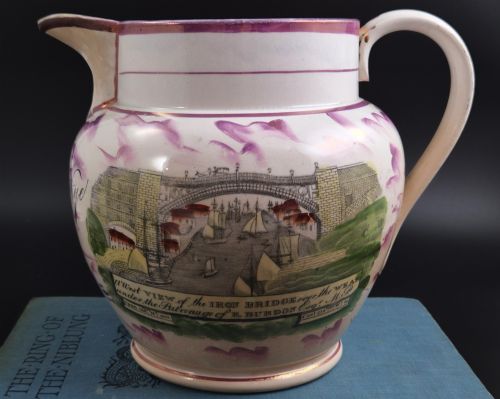
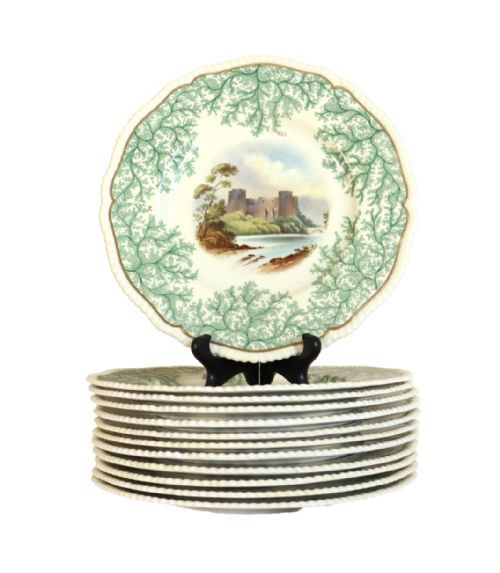
The pieces on this page span the Georgian, Victorian, and Edwardian eras, displaying subjects that range from pastoral landscapes and historical scenes to commemorative designs. Blue and white dominates the selection, alongside multi-coloured patterns and pink splash lustre variations.
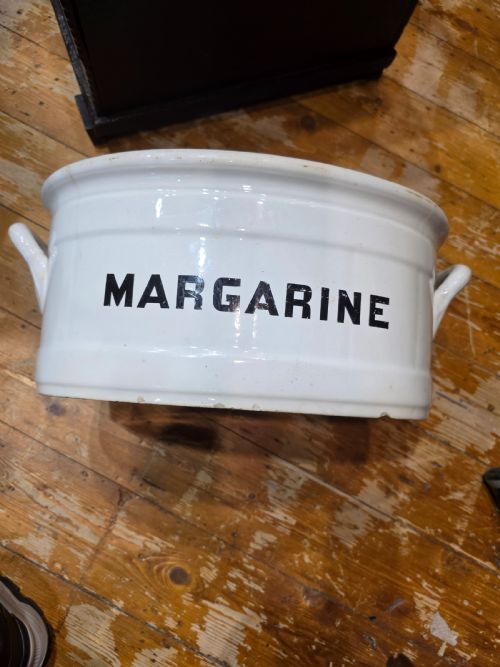
Makers such as Spode, Davenport, and Minton feature prominently among the recorded items, representing standard domestic production from Staffordshire and beyond. Forms vary from large meat plates and footbaths down to child's service sets and small trinket boxes.
How They Were Made
Potters formed these items using earthenware, creamware, pearlware, and ironstone bodies, applying a glaze to seal the porous clay surface before or after decoration. Enamel colours and gilt additions sometimes supplemented the primary printed design.
The central technique relied on engraving a design onto a copper plate, inking it, and transferring the impression onto tissue paper. Workers then pressed this paper onto the unglazed or bisque ceramic body to leave the pattern before firing.
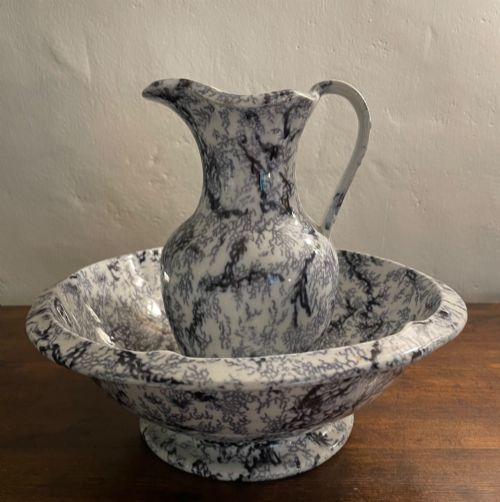
Flow blue pieces utilised the intentional diffusion of cobalt oxide vapour during the kiln firing to create a soft, blurred outline. Lustre wares incorporated metallic applications that produced a distinct iridescent sheen across the surface.
Transferware Ceramics Retail Price Guide 2026
Typical asking prices for transferware ceramics among the pieces listed under this phrase on Sellingantiques today, from the lower quarter to the upper quarter. They describe what is for sale here now, not the wider market.
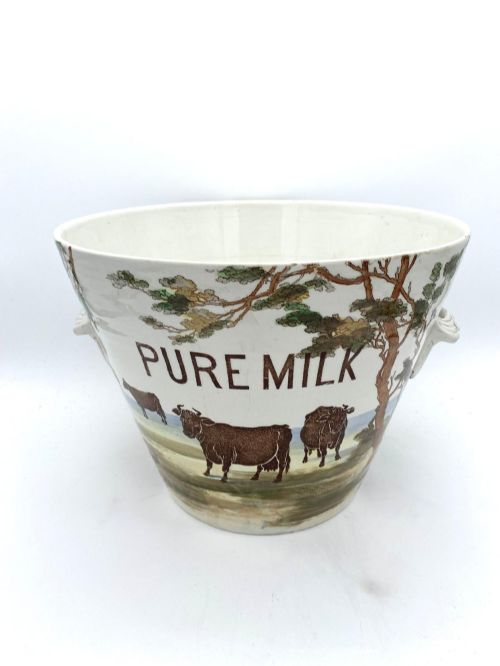
Cows on a milk pail and a bear meeting its end appear immortalised in blue and white.
What Varies in Quality
Clarity and registration of the printed transfer separate standard production from superior examples, with finer plates showing sharp lines without smudging or overlapping. The crispness of the underlying ceramic form, especially on moulded edge details and reticulated baskets, also marks the grade of the piece.
The complexity of the applied palette influences distinction, as monochrome prints require precise inking while polychrome enamel additions and lustre highlights demand careful secondary firings. Potteries such as Spode achieved notable consistency in body refinement and glaze smoothness.
William Smith And Co·Royal Bonn Franz Anton Mehlem·Spode·Caughley·Minton·Davenport·Robert Hamilton·John Rogers And Son·James Wallace And Co·J And R Clews·J And R Riley·Stubbs
The Transferware Ceramics Glossary
- Transferware
- Pottery decorated by transferring a printed design from an engraved copper plate onto the ceramic surface via tissue paper. This method allowed for intricate pictorial scenes to be replicated consistently across commercial production.
- Creamware
- A fine earthenware developed in the eighteenth century, possessing a pale yellow or cream-coloured glaze. It provided a smooth, light ground well-suited for early transfer printing.
- Pearlware
- An improved earthenware body introduced in the late eighteenth century featuring a bluish-tinted glaze designed to mimic the whiteness of Chinese porcelain. It frequently served as the base for early blue and white printed patterns.
- Flow Blue
- A style of transfer printing where volatile cobalt chlorides were introduced into the kiln atmosphere to blur the edges of the blue design. This created a distinctive hazy, bleeding effect popular during the Victorian period.
- Lustre Ware
- Pottery finished with a metallic glaze film that produces a reflective, iridescent surface appearance. Sunderland pink splash varieties utilised this technique to create mottled pink patterns.
Transferware Ceramics: Frequently Asked Questions
How do I clean transferware ceramics?
Wash these pieces gently by hand using lukewarm water and mild dish soap. Avoid abrasive scrubbers or modern dishwashers, which can dull the glaze and damage delicate enamel or gilt highlights.
Dry each item thoroughly with a soft cloth to protect the underlying earthenware body. Older pieces with crazing require particular care to prevent moisture penetration.
Can I use antique transferware for food?
Many transferware items remain physically robust enough for dining, but older glazes from the eighteenth and nineteenth centuries may contain trace amounts of lead. Modern food safety standards suggest limiting antique vessels to decorative display rather than daily service.
Pieces intended for dry foods or display, such as cake stands and decorative platters, present fewer practical concerns. Assess the surface condition for heavy wear before any culinary use.
What is the difference between creamware and ironstone?
Creamware is a refined, porous earthenware developed in the Georgian period with a warm, yellowish glaze. It prioritises lighter weights and delicate forms like plates and pierced baskets.
Ironstone is a much denser, heavier ceramic body patented in the nineteenth century for durability. It withstands heavier kitchen use and forms robust jugs, footbaths, and large platters.
How do I date flow blue pottery?
Flow blue transferware dates predominantly from the Victorian era, spanning the mid-nineteenth century onwards. Makers' marks on the underside often narrow down the specific decade of manufacture.
Stylistic cues in the patterns, such as heavy floral sheet motifs or romantic landscape scenes, also help assign pieces to specific periods. Comparing the glaze colour and body weight against known factory timelines confirms the age.