

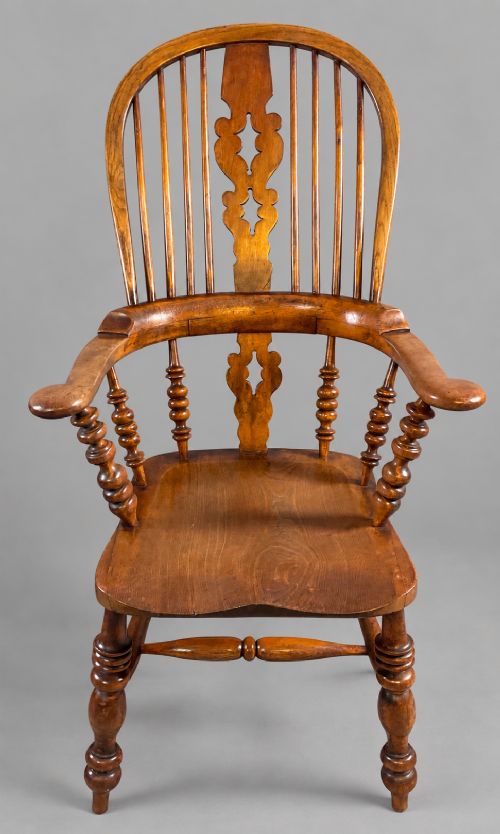
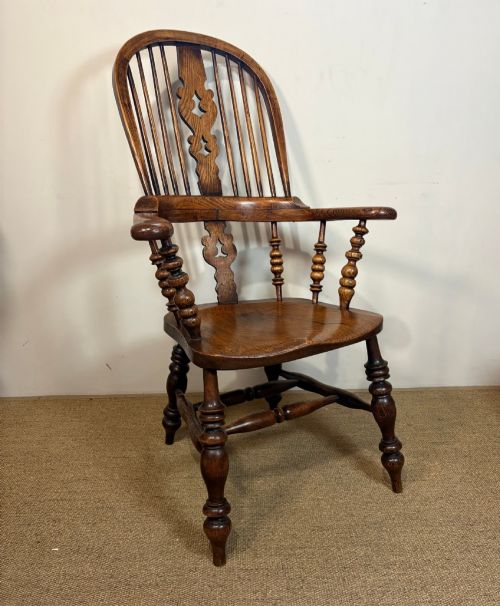
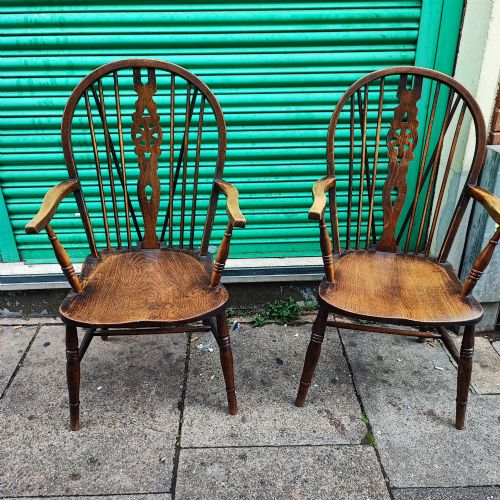
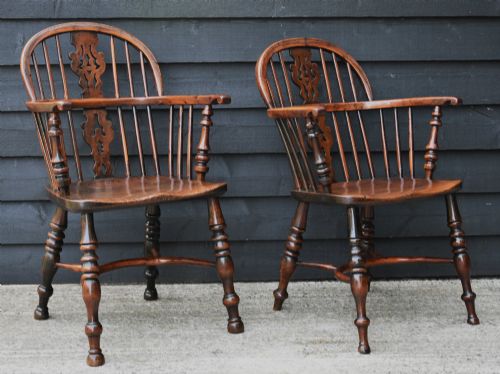
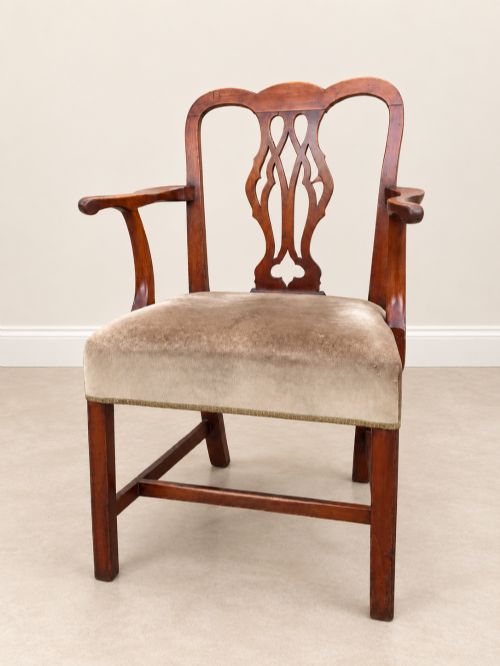

Traditional Yew Wood Chair
A traditional yew wood chair offers enduring comfort and rich figuring, bringing centuries of English country craftsmanship into a modern interior.
Traditional Yew Wood Chair
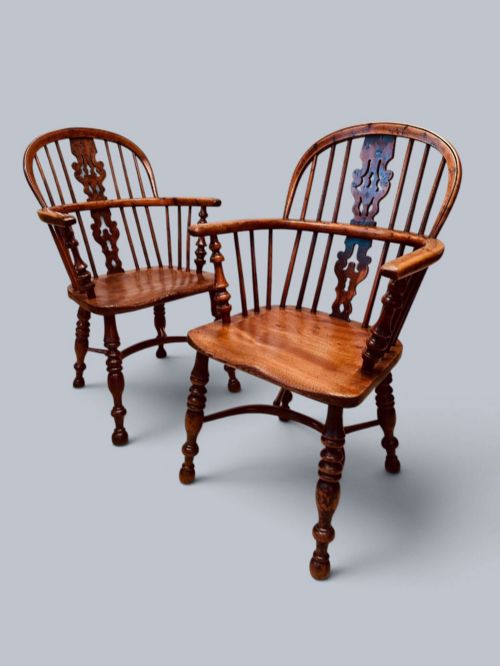
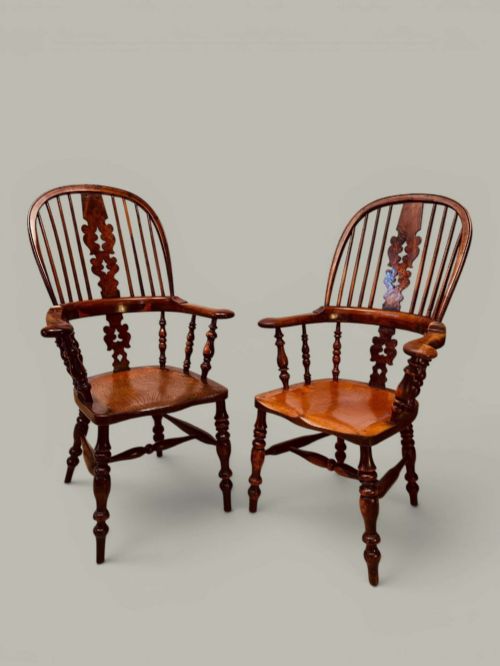
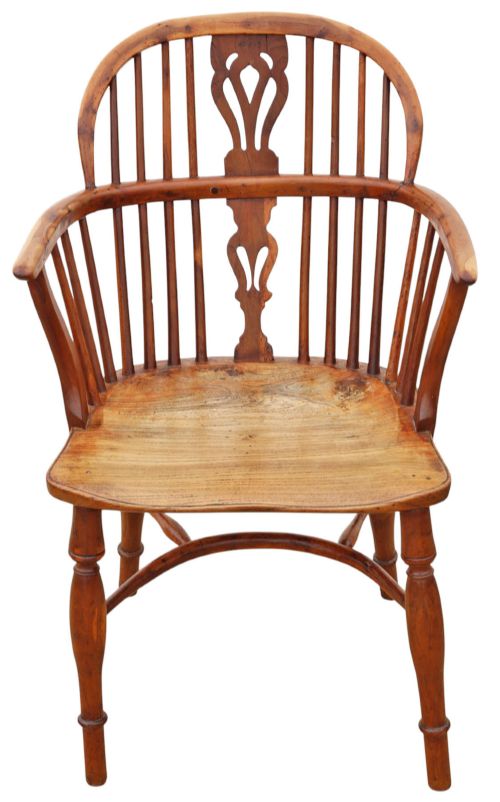
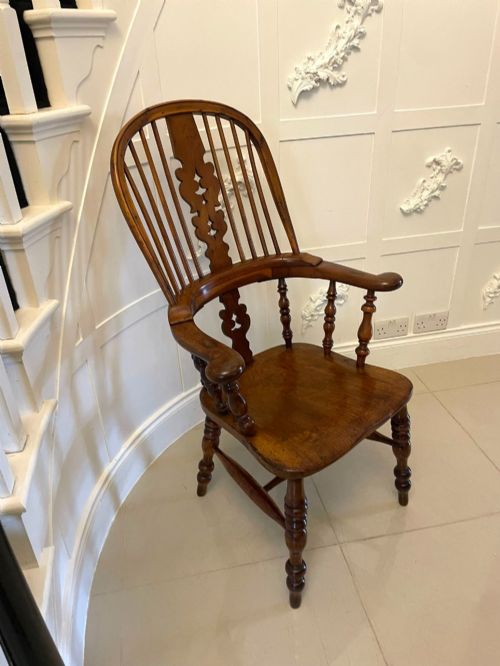
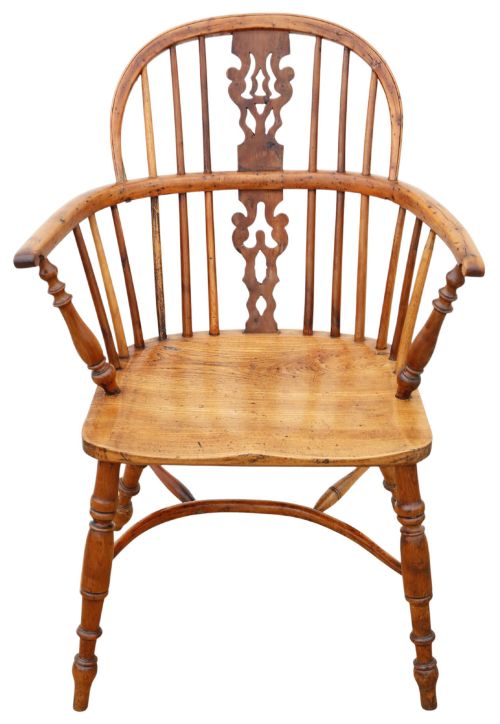
Buyers frequently find armchairs, carver chairs, and matched dining sets configured in low back, high back, comb back, and hoop back formats. Makers utilised robust regional traditions, pairing yew wood with elm seats and ash or beech structural components to create enduring seating.
How they were made
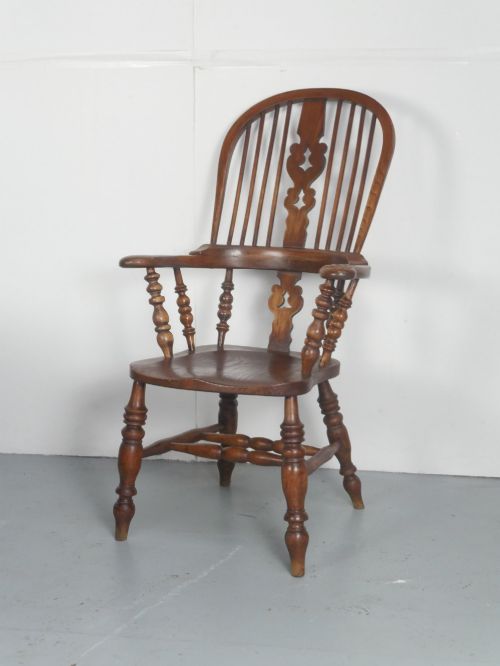
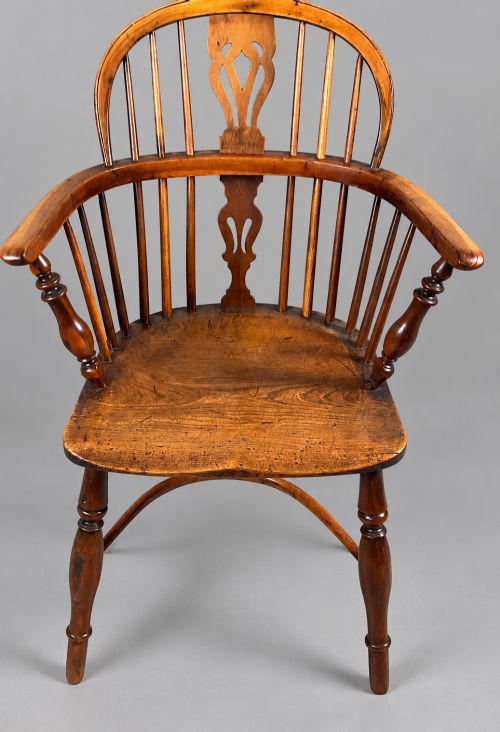
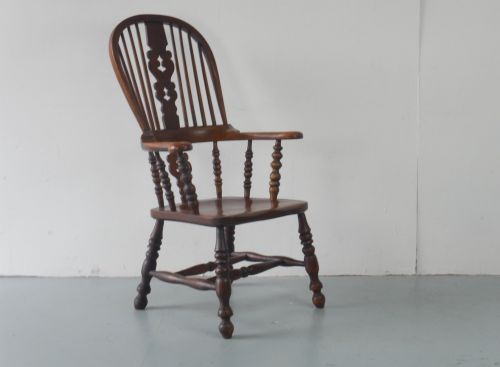
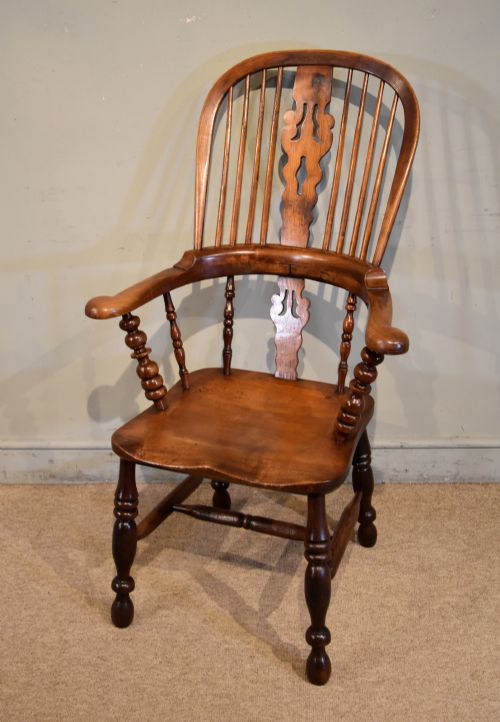
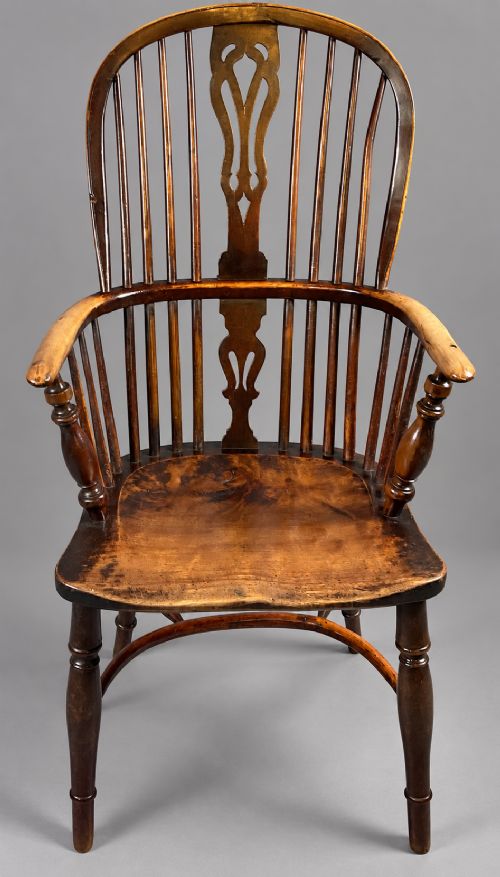
Craftsmen built these chairs using a combination of turned spindles and solid plank seats carved from elm, into which the legs and back bows were wedged and secured. The distinctive grain of yew wood was selected for prominent parts like arm bows and back splats, while ash and beech provided the necessary strength for legs and stretchers.
Makers shaped the timber using traditional pole lathes and drawknives, assembling the frames with wedge-tenon joints rather than metal fixings. Secondary timbers such as fruitwood, laburnum, and oak appear in specific regional variations, reflecting the local woods available to the vernacular workshop.
Traditional Yew Wood Chair Retail Price Guide 2026
Typical asking prices for traditional yew wood chair among the pieces listed under this phrase on Sellingantiques today, from the lower quarter to the upper quarter. They describe what is for sale here now, not the wider market.
Listings feature yew wood, elm, ash, beech, oak, fruitwood, and laburnum across eighteenth and nineteenth-century forms.
What varies in quality
Quality rests upon the visual richness of the yew timber and the complexity of the spindle turnings, particularly in the arm supports and crinoline stretchers. Master craftsmen selected boards with deep figuring and warm natural tones, shaping the saddle seat with generous proportions and harmonious proportions.
The integrity of the construction distinguishes superior examples, where the wedged joints remain tight and the original timber retains its honest surface patination. Stamped maker marks from regional workshops add notable provenance, separating standard vernacular production from identified master makers.
Gabbitass of Worksop·J Spencer·John Brand of Sleaford·Rockley maker
The Traditional Yew Wood Chair Glossary
- Windsor chair
- A chair built with a solid wooden saddle seat into which the legs and back spindles are independently inserted. This form dominates the English vernacular tradition.
- Crinoline stretcher
- A curved metal or wooden brace linking the legs of a Windsor chair to provide structural rigidity. It often takes a graceful bowed shape.
- Comb back
- A Windsor chair back design where the central vertical spindles rise to support a top rail resembling the teeth of a comb. This style frequently appears on eighteenth-century examples.
- Broad arm
- An armchair featuring wide, flattened wooden armrests designed for writing or comfort. These generous arms are typically shaped from a single solid piece of timber.
- Vernacular
- Objects designed by regional artisans for practical utility rather than strict adherence to academic architectural styles. These pieces utilise local materials and time-tested methods.
Traditional Yew Wood Chair: Frequently Asked Questions
Where were these chairs made?
These chairs were produced across English regional workshops, particularly in country districts where timber such as yew, elm, and ash grew in abundance.
Local turners and joiners supplied country houses and farmhouses with durable seating tailored to regional tastes.
How do I identify a Windsor chair?
A Windsor chair is defined by its construction method, where the legs and back components are fitted directly into holes bored through a thick solid wooden seat.
Unlike upholstered furniture, the structural wood remains entirely visible, often showcasing combinations of yew, elm, and beech.
How do I care for yew wood furniture?
Yew wood furniture benefits from a stable indoor environment away from direct heat sources and strong sunlight, which can dry out the timber.
Routine dusting with a soft cloth and occasional application of traditional beeswax helps maintain the natural lustre of the patinated surface.