

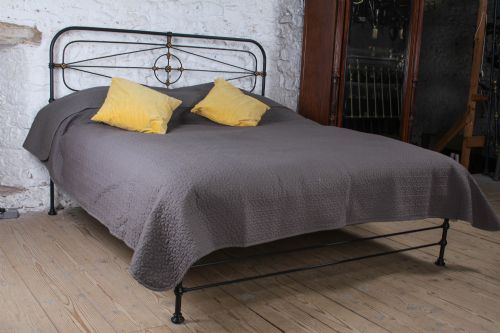
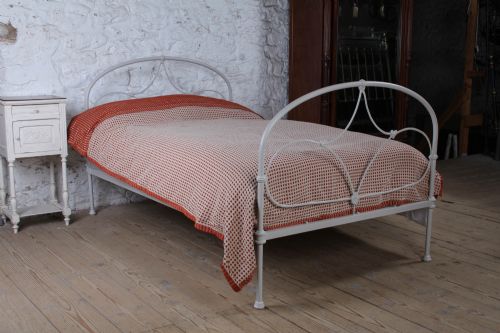
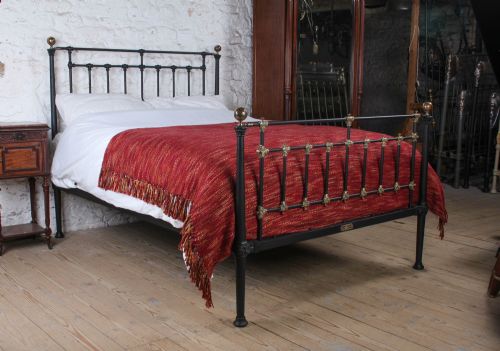
Traditional Wrought Iron Bed
A traditional wrought iron bed offers robust construction and enduring charm, making it a practical and handsome focal point for any bedroom.
Traditional Wrought Iron Bed
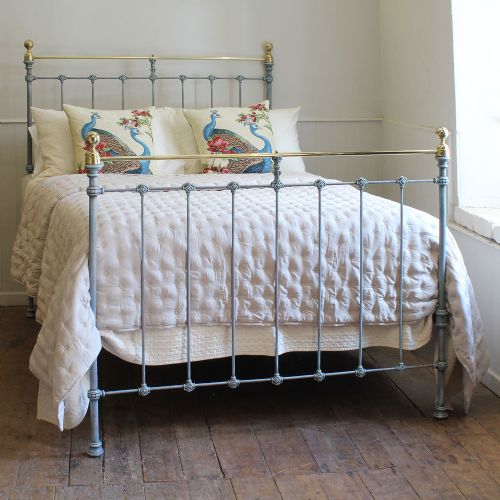
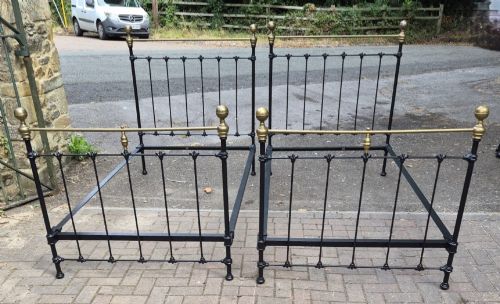
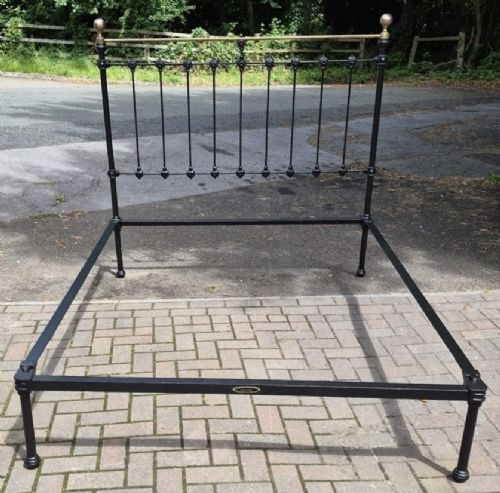
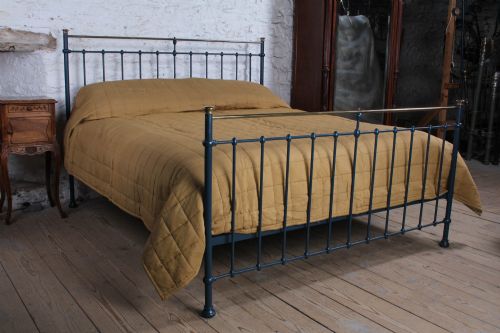
A traditional wrought iron bed combines heavy metal framing with structural durability, providing a sturdy framework for daily rest. When searching for a traditional wrought iron bed, buyers encounter a variety of sizes ranging from narrow single frames to expansive king and super king dimensions.
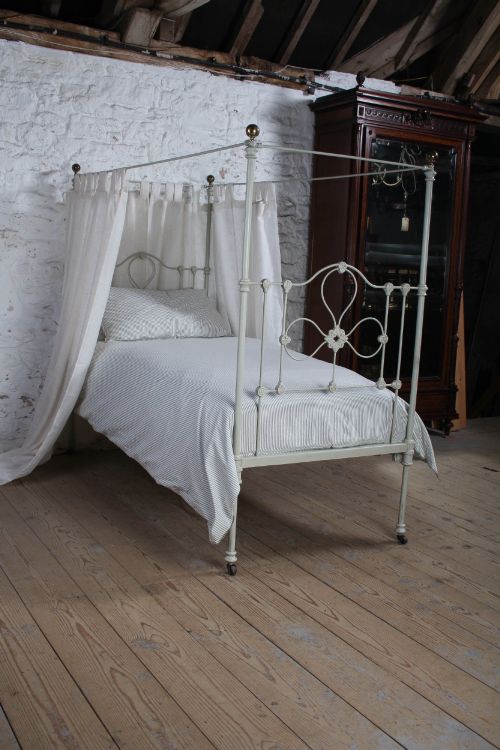
The pieces available span several decades, with Victorian examples appearing alongside items from the Edwardian era and the early twentieth century. Common configurations include traditional bedsteads, full frames, and no end designs that suit modern mattresses.
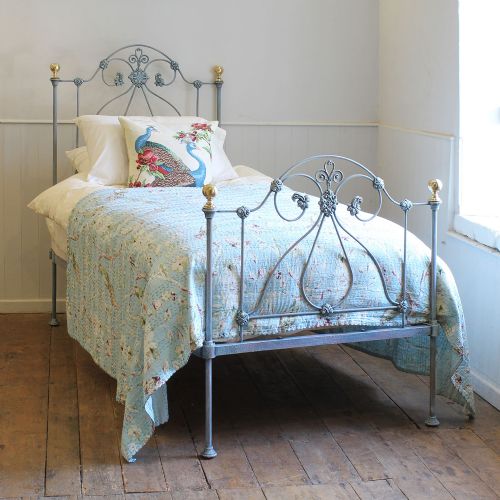
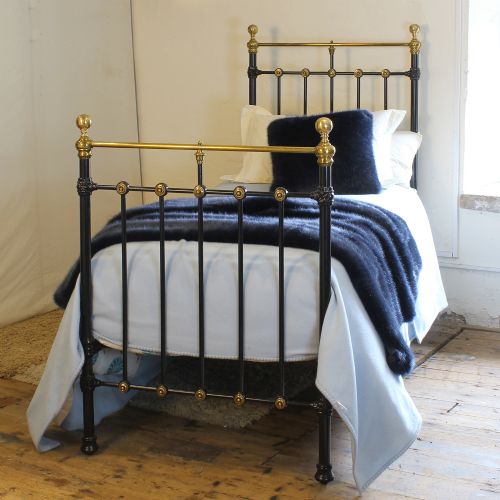
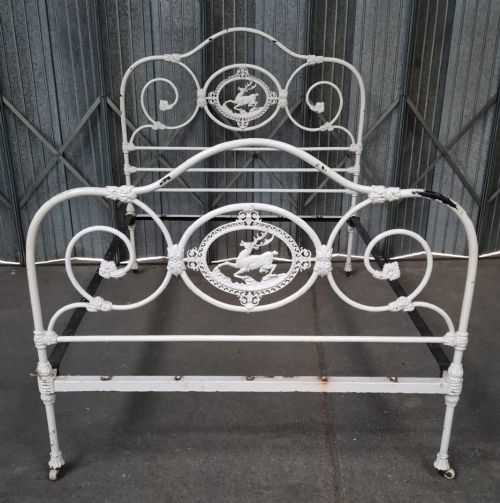
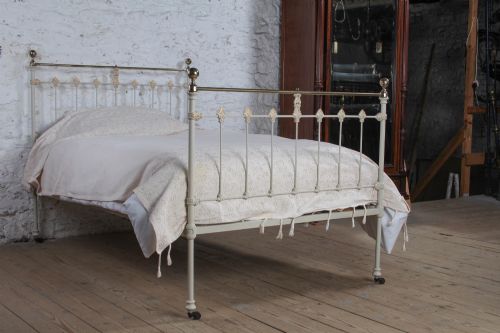
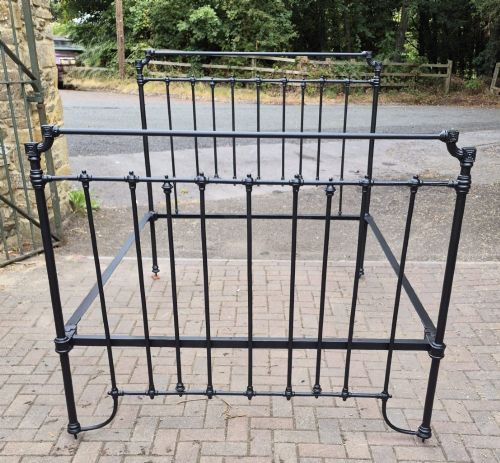
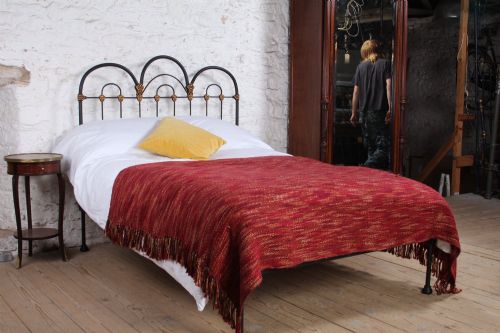
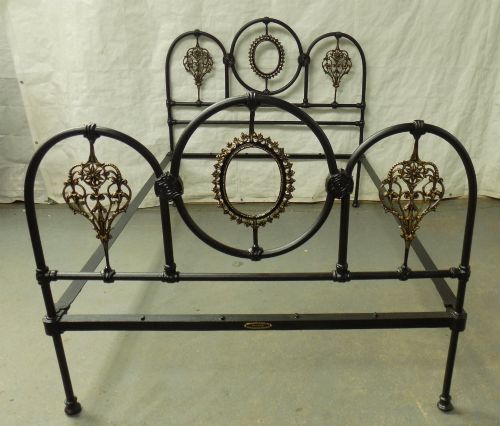
Regional styles also emerge within this selection, featuring French Country, Portuguese Country, and Celtic Revival designs alongside standard Victorian aesthetics. Many examples incorporate brass components, painted finishes in black or ivory, and distinctive scrollwork or tapered posts.
How they were made
Makers utilised forged iron, cast iron, and steel to construct the primary skeletons, often combining these metals with brass finials, spindles, and rails. Wrought iron and forged iron elements were shaped by hand to create the structural curves and decorative framing.
Surface treatments typically involved applied paint finishes, frequently seen in black, ivory, or painted metal variations that protected the underlying iron from corrosion. Brass embellishments were polished or cast separately and attached to the main iron structure to provide contrast.
Listings feature periods from eighteen sixty to nineteen twenty, alongside materials such as cast iron, wrought iron, brass, steel, and painted metal.
What varies in quality
Quality in these beds rests upon the precision of the ironwork and the integrity of the joints, where hand-forged details demonstrate superior craftsmanship compared to mass-produced alternatives. The weight and thickness of the iron frame dictate the overall sturdiness and longevity of the piece.
The refinement of decorative elements, such as ribbon reeds, tapered posts, and cast brass finials, distinguishes finer examples from simpler utilitarian frames. Furthermore, the condition of the original paint and the secure attachment of brass components influence the overall integrity of the bedstead.
Winfield
The Traditional Wrought Iron Bed Glossary
- Bedstead
- The framework of a bed consisting of posts, rails, and headboards designed to support a mattress and base.
- Finial
- A decorative ornament fixed to the top of a bed post or rail.
- Spindle
- A turned or shaped vertical rod of iron or brass used within the headboard or footboard.
- No end bed
- A bed frame designed without a high footboard, creating an open appearance suitable for longer mattresses.
Traditional Wrought Iron Bed: Frequently Asked Questions
What sizes do these beds come in?
These beds are available in various dimensions, including single, three-quarter, double, king, and super king sizes to accommodate modern mattresses.
Buyers also find pairs of single beds that can be joined together or lined up alongside one another.
How do I care for an iron bed?
Maintenance involves dusting the iron framework regularly with a soft cloth and checking the structural joints to ensure they remain tight.
For painted metal surfaces, avoid harsh chemical cleaners to preserve the original finish.
Can modern mattresses fit these frames?
Most of these historic bed frames accommodate standard modern mattress sizes, particularly the king and double variants.
No end designs offer extra length flexibility for taller sleepers using contemporary mattresses.
What periods are represented?
The selection includes pieces from the Victorian and Edwardian eras, spanning from the mid-nineteenth century into the early twentieth century.
Specific production dates recorded across the inventory range from eighteen sixty through to nineteen twenty.