


Green Painted Bed Frame
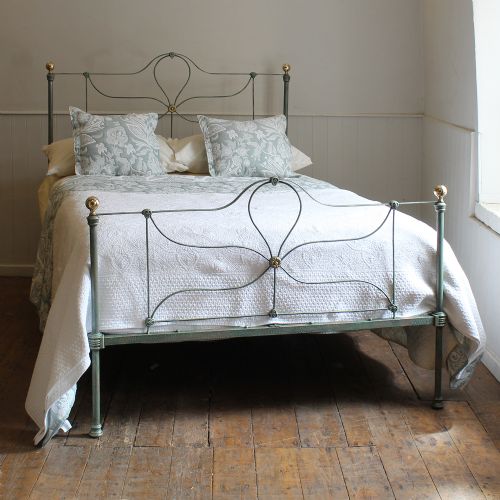
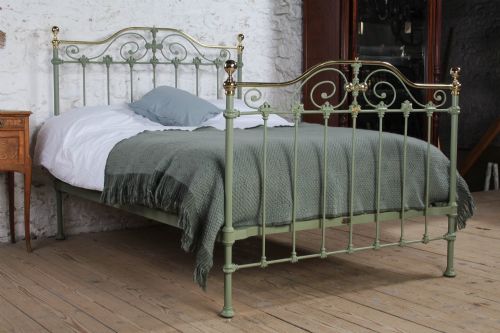
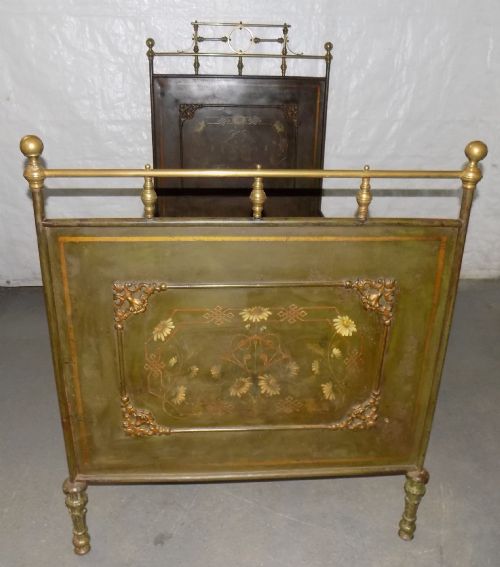
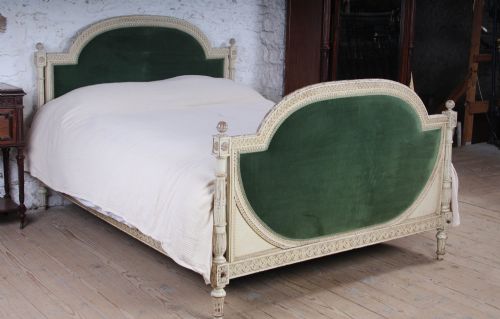
These green painted bed frame examples bring together iron, brass and wood across Victorian, French and regional styles.
Green Painted Bed Frame
A green painted bed frame combines structural metal or timber with painted finishes ranging from verdigris and toleware to distinct period colourations. These pieces span single, double and king sizes, accommodating various room proportions through distinct nineteenth and early twentieth century designs.
The selection on this page centres upon Victorian, French and regional styles including Louis XV, Regency and Portuguese influences. Iron and brass combinations sit alongside all iron frames, day beds and four poster structures.
Buyers frequently encounter double and king size iron or brass variants alongside single size toleware and painted wood frames. These items reflect origins stretching from Britain and Ireland to France, Austria and Portugal.
Materials and construction methods
Construction relies upon cast iron, wrought iron and brass elements assembled into durable bedstead frameworks. Many examples incorporate painted wood, toleware and upholstered sections finished with velvet.
Surface treatments involve applied paint finishes, notably green verdigris and painted wood surfaces, alongside polished brass details. Structural joining methods reflect nineteenth and early twentieth century metalworking and woodworking traditions.
Listings feature iron, brass, painted wood and velvet materials across periods spanning from 1870 to 1930.
Distinctions in quality and execution
Quality reveals itself in the delicacy of brass detailing, the precision of iron casting and the integrity of the painted surface. Superior examples demonstrate careful balance between structural metalwork and decorative ornamentation.
Finer pieces exhibit sophisticated regional or stylistic attributes, such as refined French rococo shaping or precise Regency proportions, which elevate standard utility frames into distinctive decorative centerpieces.
R W Winfield·Harrods·Syrie Maugham
The Green Painted Bed Frame Glossary
- Verdigris
- A green patina or crust that forms on copper, brass or bronze through natural weathering or chemical treatment. This finish provides an aged visual depth on antique metal surfaces.
- Toleware
- Painted or lacquered metalware, typically tinplate, developed in household and decorative objects. It often exhibits a durable pigmented finish.
- Four poster bed
- A bed with four vertical columns supporting a tester or canopy frame above. Regency and earlier iterations incorporate painted wood structures.
- Day bed
- A form combining elements of a chair and a bed, suitable for lounging and sleeping. Examples include surrealist interpretations and classical frameworks.
- Bedstead
- The framework of a bed supporting the mattress and springs, distinct from the bedding itself. These structures utilise iron, brass and wood.
Green Painted Bed Frame: Frequently Asked Questions
What periods do these beds come from?
The available pieces span the nineteenth century and the early twentieth century, specifically covering decades from the 1870s through to the 1930s.
Production methods and aesthetic choices shift across these periods, moving from robust Victorian ironwork to lighter French styles and experimental twentieth century day beds.
How do I choose the right size?
Sizes range from large single bedsteads and small double formats up to standard double and king size options. Consider both your available floor space and the physical proportions of the frame.
Larger four poster or upholstered designs require more visual clearance in a room than simpler iron single beds.
What materials were used to build them?
Frameworks primarily utilise cast iron, wrought iron and brass, frequently complemented by painted wood and toleware components. Some variants include upholstered sections finished in velvet.
Surface treatments rely heavily on specialised paint applications, including green verdigris and custom painted wood finishes.
How do regional styles differ?
Regional variations encompass French rococo and Louis XV influences, Portuguese regional details, Austrian toleware, and British or Irish ironwork traditions. Each origin brings distinct decorative motifs and structural proportions.
French pieces often emphasise curved upholstered forms, whereas Irish and British examples highlight robust iron and brass construction.