

Traditional Writing Cabinet
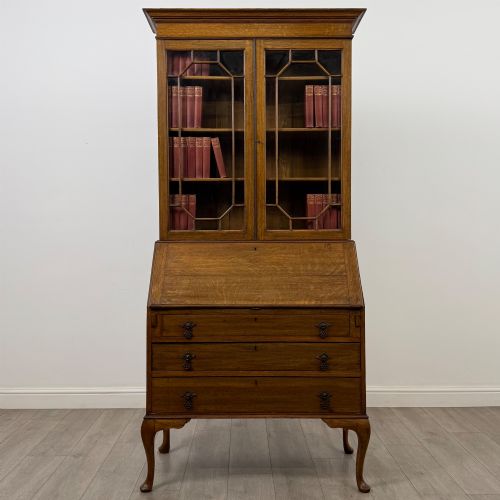
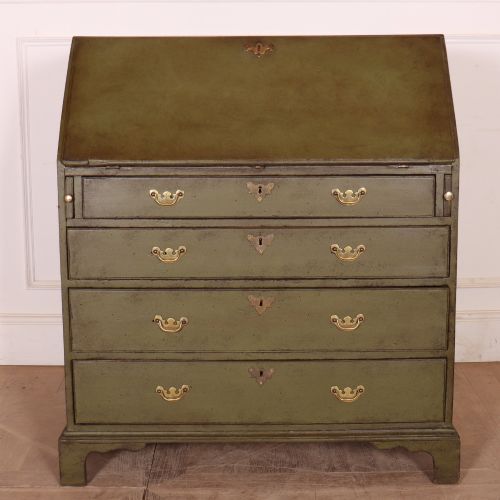
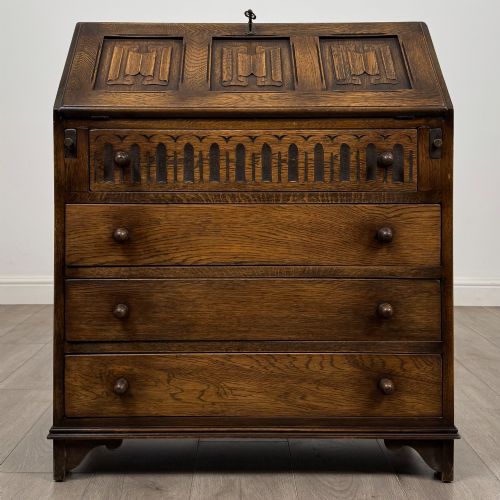
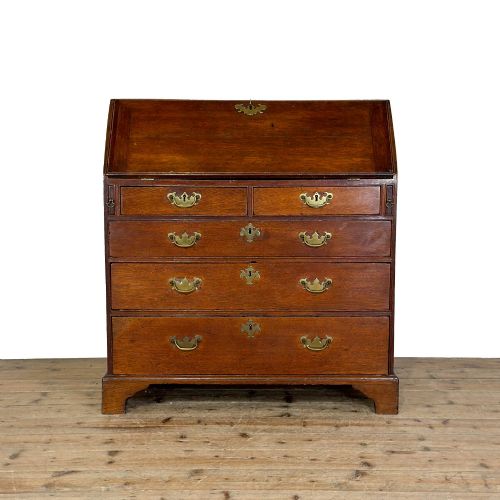
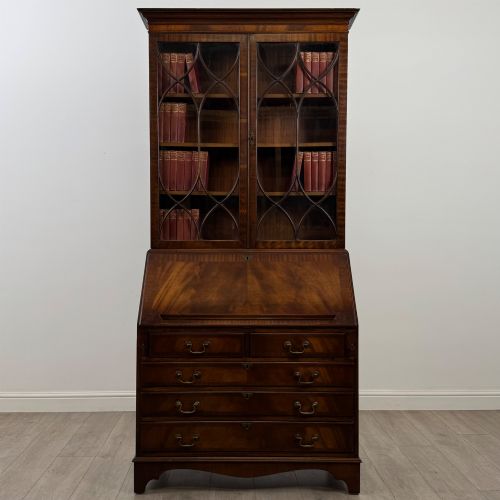
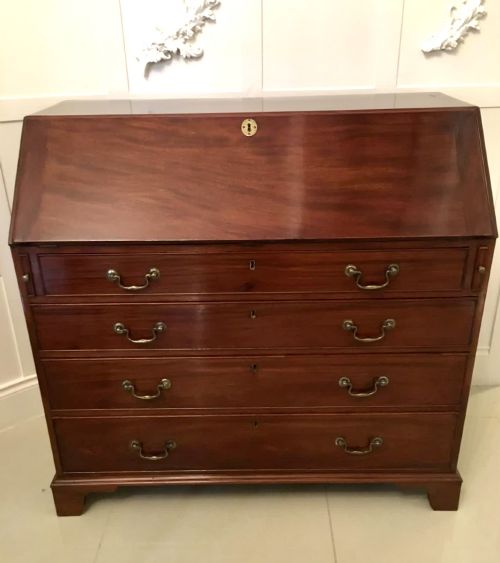
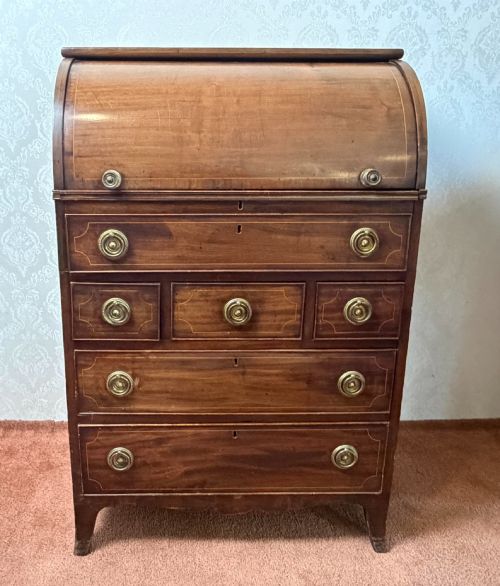
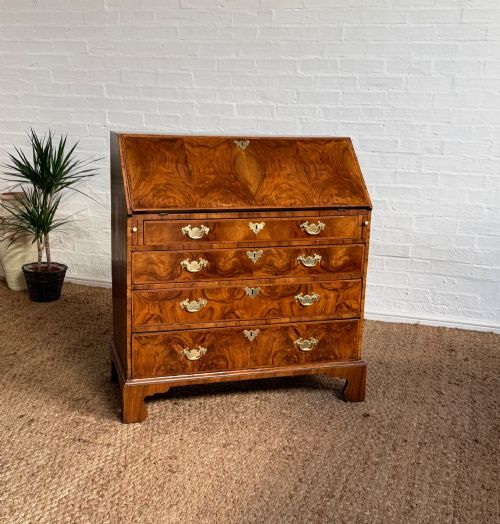
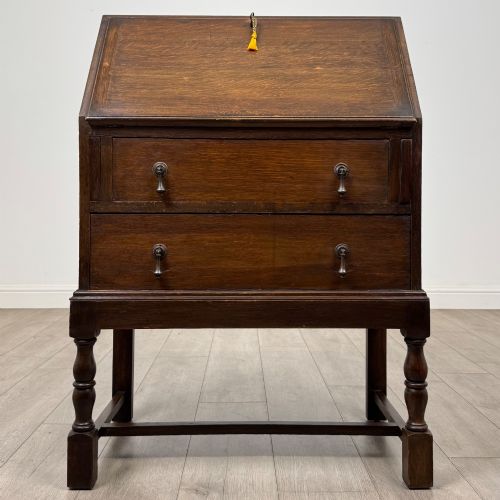
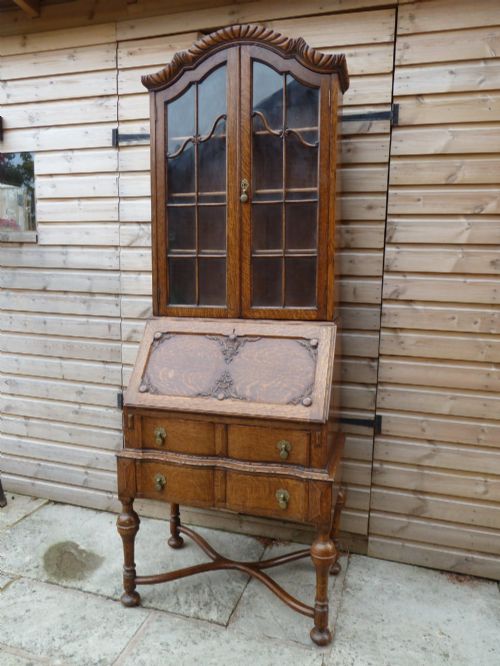
A traditional writing cabinet is a piece of fitted furniture designed for correspondence, appearing here in forms ranging from compact fall-front desks to tall bureau bookcases.

Traditional Writing Cabinet
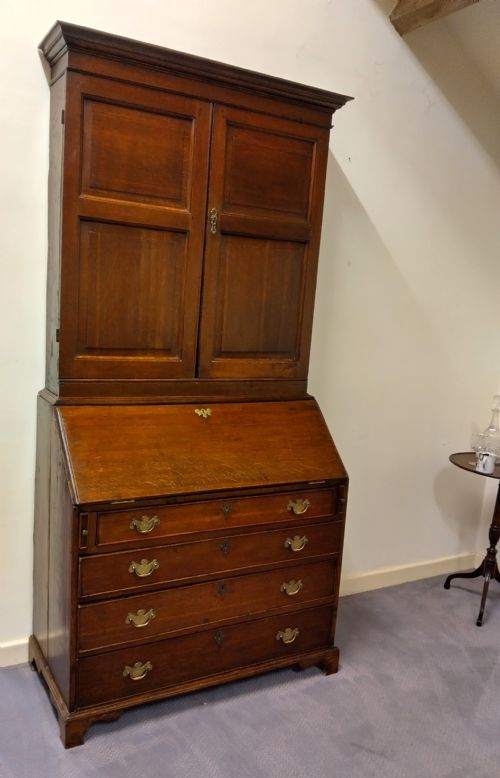
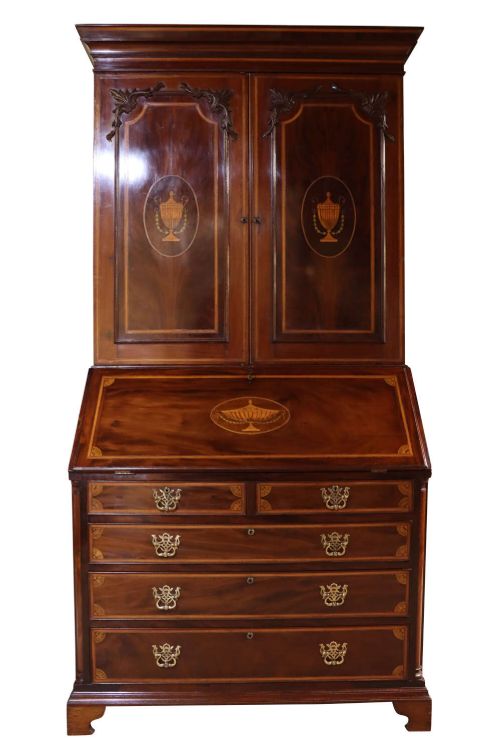
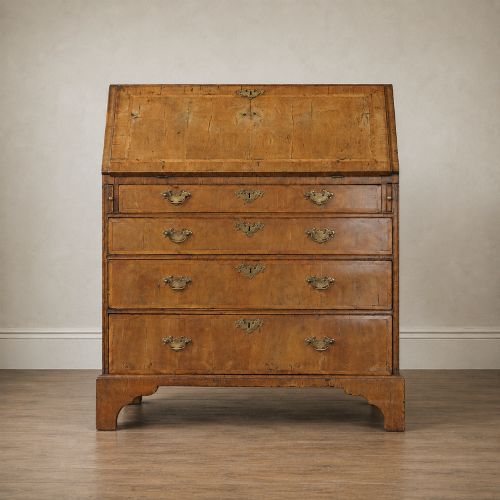
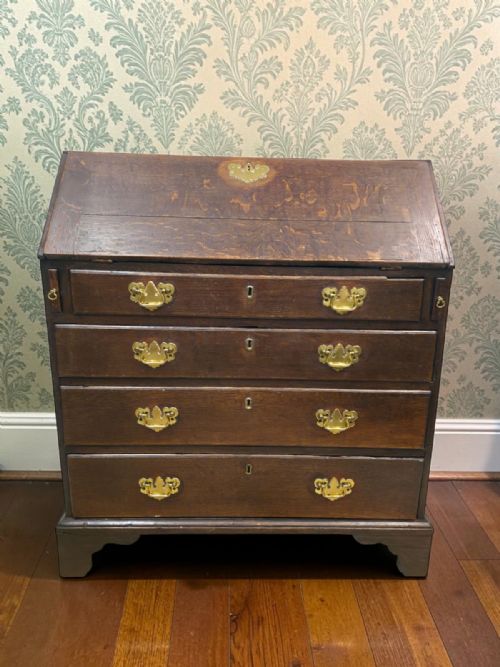
A traditional writing cabinet brings together storage and a dedicated writing surface, most frequently taking the form of an oak or mahogany bureau or a bureau bookcase. These pieces span periods from the seventeenth century through to the Edwardian era, incorporating styles such as Georgian, Regency, and Jacobean Revival.
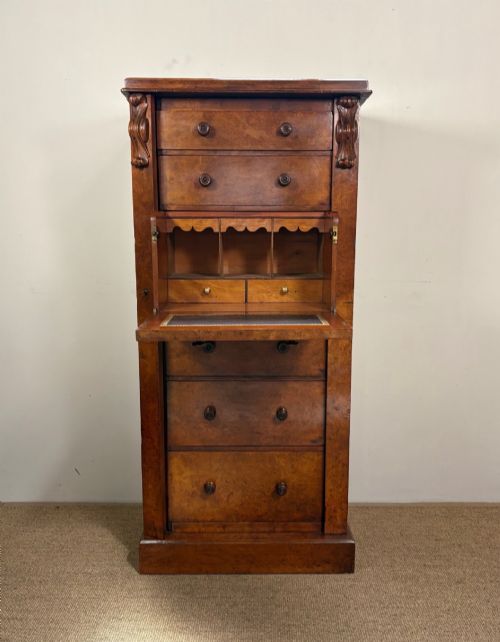
Buyers seeking a traditional writing cabinet will find numerous examples in oak, walnut, and mahogany, often fitted with internal pigeonholes and small drawers. Some variants combine shelving above with a sloping fall front, while others adopt the compact proportions of a Davenport or a secretaire chest.
Materials and Construction
Cabinet makers relied primarily on solid hardwoods such as oak, mahogany, and walnut, frequently enhancing surfaces with burr veneers, marquetry, or inlaid brass details. Structural integrity relied on traditional joinery, with internal fittings constructed from secondary timbers to support the pigeonholes and drawers.
Writing surfaces were often lined with leather or fabric to provide a smooth plane for ink and paper. Exterior finishes included polished wood and painted surfaces, supplemented by brass handles, escutcheons, and hinges.
Listings feature woods including oak, mahogany, walnut, burr walnut, Brazilian rosewood, burr elm, and painted wood.
Factors Determining Quality
Quality in a traditional writing cabinet rests on the selection of timber and the precision of the cabinet work, particularly around the fall front and internal compartments. Figured veneers, balanced grain patterns, and crisp carving distinguish finer workshop output from simpler vernacular pieces.
The degree of original hardware, the complexity of internal secret compartments, and the overall coherence of proportions dictate the standing of an individual piece. Alterations or adaptations to later uses affect the integrity of the construction.
Gillow & Co·J A Mein
The Traditional Writing Cabinet Glossary
- Bureau
- A desk featuring a sloping hinged lid that drops down to form a writing surface, concealing small drawers and pigeonholes inside. This form is central to many traditional writing cabinets.
- Secretaire
- A cabinet or chest containing a drawer or compartment that pulls down or out to reveal a writing desk fitted with stationery compartments. These range from compact Wellington chests to tall bookcase combinations.
- Fall Front
- A hinged panel that closes vertically against the front of a desk or cabinet and lowers into a horizontal position for writing. It forms the primary closure for many traditional bureaus.
- Tambour
- A sliding shutter made from narrow strips of wood glued to a canvas or leather backing, allowing a curved desktop or compartment to open smoothly. This mechanism appears on select Georgian writing desks.
- Marquetry
- Decorative veneer work formed by fitting pieces of different woods, metals, or shell into a background veneer to create pictorial or floral patterns. It is seen on select eighteenth-century Dutch and revival cabinets.
Traditional Writing Cabinet: Frequently Asked Questions
How do I use a bureau daily?
Lower the fall-front flap to reveal the internal writing surface and pigeonholes for correspondence.
Close the lid when finished to conceal papers and maintain a tidy room.
What is a bureau bookcase?
A bureau bookcase combines a lower writing desk with an upper shelving section enclosed by doors.
This dual-purpose form provides both workspace and storage for books or papers.
How do I date an oak bureau?
Examine the construction methods, timber choice, and hardware style against known period characteristics.
Early seventeenth and eighteenth-century pieces often display vernacular hand-carving and solid oak construction, whereas Edwardian revivals utilise machine-cut elements.
What is a Davenport desk?
A compact form of writing desk featuring a sloping top and drawers opening to the side.
First produced in the nineteenth century, it offers a small footprint for writing without sacrificing storage.