







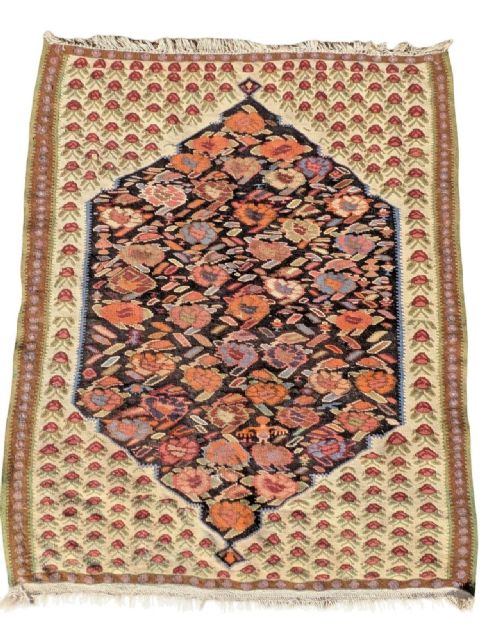
Traditional Woven Runner Carpet
These traditional woven runner carpets bring enduring pattern and texture to hallways, drawing on wool, silk and natural dyes.
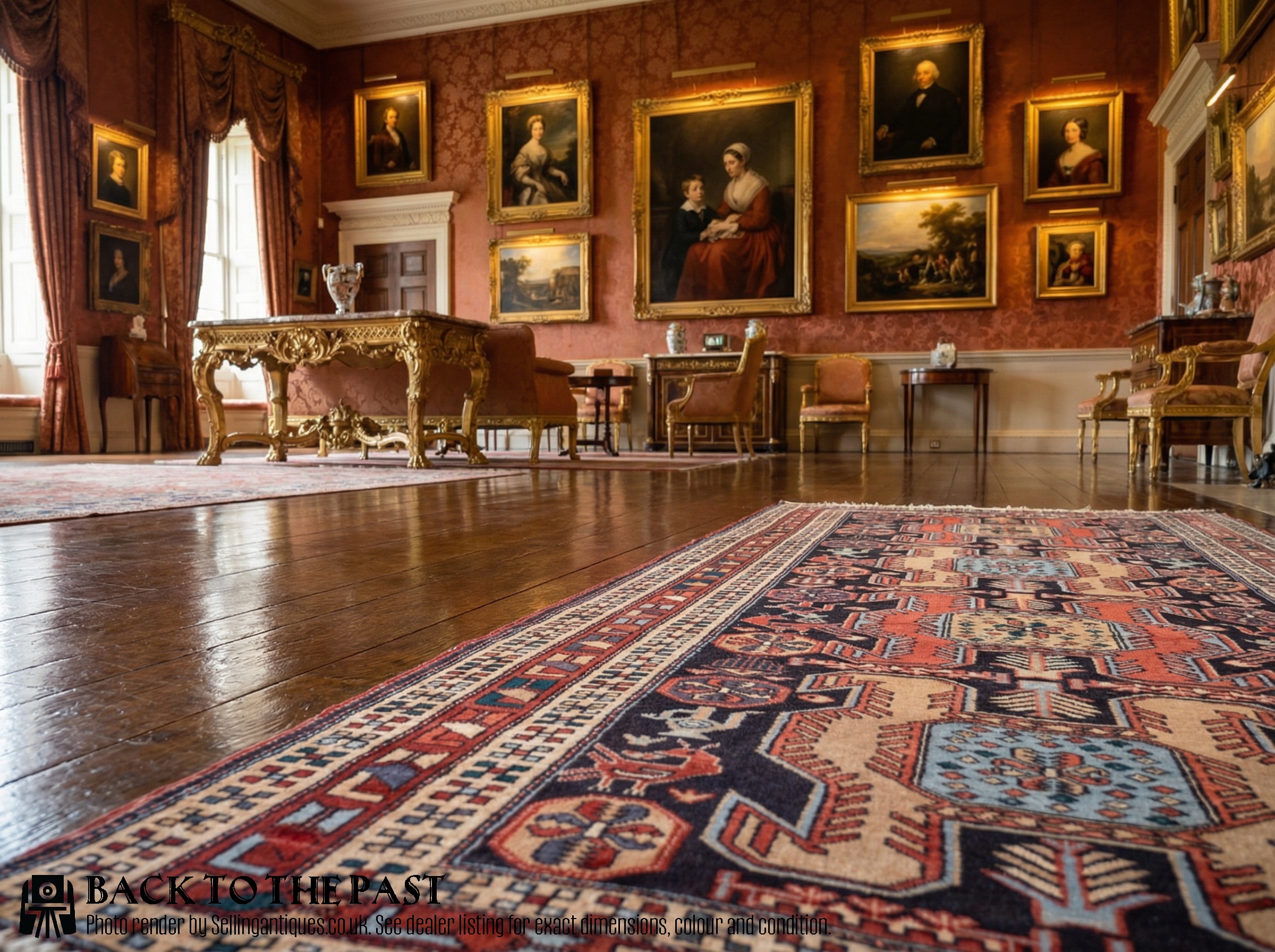
Traditional Woven Runner Carpet
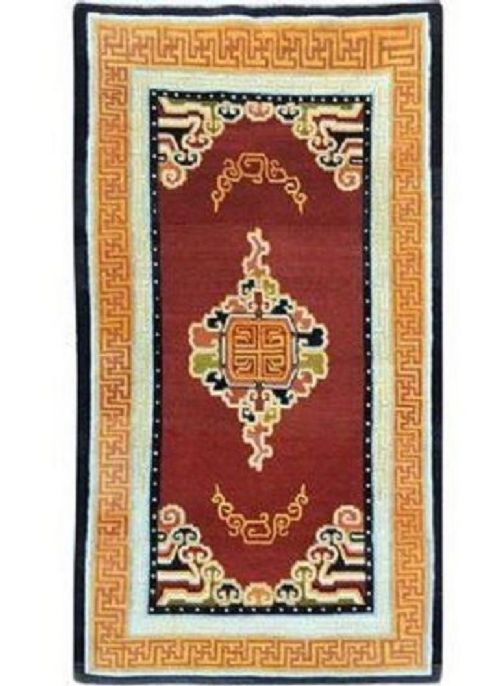
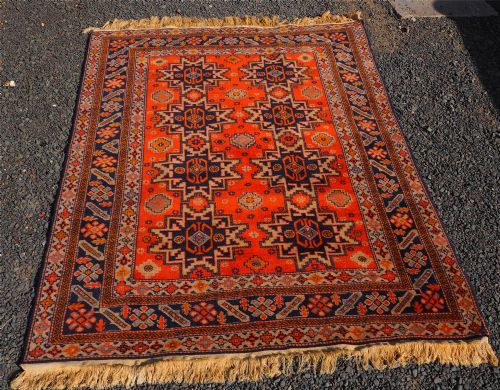
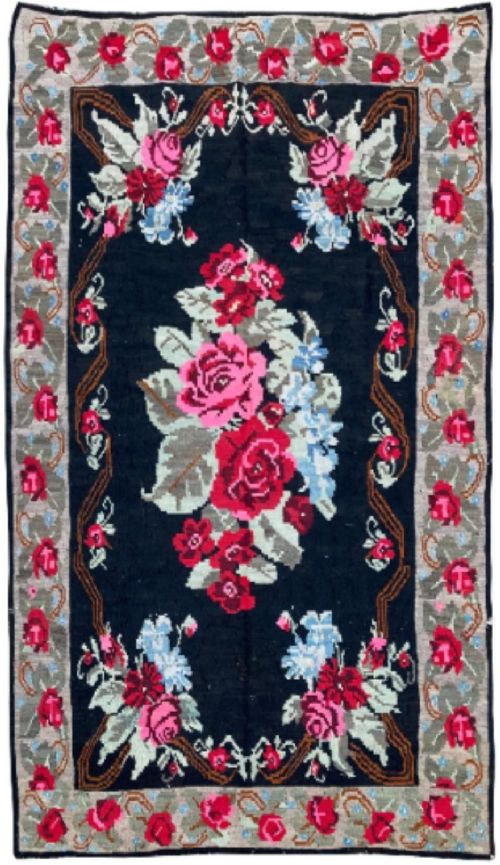
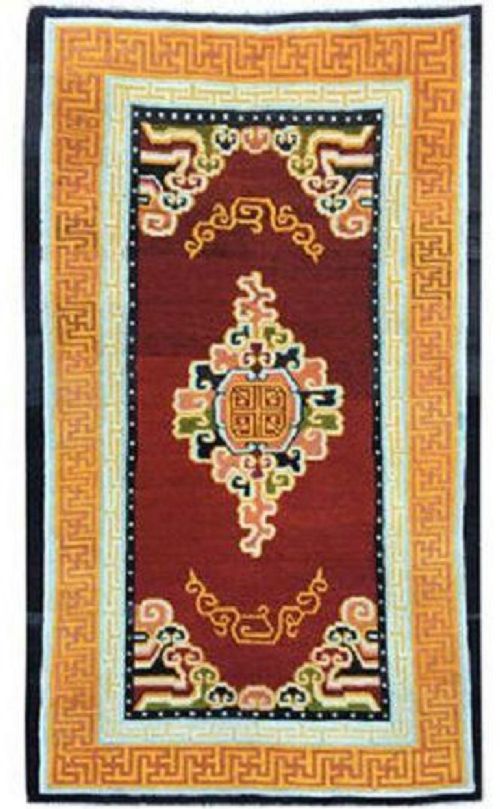
A traditional woven runner carpet serves narrow spaces like hallways, offering elongated proportions designed for foot traffic. These floor coverings emerge from various regional weaving traditions spanning the nineteenth and early twentieth centuries.
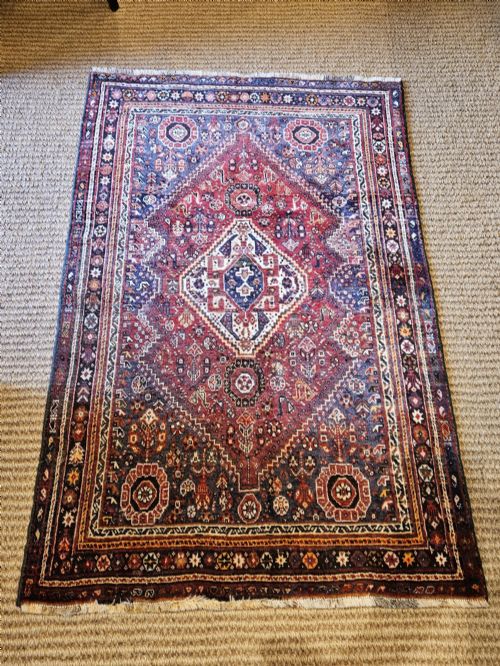
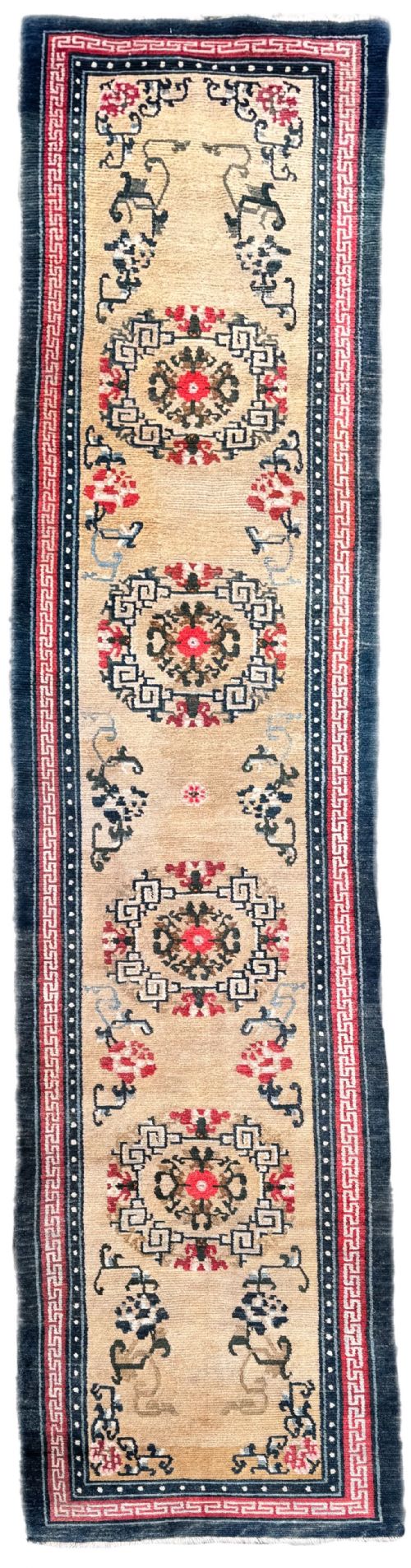
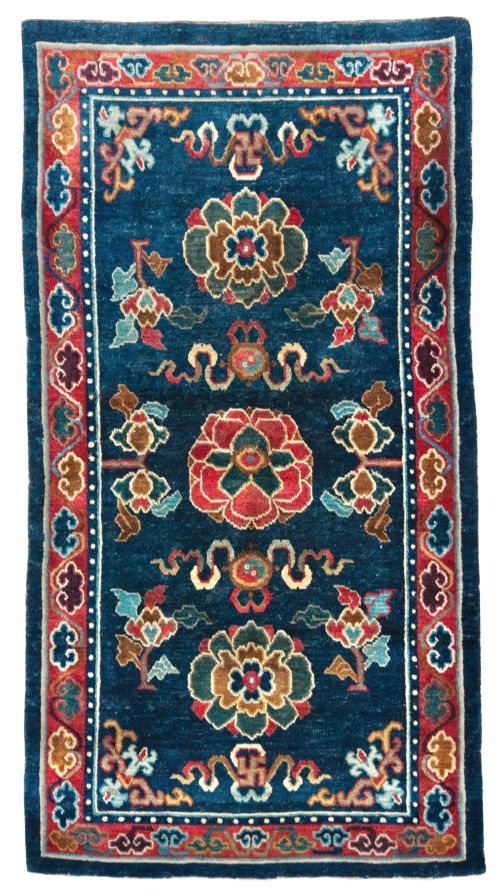
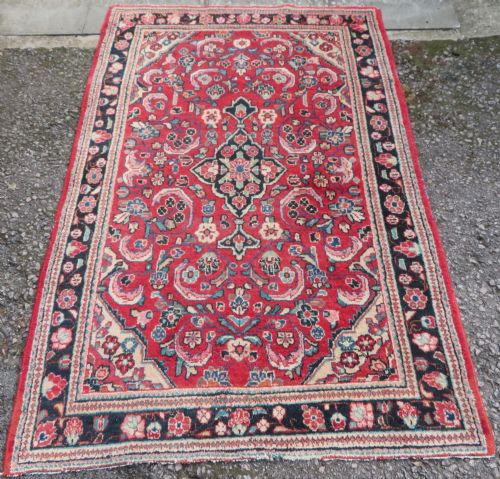
The selection includes pieces attributed to Persian, Caucasian, Kurdish, Tibetan and Chinese origins. Buyers encounter specific regional formats, from village runners to tribal kilims and flat-weave carpets.
Makers utilised wool, cotton and silk to construct these textiles, employing hand-knotted and flat-weave techniques. The inventory ranges from compact hallway formats to oversized runners created across different periods.
How they were made
Weavers constructed these carpets using hand-spun wool and cotton foundations, occasionally incorporating silk for specific pile details. Artisans applied natural dyes to colour the fibres before knotting or weaving the textile on upright looms.
Techniques varied between piled construction, which produced a dense surface, and flat-weave kilim methods that yielded lighter, reversible textiles. Individual workshops and tribal groups maintained distinct methods for securing the warp and weft threads.
Listings feature traditional woven runner carpets spanning the nineteenth century through to the 1940s, utilising wool, cotton, and natural dyes.
What varies in quality
Knot density and structural tightness determine the foundational integrity of each carpet, influencing how the piece handles weight and movement. Higher quality examples demonstrate precise handling of the pile and secure edge bindings.
The sophistication of the natural dye palette and the clarity of regional motifs distinguish superior pieces. Coarser village or tribal pieces display rustic charm, whilst finer urban workshops achieve intricate graphical definition.
The Traditional Woven Runner Carpet Glossary
- Kilim
- A flat-weave carpet or rug made without a pile, produced by tightly interweaving warp and weft strands. These textiles offer a smooth, reversible surface with geometric patterns.
- Warp
- The vertical threads stretched lengthwise on a loom before weaving begins. These foundational strands carry the tension of the entire structure.
- Weft
- The horizontal threads passed alternately over and under the warp threads to bind the design. They secure the knots and form the physical body of the textile.
- Natural Dyes
- Colourants derived from plant, insect and mineral sources used to dye wool and silk before weaving. They produce complex tones that age with subtle shifts in hue.
- Pile
- The upright cut or looped ends of yarn that form the usable surface of a carpet. Density of the pile affects the texture and durability of the piece.
Traditional Woven Runner Carpet: Frequently Asked Questions
Where should I place a traditional runner carpet?
These elongated carpets fit well in narrow transitional areas such as corridors, hallways and staircases. Their proportions suit linear spaces that require floor protection and visual warmth.
Positioning a runner away from heavy moisture helps preserve the natural wool and silk fibres. Using a suitable underlay prevents shifting on smooth flooring.
How do I clean a woven wool runner?
Regular gentle vacuuming without a beater bar removes surface dust trapped within the pile. Professional textile cleaning is recommended for deep washing to protect natural dyes.
Avoiding harsh chemical treatments ensures the wool and cotton foundations remain stable over time. Promptly blotting spills prevents moisture from settling into the fibres.
How do I identify a tribal carpet?
Tribal carpets often display geometric motifs, animal symbols and asymmetrical tribal designs passed down through generations. These pieces reflect the nomadic or village traditions of makers in regions like the Caucasus or Persia.
Structural irregularities in the weave and hand-spun materials point towards independent village production rather than urban factory workshops.
What is the difference between a kilim and a piled rug?
A kilim is a flat-weave textile constructed without a raised pile surface, making it thinner and reversible. Piled rugs feature vertical strands knotted onto the foundation to create a plush texture.
Both types utilise wool and cotton, but the absence of pile in a kilim alters its weight and flexibility on the floor.