




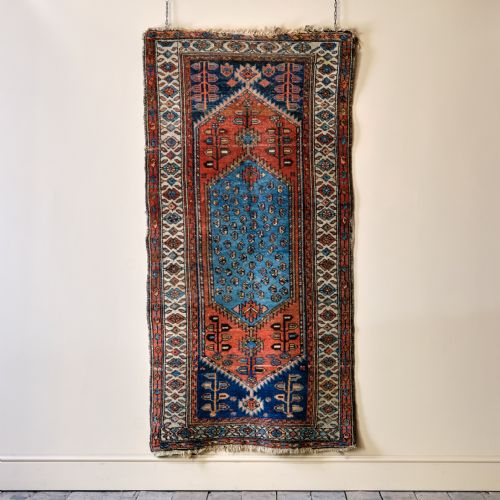


Patterned Wool Floor Runner
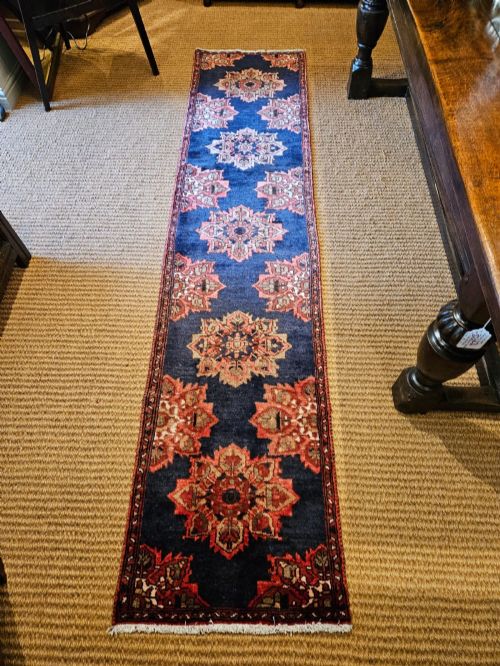
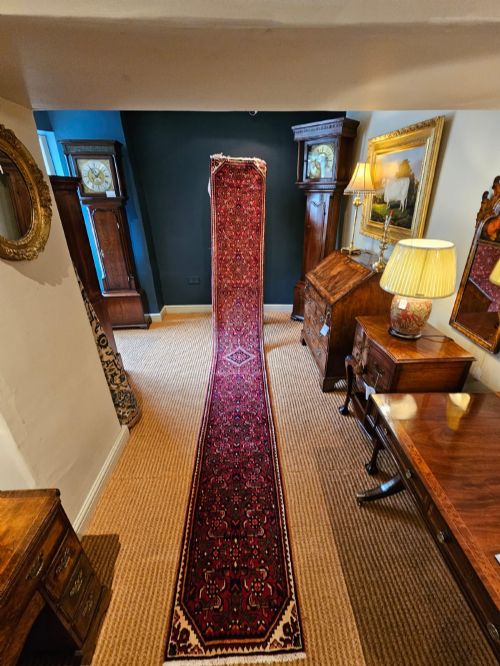
A patterned wool floor runner brings distinct colour and texture to a hallway, drawing the eye along linear spaces with traditional motifs.
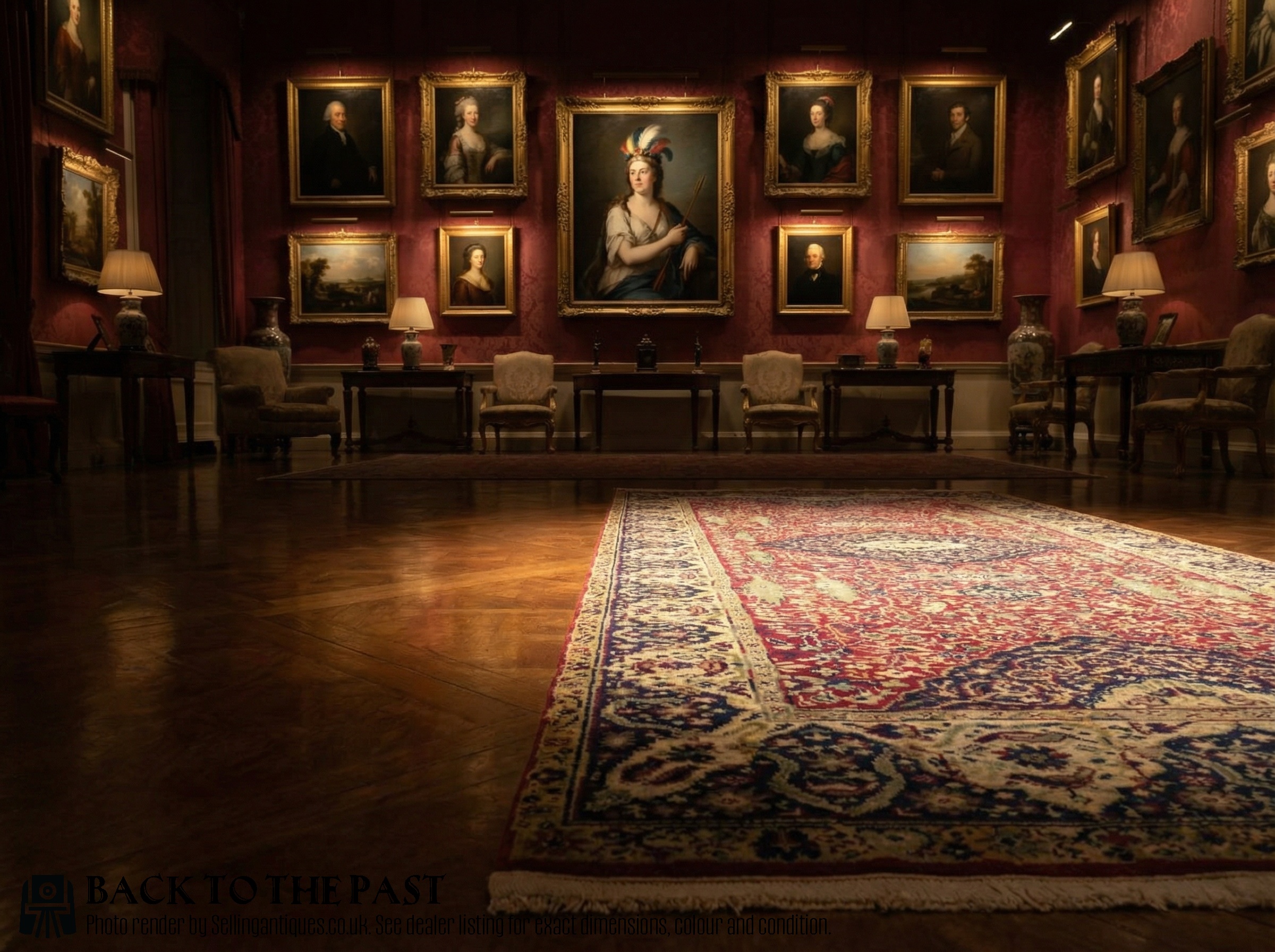
Patterned Wool Floor Runner
A patterned wool floor runner is a long, narrow textile designed for corridors and passages, emerging primarily from Persian, Caucasian, and Anatolian traditions. These pieces combine utility with intricate designs intended to withstand heavy foot traffic while providing visual warmth.
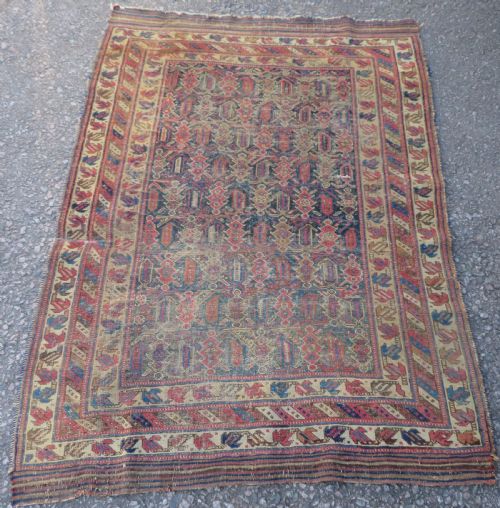
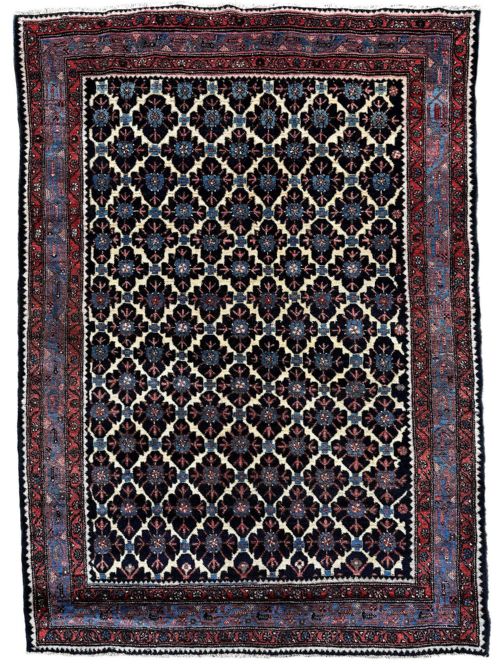
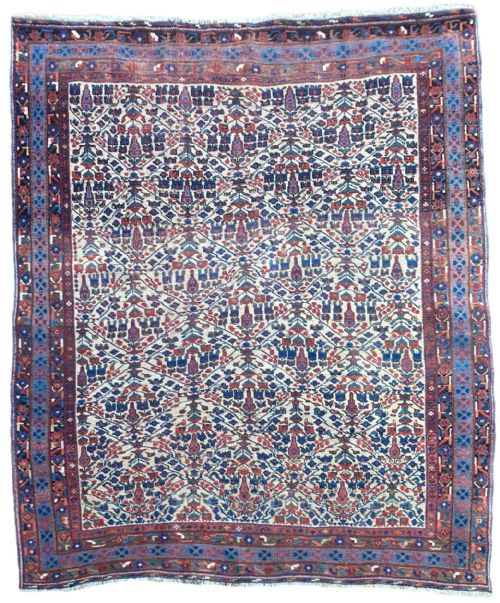
The selections available span from the late Victorian era through the early twentieth century, incorporating tribal aesthetics like Persian Tribal, Caucasian, and Turkmen designs. Buyers encounter formats categorised variously as runner rugs, hallway runners, or long carpets.
Each runner reflects specific regional weaving practices, from the geometric patterns of village workshops to the finer details found in city pieces. The materials and motifs reveal the cultural context of their origin, offering durable floor coverings rooted in historic craft.
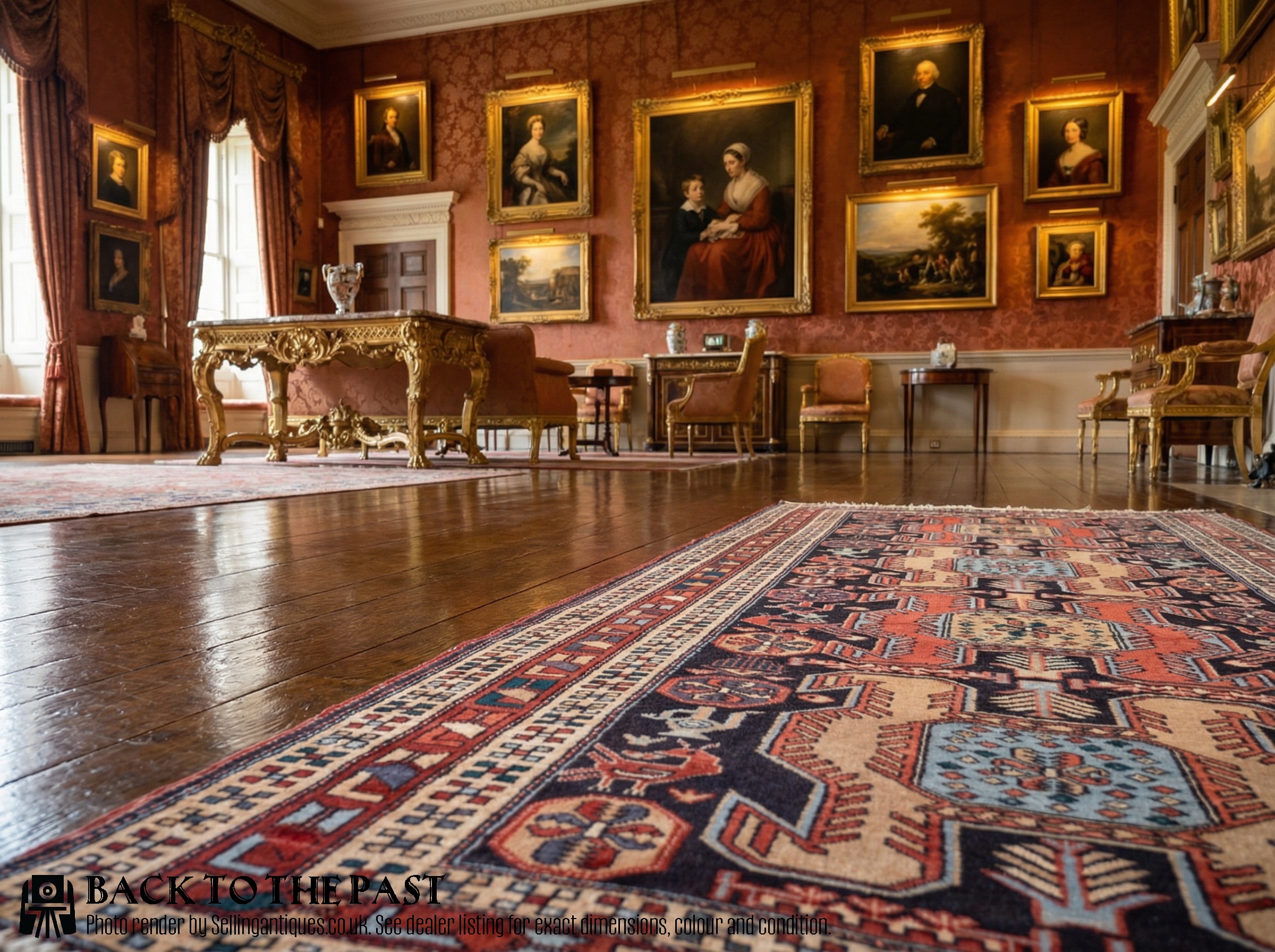
How they were made
Construction relies primarily on wool, often hand-spun, combined with cotton foundations that provide structural stability for long narrow formats. Artisans utilise natural dyes to achieve rich, enduring palettes that patinate gracefully over decades of use.
Weaving techniques involve hand-knotting or flat-weaving methods depending on the regional tradition, such as kilim construction or dense pile knots. These laborious processes create resilient textiles capable of enduring generations of domestic life.
Early village weavers occasionally inserted deliberate minor asymmetry into geometric borders to ward off the evil eye.
What varies in quality
Quality rests on the density of the knotting and the integrity of the wool, which dictate how well the runner retains its structure and pile height under wear. Tighter knots allow for sharper definition in complex geometric and floral motifs.
The source of the dyes also differentiates examples, with natural dyestuffs yielding depth and variation that synthetic alternatives lack. Condition and original edge binding further distinguish standard village production from finer workshop pieces.
The Patterned Wool Floor Runner Glossary
- Wool
- The primary textile fibre obtained from sheep fleece, prized for its natural resilience, lanolin content, and capacity to absorb dye. It forms the durable pile and foundation of traditional runners.
- Natural Dyes
- Colourants derived from plants, insects, and minerals rather than synthetic compounds. They produce harmonious tones that age with subtle shifts in shade.
- Hand-Spun Wool
- Yarn spun by hand rather than factory machinery, resulting in slight irregularities in thickness that give the pile texture and character. This method enhances the organic feel of older runners.
- Kilim
- A flat-woven carpet or runner produced without a pile by tightly interweaving warp and weft threads. This technique creates a lightweight, reversible textile with sharp geometric patterns.
- Runner
- A long, narrow carpet format specifically proportioned for corridors, staircases, and hallways. It guides movement through domestic spaces while protecting wooden floors.
Patterned Wool Floor Runner: Frequently Asked Questions
Where should I place a wool floor runner?
These long formats suit narrow transit areas such as hallways, corridors, and entryways where foot traffic is frequent. Their proportions also work well alongside galley kitchens or beside bedroom furniture.
The sturdy wool construction handles daily movement while introducing warmth and historical character to functional spaces that often lack decoration.
How do I clean an antique wool runner?
Regular gentle vacuuming without a rotating brush roll removes grit from the pile without damaging the hand-knotted structure. Professional textile cleaning is recommended for deep washing to protect natural dyes and fragile wool fibres.
Immediate blotting of spills with clean water prevents staining, avoiding harsh chemical detergents that strip the natural lanolin from the fleece.
Are these runners durable for heavy traffic?
Traditional wool runners are inherently resilient because natural fleece contains protective lanolin that resists dirt and wear. Hand-knotted and flat-woven construction methods create dense textiles built for daily use in busy households.
Using a quality underlay beneath the runner prevents slipping and cushions the weave against hard subfloors, extending the lifespan of the textile.
How do I identify regional rug styles?
Regional styles reveal themselves through distinct design vocabularies, such as the geometric medallions of Caucasian pieces or the flowing floral motifs of Persian workshops. Colour palettes also vary by origin, reflecting locally available natural dye materials.
Examining the weave density, edge finish, and foundation materials helps pinpoint whether a runner originates from village, tribal, or city workshops.